• 文献检索
  • 文档翻译
  • 深度研究
  • 学术资讯
  • Suppr Zotero 插件Zotero 插件
  • 邀请有礼
  • 套餐&价格
  • 历史记录
应用&插件
Suppr Zotero 插件Zotero 插件浏览器插件Mac 客户端Windows 客户端微信小程序
定价
高级版会员购买积分包购买API积分包
服务
文献检索文档翻译深度研究API 文档MCP 服务
关于我们
关于 Suppr公司介绍联系我们用户协议隐私条款
关注我们

Suppr 超能文献

核心技术专利:CN118964589B侵权必究
粤ICP备2023148730 号-1Suppr @ 2026

文献检索

告别复杂PubMed语法,用中文像聊天一样搜索,搜遍4000万医学文献。AI智能推荐,让科研检索更轻松。

立即免费搜索

文件翻译

保留排版,准确专业,支持PDF/Word/PPT等文件格式,支持 12+语言互译。

免费翻译文档

深度研究

AI帮你快速写综述,25分钟生成高质量综述,智能提取关键信息,辅助科研写作。

立即免费体验

运用教学设计流程改进互联网干预措施的设计与开发。

Using instructional design process to improve design and development of Internet interventions.

作者信息

Hilgart Michelle M, Ritterband Lee M, Thorndike Frances P, Kinzie Mable B

机构信息

Behavioral Health and Technology, Department of Psychiatry and Neurobehavioral Sciences, University of Virginia, Charlottesville, VA, USA.

出版信息

J Med Internet Res. 2012 Jun 28;14(3):e89. doi: 10.2196/jmir.1890.

DOI:10.2196/jmir.1890
PMID:22743534
原文链接:https://pmc.ncbi.nlm.nih.gov/articles/PMC3414906/
Abstract

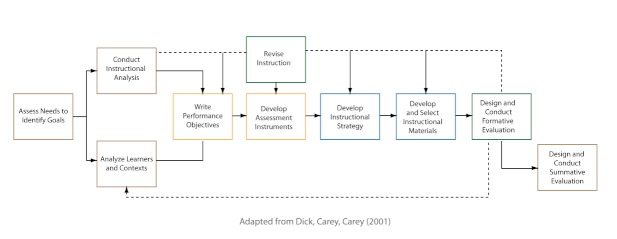
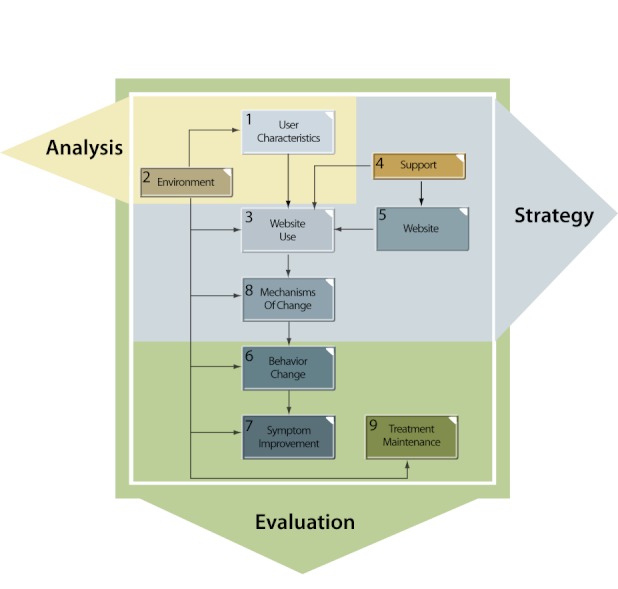
Given the wide reach and extensive capabilities of the Internet, it is increasingly being used to deliver comprehensive behavioral and mental health intervention and prevention programs. Their goals are to change user behavior, reduce unwanted complications or symptoms, and improve health status and health-related quality of life. Internet interventions have been found efficacious in addressing a wide range of behavioral and mental health problems, including insomnia, nicotine dependence, obesity, diabetes, depression, and anxiety. Despite the existence of many Internet-based interventions, there is little research to inform their design and development. A model for behavior change in Internet interventions has been published to help guide future Internet intervention development and to help predict and explain behavior changes and symptom improvement outcomes through the use of Internet interventions. An argument is made for grounding the development of Internet interventions within a scientific framework. To that end, the model highlights a multitude of design-related components, areas, and elements, including user characteristics, environment, intervention content, level of intervention support, and targeted outcomes. However, more discussion is needed regarding how the design of the program should be developed to address these issues. While there is little research on the design and development of Internet interventions, there is a rich, related literature in the field of instructional design (ID) that can be used to inform Internet intervention development. ID models are prescriptive models that describe a set of activities involved in the planning, implementation, and evaluation of instructional programs. Using ID process models has been shown to increase the effectiveness of learning programs in a broad range of contexts. ID models specify a systematic method for assessing the needs of learners (intervention users) to determine the gaps between current knowledge and behaviors, and desired outcomes. Through the ID process, designers focus on the needs of learners, taking into account their prior knowledge; set measurable learning objectives or performance requirements; assess learners' achievement of the targeted outcomes; and employ cycles of continuous formative evaluation to ensure that the intervention meets the needs of all stakeholders. The ID process offers a proven methodology for the design of instructional programs and should be considered an integral part of the creation of Internet interventions. By providing a framework for the design and development of Internet interventions and by purposefully focusing on these aspects, as well as the underlying theories supporting these practices, both the theories and the interventions themselves can continue to be refined and improved. By using the behavior change model for Internet interventions along with the best research available to guide design practice and inform development, developers of Internet interventions will increase their ability to achieve desired outcomes.

https://cdn.ncbi.nlm.nih.gov/pmc/blobs/c5cd/3414906/148e2b1a76dc/jmir_v14i3e89_fig8.jpg
https://cdn.ncbi.nlm.nih.gov/pmc/blobs/c5cd/3414906/288f5faf2a50/jmir_v14i3e89_fig1.jpg
https://cdn.ncbi.nlm.nih.gov/pmc/blobs/c5cd/3414906/85591dd4a4ed/jmir_v14i3e89_fig2.jpg
https://cdn.ncbi.nlm.nih.gov/pmc/blobs/c5cd/3414906/cfd2d2ef667c/jmir_v14i3e89_fig3.jpg
https://cdn.ncbi.nlm.nih.gov/pmc/blobs/c5cd/3414906/220fa81d0463/jmir_v14i3e89_fig4.jpg
https://cdn.ncbi.nlm.nih.gov/pmc/blobs/c5cd/3414906/d70e185f6f84/jmir_v14i3e89_fig5.jpg
https://cdn.ncbi.nlm.nih.gov/pmc/blobs/c5cd/3414906/746a92b1c32e/jmir_v14i3e89_fig6.jpg
https://cdn.ncbi.nlm.nih.gov/pmc/blobs/c5cd/3414906/921609b594d0/jmir_v14i3e89_fig7.jpg
https://cdn.ncbi.nlm.nih.gov/pmc/blobs/c5cd/3414906/148e2b1a76dc/jmir_v14i3e89_fig8.jpg
https://cdn.ncbi.nlm.nih.gov/pmc/blobs/c5cd/3414906/288f5faf2a50/jmir_v14i3e89_fig1.jpg
https://cdn.ncbi.nlm.nih.gov/pmc/blobs/c5cd/3414906/85591dd4a4ed/jmir_v14i3e89_fig2.jpg
https://cdn.ncbi.nlm.nih.gov/pmc/blobs/c5cd/3414906/cfd2d2ef667c/jmir_v14i3e89_fig3.jpg
https://cdn.ncbi.nlm.nih.gov/pmc/blobs/c5cd/3414906/220fa81d0463/jmir_v14i3e89_fig4.jpg
https://cdn.ncbi.nlm.nih.gov/pmc/blobs/c5cd/3414906/d70e185f6f84/jmir_v14i3e89_fig5.jpg
https://cdn.ncbi.nlm.nih.gov/pmc/blobs/c5cd/3414906/746a92b1c32e/jmir_v14i3e89_fig6.jpg
https://cdn.ncbi.nlm.nih.gov/pmc/blobs/c5cd/3414906/921609b594d0/jmir_v14i3e89_fig7.jpg
https://cdn.ncbi.nlm.nih.gov/pmc/blobs/c5cd/3414906/148e2b1a76dc/jmir_v14i3e89_fig8.jpg
摘要

鉴于互联网的广泛覆盖范围和强大功能,它越来越多地被用于提供全面的行为和心理健康干预及预防项目。这些项目的目标是改变用户行为,减少不良并发症或症状,改善健康状况以及与健康相关的生活质量。人们发现互联网干预在解决广泛的行为和心理健康问题方面是有效的,包括失眠、尼古丁依赖、肥胖、糖尿病、抑郁症和焦虑症。尽管存在许多基于互联网的干预措施,但为其设计和开发提供参考的研究却很少。已发布了一个互联网干预中的行为改变模型,以帮助指导未来的互联网干预开发,并通过使用互联网干预来帮助预测和解释行为变化及症状改善结果。有人主张将互联网干预的开发建立在科学框架内。为此,该模型突出了众多与设计相关的组成部分、领域和要素,包括用户特征、环境、干预内容、干预支持水平和目标结果。然而,关于应如何开发项目设计以解决这些问题,还需要更多讨论。虽然关于互联网干预的设计和开发研究很少,但教学设计(ID)领域有丰富的相关文献可用于为互联网干预开发提供参考。ID模型是规定性模型,描述了教学项目规划、实施和评估中涉及的一系列活动。在广泛的背景下,使用ID流程模型已被证明可以提高学习项目的有效性。ID模型指定了一种系统方法,用于评估学习者(干预用户)的需求,以确定当前知识和行为与期望结果之间的差距。通过ID流程,设计者关注学习者的需求,考虑他们的先验知识;设定可衡量的学习目标或绩效要求;评估学习者对目标结果的达成情况;并采用持续形成性评估循环,以确保干预满足所有利益相关者的需求。ID流程为教学项目的设计提供了一种经过验证 的方法,应被视为互联网干预创建不可或缺的一部分。通过为互联网干预的设计和开发提供一个框架,并有意关注这些方面以及支持这些实践的基础理论,理论和干预本身都可以不断完善和改进。通过将互联网干预的行为改变模型与现有的最佳研究结合起来,以指导设计实践并为开发提供参考,互联网干预的开发者将提高实现期望结果的能力。

相似文献

1
Using instructional design process to improve design and development of Internet interventions.运用教学设计流程改进互联网干预措施的设计与开发。
J Med Internet Res. 2012 Jun 28;14(3):e89. doi: 10.2196/jmir.1890.
2
3
The effectiveness of internet-based e-learning on clinician behavior and patient outcomes: a systematic review protocol.基于互联网的电子学习对临床医生行为和患者结局的有效性:一项系统评价方案。
JBI Database System Rev Implement Rep. 2015 Jan;13(1):52-64. doi: 10.11124/jbisrir-2015-1919.
4
The future of Cochrane Neonatal.考克兰新生儿协作网的未来。
Early Hum Dev. 2020 Nov;150:105191. doi: 10.1016/j.earlhumdev.2020.105191. Epub 2020 Sep 12.
5
A behavior change model for internet interventions.互联网干预行为改变模型。
Ann Behav Med. 2009 Aug;38(1):18-27. doi: 10.1007/s12160-009-9133-4. Epub 2009 Oct 4.
6
Folic acid supplementation and malaria susceptibility and severity among people taking antifolate antimalarial drugs in endemic areas.在流行地区,服用抗叶酸抗疟药物的人群中,叶酸补充剂与疟疾易感性和严重程度的关系。
Cochrane Database Syst Rev. 2022 Feb 1;2(2022):CD014217. doi: 10.1002/14651858.CD014217.
7
The Effectiveness of Integrated Care Pathways for Adults and Children in Health Care Settings: A Systematic Review.综合护理路径在医疗环境中对成人和儿童的有效性:一项系统评价。
JBI Libr Syst Rev. 2009;7(3):80-129. doi: 10.11124/01938924-200907030-00001.
8
Development of a Digital Behavioral Intervention to Reduce the Consumption of Sugar-Sweetened Beverages Among Rural Appalachian Adults: Multiphased, Human-Centered Design Approach.开发一种数字行为干预措施以减少阿巴拉契亚农村成年人含糖饮料的消费:多阶段、以人为本的设计方法。
JMIR Hum Factors. 2023 Feb 1;10:e41262. doi: 10.2196/41262.
9
Beyond the black stump: rapid reviews of health research issues affecting regional, rural and remote Australia.超越黑木树:影响澳大利亚地区、农村和偏远地区的健康研究问题的快速综述。
Med J Aust. 2020 Dec;213 Suppl 11:S3-S32.e1. doi: 10.5694/mja2.50881.
10
Behavioural interventions for type 2 diabetes: an evidence-based analysis.2型糖尿病的行为干预:一项基于证据的分析。
Ont Health Technol Assess Ser. 2009;9(21):1-45. Epub 2009 Oct 1.

引用本文的文献

1
Curating an HIV mHealth App for People Living with HIV in Washington, DC Through Think-Aloud Usability Testing and Beta Testing.通过出声思维可用性测试和测试版测试,为华盛顿特区的艾滋病毒感染者策划一款艾滋病毒移动健康应用程序。
AIDS Behav. 2025 Jun;29(6):1810-1820. doi: 10.1007/s10461-025-04649-3. Epub 2025 Apr 5.
2
Persuasive design principle of social support in digital interventions targeting mental health symptoms: a systematic review and meta-analysis.针对心理健康症状的数字干预措施中的社会支持的说服性设计原则:系统评价和荟萃分析。
BMJ Open. 2024 Nov 9;14(11):e086728. doi: 10.1136/bmjopen-2024-086728.
3
eSCCIP: A Psychosocial eHealth Intervention for Parents of Children with Cancer.

本文引用的文献

1
The Effect of Telephone-Administered Psychotherapy on Symptoms of Depression and Attrition: A Meta-Analysis.电话心理治疗对抑郁症状及治疗中断率的影响:一项荟萃分析
Clin Psychol (New York). 2008;15(3):243-253. doi: 10.1111/j.1468-2850.2008.00134.x.
2
A behavior change model for internet interventions.互联网干预行为改变模型。
Ann Behav Med. 2009 Aug;38(1):18-27. doi: 10.1007/s12160-009-9133-4. Epub 2009 Oct 4.
3
International Spanish/English Internet smoking cessation trial yields 20% abstinence rates at 1 year.国际西班牙语/英语互联网戒烟试验在1年后的戒烟率达20%。
eSCCIP:一项针对癌症患儿家长的社会心理电子健康干预措施。
Clin Pract Pediatr Psychol. 2019 Mar;7(1):44-56. doi: 10.1037/cpp0000264.
4
An mHealth Platform for People With HIV Receiving Care in Washington, District of Columbia: Qualitative Analysis of Stakeholder Feedback.华盛顿特区为接受治疗的艾滋病毒感染者打造的移动健康平台:利益相关者反馈的定性分析
JMIR Form Res. 2023 Sep 19;7:e48739. doi: 10.2196/48739.
5
Development of a Digital Behavioral Intervention to Reduce the Consumption of Sugar-Sweetened Beverages Among Rural Appalachian Adults: Multiphased, Human-Centered Design Approach.开发一种数字行为干预措施以减少阿巴拉契亚农村成年人含糖饮料的消费:多阶段、以人为本的设计方法。
JMIR Hum Factors. 2023 Feb 1;10:e41262. doi: 10.2196/41262.
6
Can web-based implementation interventions improve physician early diagnosis of cerebral palsy? Protocol for a 3-arm parallel superiority randomised controlled trial and cost-consequence analysis comparing adaptive and non-adaptive virtual patient instructional designs with control to evaluate effectiveness on physician behaviour, diagnostic skills and patient outcomes.基于网络的实施干预能否改善医生对脑瘫的早期诊断?一项 3 臂平行优效随机对照试验及成本-效果分析的研究方案,比较自适应和非自适应虚拟患者教学设计与对照组,以评估其对医生行为、诊断技能和患者结局的有效性。
BMJ Open. 2022 Nov 21;12(11):e063558. doi: 10.1136/bmjopen-2022-063558.
7
Evaluation of the Implementation and Effectiveness of a Mobile Health Intervention to Improve Outcomes for People With HIV in the Washington, DC Cohort: Study Protocol for a Cluster Randomized Controlled Trial.评估一项移动健康干预措施在华盛顿特区队列中改善艾滋病毒感染者结局的实施情况和效果:一项整群随机对照试验的研究方案
JMIR Res Protoc. 2022 Apr 22;11(4):e37748. doi: 10.2196/37748.
8
Single-Group Trial of an Internet-Delivered Insomnia Intervention Among Higher-Intensity Family Caregivers: Rationale and Protocol for a Mixed Methods Study.高强度家庭照顾者中互联网失眠干预单组试验:一项混合方法研究的原理与方案
JMIR Res Protoc. 2022 Jan 12;11(1):e34792. doi: 10.2196/34792.
9
Recommendations for Implementing Gamification for Mental Health and Wellbeing.实施心理健康与幸福游戏化的建议。
Front Psychol. 2020 Dec 7;11:586379. doi: 10.3389/fpsyg.2020.586379. eCollection 2020.
10
Comparing Web-Based Mindfulness With Loving-Kindness and Compassion Training for Promoting Well-Being in Pregnancy: Protocol for a Three-Arm Pilot Randomized Controlled Trial.比较基于网络的正念与慈爱和慈悲训练对促进孕期幸福感的影响:一项三臂试点随机对照试验方案
JMIR Res Protoc. 2020 Oct 14;9(10):e19803. doi: 10.2196/19803.
Nicotine Tob Res. 2009 Sep;11(9):1025-34. doi: 10.1093/ntr/ntp090. Epub 2009 Jul 29.
4
Efficacy of an Internet-based behavioral intervention for adults with insomnia.基于互联网的行为干预对失眠成年人的疗效。
Arch Gen Psychiatry. 2009 Jul;66(7):692-8. doi: 10.1001/archgenpsychiatry.2009.66.
5
Adherence in internet interventions for anxiety and depression.焦虑和抑郁网络干预中的依从性。
J Med Internet Res. 2009 Apr 24;11(2):e13. doi: 10.2196/jmir.1194.
6
The delivery of public health interventions via the Internet: actualizing their potential.通过互联网提供公共卫生干预措施:发挥其潜力。
Annu Rev Public Health. 2009;30:273-92. doi: 10.1146/annurev.publhealth.031308.100235.
7
Real world use of an Internet intervention for pediatric encopresis.互联网干预在小儿遗粪症中的实际应用。
J Med Internet Res. 2008 Jun 30;10(2):e16. doi: 10.2196/jmir.1081.
8
Remote treatment of panic disorder: a randomized trial of internet-based cognitive behavior therapy supplemented with telephone calls.惊恐障碍的远程治疗:一项基于互联网的认知行为疗法辅以电话治疗的随机试验。
Am J Psychiatry. 2006 Dec;163(12):2119-25. doi: 10.1176/ajp.2006.163.12.2119.
9
Internet-based cognitive behaviour therapy for symptoms of depression and anxiety: a meta-analysis.基于互联网的针对抑郁和焦虑症状的认知行为疗法:一项荟萃分析。
Psychol Med. 2007 Mar;37(3):319-28. doi: 10.1017/S0033291706008944. Epub 2006 Nov 20.
10
The effectiveness of Web-based vs. non-Web-based interventions: a meta-analysis of behavioral change outcomes.基于网络的干预与非基于网络的干预的有效性:行为改变结果的荟萃分析。
J Med Internet Res. 2004 Nov 10;6(4):e40. doi: 10.2196/jmir.6.4.e40.