Laboratory of Environmental Toxicology, Department of Pharmacology, University of California San Diego, La Jolla, California, United States of America.
PLoS One. 2012;7(6):e37705. doi: 10.1371/journal.pone.0037705. Epub 2012 Jun 15.
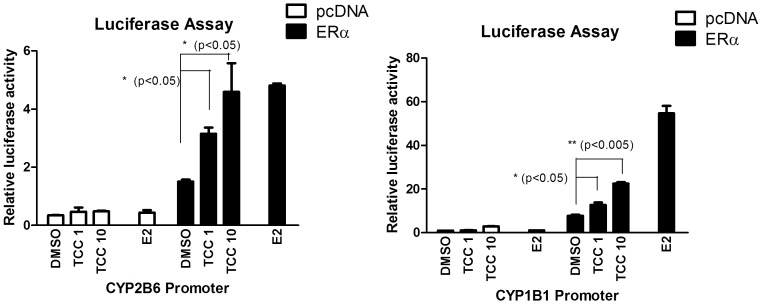
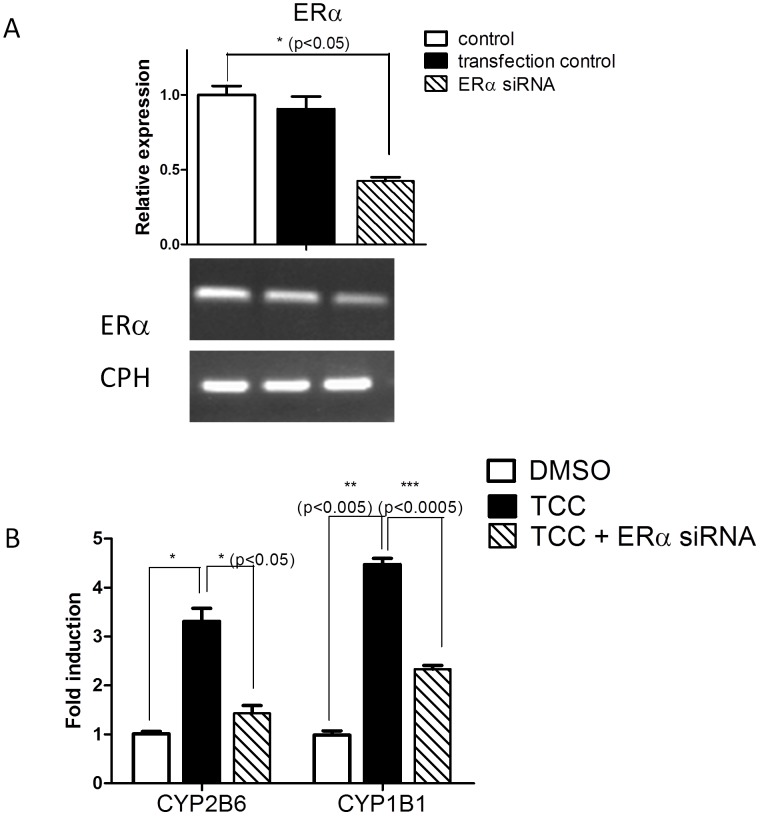
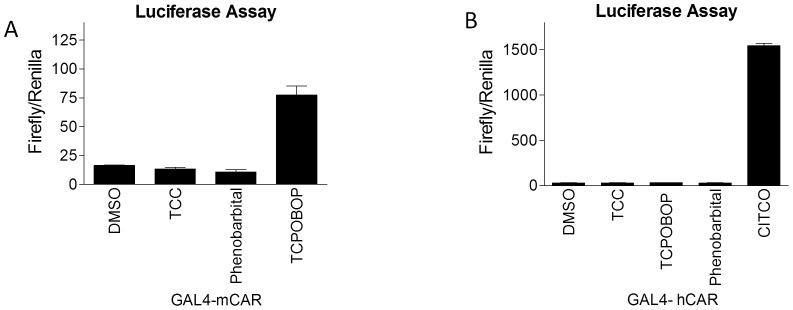
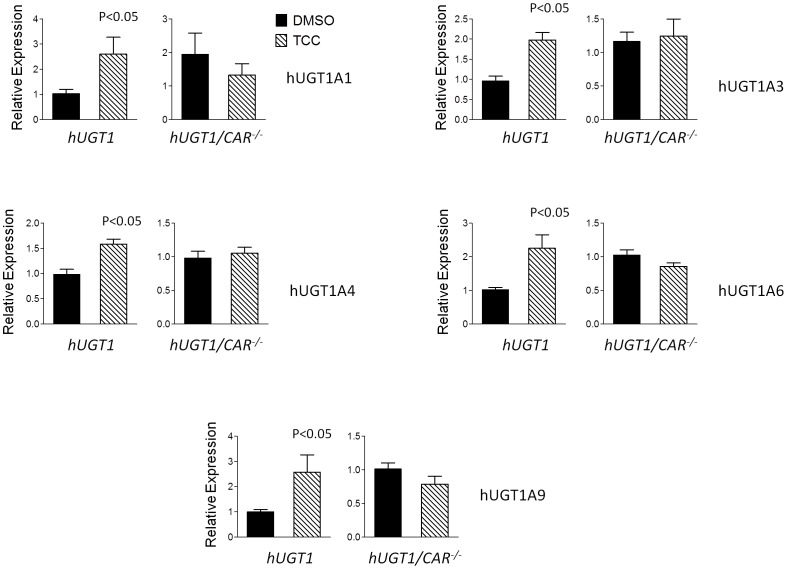
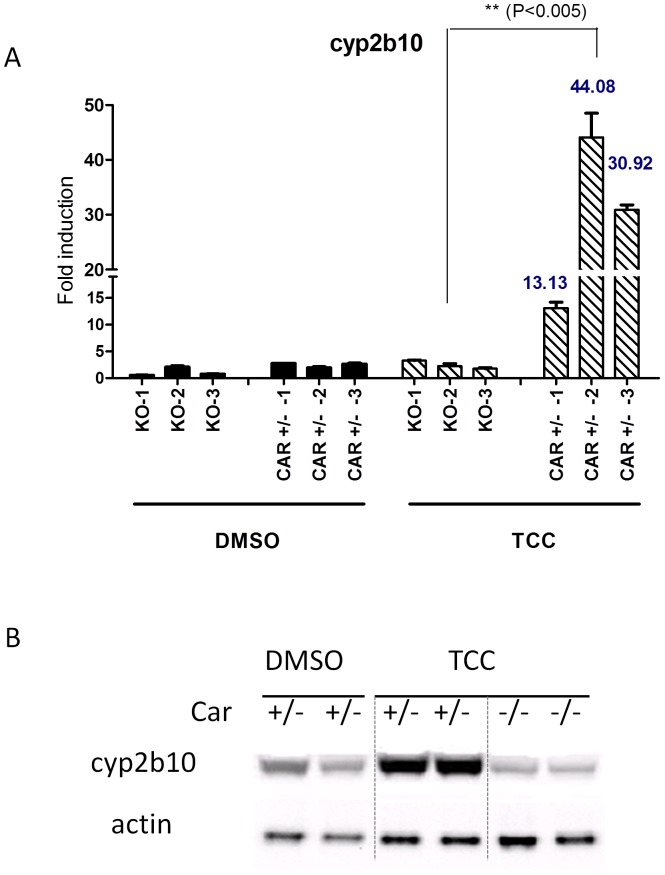
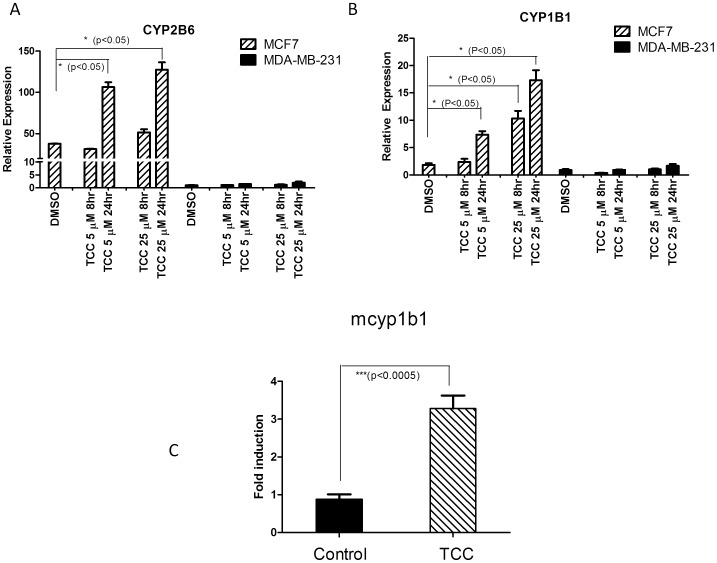
Triclocarban (3,4,4'-trichlorocarbanilide, TCC) is used as a broad-based antimicrobial agent that is commonly added to personal hygiene products. Because of its extensive use in the health care industry and resistance to degradation in sewage treatment processes, TCC has become a significant waste product that is found in numerous environmental compartments where humans and wildlife can be exposed. While TCC has been linked to a range of health and environmental effects, few studies have been conducted linking exposure to TCC and induction of xenobiotic metabolism through regulation by environmental sensors such as the nuclear xenobiotic receptors (XenoRs). To identify the ability of TCC to activate xenobiotic sensors, we monitored XenoR activities in response to TCC treatment using luciferase-based reporter assays. Among the XenoRs in the reporter screening assay, TCC promotes both constitutive androstane receptor (CAR) and estrogen receptor alpha (ERα) activities. TCC treatment to hUGT1 mice resulted in induction of the UGT1A genes in liver. This induction was dependent upon the constitutive active/androstane receptor (CAR) because no induction occurred in hUGT1Car(-/-) mice. Induction of the UGT1A genes by TCC corresponded with induction of Cyp2b10, another CAR target gene. TCC was demonstrated to be a phenobarbital-like activator of CAR in receptor-based assays. While it has been suggested that TCC be classified as an endocrine disruptor, it activates ERα leading to induction of Cyp1b1 in female ovaries as well as in promoter activity. Activation of ERα by TCC in receptor-based assays also promotes induction of human CYP2B6. These observations demonstrate that TCC activates nuclear xenobiotic receptors CAR and ERα both in vivo and in vitro and might have the potential to alter normal physiological homeostasis. Activation of these xenobiotic-sensing receptors amplifies gene expression profiles that might represent a mechanistic base for potential human health effects from exposure to TCC.
三氯生(3,4,4'-三氯苯甲酰胺,TCC)被用作一种广谱抗菌剂,通常添加到个人卫生用品中。由于其在医疗保健行业中的广泛使用以及在污水处理过程中难以降解,TCC 已成为一种重要的废物,在许多环境介质中都有发现,人类和野生动物都可能接触到这些物质。虽然 TCC 与一系列健康和环境影响有关,但很少有研究将 TCC 的暴露与通过环境传感器(如核异源受体(XenoRs))调节的外来化合物代谢的诱导联系起来。为了确定 TCC 激活异源生物传感器的能力,我们使用基于荧光素酶的报告基因检测法监测 TCC 处理后 XenoR 活性。在报告基因筛选检测中的 XenoRs 中,TCC 促进了组成型雄甾烷受体(CAR)和雌激素受体α(ERα)的活性。TCC 处理 hUGT1 小鼠导致肝脏中 UGT1A 基因的诱导。这种诱导依赖于组成型激活的 CAR,因为在 hUGT1Car(-/-) 小鼠中没有诱导发生。TCC 诱导 UGT1A 基因与 Cyp2b10 的诱导相对应,后者是 CAR 的另一个靶基因。TCC 在基于受体的测定中被证明是 CAR 的苯巴比妥样激活剂。虽然有人建议将 TCC 归类为内分泌干扰物,但它激活 ERα,导致雌性卵巢以及启动子活性中 Cyp1b1 的诱导。TCC 在基于受体的测定中对 ERα 的激活也促进了人 CYP2B6 的诱导。这些观察结果表明,TCC 体内和体外均激活核异源生物受体 CAR 和 ERα,并可能具有改变正常生理稳态的潜力。这些异源生物感应受体的激活放大了基因表达谱,这可能代表了暴露于 TCC 对人类健康影响的潜在机制基础。