State Key Laboratory of Systematic and Evolutionary Botany, Institute of Botany, Chinese Academy of Sciences, Beijing, China.
PLoS One. 2012;7(6):e39780. doi: 10.1371/journal.pone.0039780. Epub 2012 Jun 25.
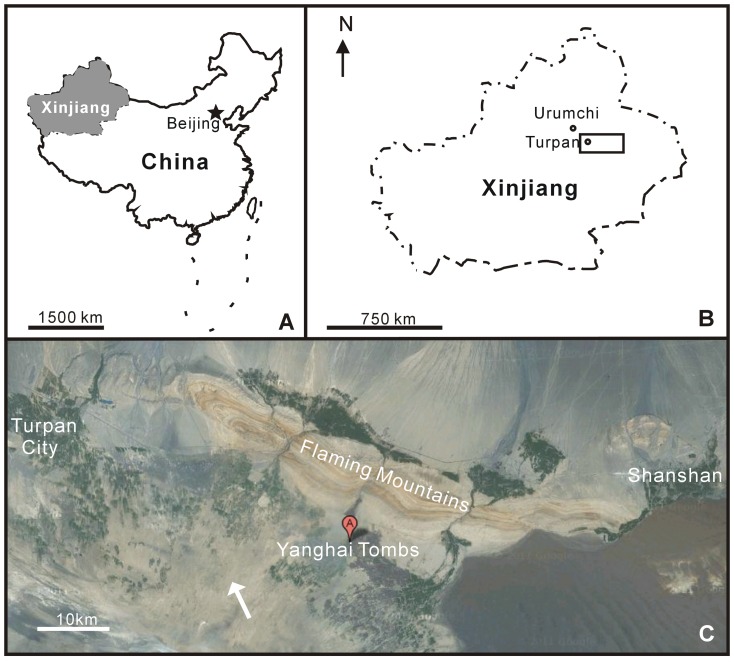
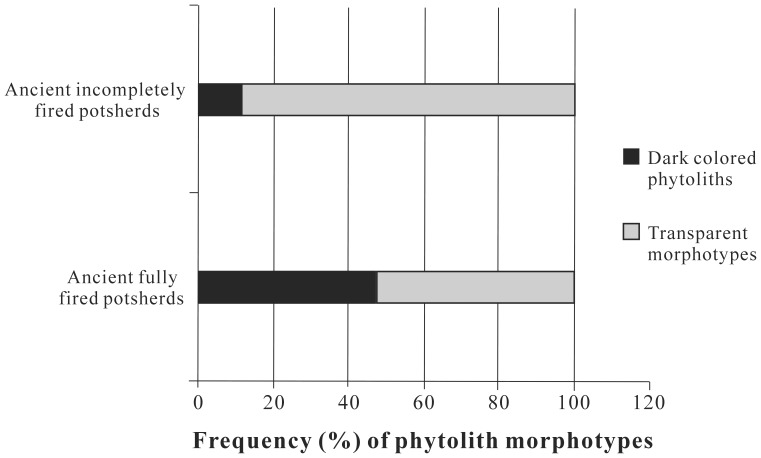
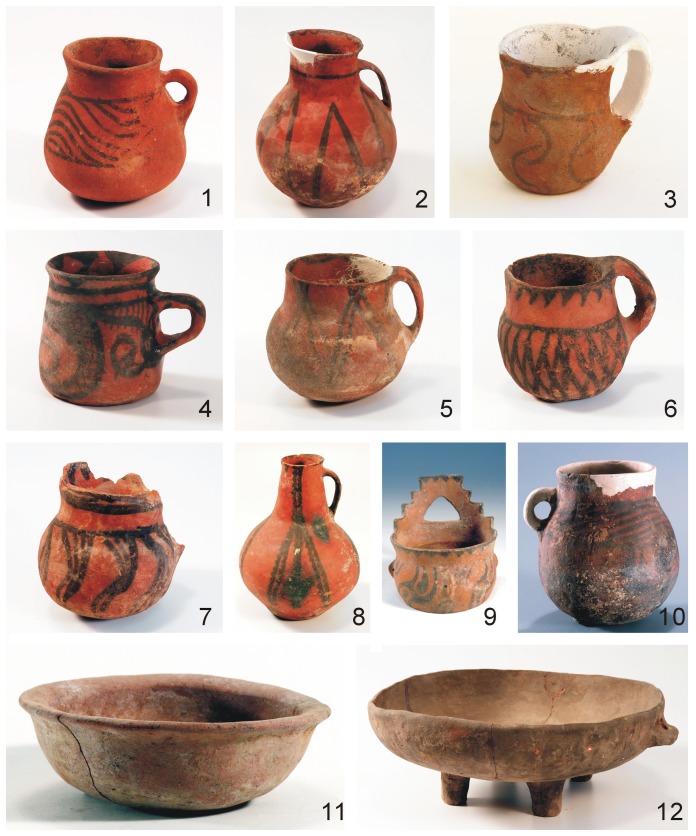
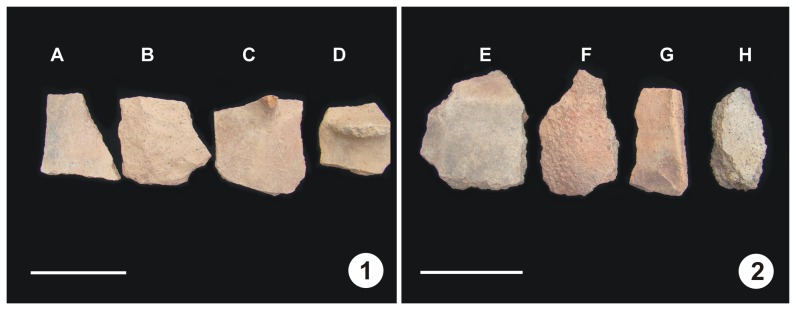
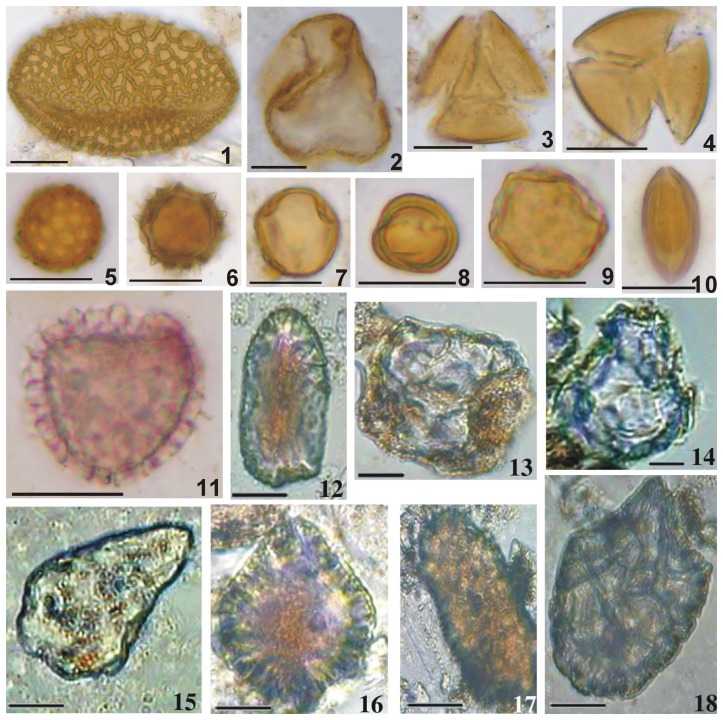
It is demonstrated that palynomorphs can occur in fired ancient potsherds when the firing temperature was under 350°C. Pollen and phytoliths recovered from incompletely fired and fully fired potsherds (ca. 2700 yrs BP) from the Yanghai Tombs, Turpan, Xinjiang, NW China can be used as potential indicators for reconstructing past vegetation and corresponding climate in the area. The results show a higher rate of recovery of pollen and phytoliths from incompletely fired potsherds than from fully fired ones. Charred phytoliths recovered from both fully fired and incompletely fired potsherds prove that degree and condition of firing result in a permanent change in phytolith color. The palynological data, together with previous data of macrobotanical remains from the Yanghai Tombs, suggest that temperate vegetation and arid climatic conditions dominated in the area ca. 2700 yrs BP.
研究表明,当烧制温度低于 350°C 时,花粉和植硅体可能会出现在烧制过的古代陶器碎片中。从中国新疆吐鲁番洋海古墓出土的未完全烧制和完全烧制的陶器碎片(约 2700 年前)中回收的花粉和植硅体可用作重建该地区过去植被和相应气候的潜在指标。结果表明,未完全烧制的陶器碎片中花粉和植硅体的回收率高于完全烧制的陶器碎片。从完全烧制和未完全烧制的陶器碎片中回收的烧焦植硅体证明,烧制的程度和条件会导致植硅体颜色发生永久性变化。这些花粉数据,以及洋海古墓之前的大植物遗骸数据表明,大约在 2700 年前,温带植被和干旱气候条件在该地区占主导地位。