Department of Neurology, Heinrich-Heine-University Düsseldorf, Medical Faculty, Düsseldorf 40225, Germany.
J Neuroinflammation. 2012 Jul 7;9:163. doi: 10.1186/1742-2094-9-163.
Neuronal degeneration in multiple sclerosis has been linked to oxidative stress. Dimethyl fumarate is a promising novel oral therapeutic option shown to reduce disease activity and progression in patients with relapsing-remitting multiple sclerosis. These effects are presumed to originate from a combination of immunomodulatory and neuroprotective mechanisms. We aimed to clarify whether neuroprotective concentrations of dimethyl fumarate have immunomodulatory effects.
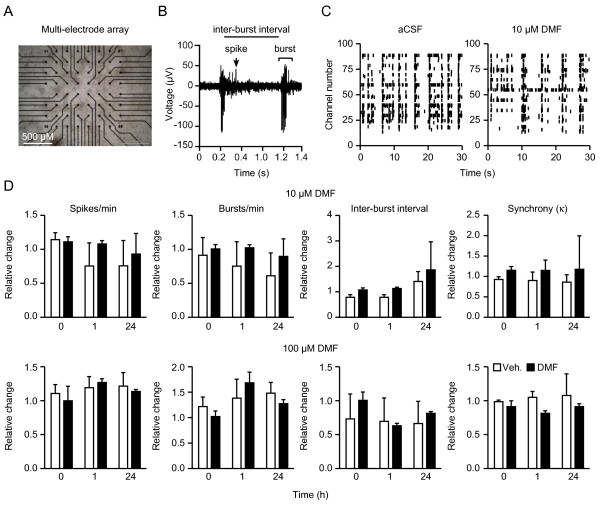
We determined time- and concentration-dependent effects of dimethyl fumarate and its metabolite monomethyl fumarate on viability in a model of endogenous neuronal oxidative stress and clarified the mechanism of action by quantitating cellular glutathione content and recycling, nuclear translocation of transcription factors, and the expression of antioxidant genes. We compared this with changes in the cytokine profiles released by stimulated splenocytes measured by ELISPOT technology and analyzed the interactions between neuronal and immune cells and neuronal function and viability in cell death assays and multi-electrode arrays. Our observations show that dimethyl fumarate causes short-lived oxidative stress, which leads to increased levels and nuclear localization of the transcription factor nuclear factor erythroid 2-related factor 2 and a subsequent increase in glutathione synthesis and recycling in neuronal cells. Concentrations that were cytoprotective in neuronal cells had no negative effects on viability of splenocytes but suppressed the production of proinflammatory cytokines in cultures from C57BL/6 and SJL mice and had no effects on neuronal activity in multi-electrode arrays.
These results suggest that immunomodulatory concentrations of dimethyl fumarate can reduce oxidative stress without altering neuronal network activity.
多发性硬化症中的神经元退化与氧化应激有关。富马酸二甲酯是一种有前途的新型口服治疗选择,已被证明可降低复发缓解型多发性硬化症患者的疾病活动度和进展。这些作用被认为源自免疫调节和神经保护机制的结合。我们旨在阐明神经保护浓度的富马酸二甲酯是否具有免疫调节作用。
我们确定了富马酸二甲酯及其代谢物单甲基富马酸在内源性神经元氧化应激模型中对活力的时间和浓度依赖性影响,并通过定量细胞谷胱甘肽含量和再循环、转录因子的核易位以及抗氧化基因的表达阐明了作用机制。我们将其与通过 ELISPOT 技术测量的刺激脾细胞释放的细胞因子谱的变化进行了比较,并分析了神经元和免疫细胞之间的相互作用以及神经元功能和在细胞死亡测定和多电极阵列中的活力。我们的观察结果表明,富马酸二甲酯会引起短暂的氧化应激,从而导致转录因子核因子红细胞 2 相关因子 2 的水平升高和核定位增加,随后神经元细胞中的谷胱甘肽合成和再循环增加。在神经元细胞中具有细胞保护作用的浓度对脾细胞的活力没有负面影响,但抑制了 C57BL/6 和 SJL 小鼠培养物中促炎细胞因子的产生,并且对多电极阵列中的神经元活动没有影响。
这些结果表明,富马酸二甲酯的免疫调节浓度可以在不改变神经元网络活动的情况下减轻氧化应激。