Department of Pediatric Oncology, Dana-Farber Cancer Institute, and Children's Hospital Boston, Harvard Medical School, Boston, MA 02115, USA.
Dis Model Mech. 2012 Nov;5(6):881-94. doi: 10.1242/dmm.009779. Epub 2012 Jul 5.
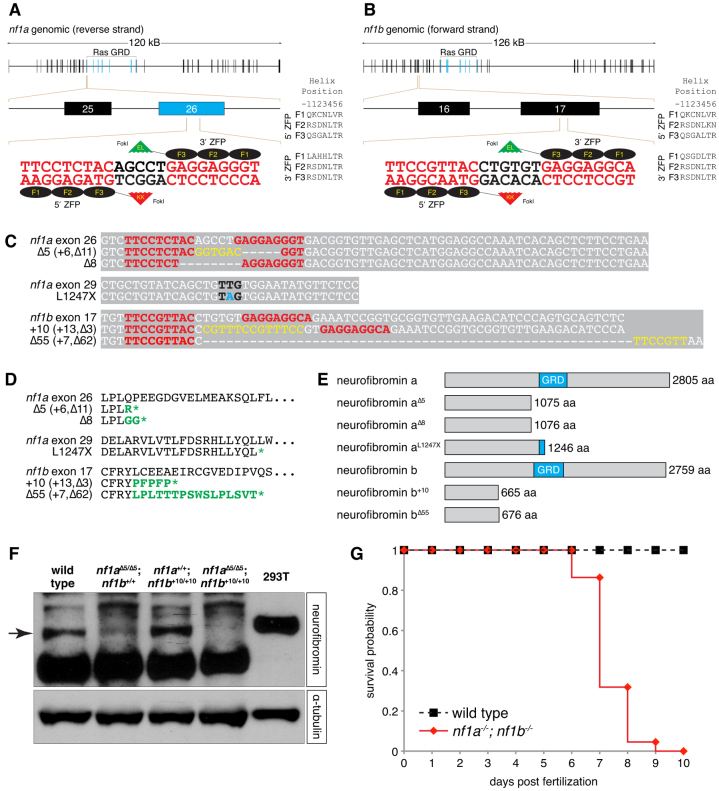
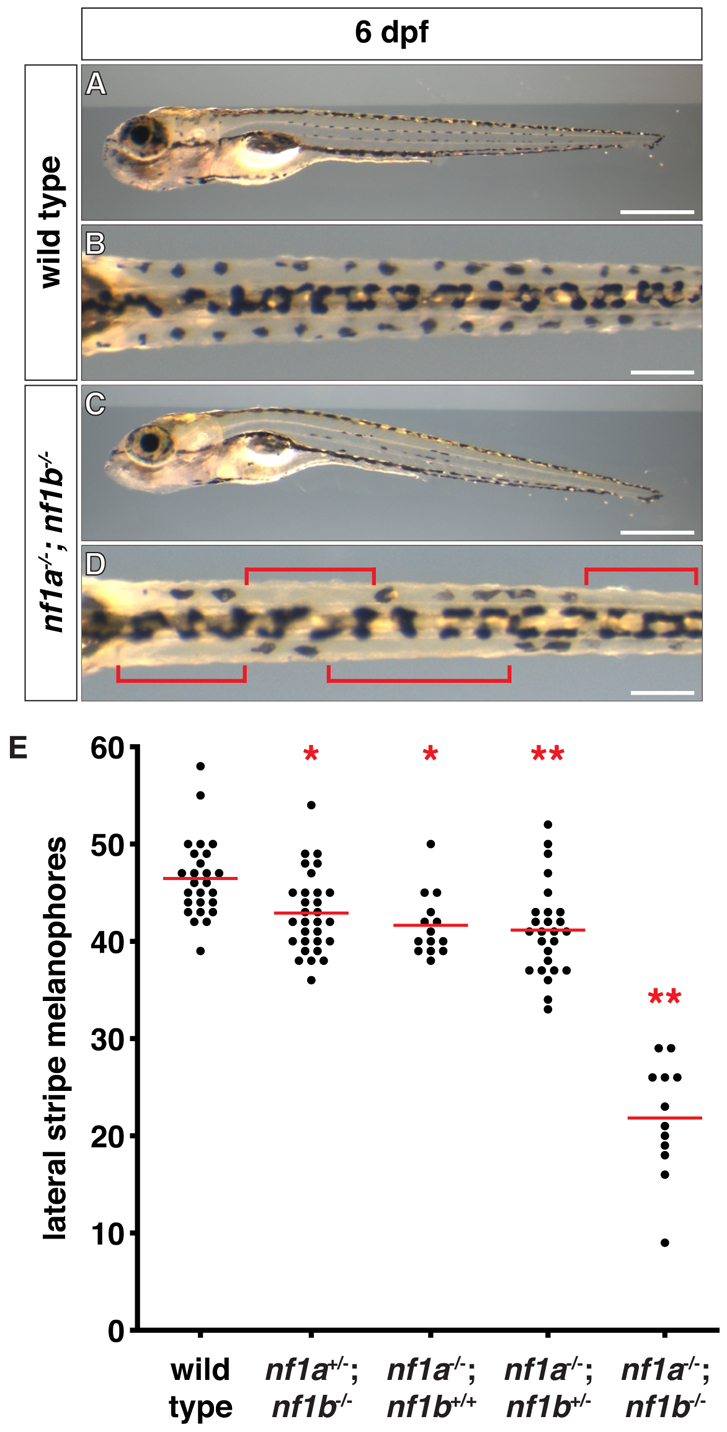
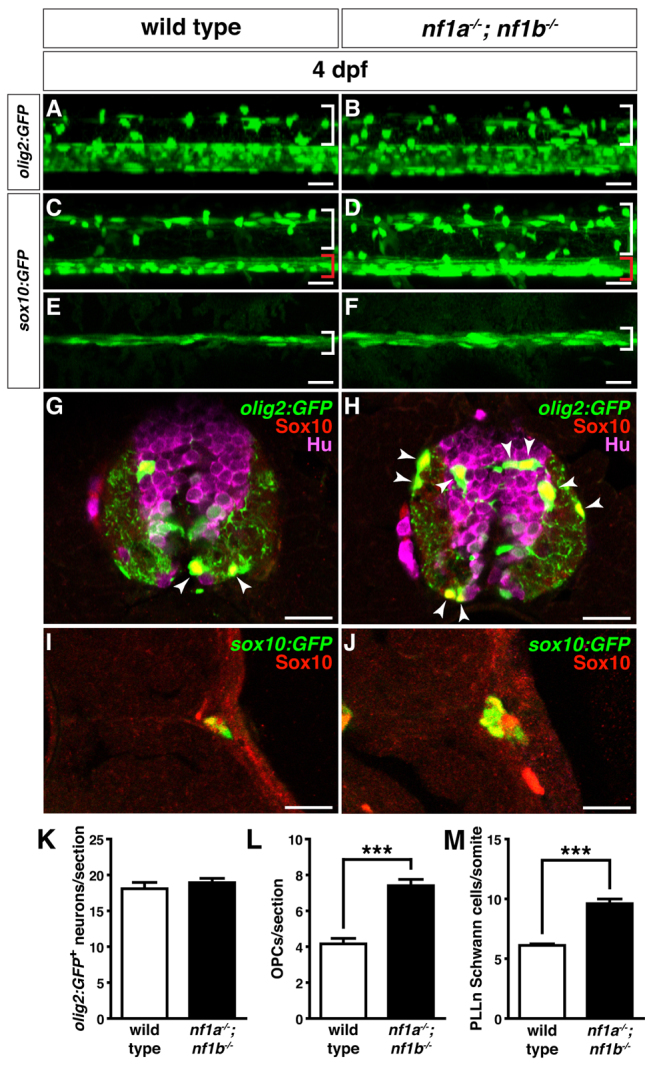
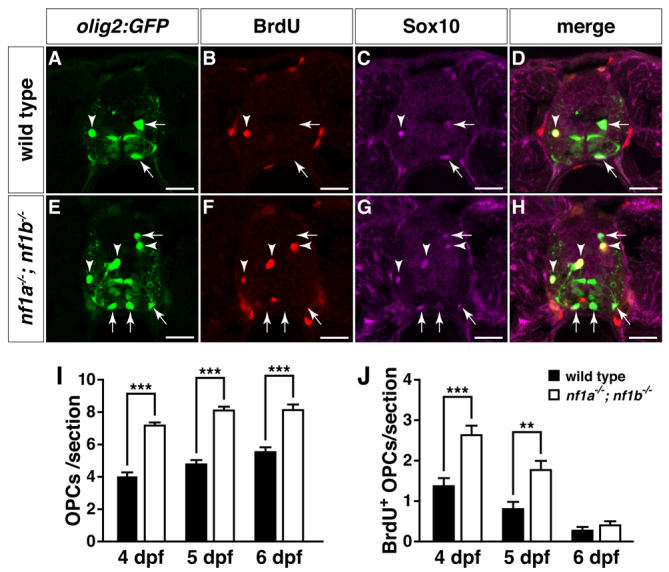
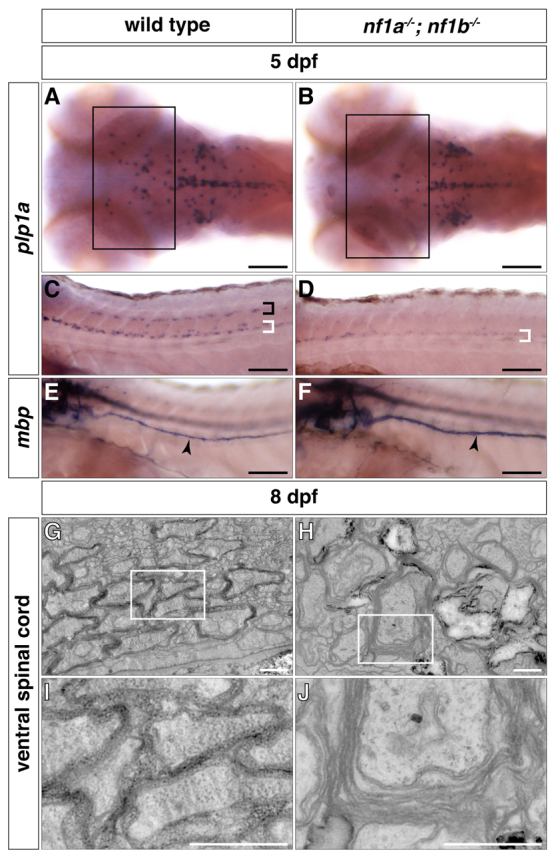
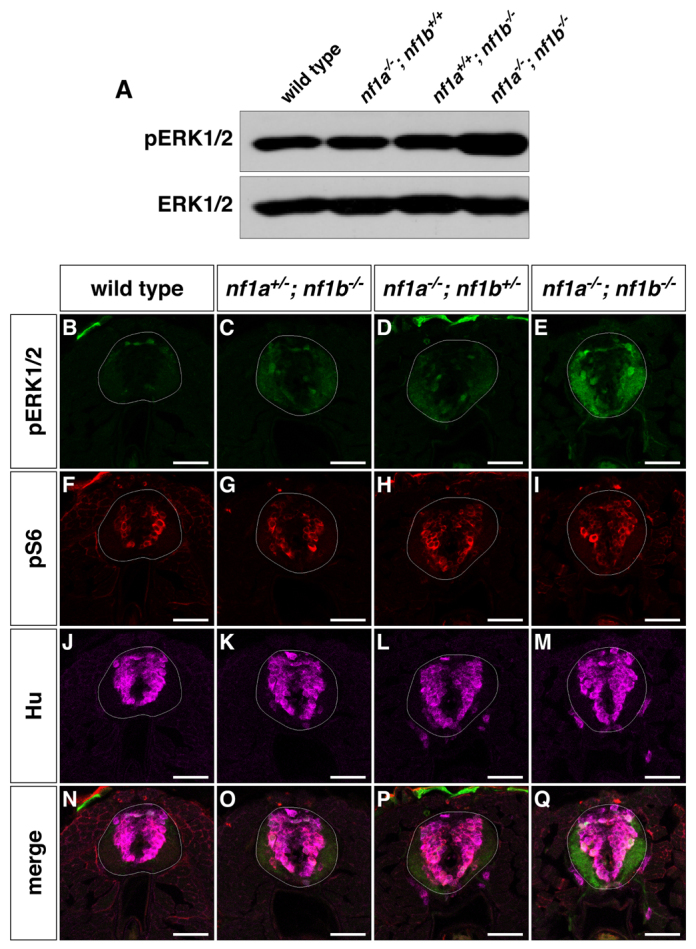
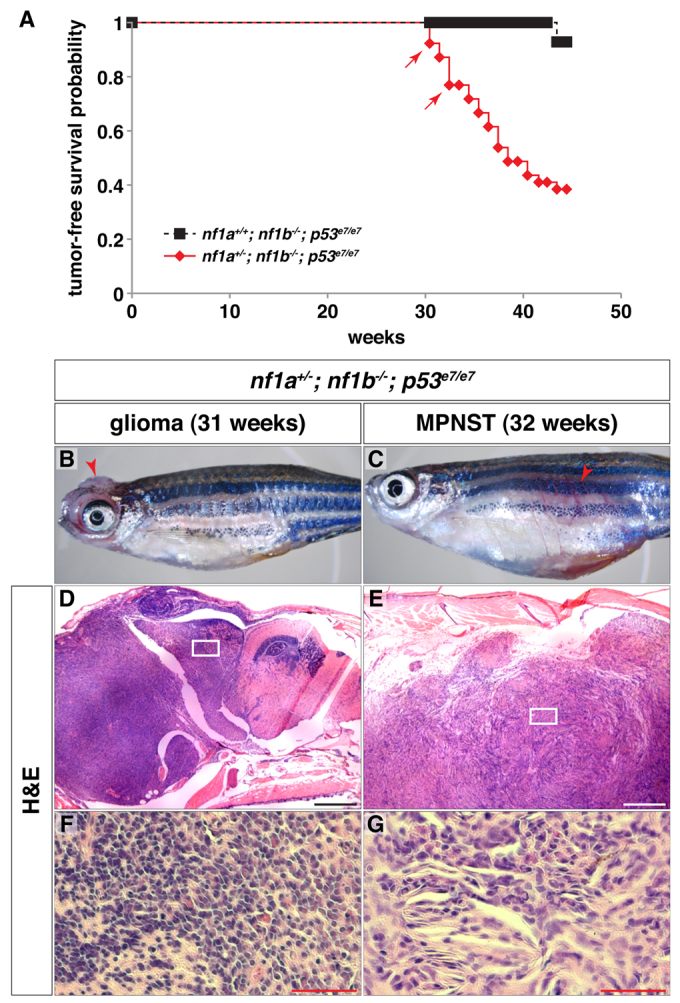
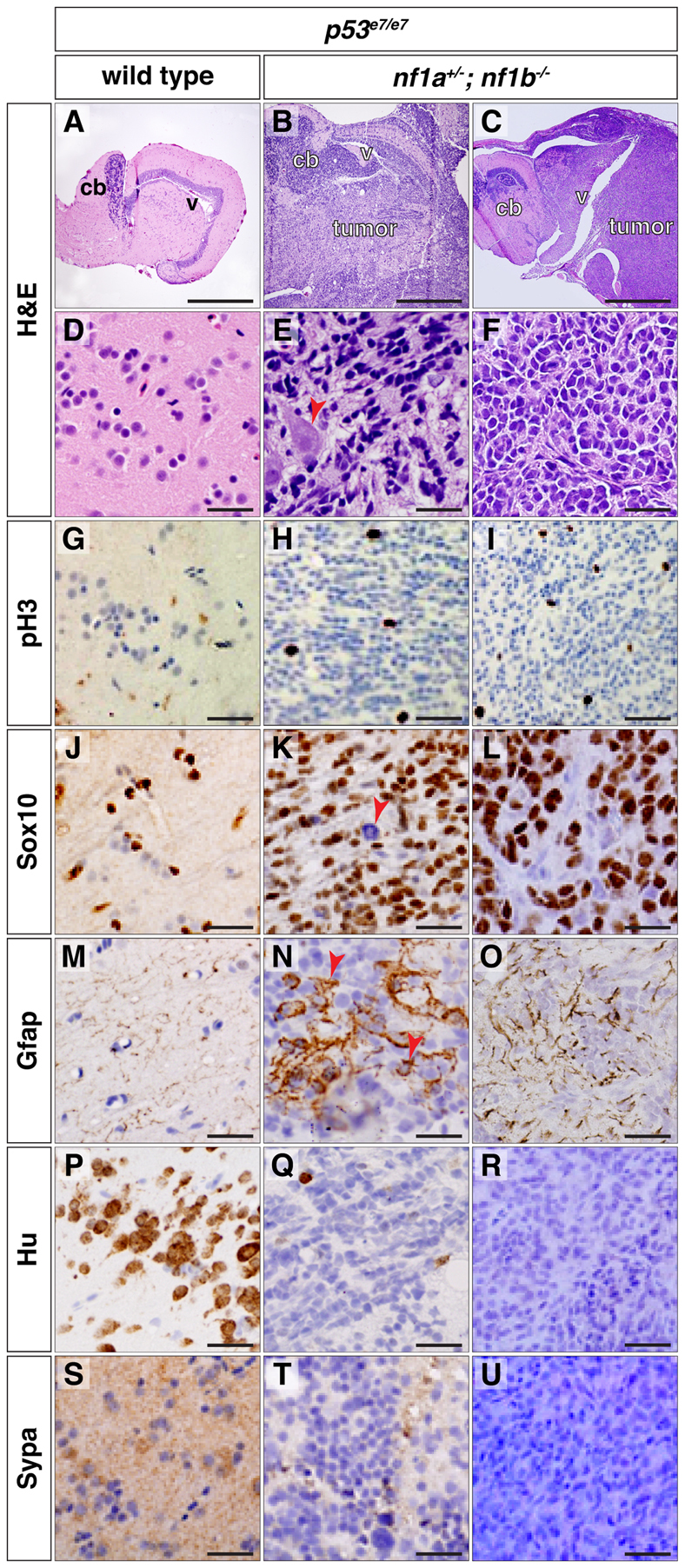
Neurofibromatosis type 1 (NF1) is a common, dominantly inherited genetic disorder that results from mutations in the neurofibromin 1 (NF1) gene. Affected individuals demonstrate abnormalities in neural-crest-derived tissues that include hyperpigmented skin lesions and benign peripheral nerve sheath tumors. NF1 patients also have a predisposition to malignancies including juvenile myelomonocytic leukemia (JMML), optic glioma, glioblastoma, schwannoma and malignant peripheral nerve sheath tumors (MPNSTs). In an effort to better define the molecular and cellular determinants of NF1 disease pathogenesis in vivo, we employed targeted mutagenesis strategies to generate zebrafish harboring stable germline mutations in nf1a and nf1b, orthologues of NF1. Animals homozygous for loss-of-function alleles of nf1a or nf1b alone are phenotypically normal and viable. Homozygous loss of both alleles in combination generates larval phenotypes that resemble aspects of the human disease and results in larval lethality between 7 and 10 days post fertilization. nf1-null larvae demonstrate significant central and peripheral nervous system defects. These include aberrant proliferation and differentiation of oligodendrocyte progenitor cells (OPCs), dysmorphic myelin sheaths and hyperplasia of Schwann cells. Loss of nf1 contributes to tumorigenesis as demonstrated by an accelerated onset and increased penetrance of high-grade gliomas and MPNSTs in adult nf1a(+/-); nf1b(-/-); p53(e7/e7) animals. nf1-null larvae also demonstrate significant motor and learning defects. Importantly, we identify and quantitatively analyze a novel melanophore phenotype in nf1-null larvae, providing the first animal model of the pathognomonic pigmentation lesions of NF1. Together, these findings support a role for nf1a and nf1b as potent tumor suppressor genes that also function in the development of both central and peripheral glial cells as well as melanophores in zebrafish.
神经纤维瘤病 1 型(NF1)是一种常见的、显性遗传的遗传疾病,由神经纤维瘤蛋白 1(NF1)基因突变引起。受影响的个体表现出神经嵴衍生组织的异常,包括色素沉着皮肤损伤和良性周围神经鞘肿瘤。NF1 患者也易患恶性肿瘤,包括幼年髓单核细胞白血病(JMML)、视神经胶质瘤、胶质母细胞瘤、许旺细胞瘤和恶性外周神经鞘肿瘤(MPNST)。为了更好地定义 NF1 疾病发病机制的分子和细胞决定因素,我们采用了靶向诱变策略,生成了携带 nf1a 和 nf1b 种系突变的斑马鱼,nf1a 和 nf1b 是 NF1 的同源物。nf1a 或 nf1b 功能丧失等位基因纯合的动物表型正常且存活。nf1a 和 nf1b 两个等位基因的纯合缺失会产生类似于人类疾病的幼虫表型,并导致受精后 7 至 10 天的幼虫死亡。nf1 缺失的幼虫表现出明显的中枢和周围神经系统缺陷。这些缺陷包括少突胶质前体细胞(OPC)的异常增殖和分化、形态异常的髓鞘和许旺细胞的增生。nf1 的缺失导致肿瘤发生,如在成年 nf1a(+/-);nf1b(-/-);p53(e7/e7)动物中,高级别胶质瘤和 MPNST 的发病时间提前且发生率增加。nf1 缺失的幼虫也表现出明显的运动和学习缺陷。重要的是,我们在 nf1 缺失的幼虫中发现并定量分析了一种新的黑素细胞表型,为 NF1 的标志性色素沉着损伤提供了首个动物模型。这些发现共同支持 nf1a 和 nf1b 作为有效的肿瘤抑制基因的作用,它们还在斑马鱼中枢和周围神经胶质细胞以及黑素细胞的发育中发挥作用。