Beijing Institute of Biotechnology, Beijing, China.
PLoS One. 2012;7(7):e40441. doi: 10.1371/journal.pone.0040441. Epub 2012 Jul 6.
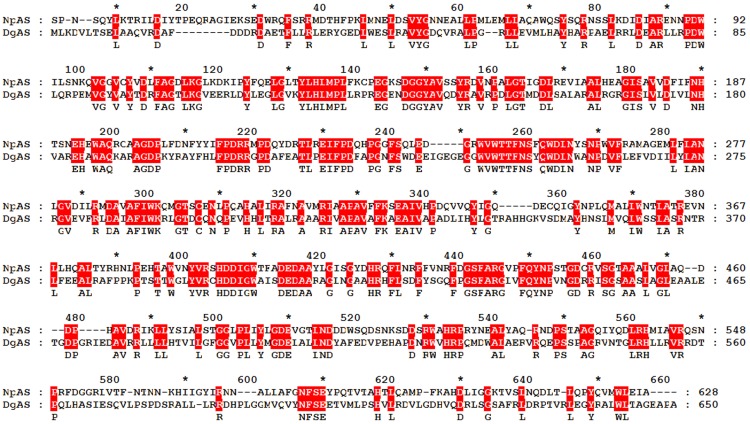
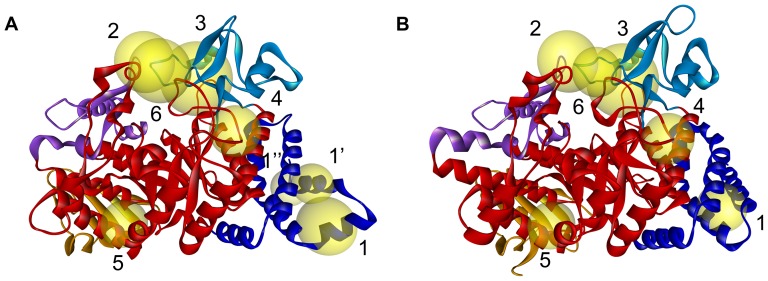
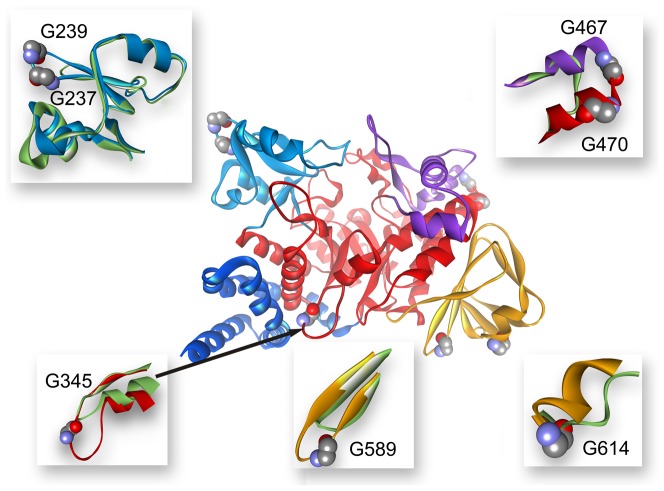
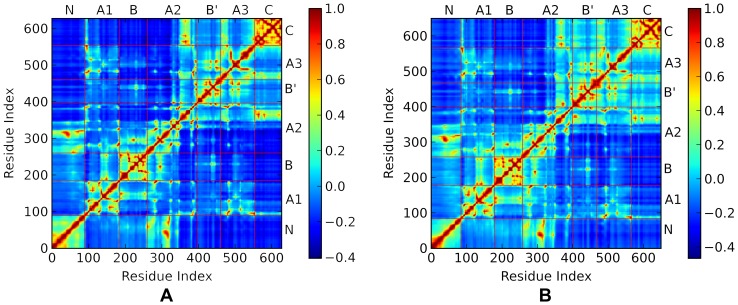
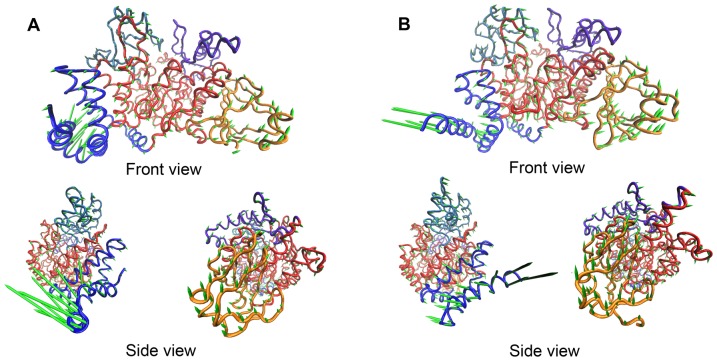
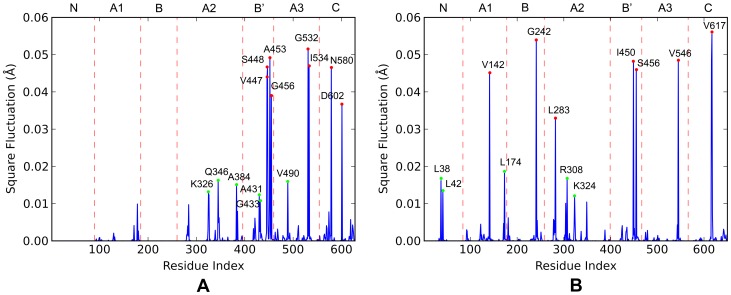
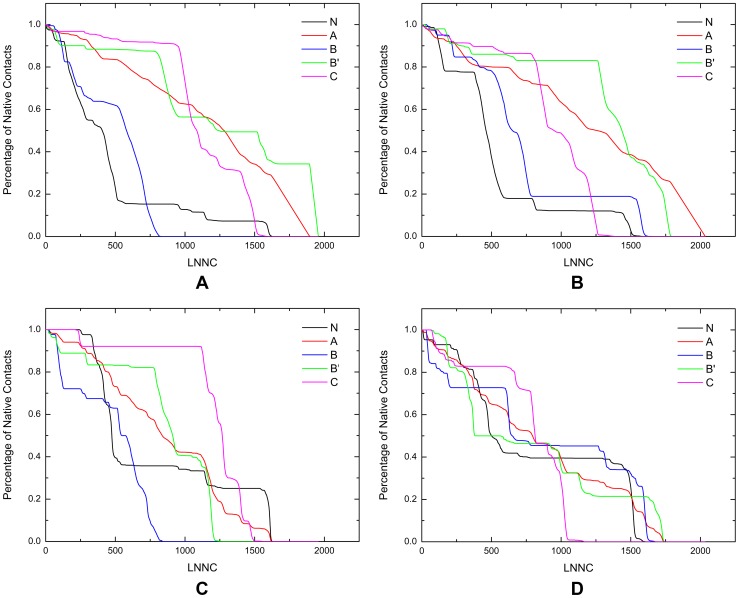
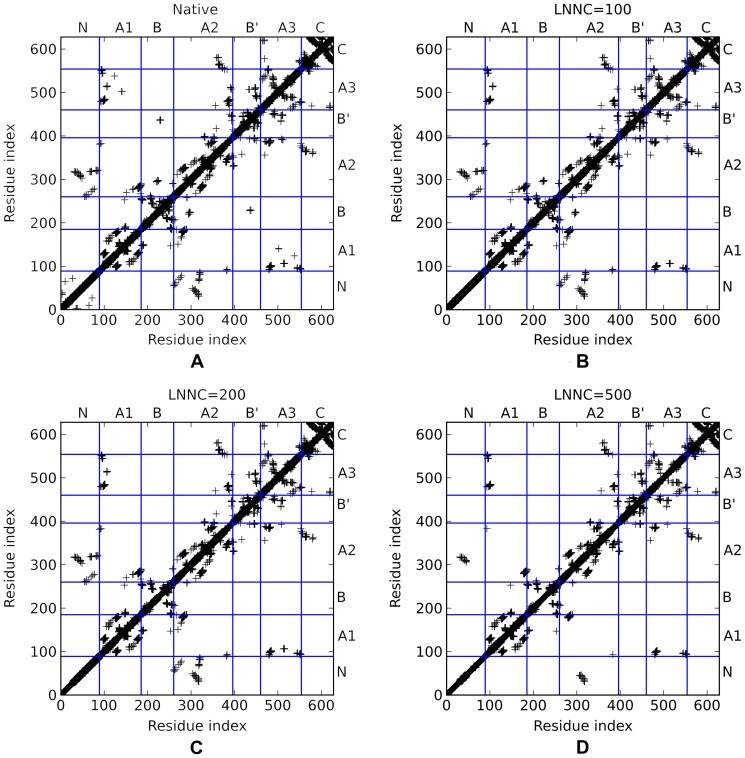
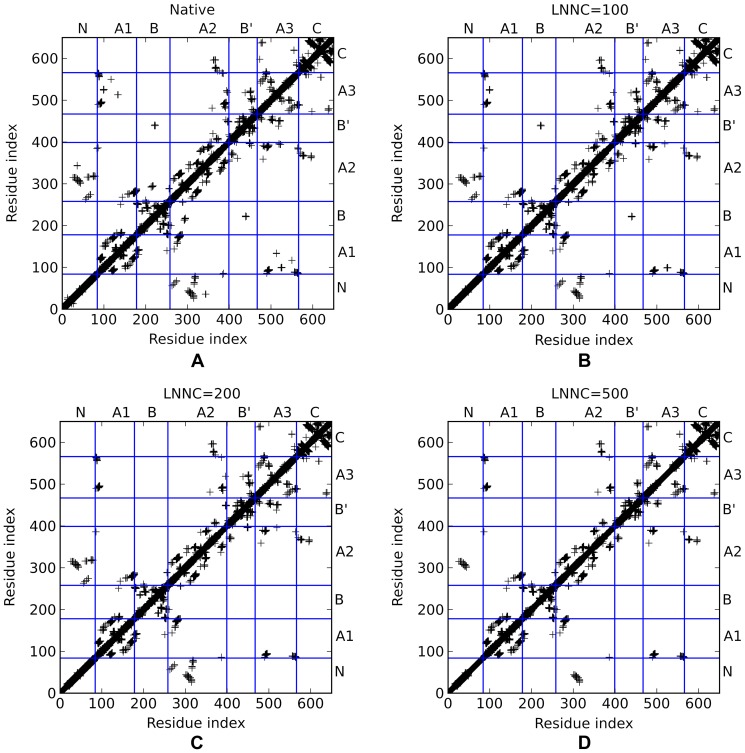
Amylosucrase (AS) is a kind of glucosyltransferases (E.C. 2.4.1.4) belonging to the Glycoside Hydrolase (GH) Family 13. In the presence of an activator polymer, in vitro, AS is able to catalyze the synthesis of an amylose-like polysaccharide composed of only α-1,4-linkages using sucrose as the only energy source. Unlike AS, other enzymes responsible for the synthesis of such amylose-like polymers require the addition of expensive nucleotide-activated sugars. These properties make AS an interesting enzyme for industrial applications. In this work, the structures and topology of the two AS were thoroughly investigated for the sake of explaining the reason why Deinococcus geothermalis amylosucrase (DgAS) is more stable than Neisseria polysaccharea amylosucrase (NpAS). Based on our results, there are two main factors that contribute to the superior thermostability of DgAS. On the one hand, DgAS holds some good structural features that may make positive contributions to the thermostability. On the other hand, the contacts among residues of DgAS are thought to be topologically more compact than those of NpAS. Furthermore, the dynamics and unfolding properties of the two AS were also explored by the gauss network model (GNM) and the anisotropic network model (ANM). According to the results of GNM and ANM, we have found that the two AS could exhibit a shear-like motion, which is probably associated with their functions. What is more, with the discovery of the unfolding pathway of the two AS, we can focus on the weak regions, and hence designing more appropriate mutations for the sake of thermostability engineering. Taking the results on structure, dynamics and unfolding properties of the two AS into consideration, we have predicted some novel mutants whose thermostability is possibly elevated, and hopefully these discoveries can be used as guides for our future work on rational design.
淀粉蔗糖酶(AS)是一种属于糖苷水解酶(GH)家族 13 的葡萄糖基转移酶(E.C. 2.4.1.4)。在激活剂聚合物的存在下,体外,AS 能够使用蔗糖作为唯一的能量来源,催化仅由α-1,4-键组成的类似于淀粉的多糖的合成。与 AS 不同,负责合成这种类似于淀粉的聚合物的其他酶需要添加昂贵的核苷酸激活糖。这些特性使 AS 成为工业应用的有趣酶。在这项工作中,为了解释为什么地热异常球菌淀粉蔗糖酶(DgAS)比多糖核球菌淀粉蔗糖酶(NpAS)更稳定,我们彻底研究了这两种 AS 的结构和拓扑结构。基于我们的结果,有两个主要因素有助于提高 DgAS 的热稳定性。一方面,DgAS 具有一些良好的结构特征,可能对热稳定性有积极贡献。另一方面,DgAS 残基之间的接触被认为在拓扑上比 NpAS 更紧凑。此外,我们还通过高斯网络模型(GNM)和各向异性网络模型(ANM)探索了这两种 AS 的动力学和展开特性。根据 GNM 和 ANM 的结果,我们发现这两种 AS 可以表现出剪切样运动,这可能与其功能有关。更重要的是,随着发现这两种 AS 的展开途径,我们可以关注薄弱区域,从而设计更合适的突变体以提高热稳定性。考虑到这两种 AS 的结构、动力学和展开特性的结果,我们预测了一些可能提高热稳定性的新型突变体,希望这些发现可以作为我们未来理性设计工作的指导。