Center for Infectious Diseases and Vaccinology, The Biodesign Institute, Arizona State University, Tempe, Arizona, United States of America.
PLoS One. 2012;7(7):e40645. doi: 10.1371/journal.pone.0040645. Epub 2012 Jul 6.
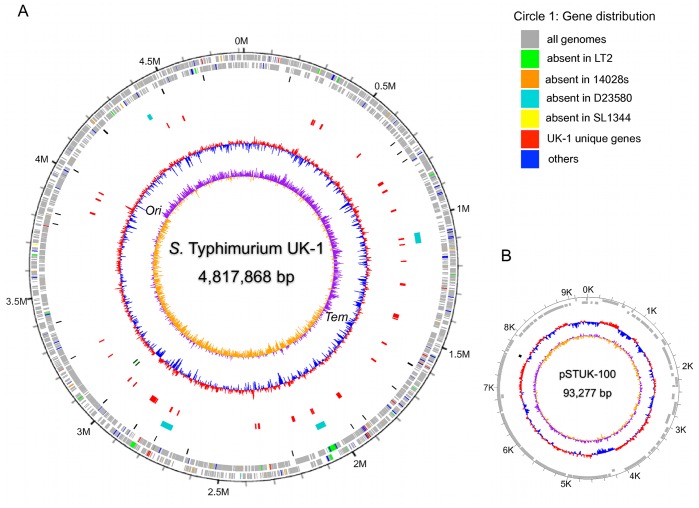
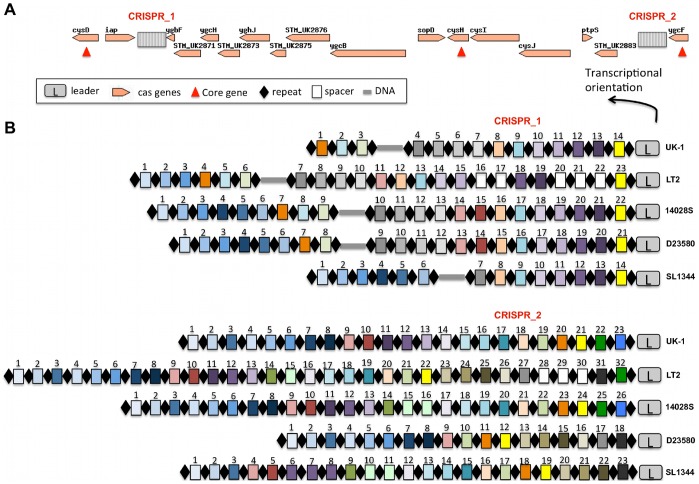
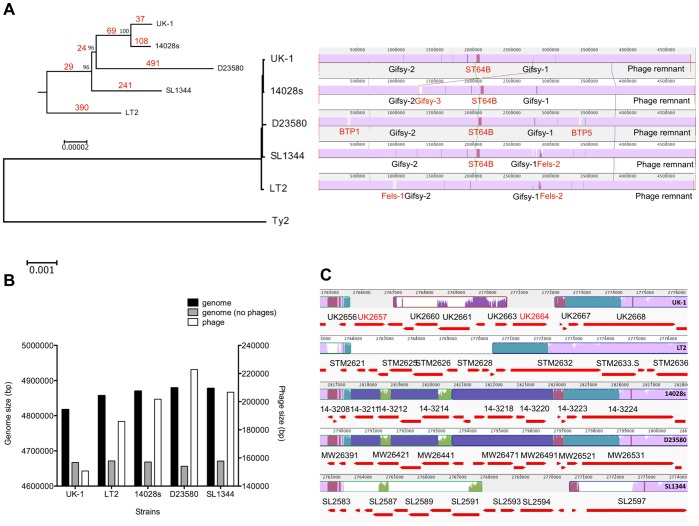
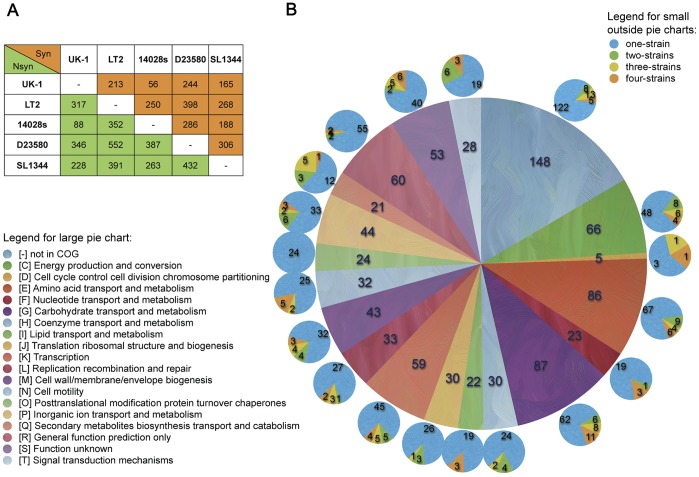
Salmonella enterica serovar Typhimurium, a gram-negative facultative rod-shaped bacterium causing salmonellosis and foodborne disease, is one of the most common isolated Salmonella serovars in both developed and developing nations. Several S. Typhimurium genomes have been completed and many more genome-sequencing projects are underway. Comparative genome analysis of the multiple strains leads to a better understanding of the evolution of S. Typhimurium and its pathogenesis. S. Typhimurium strain UK-1 (belongs to phage type 1) is highly virulent when orally administered to mice and chickens and efficiently colonizes lymphoid tissues of these species. These characteristics make this strain a good choice for use in vaccine development. In fact, UK-1 has been used as the parent strain for a number of nonrecombinant and recombinant vaccine strains, including several commercial vaccines for poultry. In this study, we conducted a thorough comparative genome analysis of the UK-1 strain with other S. Typhimurium strains and examined the phenotypic impact of several genomic differences. Whole genomic comparison highlights an extremely close relationship between the UK-1 strain and other S. Typhimurium strains; however, many interesting genetic and genomic variations specific to UK-1 were explored. In particular, the deletion of a UK-1-specific gene that is highly similar to the gene encoding the T3SS effector protein NleC exhibited a significant decrease in oral virulence in BALB/c mice. The complete genetic complements in UK-1, especially those elements that contribute to virulence or aid in determining the diversity within bacterial species, provide key information in evaluating the functional characterization of important genetic determinants and for development of vaccines.
鼠伤寒沙门氏菌血清型 Typhimurium 是一种革兰氏阴性兼性杆状细菌,可引起沙门氏菌病和食源性疾病,是发达国家和发展中国家最常见的分离沙门氏菌血清型之一。已经完成了几个鼠伤寒沙门氏菌基因组,并且还有更多的基因组测序项目正在进行中。对多个菌株进行比较基因组分析,可以更好地了解鼠伤寒沙门氏菌的进化及其发病机制。当经口给予小鼠和鸡时,鼠伤寒沙门氏菌 UK-1 株(属于噬菌体型 1)具有高度毒力,并能有效地定植于这些物种的淋巴组织。这些特性使该菌株成为疫苗开发的理想选择。事实上,UK-1 已被用作许多非重组和重组疫苗株的亲本菌株,包括几种用于家禽的商业疫苗。在这项研究中,我们对 UK-1 菌株与其他鼠伤寒沙门氏菌菌株进行了全面的比较基因组分析,并研究了几个基因组差异对表型的影响。全基因组比较突出了 UK-1 菌株与其他鼠伤寒沙门氏菌菌株之间极其密切的关系;然而,探索了许多与 UK-1 特异性相关的有趣的遗传和基因组变异。特别是,删除一个与编码 T3SS 效应蛋白 NleC 高度相似的 UK-1 特异性基因,导致 UK-1 在 BALB/c 小鼠中的口服毒力显著降低。UK-1 中的完整遗传互补,特别是那些有助于毒力或有助于确定细菌物种内多样性的元素,为评估重要遗传决定因素的功能特征和疫苗开发提供了关键信息。