Department of Chemical and Biomedical Engineering, University of South Florida, Tampa, Florida, USA.
Int J Nanomedicine. 2012;7:2411-9. doi: 10.2147/IJN.S27328. Epub 2012 Jun 25.
Doxycycline, a broad-spectrum antibiotic, is the most commonly prescribed antibiotic worldwide for treating infectious diseases. It may be delivered orally or intravenously but can lead to gastrointestinal irritation and local inflammation. For treatment of uterine infections, transcervical administration of doxycycline encapsulated in nanoparticles made of biodegradable chitosan may improve sustained delivery of the drug, thereby minimizing adverse effects and improving drug efficacy.
As a first step toward assessing this potential, we used an ionic gelation method to synthesize blank and doxycycline-loaded chitosan nanoparticles (DCNPs), which we then characterized in terms of several properties relevant to clinical efficacy: particle size, shape, encapsulation efficiency, antibacterial activity, and in vitro cytotoxicity. Two particle formulations were examined, with one (named DCNP6) containing approximately 1.5 times the crosslinker concentration of the other (DCNP4).
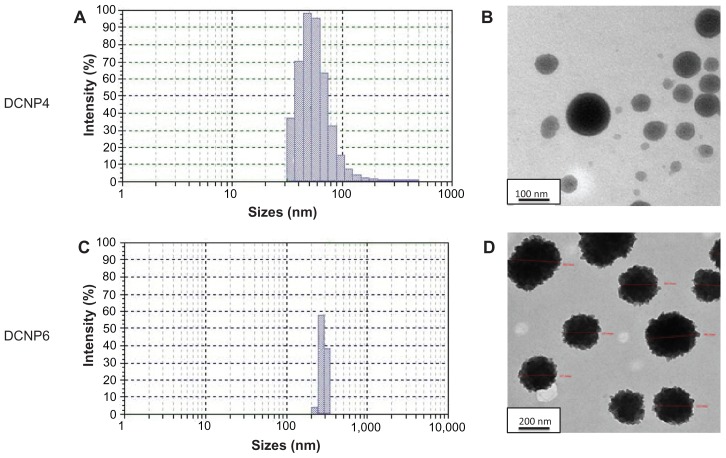
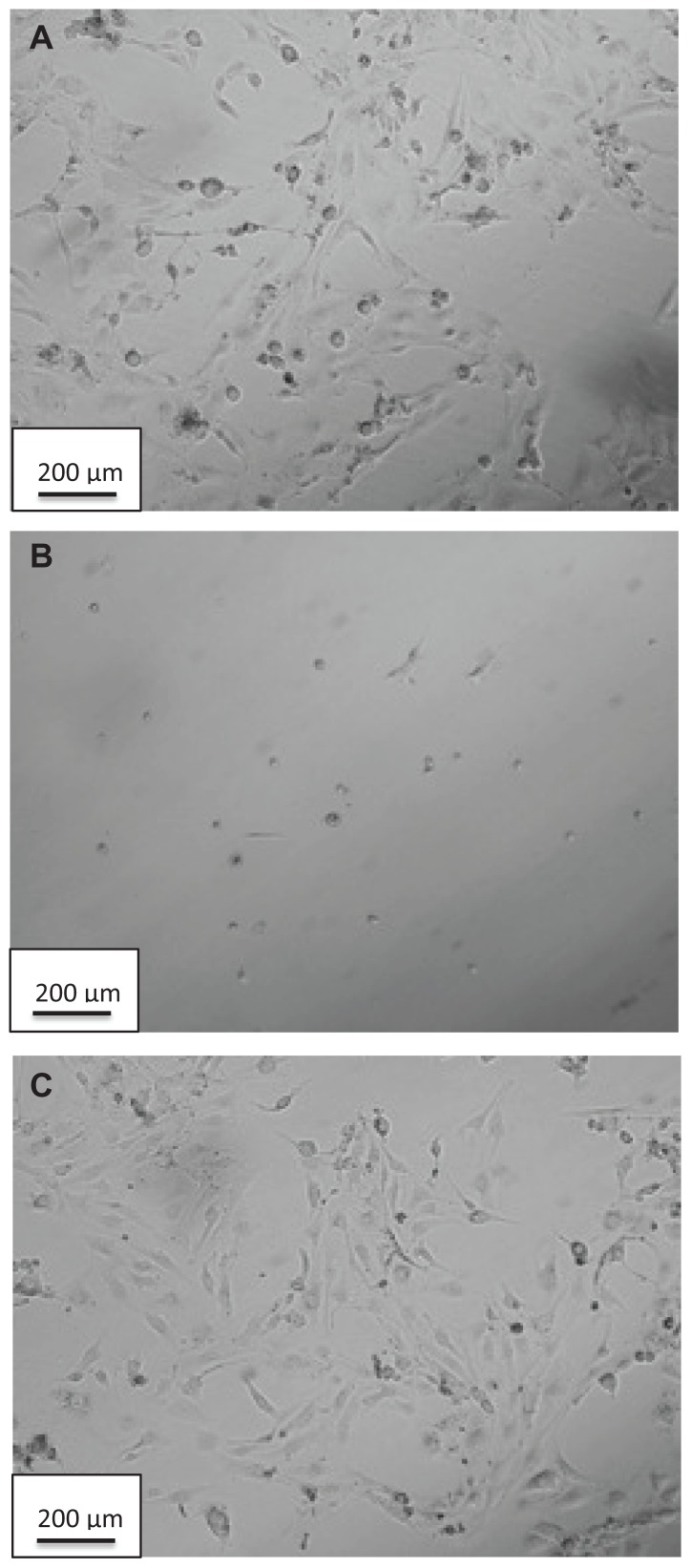
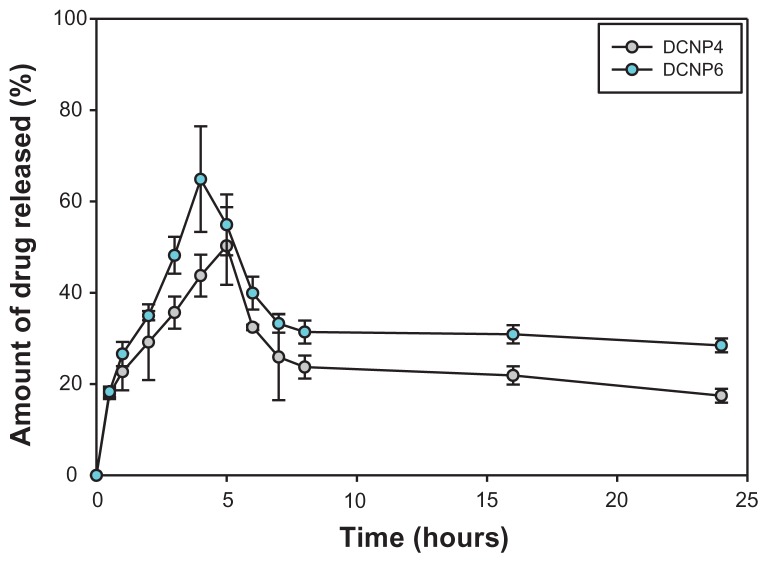
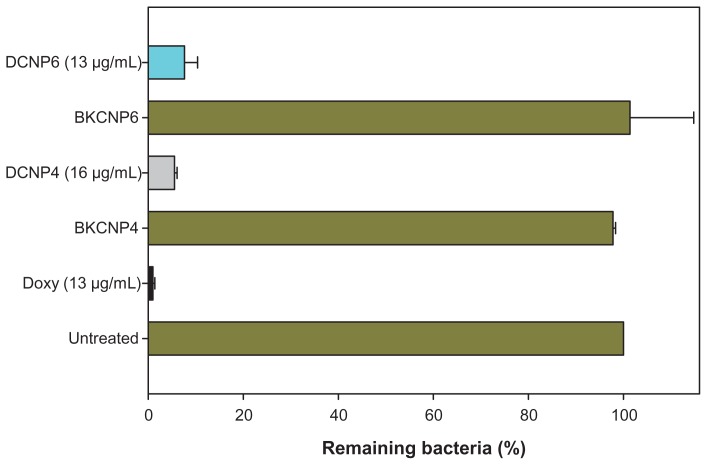
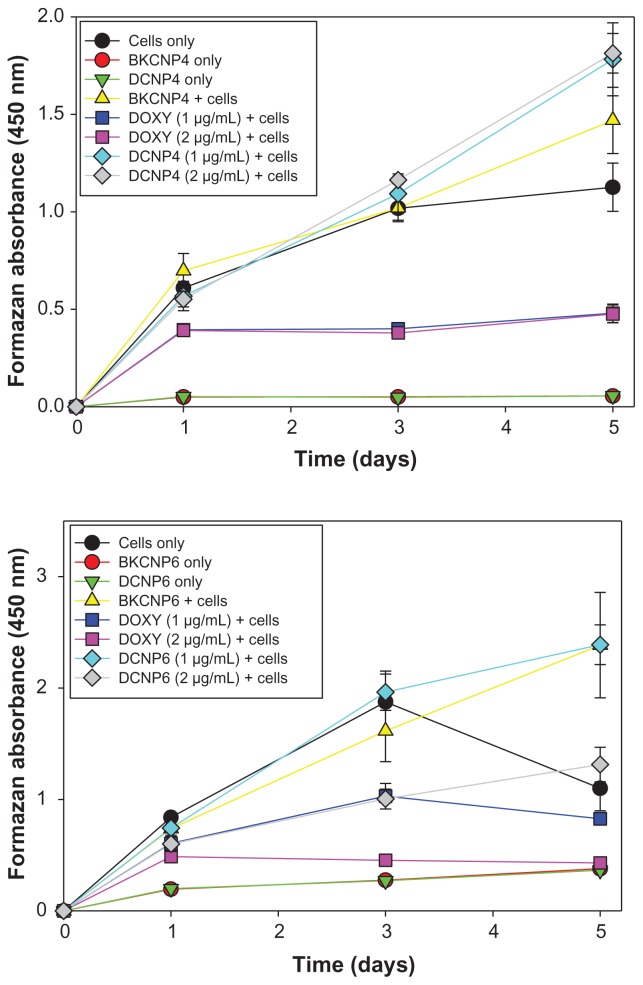
The two formulations produced spherically shaped drug-loaded nanoparticles. The spheres ranged in size from 30 to 220 nm diameter for DCNP4 and 200 to 320 nm diameter for DCNP6. Average encapsulation yield was 53% for DCNP4 and 56% for DCNP6. In terms of drug release, both formulations showed a burst effect within the first 4 to 5 hours, followed by a slow, sustained release for the remainder of the 24-hour monitoring period. The in vitro antibacterial activity against Escherichia coli was high, with both formulations achieving more than 90% inhibition of 4-hour bacterial growth. Cytotoxic effects of the DCNPs on normal human ovarian surface epithelial cells were significantly lower than those of unencapsulated doxycycline. After 5 days, cultures exposed to the unencapsulated antibiotic showed a 61% decrease in cell viability, while cultures exposed to the DCNPs exhibited less than a 10% decrease.
These laboratory results suggest that DCNPs show preliminary promise for possible eventual use in transcervical drug delivery and improved efficacy in the treatment of bacterial uterine infections.
多西环素是一种广谱抗生素,是全球治疗感染性疾病最常开的抗生素。它可以口服或静脉注射,但会导致胃肠道刺激和局部炎症。为了治疗子宫感染,将包埋在生物可降解壳聚糖纳米粒子中的多西环素经宫颈给药可能会改善药物的持续释放,从而最大限度地减少不良反应并提高药物疗效。
作为评估这种潜力的第一步,我们使用离子凝胶化方法合成了空白和载多西环素的壳聚糖纳米粒子(DCNP),并从与临床疗效相关的几个方面对其进行了表征:粒径、形状、包封效率、抗菌活性和体外细胞毒性。我们检查了两种粒子配方,其中一种(命名为 DCNP6)的交联剂浓度大约是另一种(DCNP4)的 1.5 倍。
两种配方均产生了球形载药纳米粒子。这些球的直径范围为 30 至 220nm(DCNP4)和 200 至 320nm(DCNP6)。DCNP4 的平均包封率为 53%,DCNP6 的为 56%。就药物释放而言,两种配方在最初的 4 到 5 小时内均表现出爆发效应,随后在 24 小时监测期的其余时间内缓慢持续释放。对大肠杆菌的体外抗菌活性很高,两种配方均实现了超过 90%的 4 小时细菌生长抑制。DCNP 对正常人类卵巢表面上皮细胞的细胞毒性明显低于未包封的多西环素。在 5 天后,暴露于未包封抗生素的培养物的细胞活力降低了 61%,而暴露于 DCNP 的培养物的细胞活力降低不到 10%。
这些实验室结果表明,DCNP 有望最终用于经宫颈递药,并提高治疗细菌性子宫感染的疗效。