University of Leuven (KU Leuven), Laboratory of Experimental Psychology, Tiensestraat 102, box 3711, BE-3000 Leuven, Belgium.
Psychol Bull. 2012 Nov;138(6):1218-52. doi: 10.1037/a0029334. Epub 2012 Jul 30.
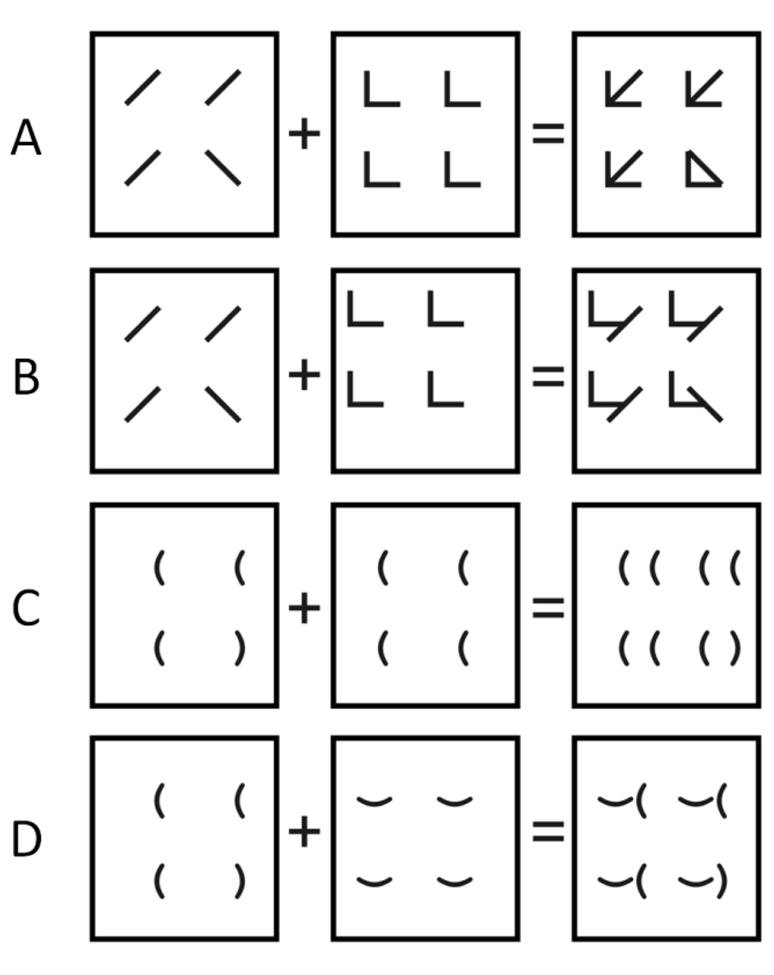
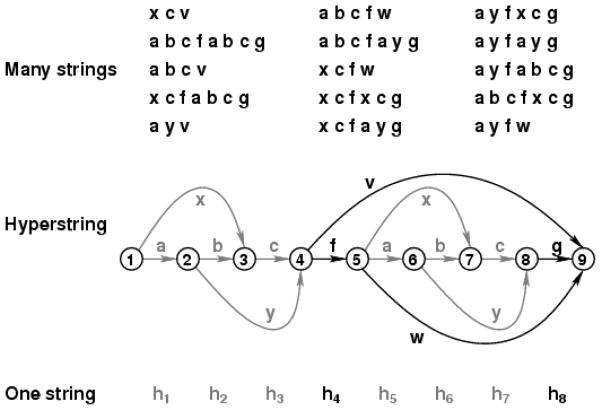
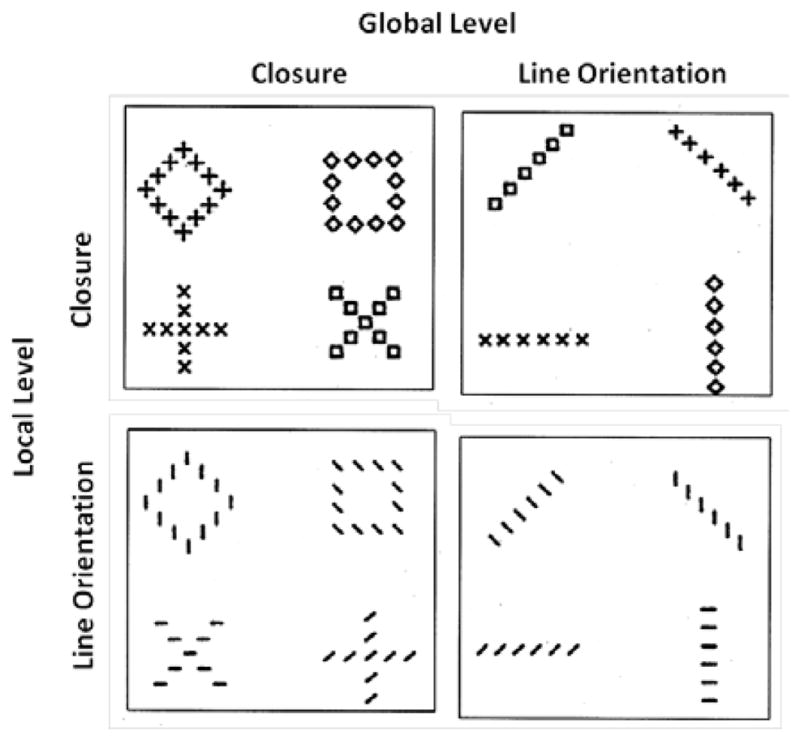
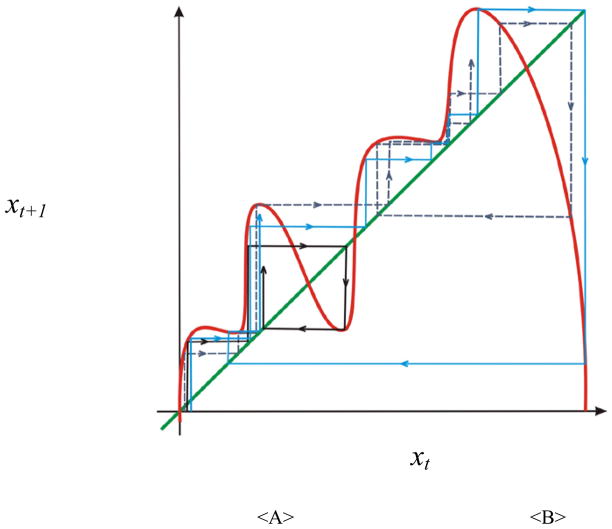
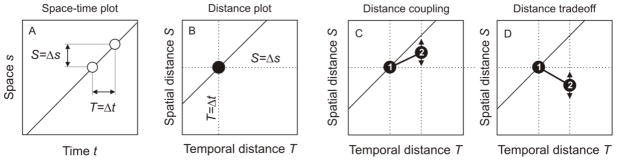
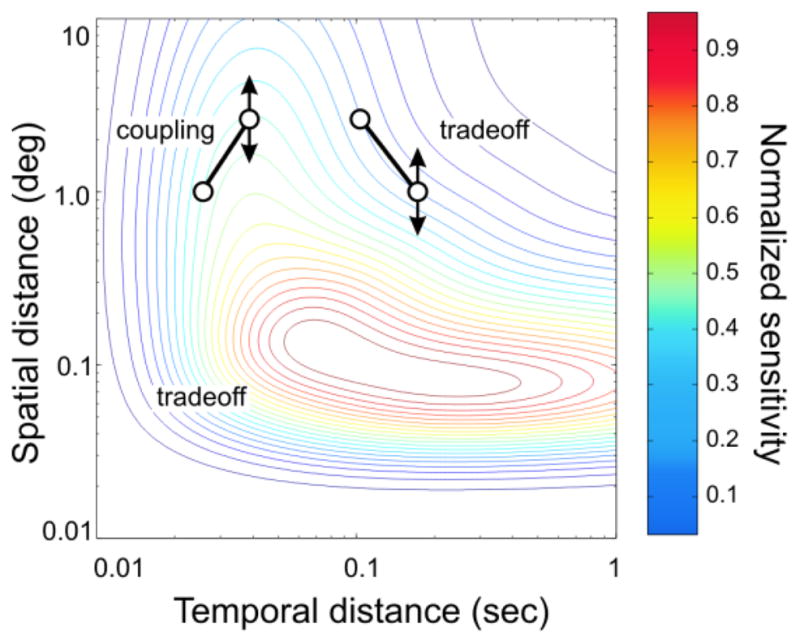
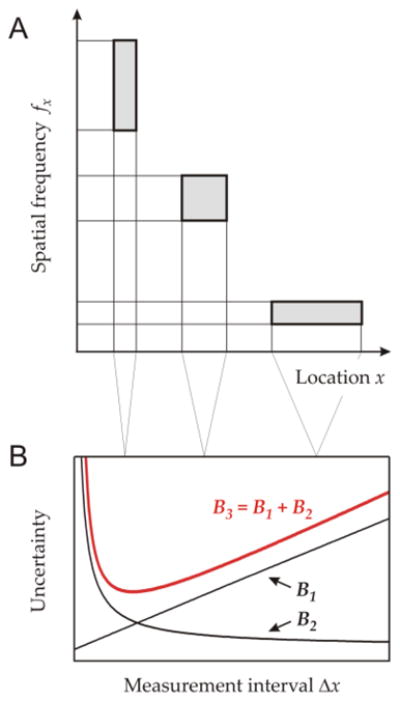
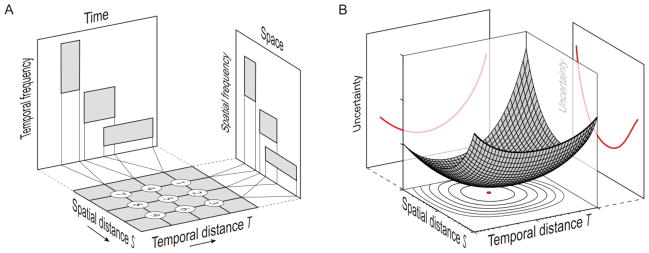
Our first review article (Wagemans et al., 2012) on the occasion of the centennial anniversary of Gestalt psychology focused on perceptual grouping and figure-ground organization. It concluded that further progress requires a reconsideration of the conceptual and theoretical foundations of the Gestalt approach, which is provided here. In particular, we review contemporary formulations of holism within an information-processing framework, allowing for operational definitions (e.g., integral dimensions, emergent features, configural superiority, global precedence, primacy of holistic/configural properties) and a refined understanding of its psychological implications (e.g., at the level of attention, perception, and decision). We also review 4 lines of theoretical progress regarding the law of Prägnanz-the brain's tendency of being attracted towards states corresponding to the simplest possible organization, given the available stimulation. The first considers the brain as a complex adaptive system and explains how self-organization solves the conundrum of trading between robustness and flexibility of perceptual states. The second specifies the economy principle in terms of optimization of neural resources, showing that elementary sensors working independently to minimize uncertainty can respond optimally at the system level. The third considers how Gestalt percepts (e.g., groups, objects) are optimal given the available stimulation, with optimality specified in Bayesian terms. Fourth, structural information theory explains how a Gestaltist visual system that focuses on internal coding efficiency yields external veridicality as a side effect. To answer the fundamental question of why things look as they do, a further synthesis of these complementary perspectives is required.
我们的第一篇评论文章(Wagemans 等人,2012 年)是在格式塔心理学百年纪念之际发表的,重点关注感知分组和图形-背景组织。它得出的结论是,进一步的进展需要重新考虑格式塔方法的概念和理论基础,本文提供了这方面的内容。特别是,我们在信息处理框架内回顾了整体论的当代表述,允许进行操作定义(例如,整体维度、涌现特征、组态优势、整体优先、整体/组态属性的首要性),并更深入地理解其心理含义(例如,在注意力、感知和决策层面)。我们还回顾了关于 Prägnanz 法则的 4 条理论进展线——大脑倾向于被吸引到与给定刺激下最简单的组织相对应的状态。第一条线将大脑视为复杂适应系统,并解释了自我组织如何解决在感知状态的稳健性和灵活性之间进行交易的难题。第二条线根据神经资源的优化来具体说明经济原则,表明独立工作以最小化不确定性的基本传感器可以在系统层面上做出最佳响应。第三条线考虑了如何根据可用刺激来获得最佳的格式塔知觉(例如,分组、物体),并以贝叶斯术语来指定最优性。第四,结构信息理论解释了为什么一个专注于内部编码效率的格式塔视觉系统会产生外部真实性作为副作用。为了回答为什么事物看起来如此的基本问题,需要对这些互补观点进行进一步的综合。