Renal Replacement Therapy, Division of Nephrology, Nagoya University Graduate School of Medicine, 65 Tsurumai-cho, Showa-ku, Nagoya 466-8550, Japan.
Complement Biology Group, Institute of Infection and Immunology, School of Medicine, Cardiff University, Cardiff CF14 4XN, UK.
Mar Drugs. 2012 Jul;10(7):1582-1604. doi: 10.3390/md10071582. Epub 2012 Jul 23.
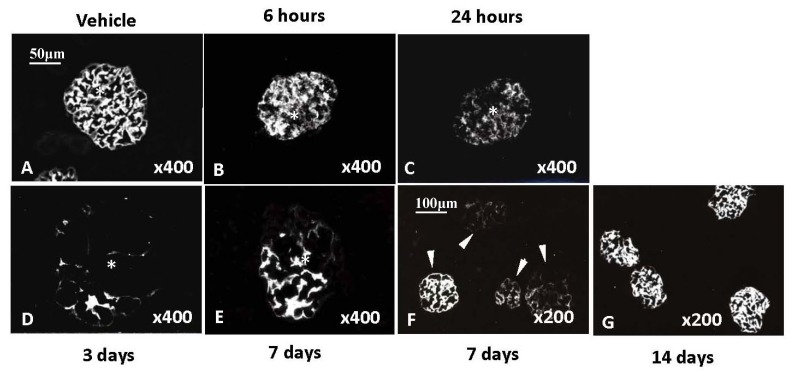
In the natural world, there are many creatures with venoms that have interesting and varied activities. Although the sea anemone, a member of the phylum Coelenterata, has venom that it uses to capture and immobilise small fishes and shrimp and for protection from predators, most sea anemones are harmless to man. However, a few species are highly toxic; some have venoms containing neurotoxins, recently suggested as potential immune-modulators for therapeutic application in immune diseases. Phyllodiscus semoni is a highly toxic sea anemone; the venom has multiple effects, including lethality, hemolysis and renal injuries. We previously reported that venom extracted from Phyllodiscus semoni induced acute glomerular endothelial injuries in rats resembling hemolytic uremic syndrome (HUS), accompanied with complement dysregulation in glomeruli and suggested that the model might be useful for analyses of pathology and development of therapeutic approaches in HUS. In this mini-review, we describe in detail the venom-induced acute renal injuries in rat and summarize how the venom of Phyllodiscus semoni could have potential as a tool for analyses of complement activation and therapeutic interventions in HUS.
在自然界中,有许多具有毒液的生物,它们的毒液具有有趣多样的活性。海葵是腔肠动物门的一员,它的毒液用于捕获和固定小鱼和虾,并保护自己免受捕食者的侵害,但大多数海葵对人类是无害的。然而,有少数几种毒性很高;有些毒液含有神经毒素,最近被认为是治疗免疫性疾病的潜在免疫调节剂。海葵 Phyllodiscus semoni 是一种剧毒海葵;毒液具有多种作用,包括致死性、溶血和肾损伤。我们之前曾报道过,从 Phyllodiscus semoni 中提取的毒液会在大鼠中引起类似于溶血尿毒综合征 (HUS) 的急性肾小球内皮损伤,同时肾小球中的补体失调,并表明该模型可能有助于分析 HUS 的病理学和治疗方法的发展。在这篇迷你综述中,我们详细描述了海葵毒液引起的大鼠急性肾损伤,并总结了 Phyllodiscus semoni 毒液如何可能成为分析补体激活和治疗 HUS 干预措施的工具。