Music College, Shanghai Normal University, Shanghai, China.
PLoS One. 2012;7(7):e41411. doi: 10.1371/journal.pone.0041411. Epub 2012 Jul 27.
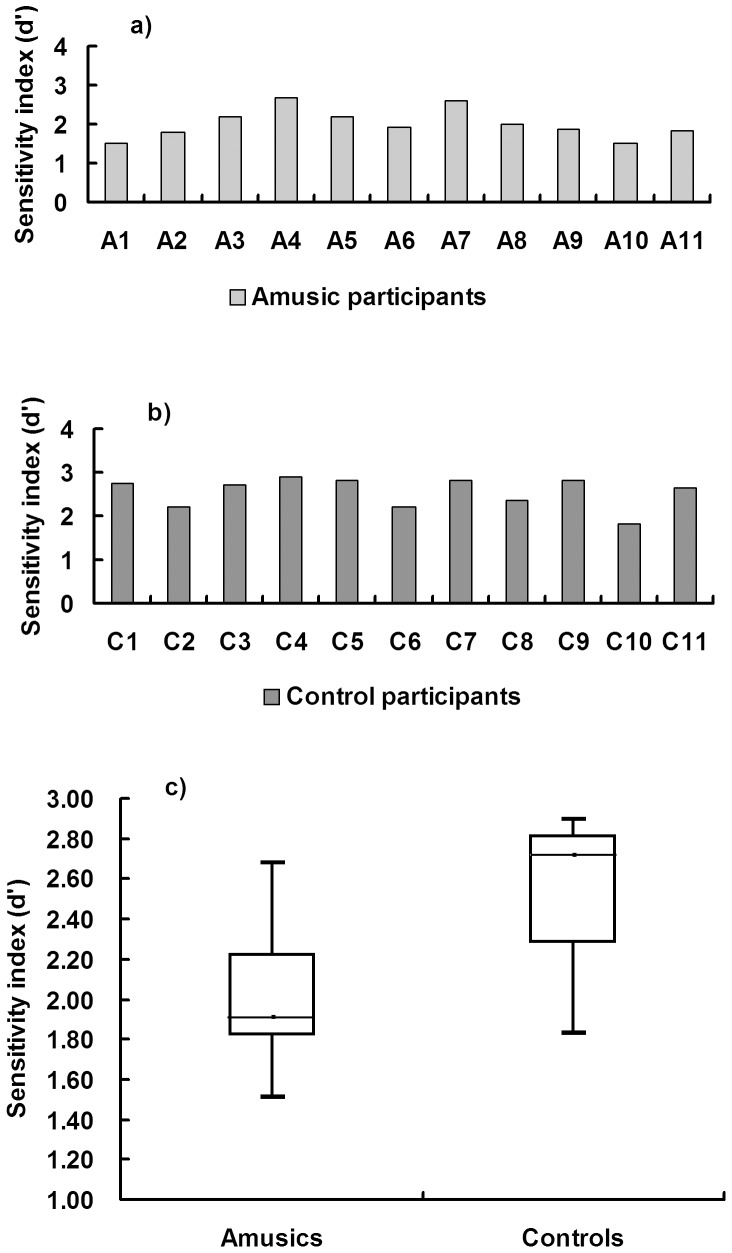
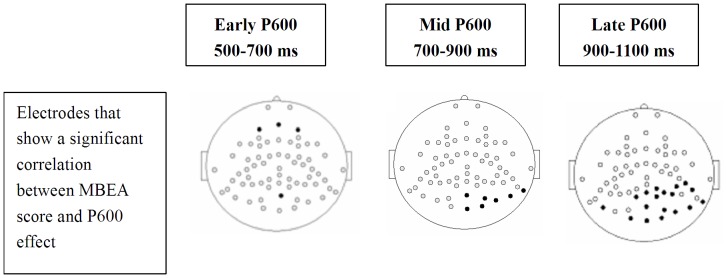
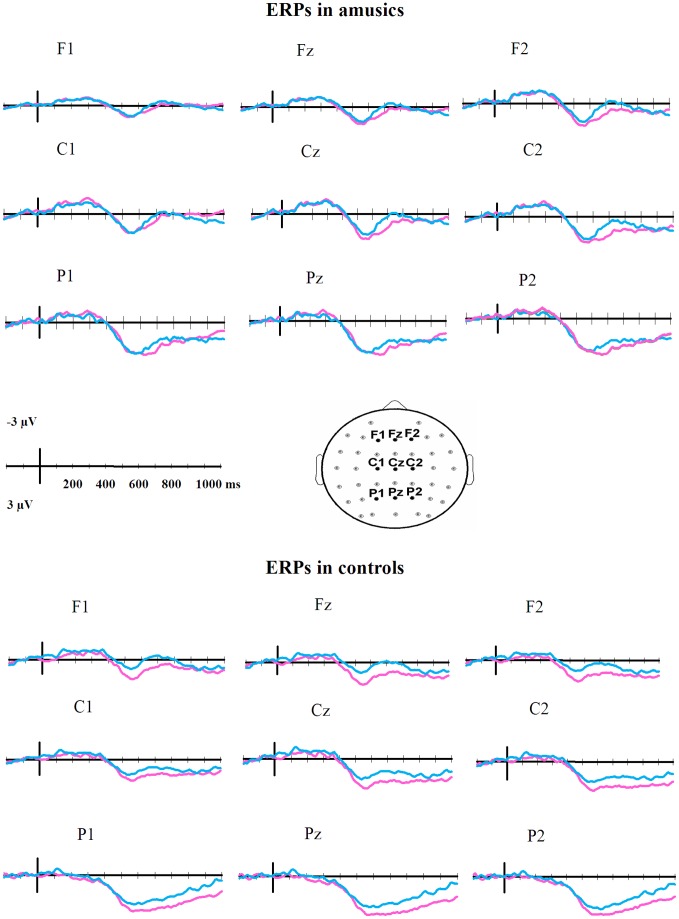
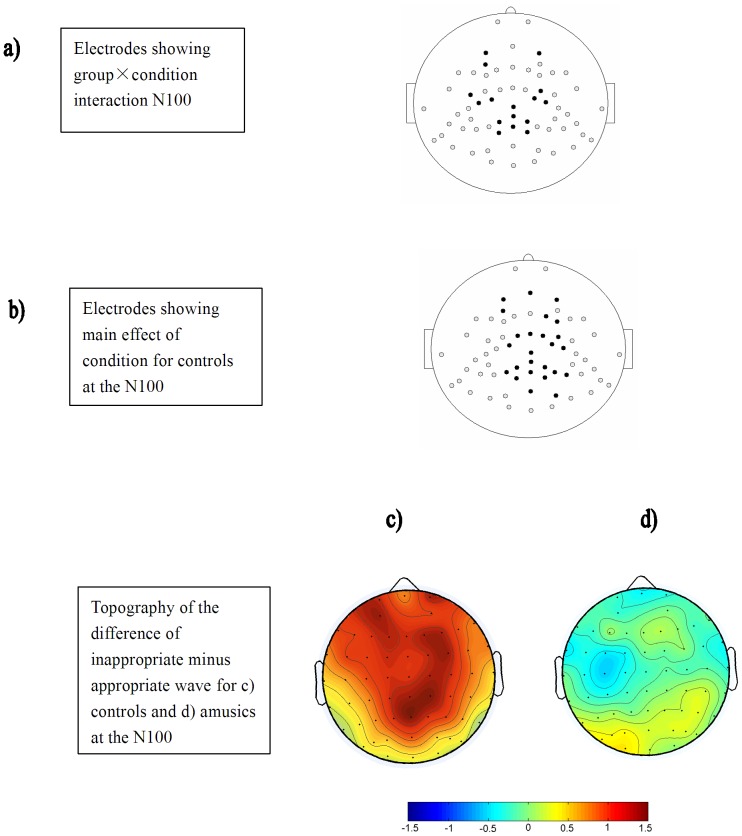
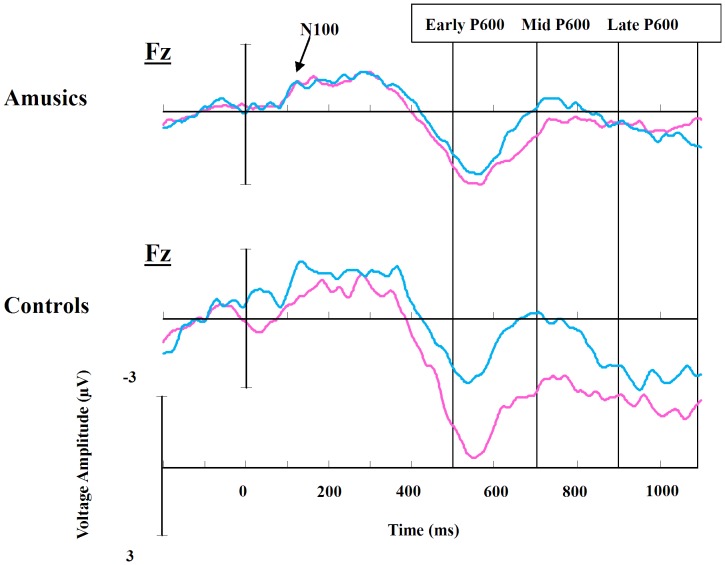
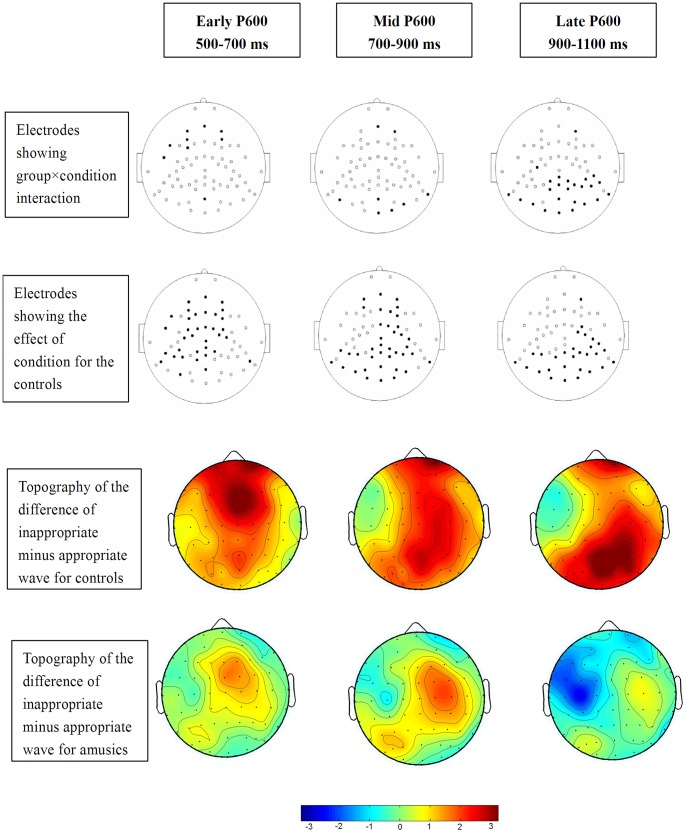
Pitch processing is a critical ability on which humans' tonal musical experience depends, and which is also of paramount importance for decoding prosody in speech. Congenital amusia refers to deficits in the ability to properly process musical pitch, and recent evidence has suggested that this musical pitch disorder may impact upon the processing of speech sounds. Here we present the first electrophysiological evidence demonstrating that individuals with amusia who speak Mandarin Chinese are impaired in classifying prosody as appropriate or inappropriate during a speech comprehension task. When presented with inappropriate prosody stimuli, control participants elicited a larger P600 and smaller N100 relative to the appropriate condition. In contrast, amusics did not show significant differences between the appropriate and inappropriate conditions in either the N100 or the P600 component. This provides further evidence that the pitch perception deficits associated with amusia may also affect intonation processing during speech comprehension in those who speak a tonal language such as Mandarin, and suggests music and language share some cognitive and neural resources.
音高处理是人类音高音乐体验所依赖的关键能力,对于解码言语韵律也至关重要。先天性失歌症是指在适当处理音乐音高的能力上存在缺陷,最近的证据表明,这种音乐音高障碍可能会影响言语声音的处理。在这里,我们首次提供了电生理学证据,证明说普通话的失歌症个体在言语理解任务中对韵律的适当或不适当分类存在障碍。当呈现不适当的韵律刺激时,对照组参与者在 P600 上诱发的反应比适当条件大,而在 N100 上的反应比适当条件小。相比之下,在适当和不适当条件下,失歌症患者在 N100 或 P600 成分上均未显示出显著差异。这进一步证明,与失歌症相关的音高感知缺陷也可能影响讲普通话等声调语言的言语理解过程中的语调处理,并表明音乐和语言共享一些认知和神经资源。