Laboratory of Systems Biology, Shanghai Institute of Biochemistry and Cell Biology, Shanghai Institutes for Biological Sciences, Chinese Academy of Sciences, Shanghai 200031, China.
Sci Rep. 2012;2:563. doi: 10.1038/srep00563. Epub 2012 Aug 7.
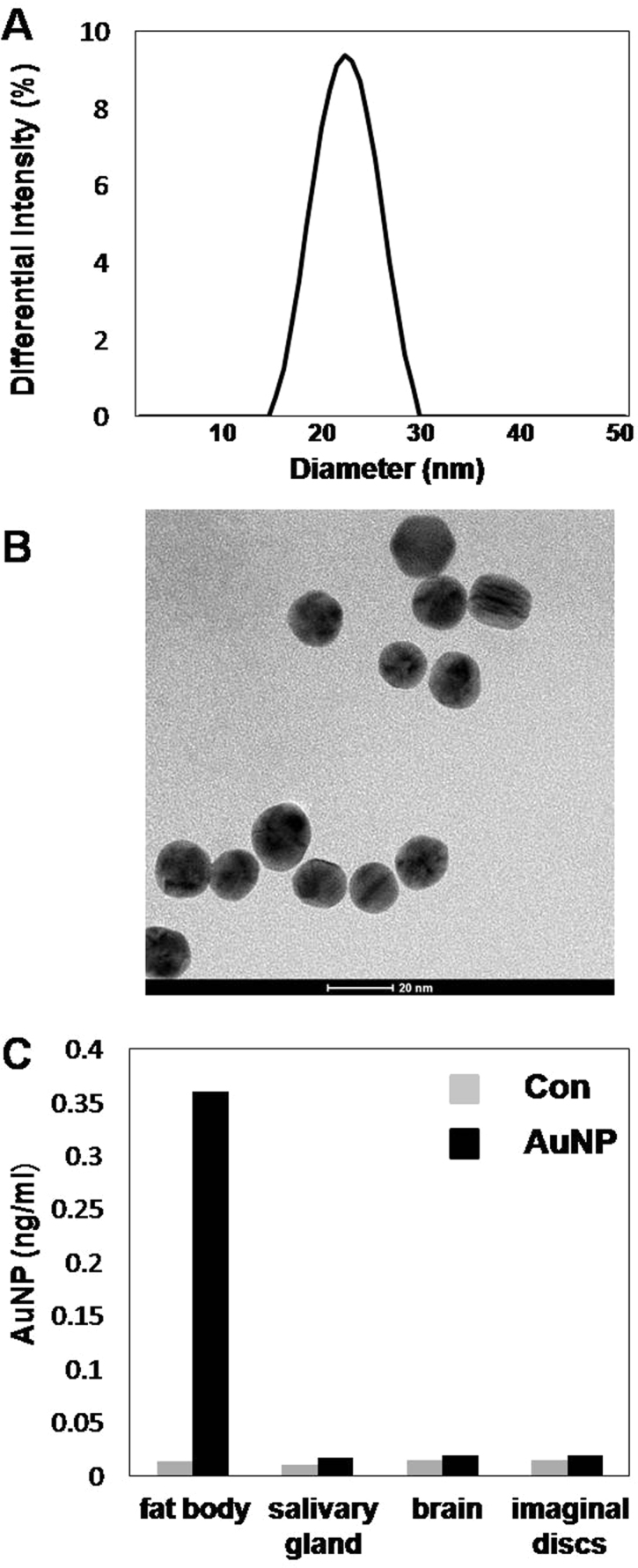
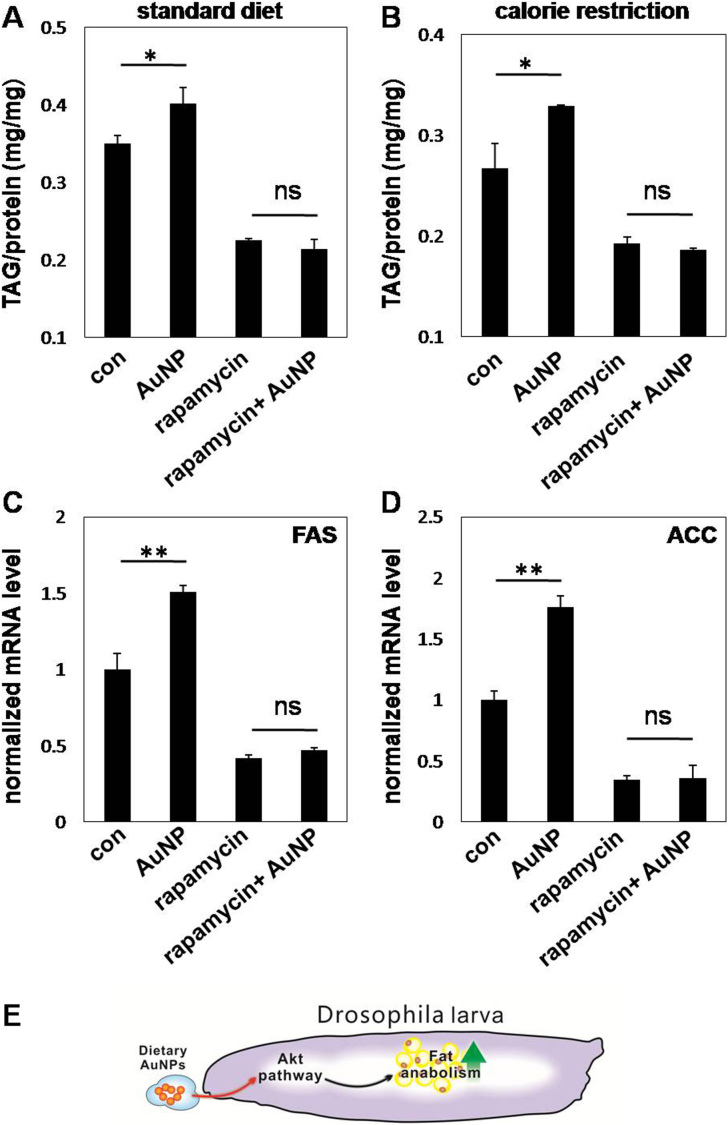
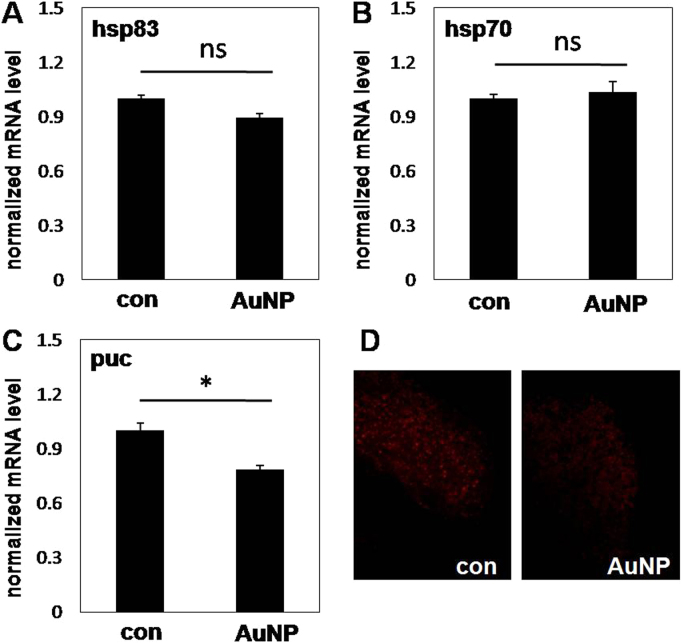
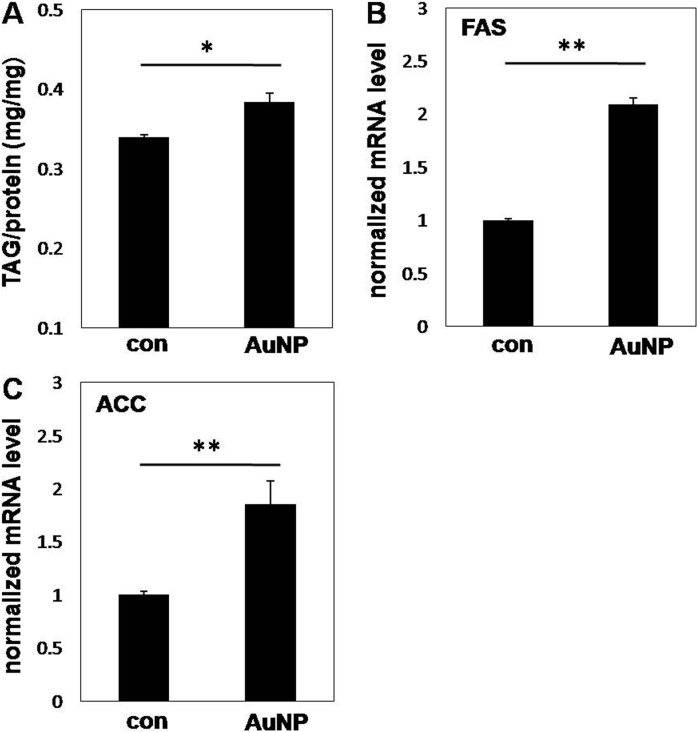
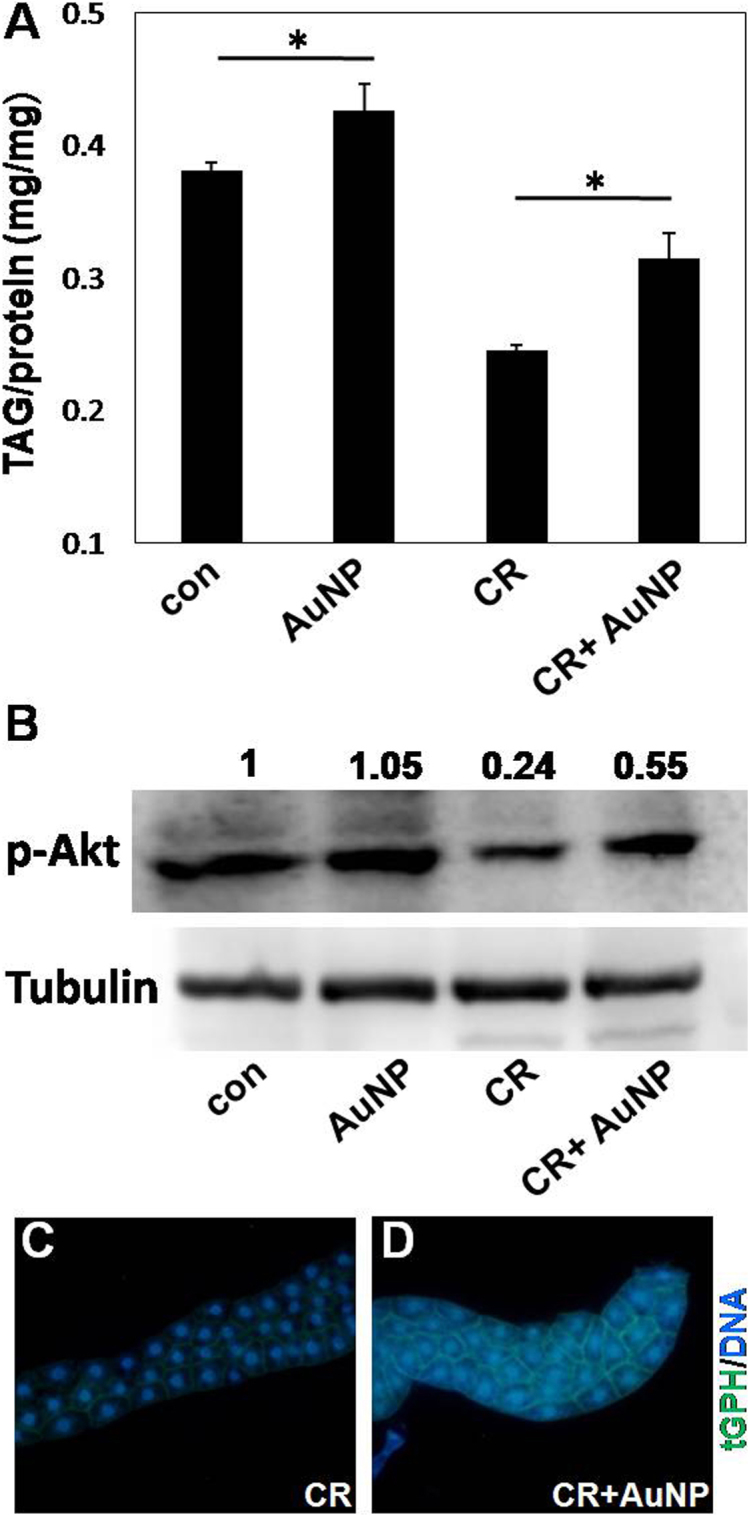
Gold nanoparticles (AuNPs) are often used as vehicles to deliver drugs or biomolecules, due to their mild effect on cell survival and proliferation. However, little is known about their effect on cellular metabolism. Here we examine the in vivo effect of AuNPs on metabolism using Drosophila as a model. Drosophila and vertebrates possess similar basic metabolic functions, and a highly conserved PI3K/Akt/mTOR signaling pathway plays a central role in the regulation of energy metabolism in both organisms. We show that dietary AuNPs enter the fat body, a key metabolic tissue in Drosophila larvae. Significantly, larvae fed with AuNP show increased lipid levels without triggering stress responses. In addition, activities of the PI3K/Akt/mTOR signaling pathway and fatty acids synthesis are increased in these larvae. This study thus reveals a novel function of AuNPs in influencing animal metabolism and suggests its potential therapeutic applications for metabolic disorders.
金纳米颗粒(AuNPs)常被用作输送药物或生物分子的载体,因为它们对细胞存活和增殖的影响较小。然而,它们对细胞代谢的影响知之甚少。在这里,我们使用果蝇作为模型来研究 AuNPs 对代谢的体内影响。果蝇和脊椎动物具有相似的基本代谢功能,并且高度保守的 PI3K/Akt/mTOR 信号通路在这两种生物的能量代谢调节中发挥核心作用。我们表明,饮食中的 AuNPs 进入果蝇幼虫的关键代谢组织——脂肪体。值得注意的是,摄入 AuNP 的幼虫脂质水平升高,而没有引发应激反应。此外,这些幼虫中 PI3K/Akt/mTOR 信号通路和脂肪酸合成的活性也增加了。因此,这项研究揭示了 AuNPs 在影响动物代谢方面的新功能,并提示了其在代谢紊乱治疗方面的潜在应用。