Department of Genetics and Microbiology, Faculty of Science, Charles University in Prague, Prague, Czech Republic.
PLoS One. 2012;7(8):e41801. doi: 10.1371/journal.pone.0041801. Epub 2012 Aug 6.
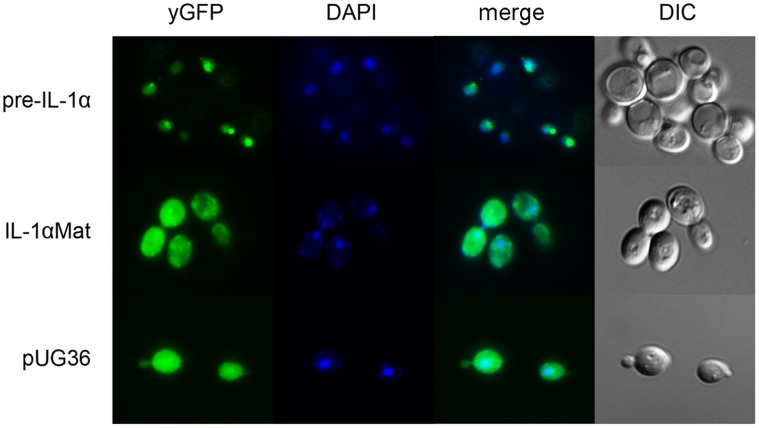
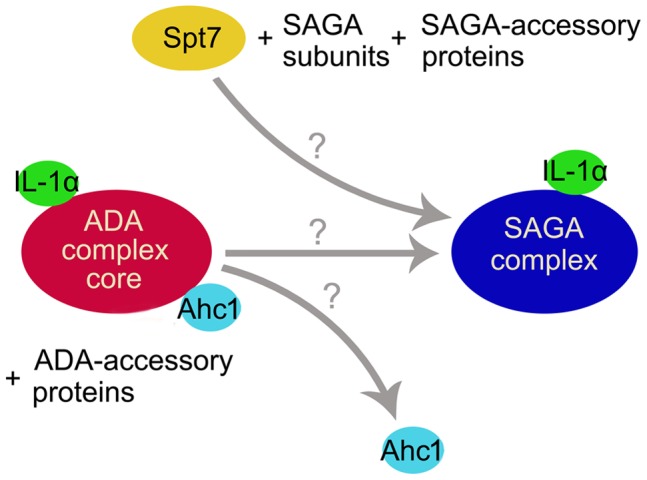
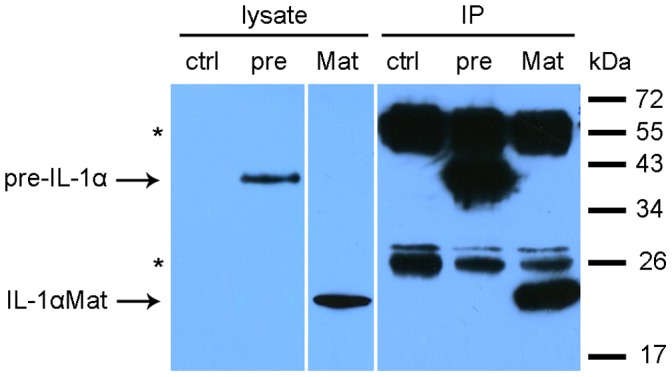
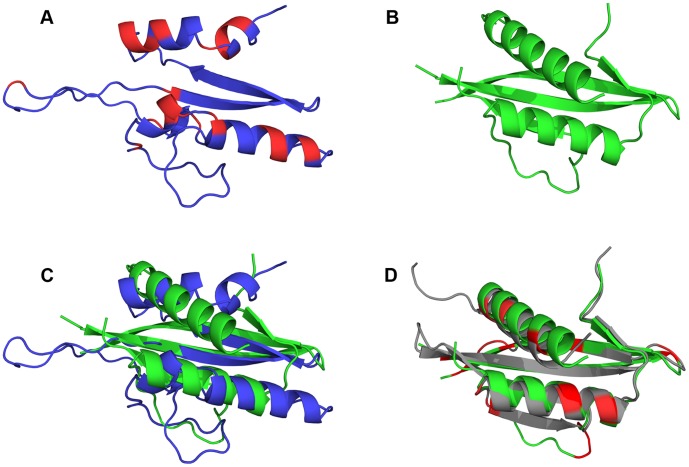
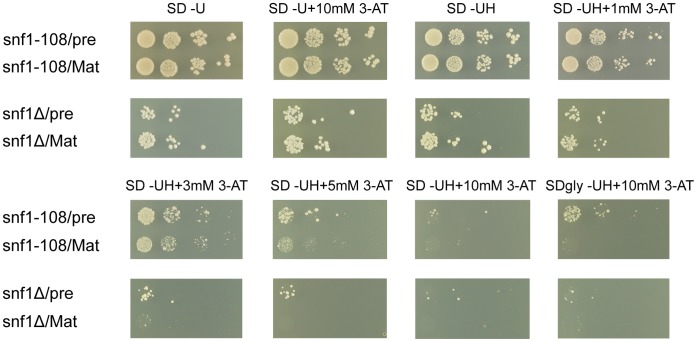
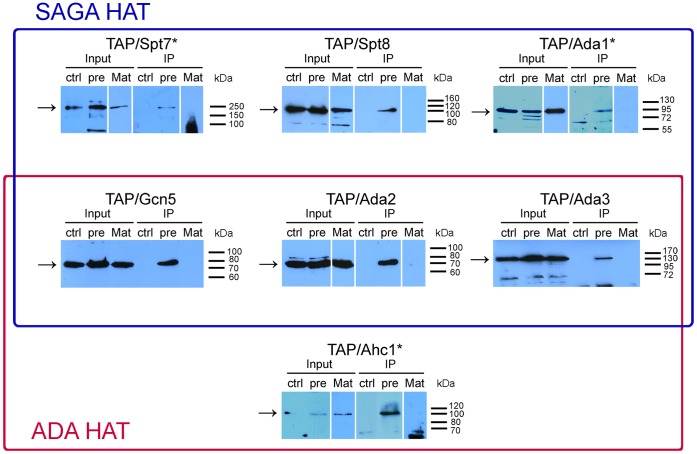
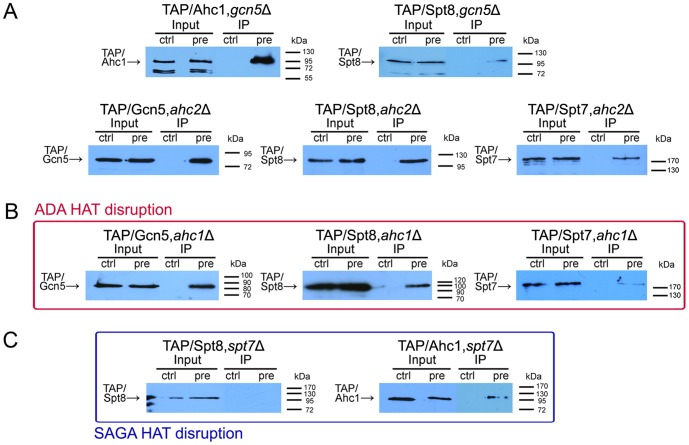
Interleukin-1α (IL-1α) is a proinflammatory cytokine and a key player in host immune responses in higher eukaryotes. IL-1α has pleiotropic effects on a wide range of cell types, and it has been extensively studied for its ability to contribute to various autoimmune and inflammation-linked disorders, including rheumatoid arthritis, Alzheimer's disease, systemic sclerosis and cardiovascular disorders. Interestingly, a significant proportion of IL-1α is translocated to the cell nucleus, in which it interacts with histone acetyltransferase complexes. Despite the importance of IL-1α, little is known regarding its binding targets and functions in the nucleus. We took advantage of the histone acetyltransferase (HAT) complexes being evolutionarily conserved from yeast to humans and the yeast SAGA complex serving as an epitome of the eukaryotic HAT complexes. Using gene knock-out technique and co-immunoprecipitation of the IL-1α precursor with TAP-tagged subunits of the yeast HAT complexes, we mapped the IL-1α-binding site to the HAT/Core module of the SAGA complex. We also predicted the 3-D structure of the IL-1α N-terminal domain, and by employing structure similarity searches, we found a similar structure in the C-terminal regulatory region of the catalytic subunit of the AMP-activated/Snf1 protein kinases, which interact with HAT complexes both in mammals and yeast, respectively. This finding is further supported with the ability of the IL-1α precursor to partially rescue growth defects of snf1Δ yeast strains on media containing 3-Amino-1,2,4-triazole (3-AT), a competitive inhibitor of His3. Finally, the careful evaluation of our data together with other published data in the field allows us to hypothesize a new function for the ADA complex in SAGA complex assembly.
白细胞介素-1α(IL-1α)是一种促炎细胞因子,也是高等真核生物中宿主免疫反应的关键参与者。IL-1α 对广泛的细胞类型具有多效性作用,它因其能够促进各种自身免疫和炎症相关疾病的能力而被广泛研究,包括类风湿关节炎、阿尔茨海默病、系统性硬化症和心血管疾病。有趣的是,相当一部分的 IL-1α被转运到细胞核中,在那里它与组蛋白乙酰转移酶复合物相互作用。尽管 IL-1α 很重要,但人们对其在细胞核中的结合靶标和功能知之甚少。我们利用从酵母到人进化上保守的组蛋白乙酰转移酶(HAT)复合物和酵母 SAGA 复合物作为真核 HAT 复合物的典范的优势。使用基因敲除技术和 IL-1α 前体与酵母 HAT 复合物的 TAP 标记亚基的共免疫沉淀,我们将 IL-1α 结合位点映射到 SAGA 复合物的 HAT/Core 模块。我们还预测了 IL-1α N 端结构域的 3-D 结构,并通过结构相似性搜索,在 AMP 激活/Snf1 蛋白激酶的催化亚基的 C 端调节区域中发现了一个类似的结构,该结构分别与哺乳动物和酵母中的 HAT 复合物相互作用。这一发现得到了以下事实的进一步支持:IL-1α 前体能够部分挽救 snf1Δ 酵母菌株在含有 3-氨基-1,2,4-三唑(3-AT)的培养基上的生长缺陷,3-AT 是 His3 的竞争性抑制剂。最后,我们仔细评估了我们的数据以及该领域的其他已发表数据,使我们能够假设 ADA 复合物在 SAGA 复合物组装中的一个新功能。