Department of Pathology, The University of Melbourne, Parkville, Victoria, Australia.
PLoS One. 2012;7(8):e42277. doi: 10.1371/journal.pone.0042277. Epub 2012 Aug 3.
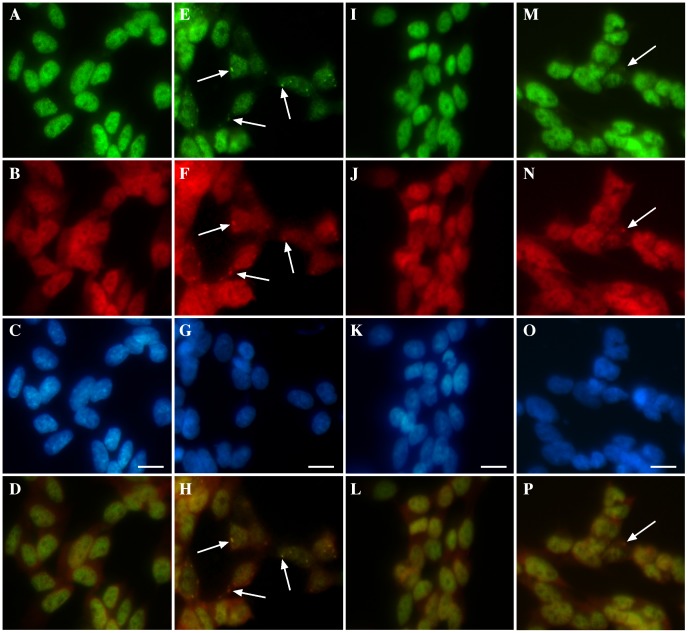
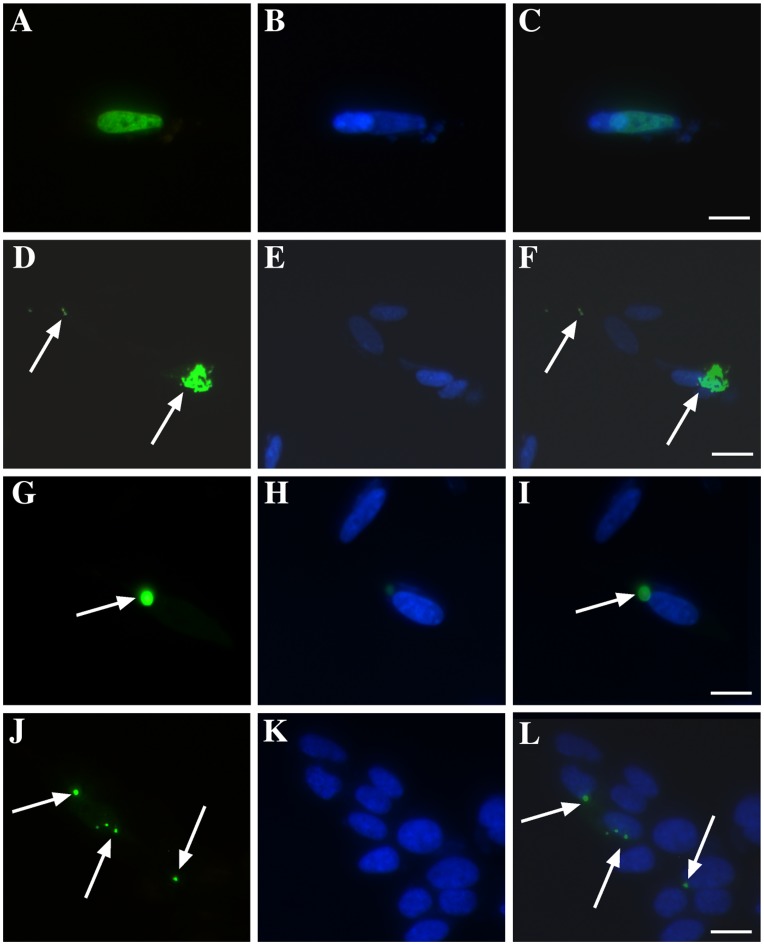
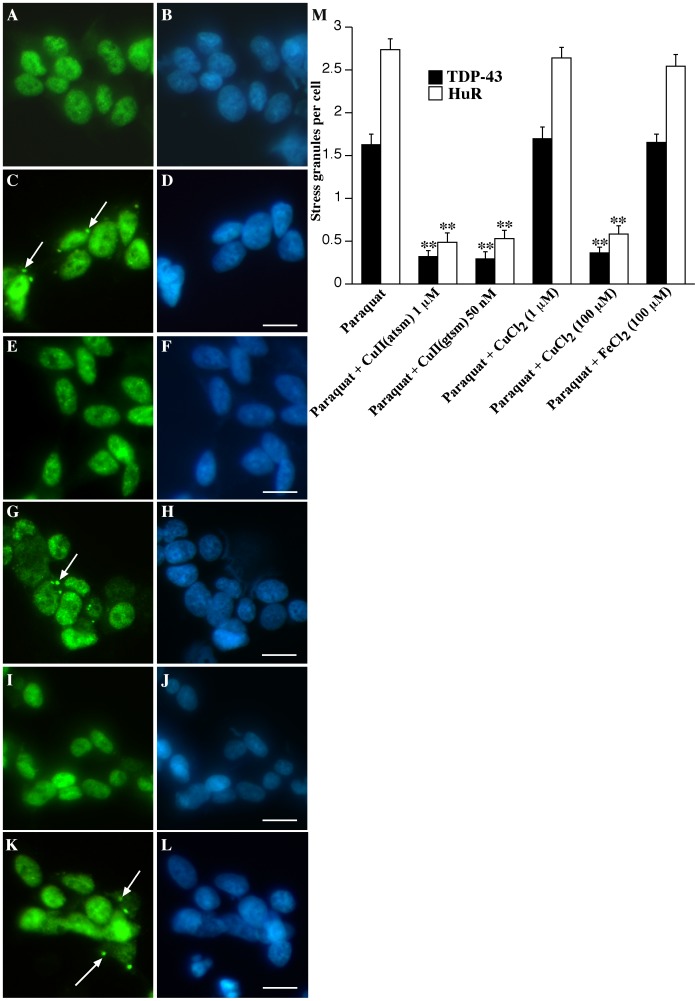
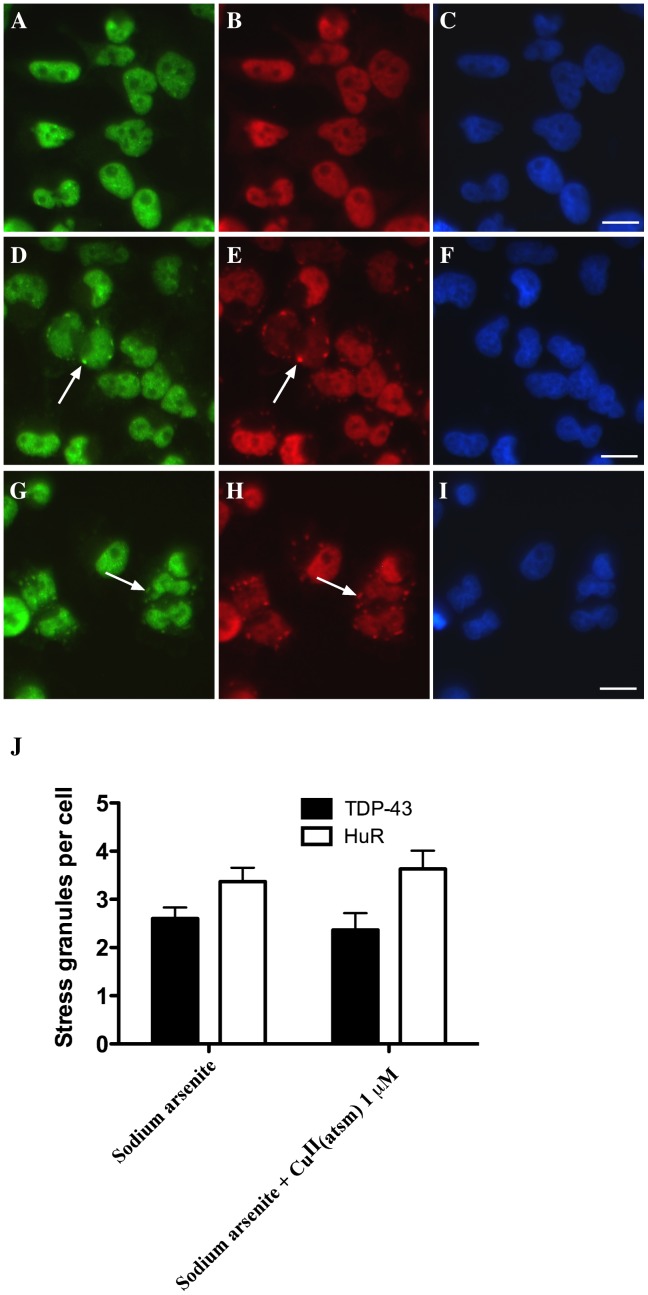
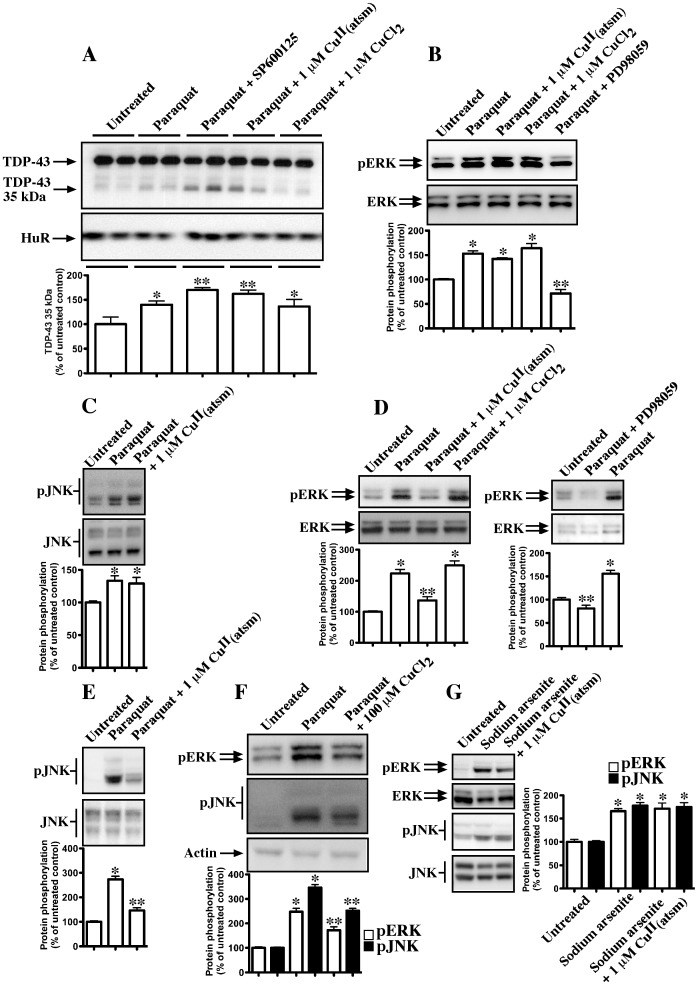
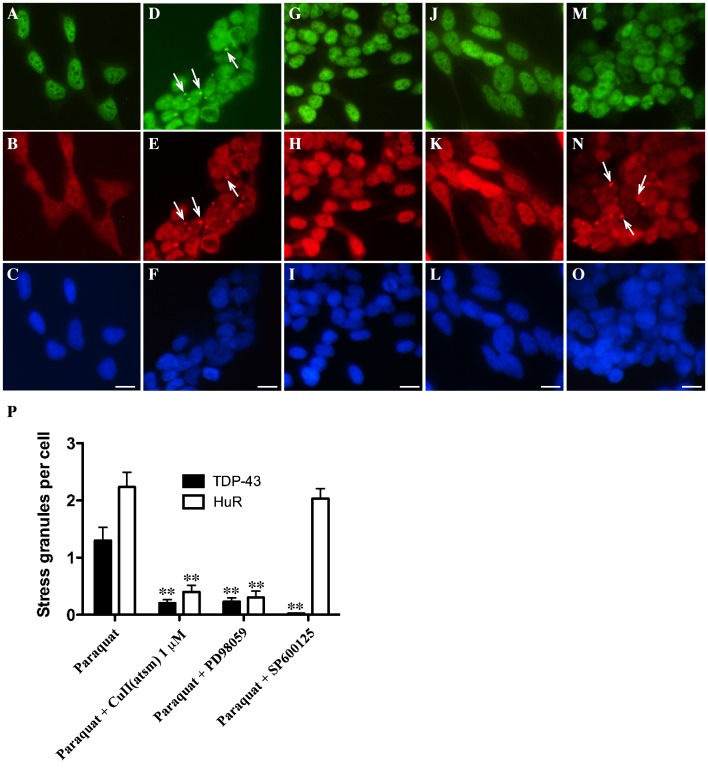
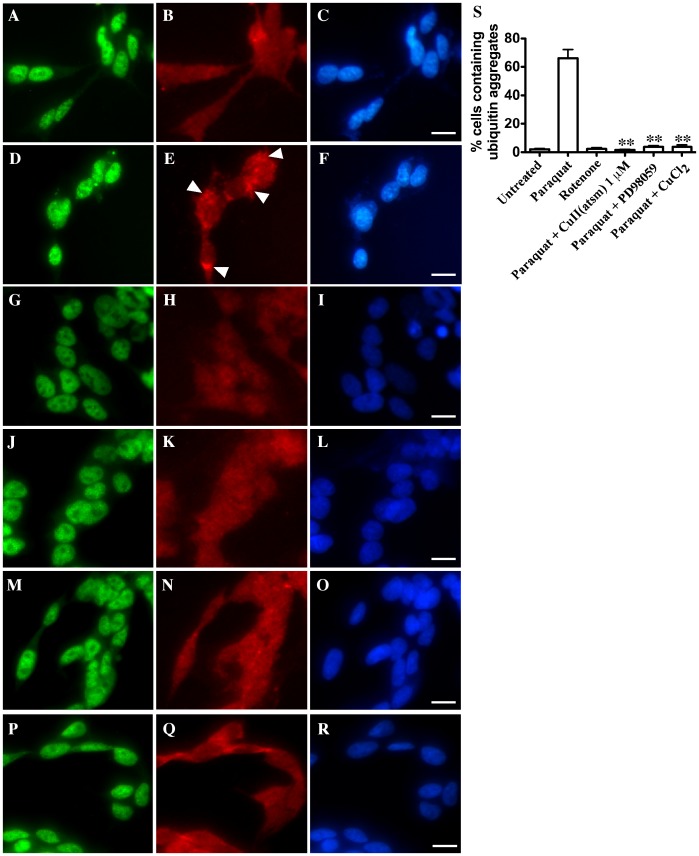
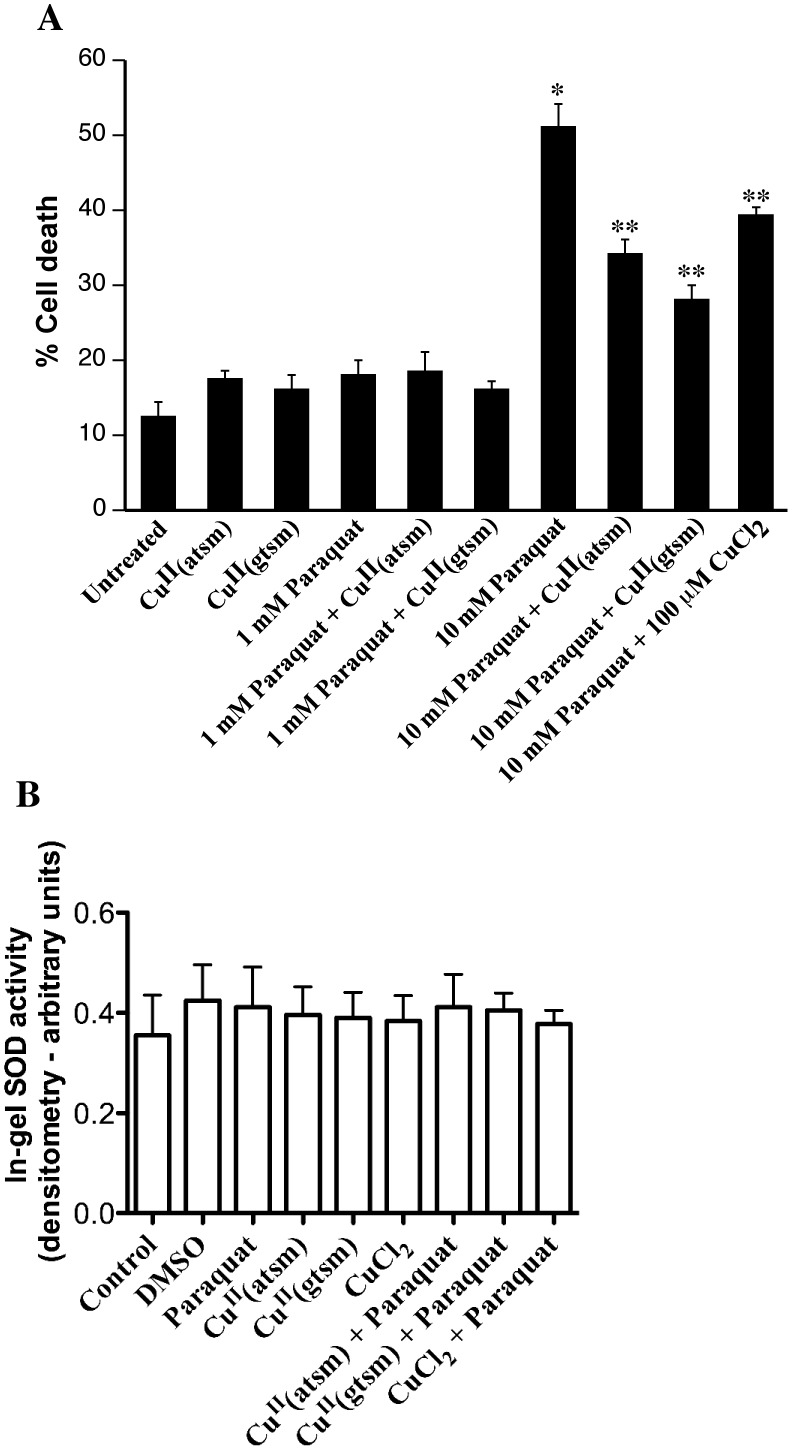
Amyotrophic lateral sclerosis (ALS) is a progressive, fatal, motor neuron disease with no effective long-term treatment options. Recently, TDP-43 has been identified as a key protein in the pathogenesis of some cases of ALS. Although the role of TDP-43 in motor neuron degeneration is not yet known, TDP-43 has been shown to accumulate in RNA stress granules (SGs) in cell models and in spinal cord tissue from ALS patients. The SG association may be an early pathological change to TDP-43 metabolism and as such a potential target for therapeutic intervention. Accumulation of TDP-43 in SGs induced by inhibition of mitochondrial activity can be inhibited by modulation of cellular kinase activity. We have also found that treatment of cells and animal models of neurodegeneration, including an ALS model, with bioavailable bis(thiosemicarbazonato)copper(II) complexes (Cu(II)(btsc)s) can modulate kinase activity and induce neuroprotective effects. In this study we examined the effect of diacetylbis(-methylthiosemicarbazonato)copper(II) (Cu(II)(atsm)) and glyoxalbis(-methylthiosemicarbazonato)copper(II) (Cu(II)(gtsm)) on TDP-43-positive SGs induced in SH-SY5Y cells in culture. We found that the Cu(II)(btsc)s blocked formation of TDP-43-and human antigen R (HuR)-positive SGs induced by paraquat. The Cu(II)(btsc)s protected neurons from paraquat-mediated cell death. These effects were associated with inhibition of ERK phosphorylation. Co-treatment of cultures with either Cu(II)(atsm) or an ERK inhibitor, PD98059 both prevented ERK activation and blocked formation of TDP-43-and HuR-positive SGs. Cu(II)(atsm) treatment or ERK inhibition also prevented abnormal ubiquitin accumulation in paraquat-treated cells suggesting a link between prolonged ERK activation and abnormal ubiquitin metabolism in paraquat stress and inhibition by Cu. Moreover, Cu(II)(atsm) reduced accumulation of C-terminal (219-414) TDP-43 in transfected SH-SY5Y cells. These results demonstrate that Cu(II)(btsc) complexes could potentially be developed as a neuroprotective agent to modulate neuronal kinase function and inhibit TDP-43 aggregation. Further studies in TDP-43 animal models are warranted.
肌萎缩侧索硬化症(ALS)是一种进行性、致命的运动神经元疾病,目前尚无有效的长期治疗方法。最近,TDP-43 已被确定为某些 ALS 病例发病机制中的关键蛋白。尽管 TDP-43 在运动神经元退化中的作用尚不清楚,但已经表明 TDP-43 在细胞模型中的 RNA 应激颗粒(SGs)和 ALS 患者的脊髓组织中积累。SG 相关可能是 TDP-43 代谢的早期病理变化,因此可能是治疗干预的潜在靶点。抑制线粒体活性诱导的 TDP-43 在 SG 中的积累可以通过调节细胞激酶活性来抑制。我们还发现,用生物可利用的双(硫代氨基甲酰基)铜(II)配合物(Cu(II)(btsc)s)治疗神经退行性变细胞和动物模型,包括 ALS 模型,可以调节激酶活性并诱导神经保护作用。在这项研究中,我们研究了二乙酰基双(甲基硫代氨基甲酰基)铜(II)(Cu(II)(atsm))和乙二醛双(甲基硫代氨基甲酰基)铜(II)(Cu(II)(gtsm))对培养的 SH-SY5Y 细胞中诱导的 TDP-43 阳性 SG 的影响。我们发现,Cu(II)(btsc)s 阻断了百草枯诱导的 TDP-43 和人抗原 R(HuR)阳性 SG 的形成。Cu(II)(btsc)s 保护神经元免受百草枯介导的细胞死亡。这些作用与 ERK 磷酸化的抑制有关。用 Cu(II)(atsm)或 ERK 抑制剂 PD98059 共同处理培养物,均可防止 ERK 激活并阻断 TDP-43 和 HuR 阳性 SG 的形成。Cu(II)(atsm)处理或 ERK 抑制也阻止了百草枯处理细胞中异常泛素的积累,这表明在百草枯应激和 Cu 抑制中,ERK 激活延长与异常泛素代谢之间存在联系。此外,Cu(II)(atsm)减少了转染的 SH-SY5Y 细胞中 C 端(219-414)TDP-43 的积累。这些结果表明,Cu(II)(btsc)配合物有可能被开发为神经保护剂,以调节神经元激酶功能并抑制 TDP-43 聚集。需要在 TDP-43 动物模型中进行进一步研究。