Molecular Oncology Unit, CIEMAT, Madrid, Spain.
PLoS One. 2012;7(8):e42494. doi: 10.1371/journal.pone.0042494. Epub 2012 Aug 7.
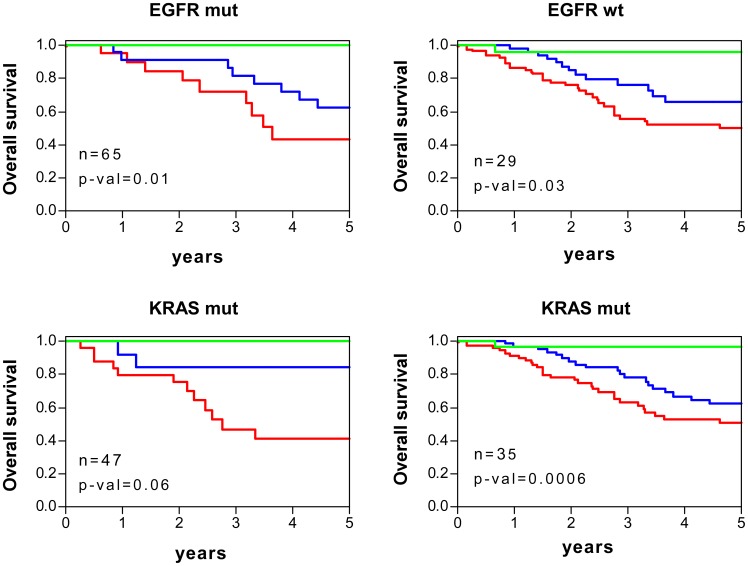
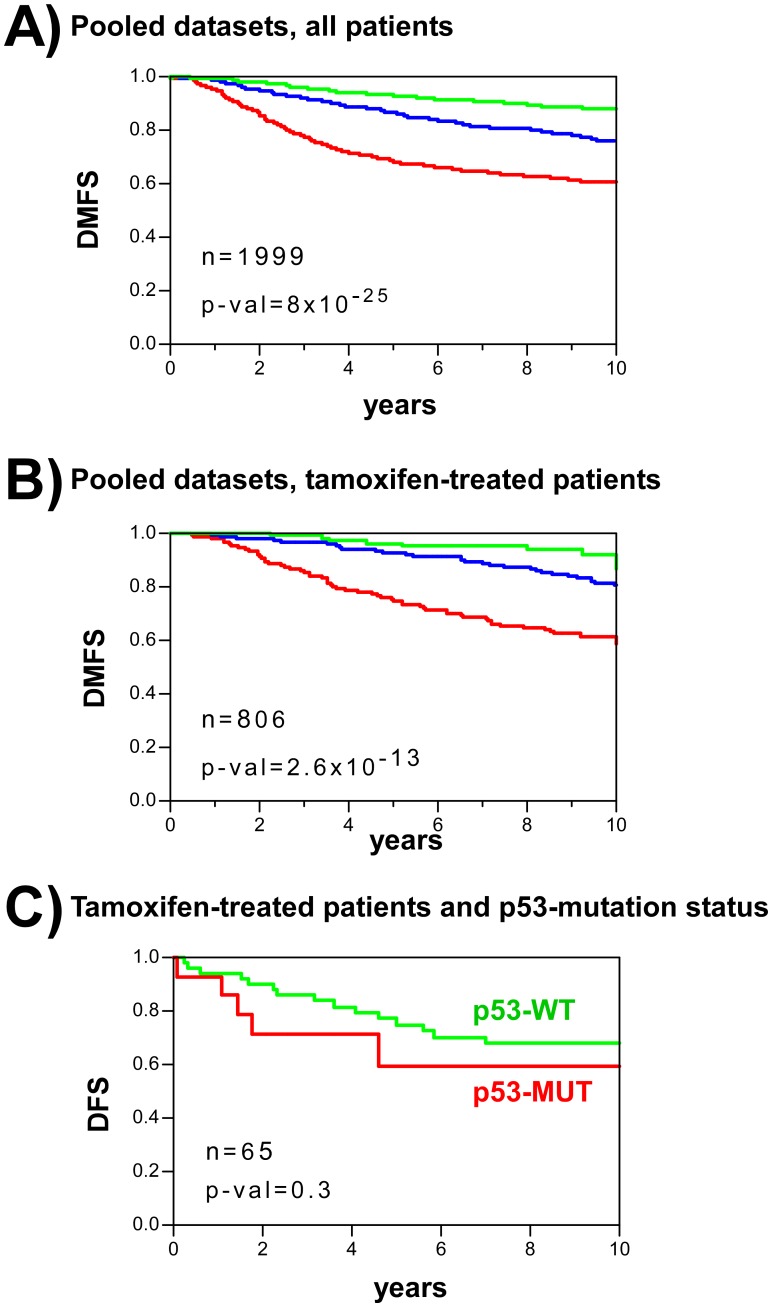
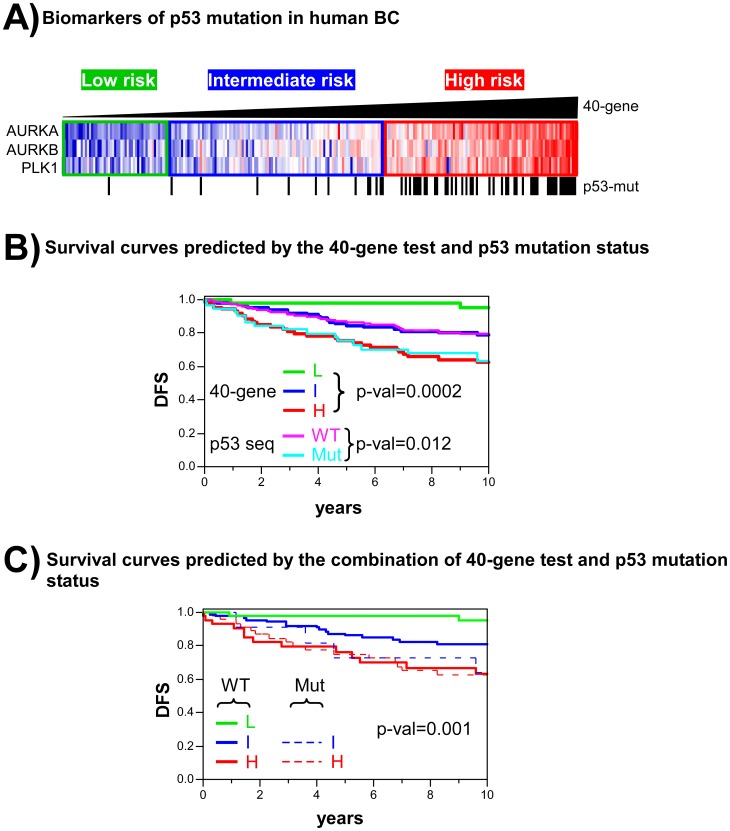
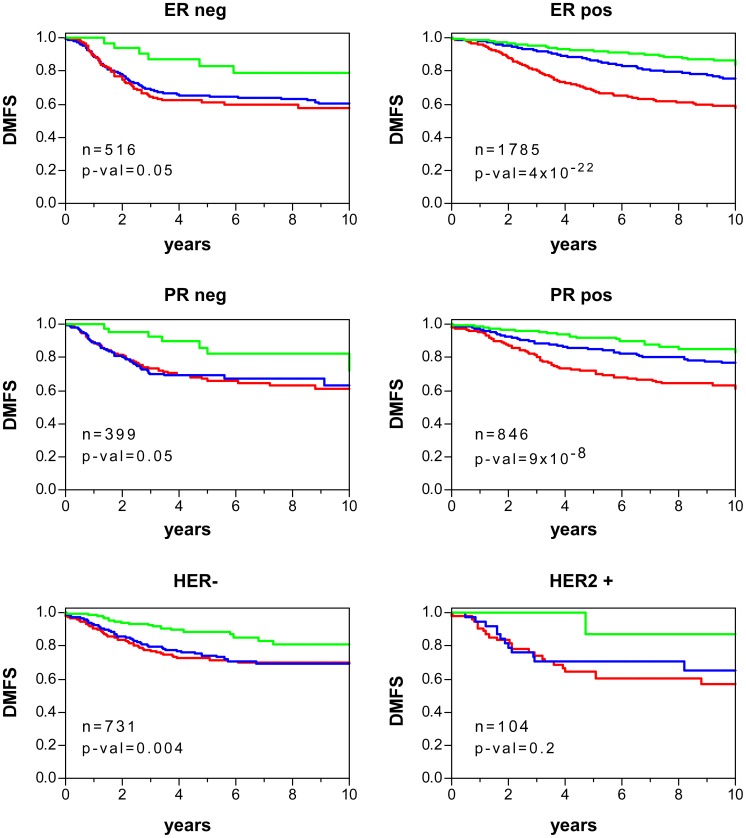
Mutations in the TP53 gene are very common in human cancers, and are associated with poor clinical outcome. Transgenic mouse models lacking the Trp53 gene or that express mutant Trp53 transgenes produce tumours with malignant features in many organs. We previously showed the transcriptome of a p53-deficient mouse skin carcinoma model to be similar to those of human cancers with TP53 mutations and associated with poor clinical outcomes. This report shows that much of the 682-gene signature of this murine skin carcinoma transcriptome is also present in breast and lung cancer mouse models in which p53 is inhibited. Further, we report validated gene-expression-based tests for predicting the clinical outcome of human breast and lung adenocarcinoma. It was found that human patients with cancer could be stratified based on the similarity of their transcriptome with the mouse skin carcinoma 682-gene signature. The results also provide new targets for the treatment of p53-defective tumours.
TP53 基因突变在人类癌症中非常常见,与不良的临床预后相关。缺乏 Trp53 基因或表达突变型 Trp53 转基因的转基因小鼠模型在许多器官中产生具有恶性特征的肿瘤。我们之前曾表明,p53 缺陷型小鼠皮肤癌模型的转录组与具有 TP53 突变和不良临床结果的人类癌症相似。本报告表明,这种小鼠皮肤癌转录组的 682 个基因特征中的大部分也存在于 p53 受到抑制的乳腺癌和肺癌小鼠模型中。此外,我们报告了经过验证的基于基因表达的测试,可以预测人类乳腺癌和肺腺癌的临床结局。结果发现,基于其转录组与小鼠皮肤癌 682 个基因特征的相似性,可以对癌症患者进行分层。这些结果还为治疗 p53 缺陷型肿瘤提供了新的靶点。