School of Life Science and Biotechnology, Shanghai Jiao Tong University, Shanghai, People's Republic of China.
Int J Nanomedicine. 2012;7:3751-68. doi: 10.2147/IJN.S33139. Epub 2012 Jul 17.
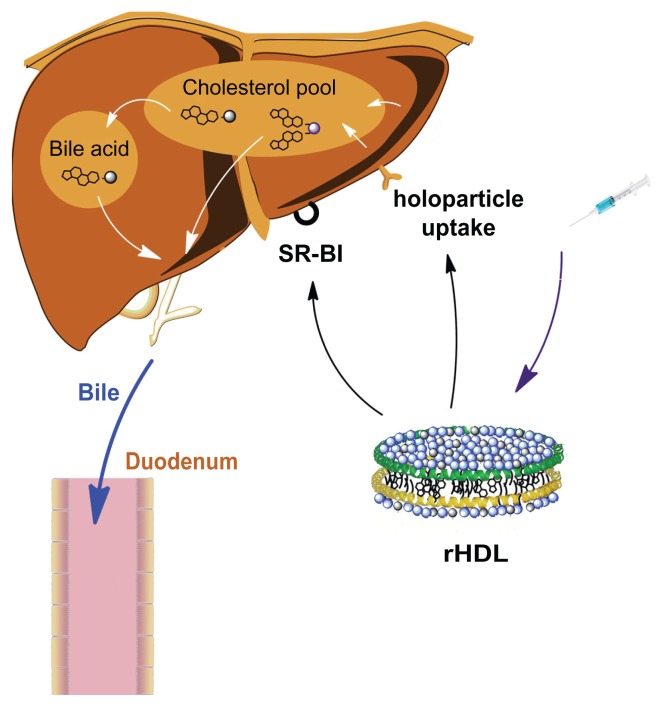
Natural high-density lipoproteins (HDL) possess important physiological functions to the transport of cholesterol from the peripheral tissues to the liver for metabolic degradation and excretion in the bile.
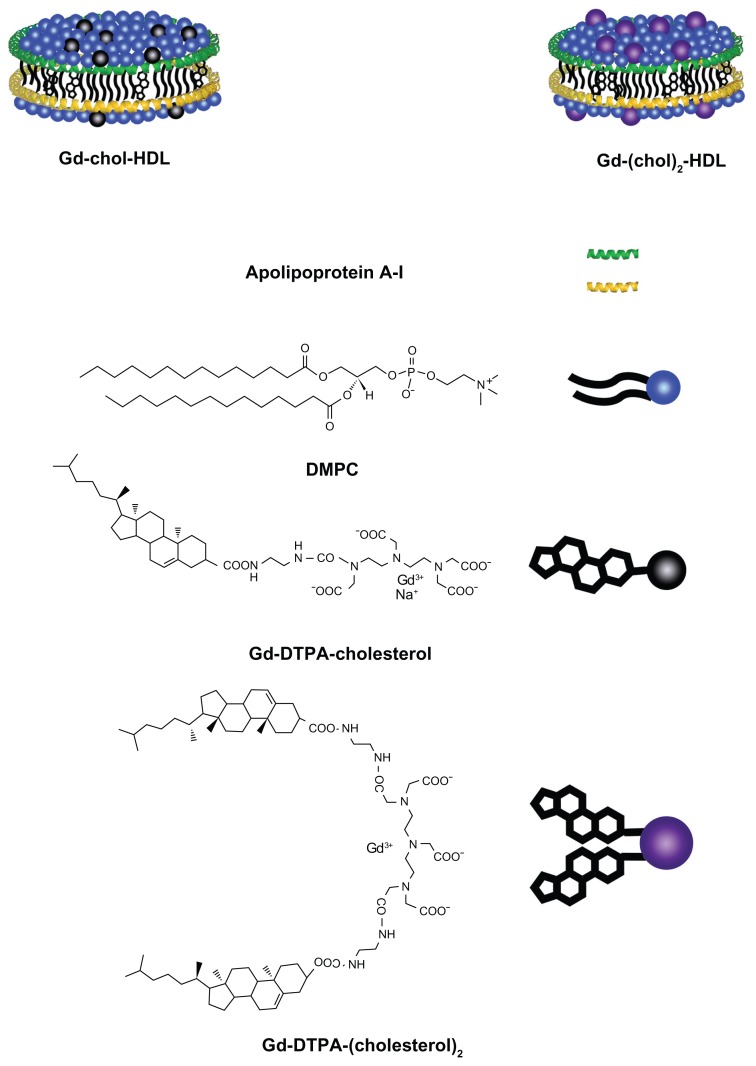
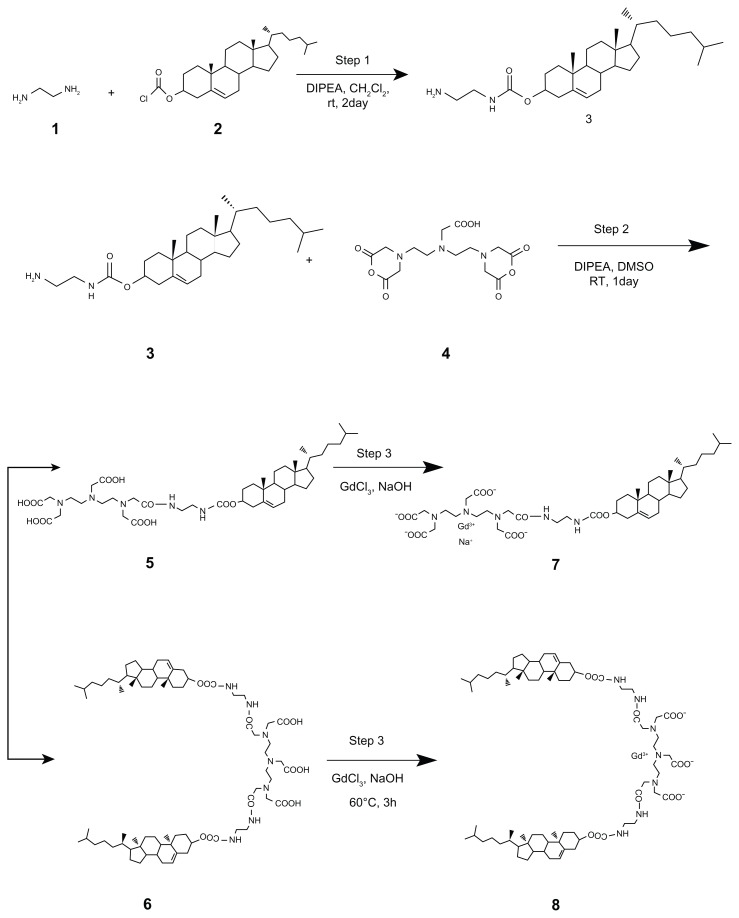
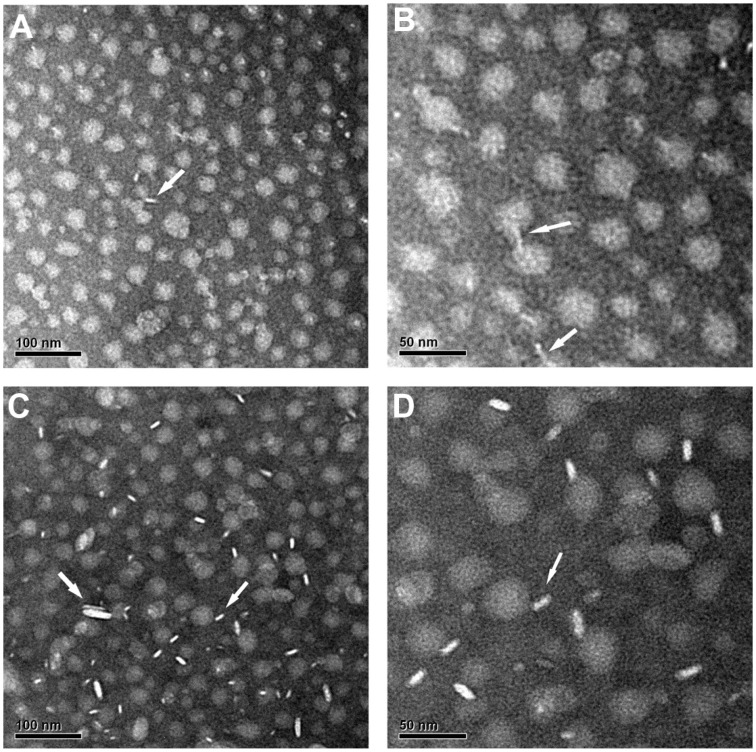
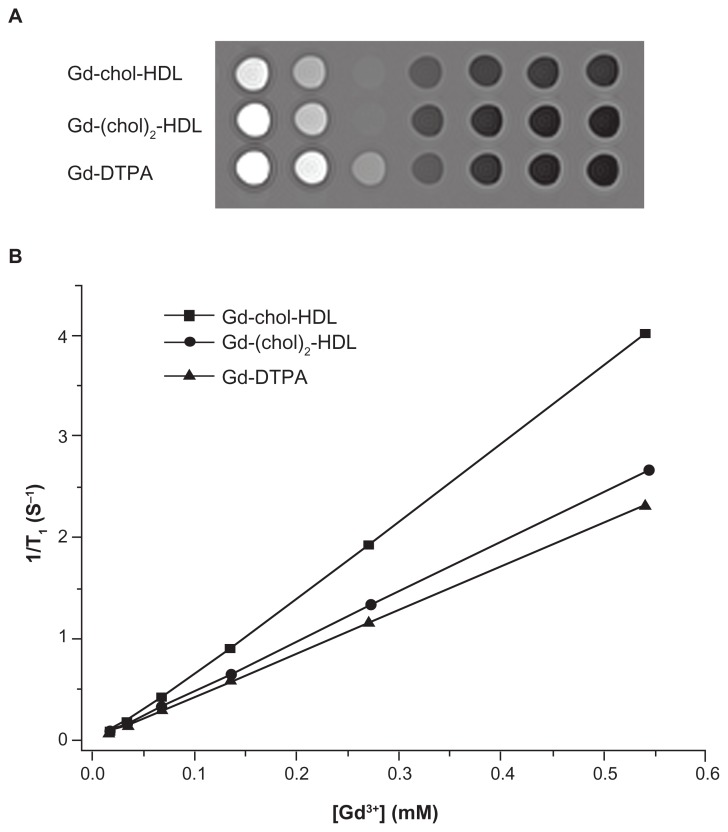
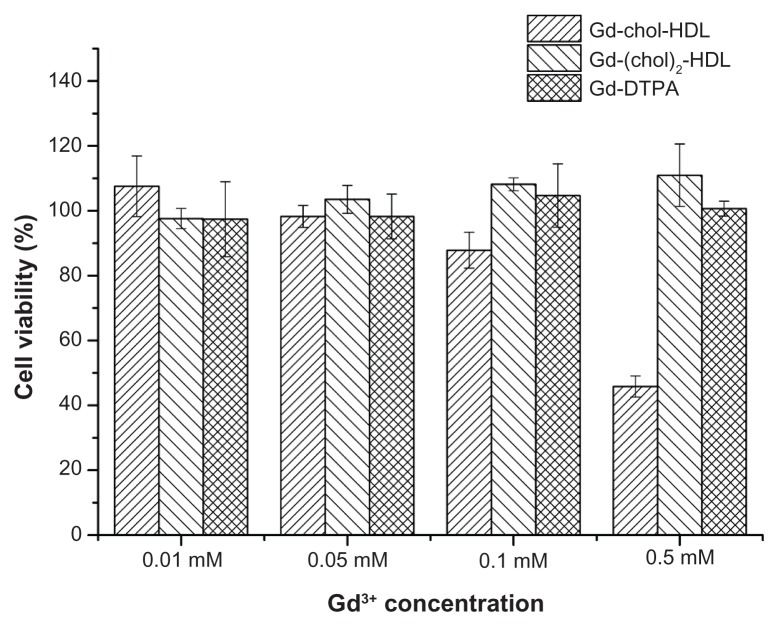
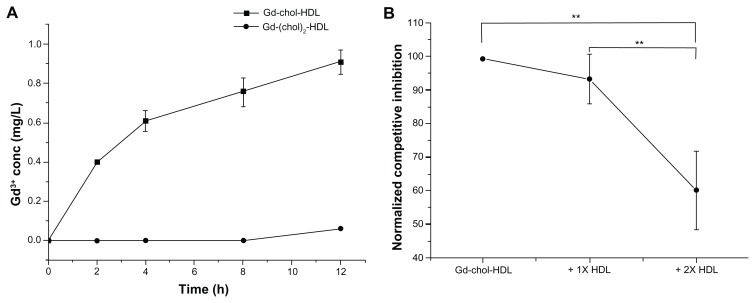
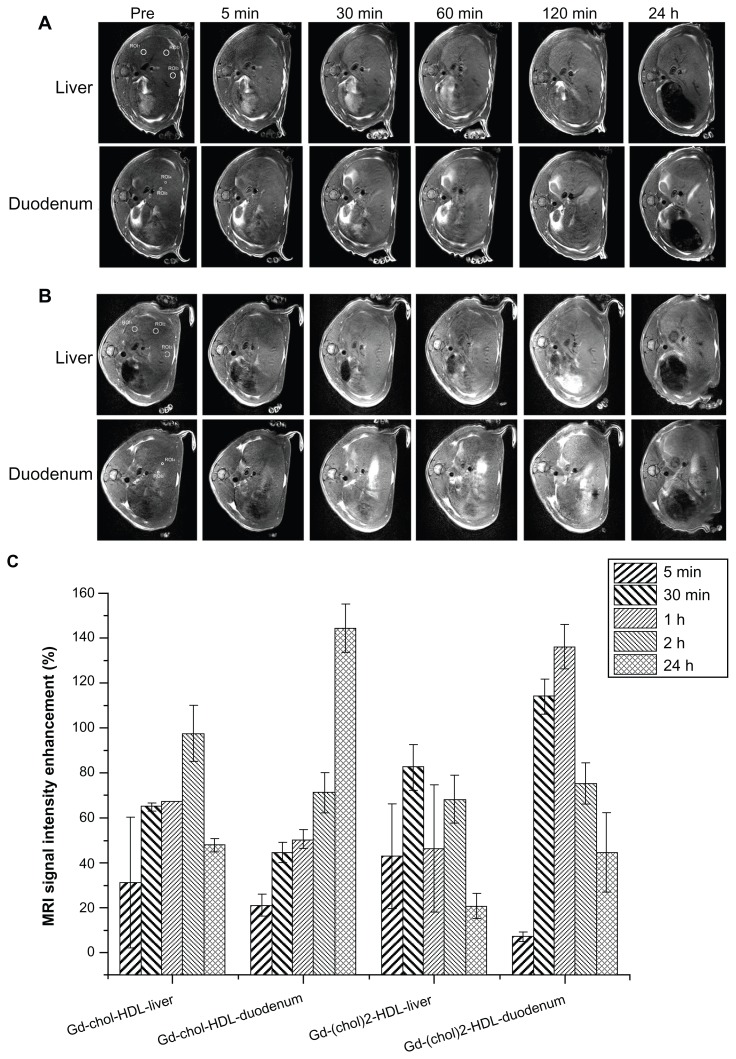
In this work, we took advantage of this pathway and prepared two different gadolinium (Gd)-DTPA-labeled cholesterol-containing recombinant HDL nanoparticles (Gd-chol-HDL) and Gd-(chol)(2)-HDL as liver-specific magnetic resonance imaging (MRI) contrast agents. The reconstituted HDL nanoparticles had structural similarity to native HDL, and could be taken up by HepG2 cells via interaction with HDL receptors in vitro. In vivo MRI studies in rats after intravenous injections of 10 μmol gadolinium per kg of recombinant HDL nanoparticles indicated that both nanoparticles could provide signal enhancement in the liver and related organs. However, different T(1)-weighted image details suggested that they participated in different cholesterol metabolism and excretion pathways in the liver.
Such information could be highly useful to differentiate functional changes as well as anatomic differences in the liver. These cholesterol-derived contrast agents and their recombinant HDL preparations may warrant further development as a new class of contrast agents for MRI of the liver and related organs.
天然高密度脂蛋白(HDL)具有将胆固醇从外周组织转运到肝脏进行代谢降解和胆汁排泄的重要生理功能。
在这项工作中,我们利用该途径制备了两种不同的钆(Gd)-DTPA 标记的含胆固醇重组 HDL 纳米颗粒(Gd-chol-HDL)和 Gd-(chol)(2)-HDL,作为肝脏特异性磁共振成像(MRI)对比剂。重建的 HDL 纳米颗粒与天然 HDL 具有结构相似性,并且可以通过与体外 HDL 受体相互作用被 HepG2 细胞摄取。静脉注射每公斤重组 HDL 纳米颗粒 10 μmol 钆后在大鼠体内进行的 MRI 研究表明,两种纳米颗粒均可在肝脏和相关器官中提供信号增强。然而,不同的 T1 加权图像细节表明,它们参与了肝脏中不同的胆固醇代谢和排泄途径。
这些信息对于区分肝脏的功能变化和解剖差异非常有用。这些胆固醇衍生的对比剂及其重组 HDL 制剂可能有必要进一步开发为肝脏和相关器官 MRI 的一类新的对比剂。