Department of Computational Medicine and Bioinformatics, University of Michigan, Ann Arbor, Michigan 48109, USA.
J Am Chem Soc. 2012 Sep 19;134(37):15357-70. doi: 10.1021/ja304419t. Epub 2012 Sep 7.
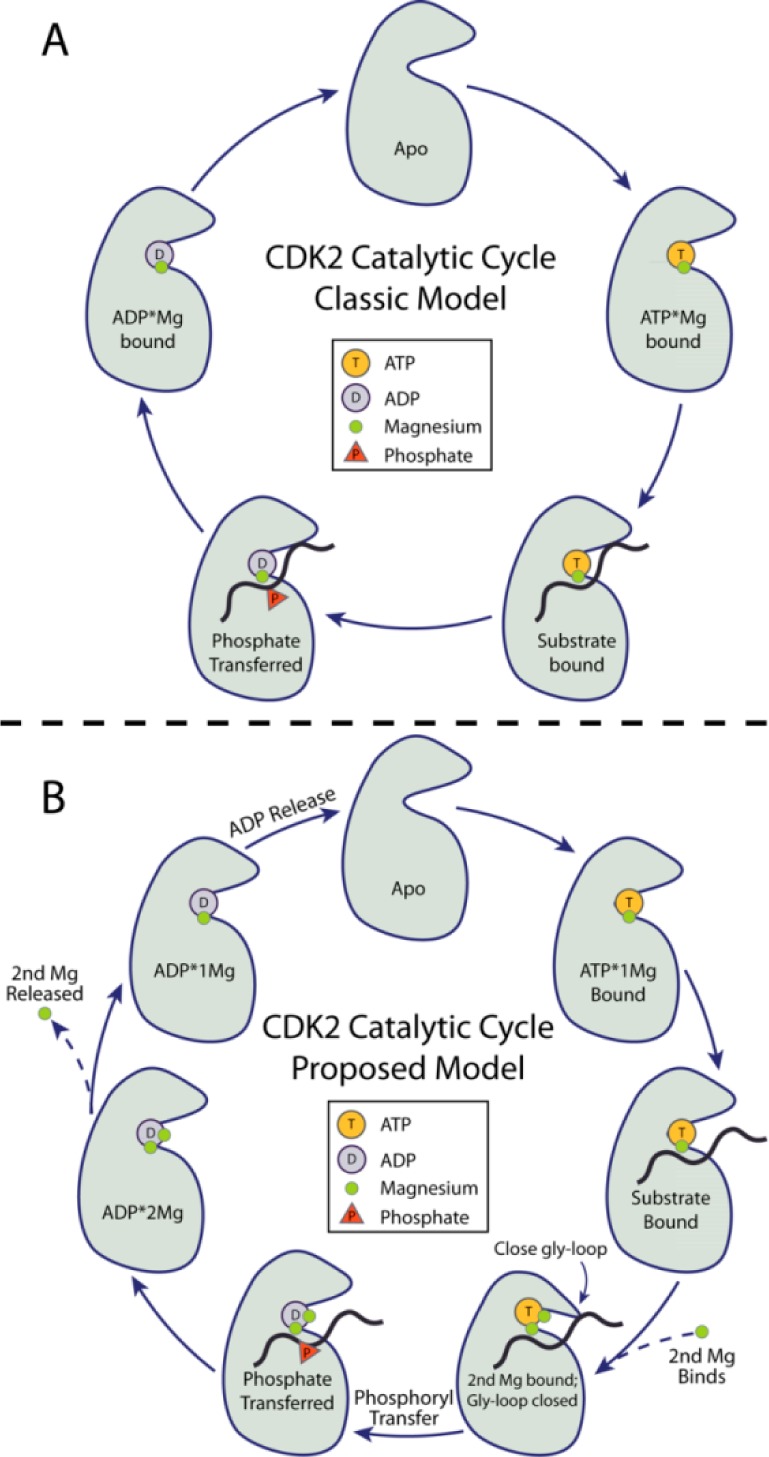
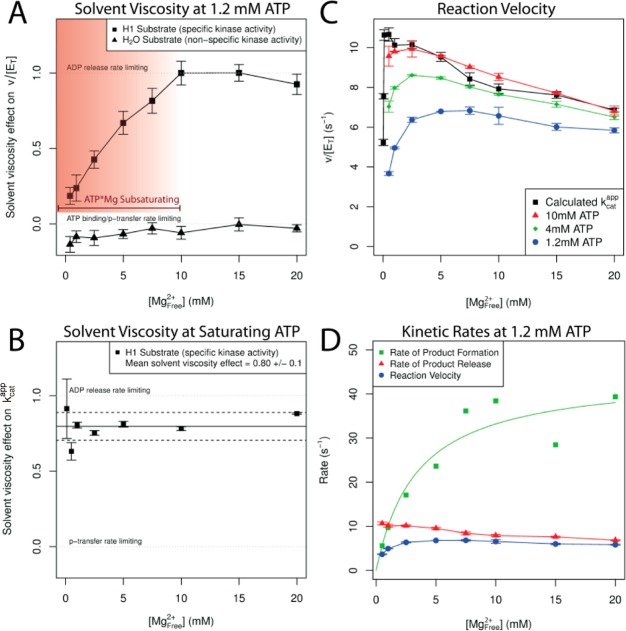
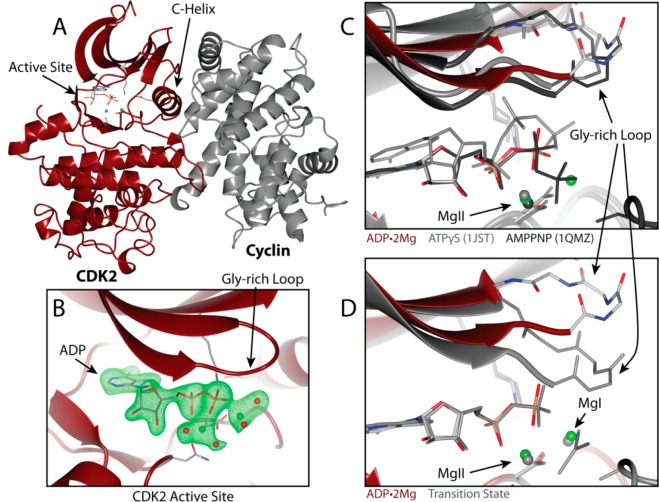
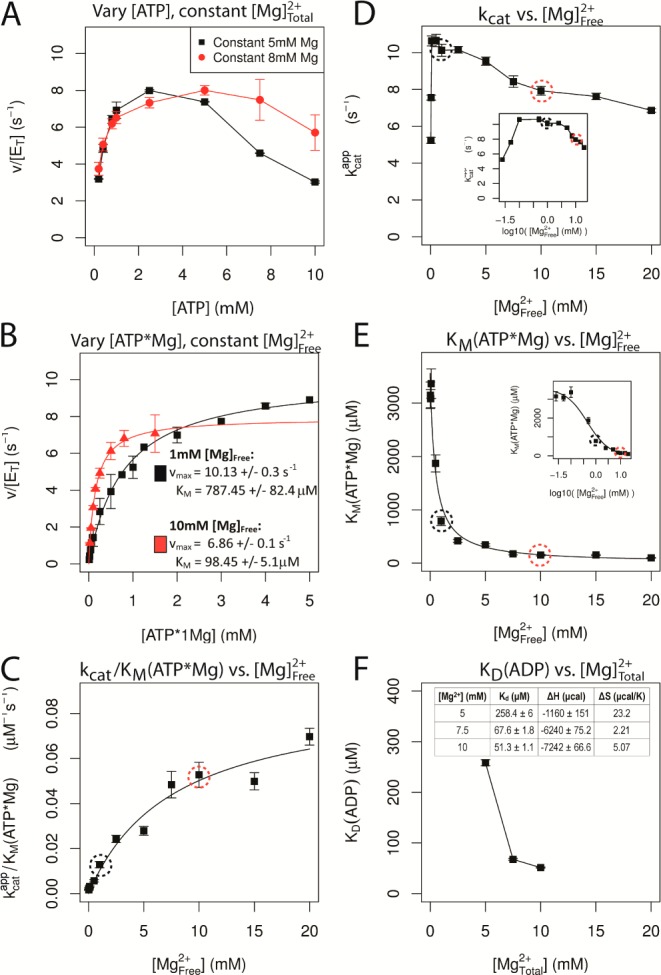
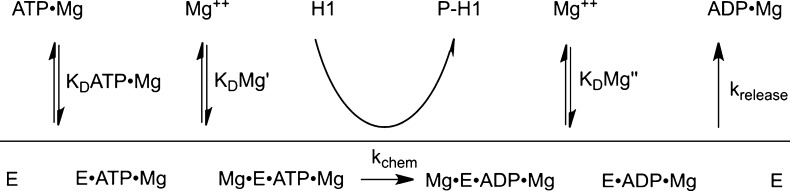
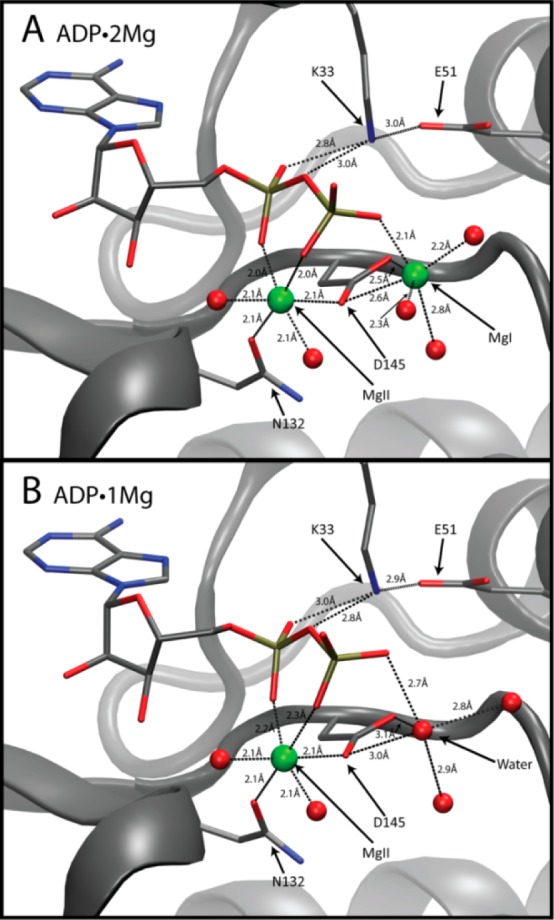
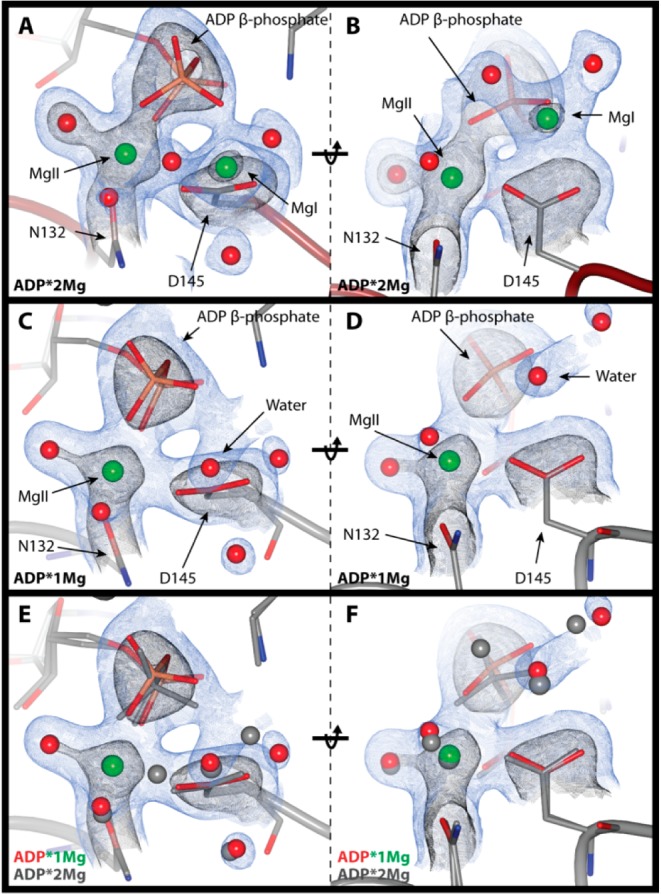
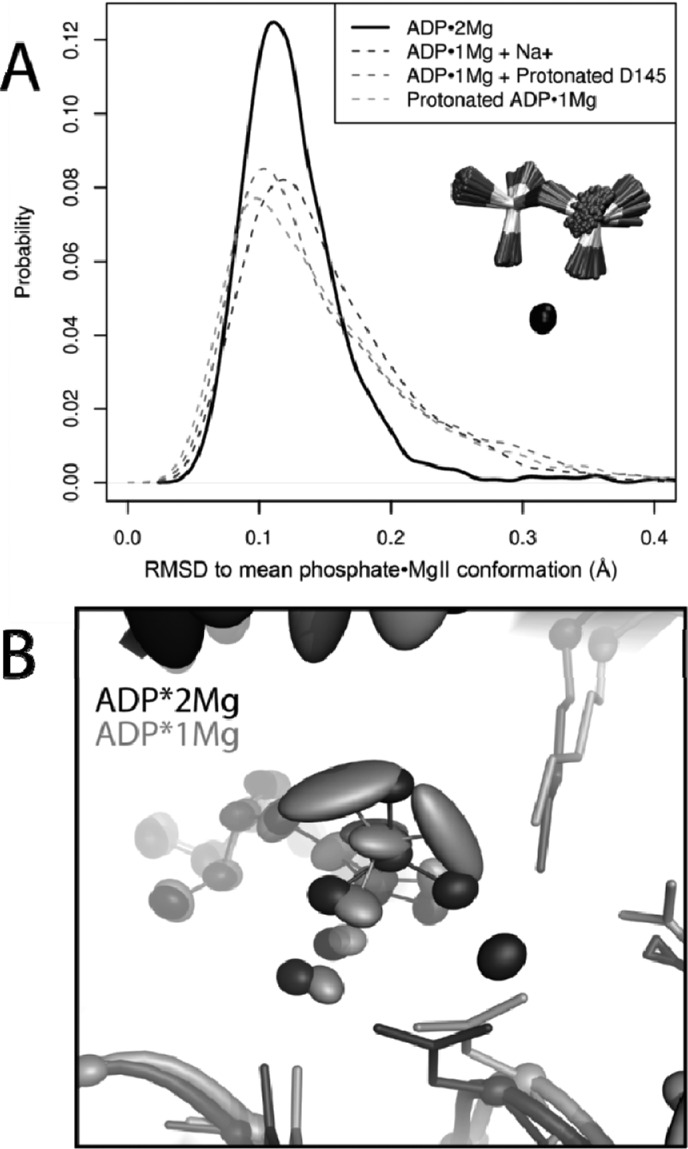
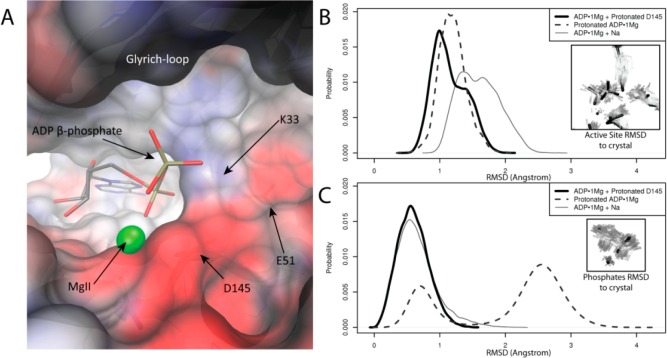
Incorporation of divalent metal ions into an active site is a fundamental catalytic tool used by diverse enzymes. Divalent cations are used by protein kinases to both stabilize ATP binding and accelerate chemistry. Kinetic analysis establishes that Cyclin-dependent kinase 2 (CDK2) requires simultaneous binding of two Mg(2+) ions for catalysis of phosphoryl transfer. This tool, however, comes with a price: the rate-acceleration effects are opposed by an unavoidable rate-limiting consequence of the use of two Mg(2+) ions by CDK2. The essential metal ions stabilize ADP product binding and limit the overall rate of the reaction. We demonstrate that product release is rate limiting for activated CDK2 and evaluate the effects of the two catalytically essential Mg(2+) ions on the stability of the ADP product within the active site. We present two new crystal structures of CDK2 bound to ADP showing how the phosphate groups can be coordinated by either one or two Mg(2+) ions, with the occupancy of one site in a weaker equilibrium. Molecular dynamics simulations indicate that ADP phosphate mobility is more restricted when ADP is coordinated by two Mg(2+) ions compared to one. The structural similarity between the rigid ADP·2Mg product and the cooperatively assembled transition state provides a mechanistic rational for the rate-limiting ADP release that is observed. We demonstrate that although the simultaneous binding of two Mg(2+) ions is essential for efficient phosphoryl transfer, the presence of both Mg(2+) ions in the active site also cooperatively increases ADP affinity and opposes its release. Evolution of protein kinases must have involved careful tuning of the affinity for the second Mg(2+) ion in order to balance the needs to stabilize the chemical transition state and allow timely product release. The link between Mg(2+) site affinity and activity presents a chemical handle that may be used by regulatory factors as well as explain some mutational effects.
二价金属离子整合到活性部位是各种酶广泛使用的基本催化工具。蛋白激酶使用二价阳离子来稳定 ATP 结合并加速化学反应。动力学分析表明,细胞周期蛋白依赖性激酶 2(CDK2)需要同时结合两个 Mg2+离子才能催化磷酸转移。然而,这种工具是有代价的:CDK2 使用两个 Mg2+离子的不可避免的限速后果与速率加速效应相矛盾。必需的金属离子稳定 ADP 产物结合并限制反应的整体速率。我们证明激活的 CDK2 的产物释放是限速步骤,并评估两个催化必需的 Mg2+离子对活性部位内 ADP 产物稳定性的影响。我们展示了 CDK2 与 ADP 结合的两个新晶体结构,展示了磷酸基团如何通过一个或两个 Mg2+离子配位,其中一个位点处于较弱的平衡中。分子动力学模拟表明,与一个 Mg2+离子配位相比,当 ADP 与两个 Mg2+离子配位时,ADP 磷酸基团的迁移性受到更多限制。刚性 ADP·2Mg 产物与协同组装的过渡态之间的结构相似性为观察到的限速 ADP 释放提供了一种机制合理性。我们证明,尽管同时结合两个 Mg2+离子对于有效的磷酸转移是必需的,但在活性部位中存在两个 Mg2+离子也协同增加了 ADP 的亲和力并阻碍其释放。蛋白激酶的进化必须涉及仔细调整对第二个 Mg2+离子的亲和力,以平衡稳定化学过渡态和允许及时释放产物的需求。Mg2+ 位点亲和力与活性之间的联系提供了一个化学控制手段,可能被调节因子以及一些突变效应所利用。