Sigel Astrid, Sigel Helmut, Sigel Roland K O
Department of Chemistry, University of Basel, St. Johannsring 19, CH-4056 Basel, Switzerland.
Department of Chemistry, University of Zurich, Winterthurerstrasse 190, CH-8057 Zurich, Switzerland.
Molecules. 2022 Apr 19;27(9):2625. doi: 10.3390/molecules27092625.
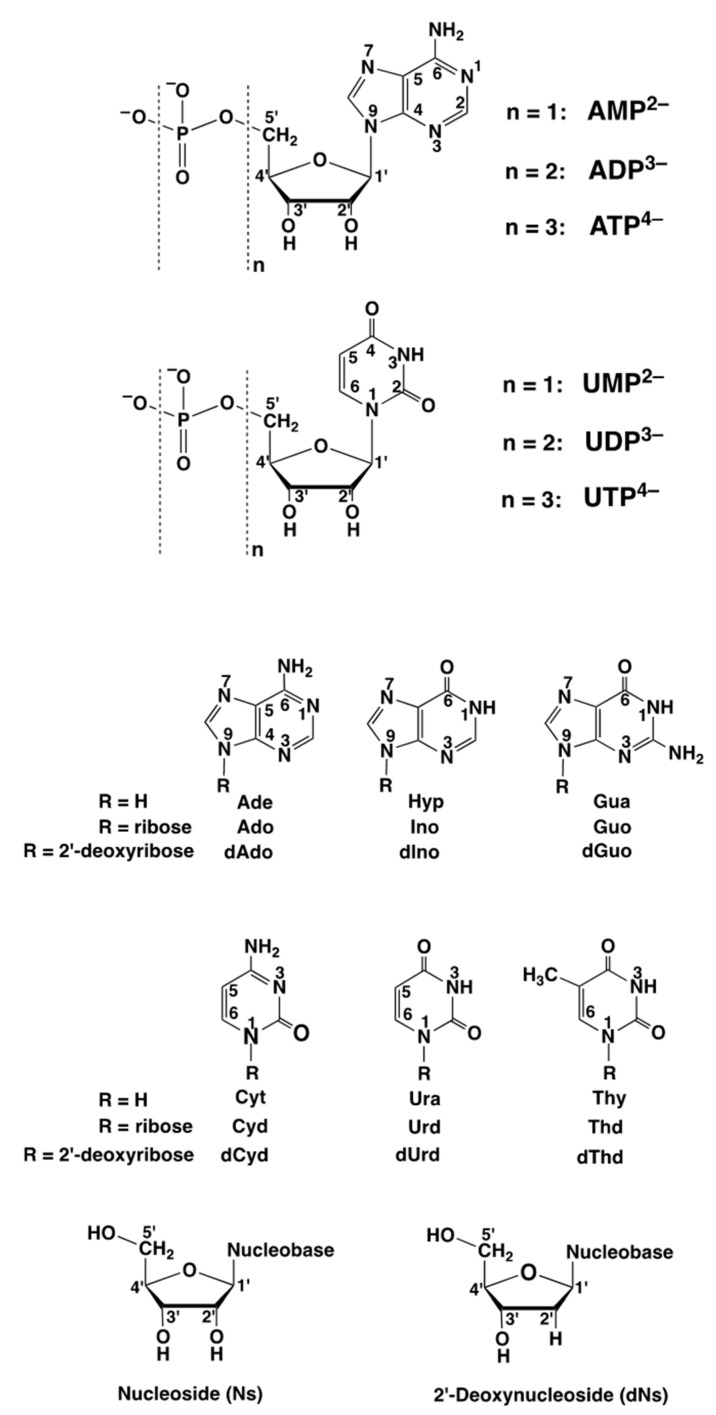
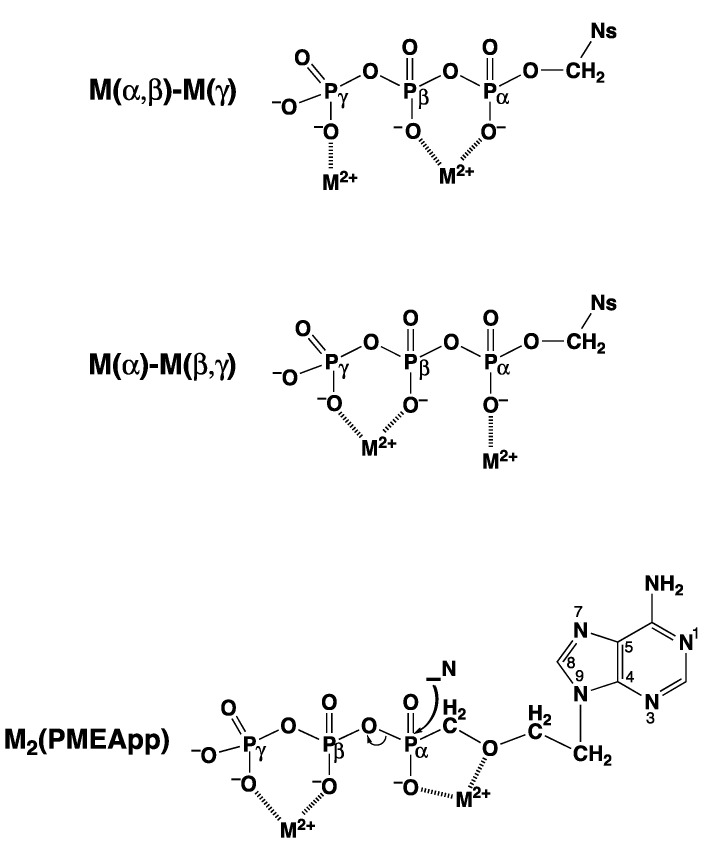
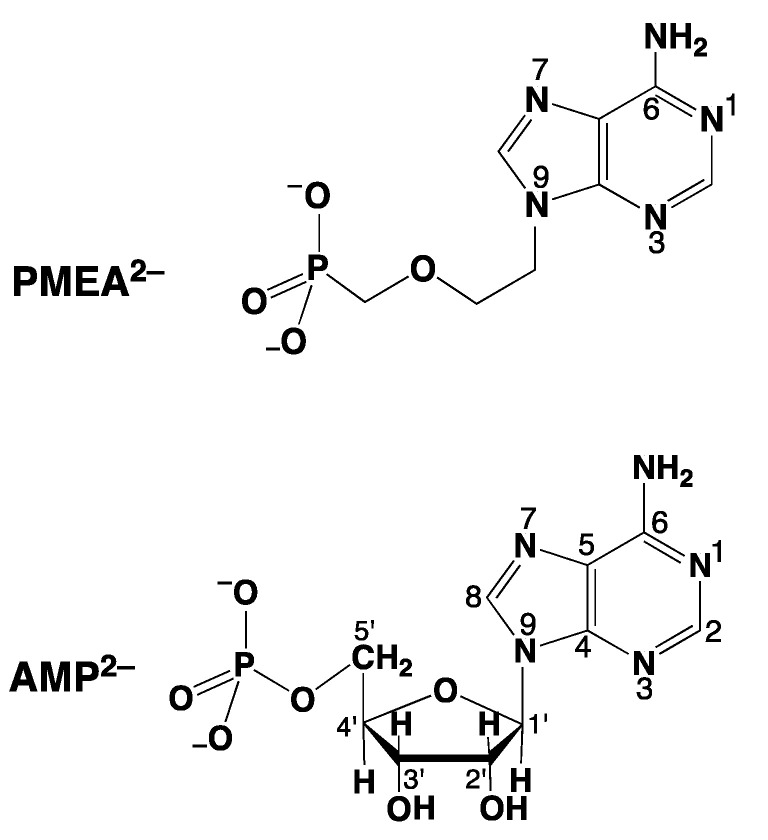
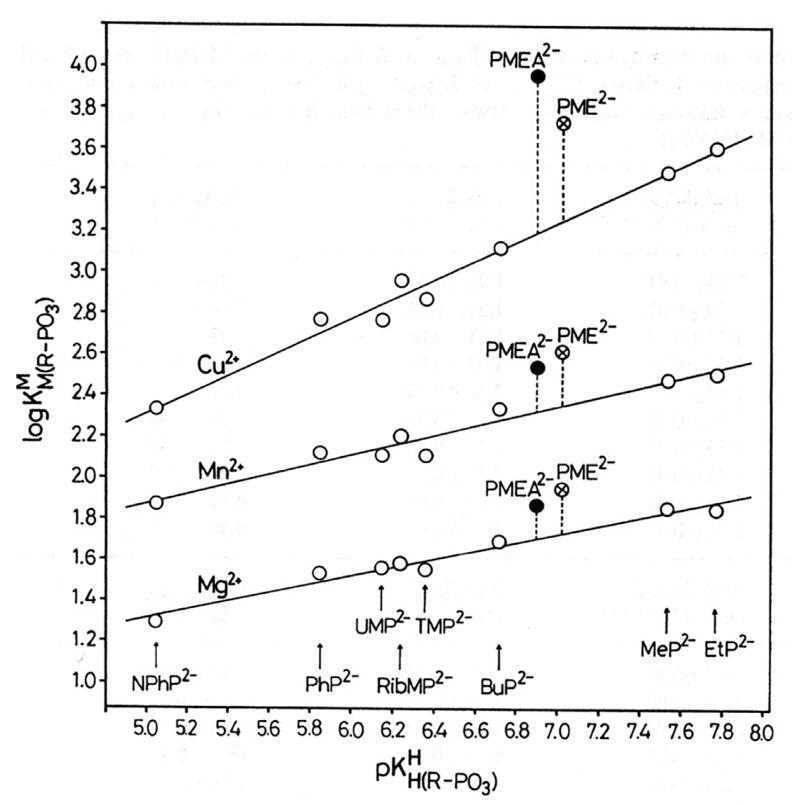
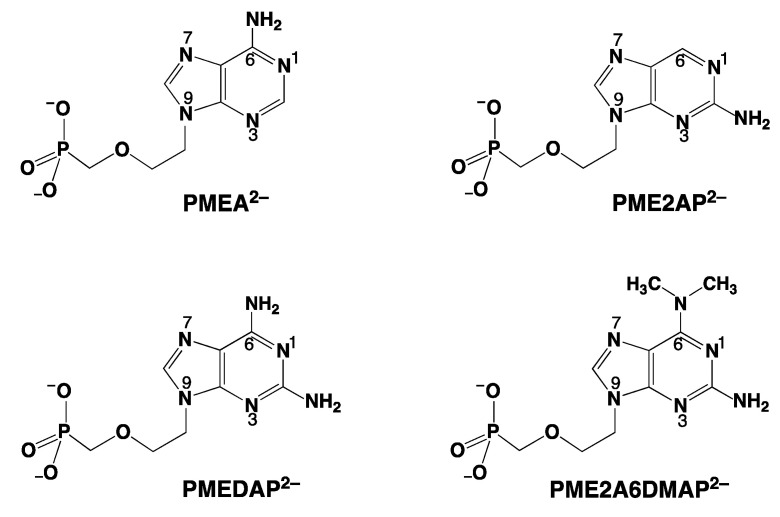
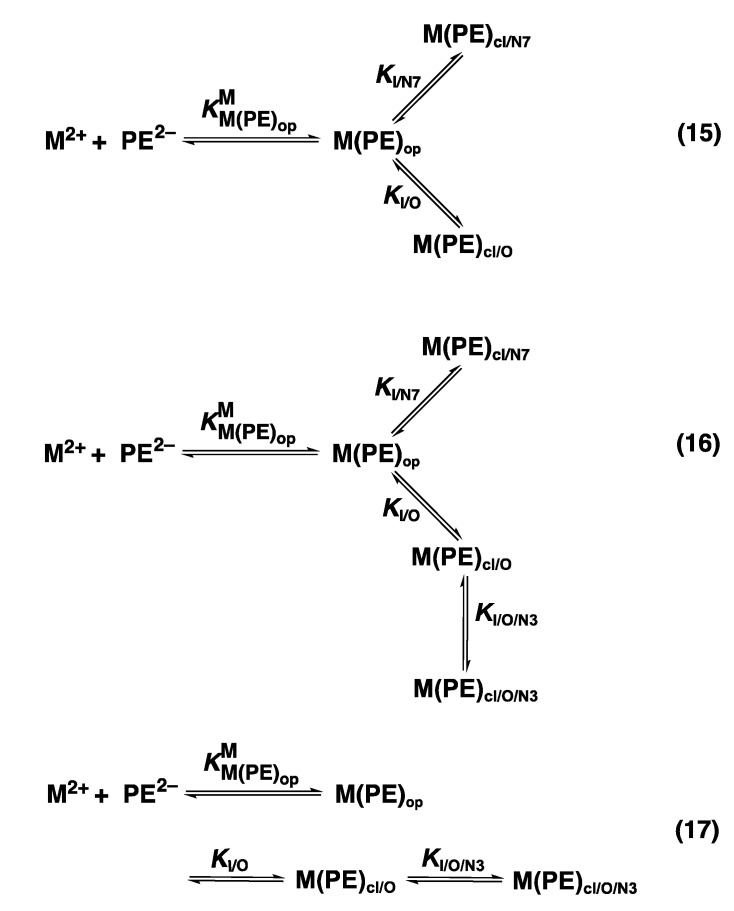
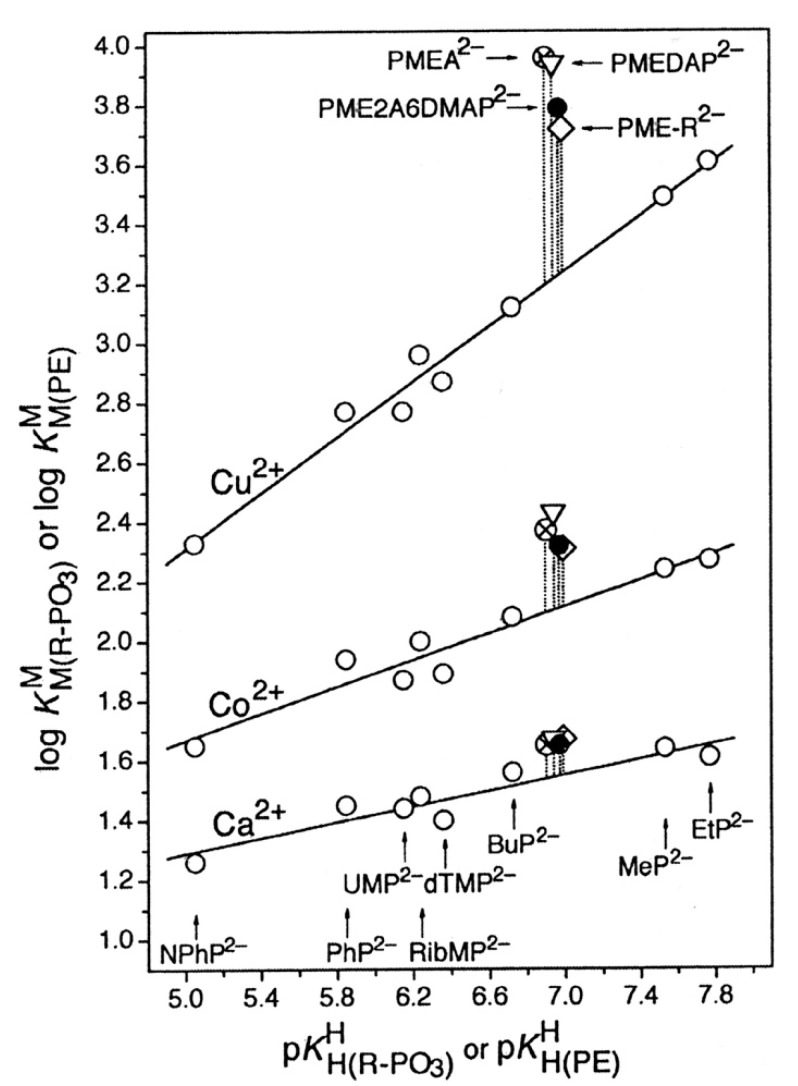
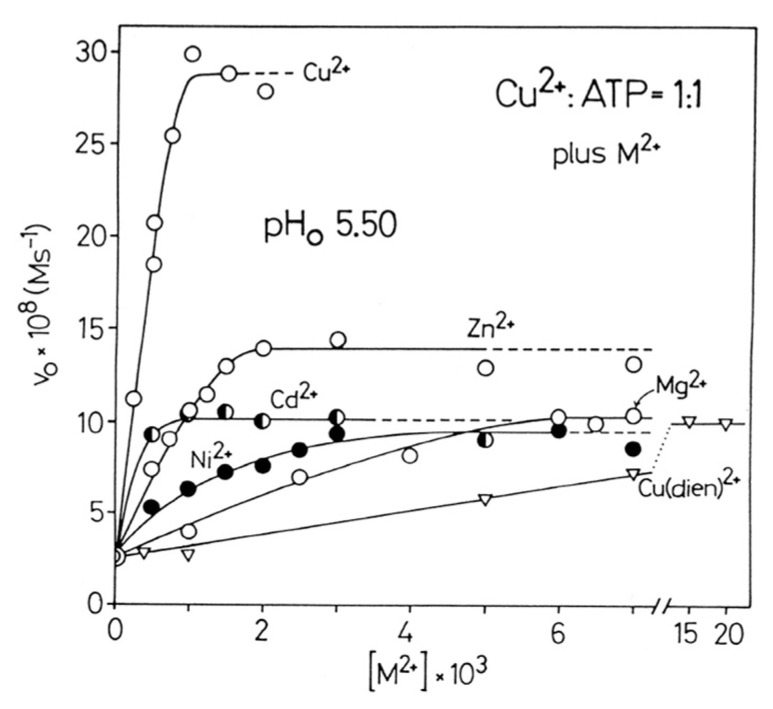
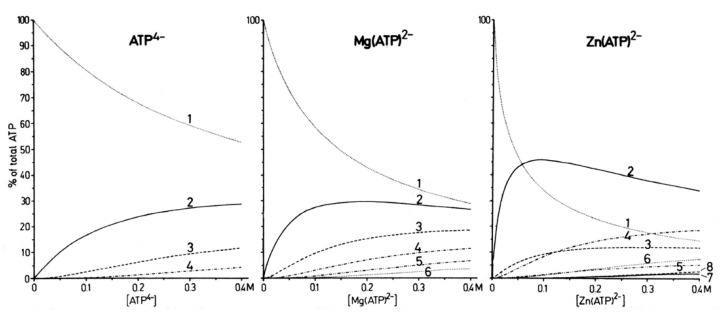
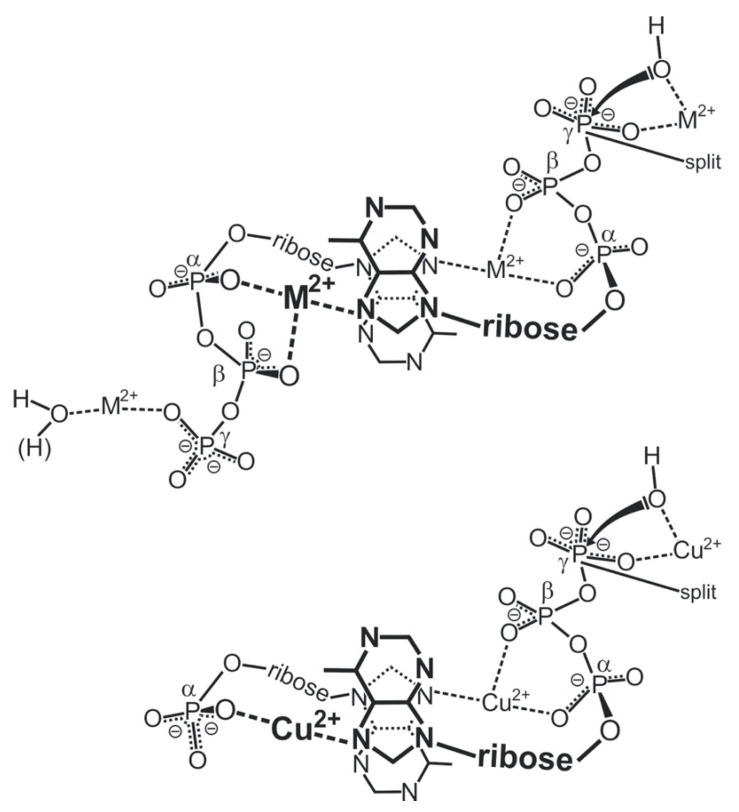
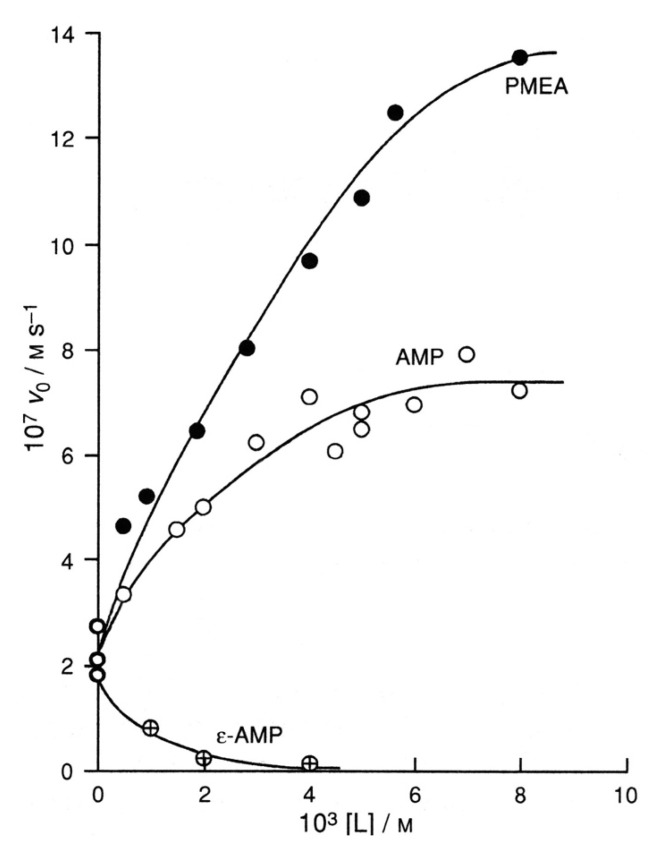
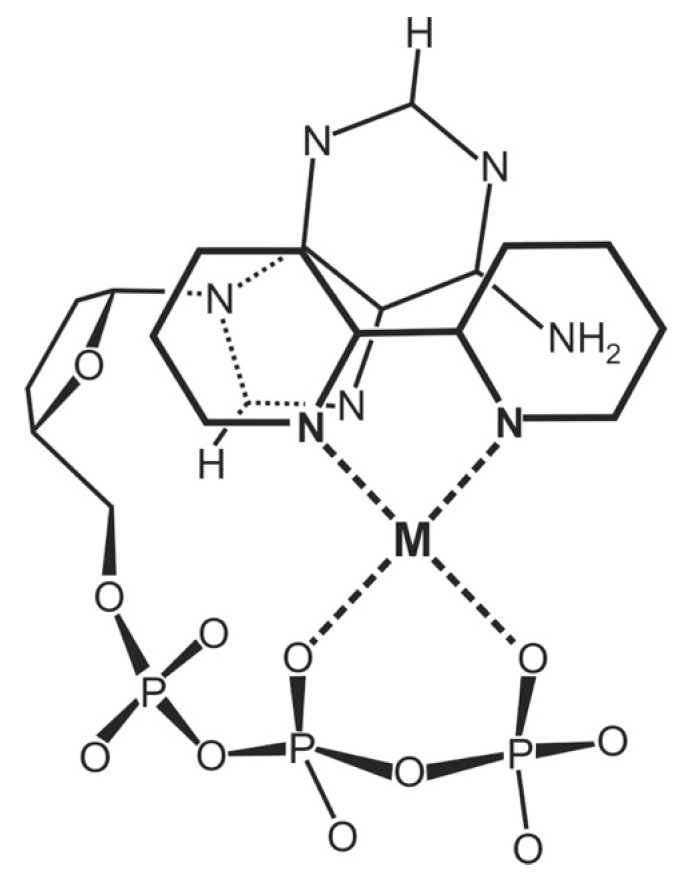
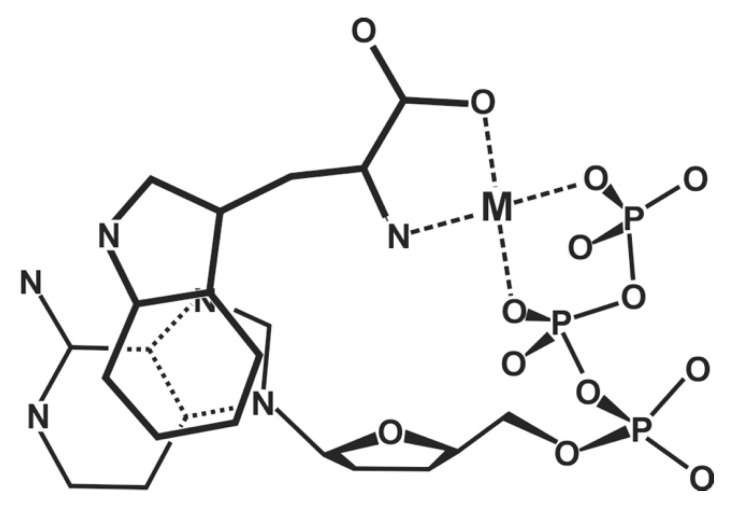
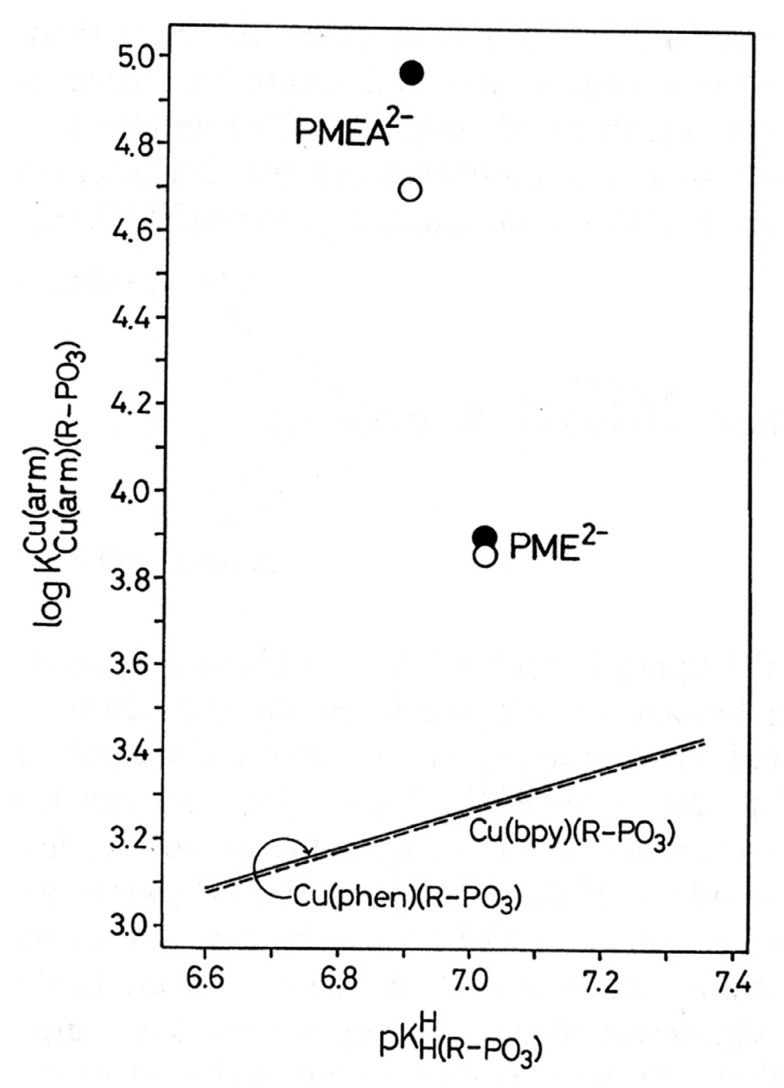
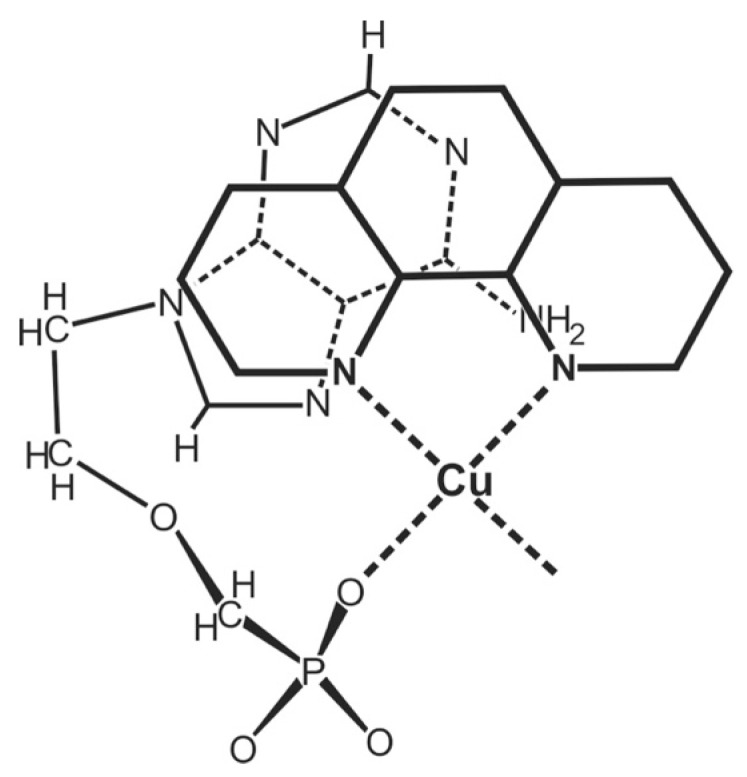
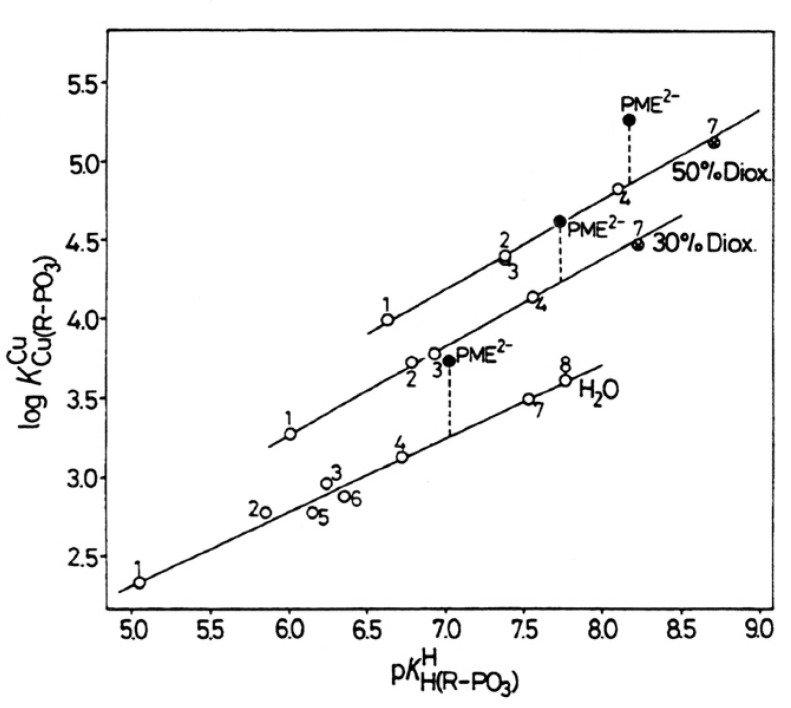
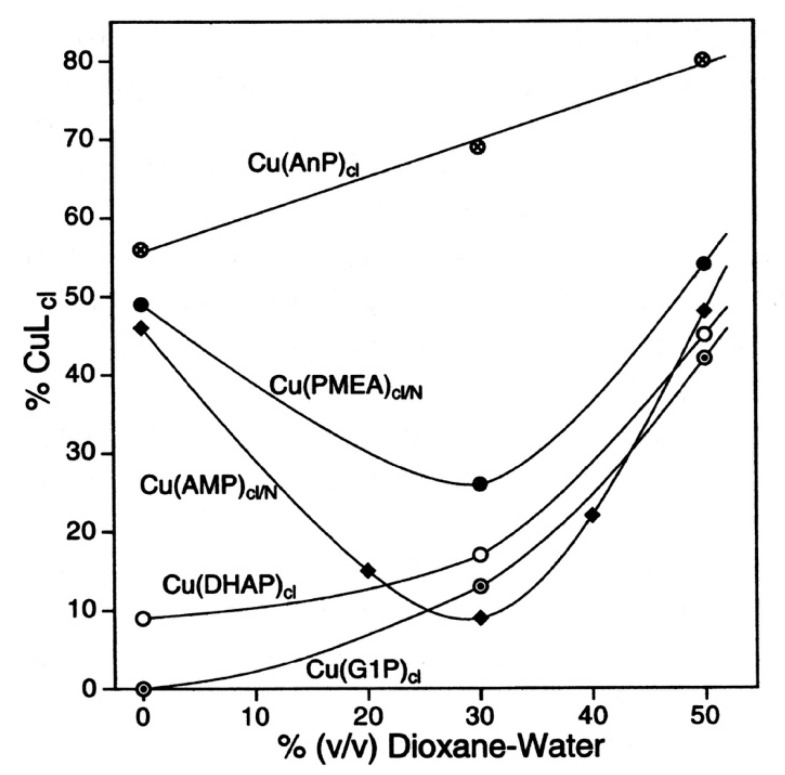
Considering that practically all reactions that involve nucleotides also involve metal ions, it is evident that the coordination chemistry of nucleotides and their derivatives is an essential corner stone of biological inorganic chemistry. Nucleotides are either directly or indirectly involved in all processes occurring in Nature. It is therefore no surprise that the constituents of nucleotides have been chemically altered-that is, at the nucleobase residue, the sugar moiety, and also at the phosphate group, often with the aim of discovering medically useful compounds. Among such derivatives are acyclic nucleoside phosphonates (ANPs), where the sugar moiety has been replaced by an aliphatic chain (often also containing an ether oxygen atom) and the phosphate group has been replaced by a phosphonate carrying a carbon-phosphorus bond to make the compounds less hydrolysis-sensitive. Several of these ANPs show antiviral activity, and some of them are nowadays used as drugs. The antiviral activity results from the incorporation of the ANPs into the growing nucleic acid chain-i.e., polymerases accept the ANPs as substrates, leading to chain termination because of the missing 3'-hydroxyl group. We have tried in this review to describe the coordination chemistry (mainly) of the adenine nucleotides AMP and ATP and whenever possible to compare it with that of the dianion of 9-[2-(phosphonomethoxy)ethyl]adenine (PMEA = adenine(N9)-CH-CH-O-CH-PO32) [or its diphosphate (PMEApp)] as a representative of the ANPs. Why is PMEApp a better substrate for polymerases than ATP? There are three reasons: (i) PMEA with its -like conformation (like AMP) fits well into the active site of the enzyme. (ii) The phosphonate group has an enhanced metal ion affinity because of its increased basicity. (iii) The ether oxygen forms a 5-membered chelate with the neighboring phosphonate and favors thus coordination at the P group. Research on ANPs containing a purine residue revealed that the kind and position of the substituent at C2 or C6 has a significant influence on the biological activity. For example, the shift of the (C6)NH group in PMEA to the C2 position leads to 9-[2-(phosphonomethoxy)ethyl]-2-aminopurine (PME2AP), an isomer with only a moderate antiviral activity. Removal of (C6)NH favors N7 coordination, e.g., of Cu, whereas the ether O atom binding of Cu in PMEA facilitates N3 coordination via adjacent 5- and 7-membered chelates, giving rise to a Cu(PMEA) isomer. If the metal ions (M) are M(α,β)-M(γ)-coordinated at a triphosphate chain, transphosphorylation occurs (kinases, etc.), whereas metal ion binding in a M(α)-M(β,γ)-type fashion is relevant for polymerases. It may be noted that with diphosphorylated PMEA, (PMEApp), the M(α)-M(β,γ) binding is favored because of the formation of the 5-membered chelate involving the ether O atom (see above). The self-association tendency of purines leads to the formation of dimeric M(ATP) stacks, which occur in low concentration and where one half of the molecule undergoes the dephosphorylation reaction and the other half stabilizes the structure-i.e., acts as the "enzyme" by bridging the two ATPs. In accord herewith, one may enhance the reaction rate by adding AMP to the Cu(ATP) solution, as this leads to the formation of mixed stacked Cu(ATP)(AMP)(OH) species, in which AMP takes over the structuring role, while the other "half" of the molecule undergoes dephosphorylation. It may be added that Cu(ATP)(PMEA) or better Cu(ATP)(PMEA)(OH) is even a more reactive species than Cu(ATP)(AMP)(OH). - The matrix-assisted self-association and its significance for cell organelles with high ATP concentrations is summarized and discussed, as is, e.g., the effect of tryptophanate (Trp), which leads to the formation of intramolecular stacks in M(ATP)(Trp) complexes (formation degree about 75%). Furthermore, it is well-known that in the active-site cavities of enzymes the dielectric constant, compared with bulk water, is reduced; therefore, we have summarized and discussed the effect of a change in solvent polarity on the stability and structure of binary and ternary complexes: Opposite effects on charged O sites and neutral N sites are observed, and this leads to interesting insights.
鉴于几乎所有涉及核苷酸的反应也都涉及金属离子,显然核苷酸及其衍生物的配位化学是生物无机化学的重要基石。核苷酸直接或间接地参与自然界中发生的所有过程。因此,核苷酸的组成部分发生化学改变也就不足为奇了——也就是说,在核碱基残基、糖部分以及磷酸基团处都发生了改变,其目的通常是发现具有医学用途的化合物。这类衍生物包括无环核苷膦酸酯(ANP),其中糖部分被脂肪族链(通常还含有一个醚氧原子)取代,磷酸基团被带有碳 - 磷键的膦酸酯取代,以使化合物对水解不那么敏感。其中几种ANP具有抗病毒活性,如今有些已用作药物。抗病毒活性源于ANP掺入正在生长的核酸链中——即聚合酶将ANP作为底物接受,由于缺少3'-羟基而导致链终止。在本综述中,我们试图描述腺嘌呤核苷酸AMP和ATP的配位化学(主要是),并尽可能将其与9 - [2 - (膦酰甲氧基)乙基]腺嘌呤(PMEA = 腺嘌呤(N9) - CH - CH - O - CH - PO32)[或其二磷酸酯(PMEApp)]的二价阴离子的配位化学进行比较,PMEApp作为ANP的代表。为什么PMEApp比ATP更适合作为聚合酶的底物呢?有三个原因:(i)具有类似AMP构象的PMEA能很好地契合酶的活性位点。(ii)膦酸酯基团由于碱性增强而具有更高的金属离子亲和力。(iii)醚氧与相邻的膦酸酯形成一个五元螯合物,从而有利于在磷原子处配位。对含有嘌呤残基的ANP的研究表明,C2或C6处取代基的种类和位置对生物活性有显著影响。例如,PMEA中(C6)NH基团迁移到C2位置会生成9 - [2 - (膦酰甲氧基)乙基] - 2 - 氨基嘌呤(PME2AP),这是一种抗病毒活性中等的异构体。去除(C6)NH有利于N7配位,例如与铜的配位,而PMEA中铜与醚氧原子的结合通过相邻的五元环和七元环螯合物促进N3配位,从而产生一种Cu(PMEA)异构体。如果金属离子(M)以M(α,β) - M(γ)的方式配位在三磷酸链上,就会发生转磷酸化反应(激酶等),而以M(α) - M(β,γ)类型的方式结合金属离子则与聚合酶相关。可以注意到,对于二磷酸化的PMEA(PMEApp),由于形成了涉及醚氧原子的五元螯合物(见上文),M(α) - M(β,γ)结合更受青睐。嘌呤的自缔合倾向导致形成二聚体[M(ATP)](OH)堆积物,这种堆积物在低浓度下出现,其中分子的一半发生去磷酸化反应,另一半稳定结构——即通过桥接两个ATP起到“酶”的作用。与此一致的是,可以通过向[Cu(ATP)](OH)溶液中添加AMP来提高反应速率,因为这会导致形成混合堆积的Cu(ATP)(AMP)(OH)物种,其中AMP承担结构构建的角色,而分子的另“一半”发生去磷酸化反应。还可以补充的是,Cu(ATP)(PMEA)或者更好的Cu(ATP)(PMEA)(OH)甚至比Cu(ATP)(AMP)(OH)更具反应活性。——总结并讨论了基质辅助的自缔合及其对具有高ATP浓度的细胞器的意义,例如色氨酸盐(Trp)的影响,它会导致在M(ATP)(Trp)络合物中形成分子内堆积物(形成程度约为75%)。此外,众所周知,在酶的活性位点腔中,与大量水相比,介电常数降低;因此,我们总结并讨论了溶剂极性变化对二元和三元络合物稳定性和结构的影响:观察到对带电荷的氧位点和中性氮位点有相反的影响,这带来了有趣的见解。