Department of Neuroscience, Mayo Clinic College of Medicine, 4500 San Pablo Rd S, Jacksonville, FL, 32224, USA.
Mol Neurodegener. 2012 Aug 14;7:39. doi: 10.1186/1750-1326-7-39.
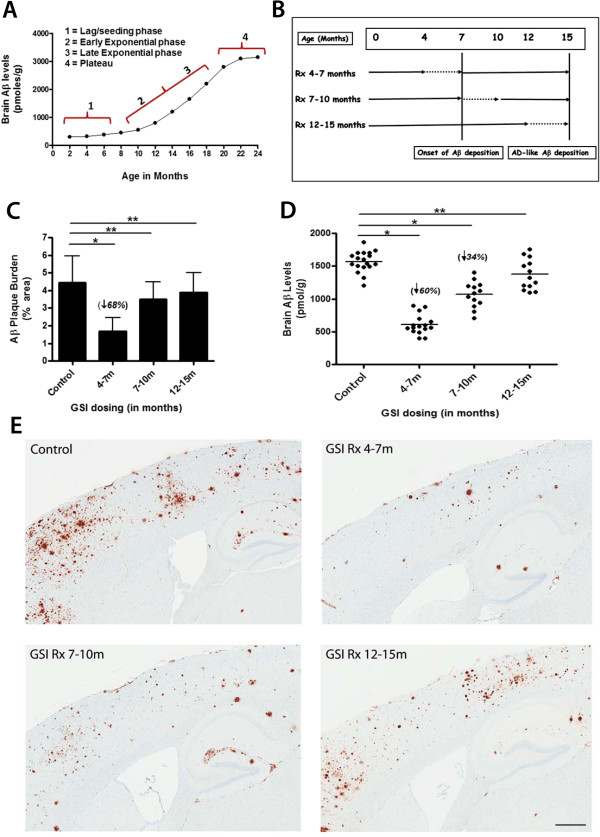
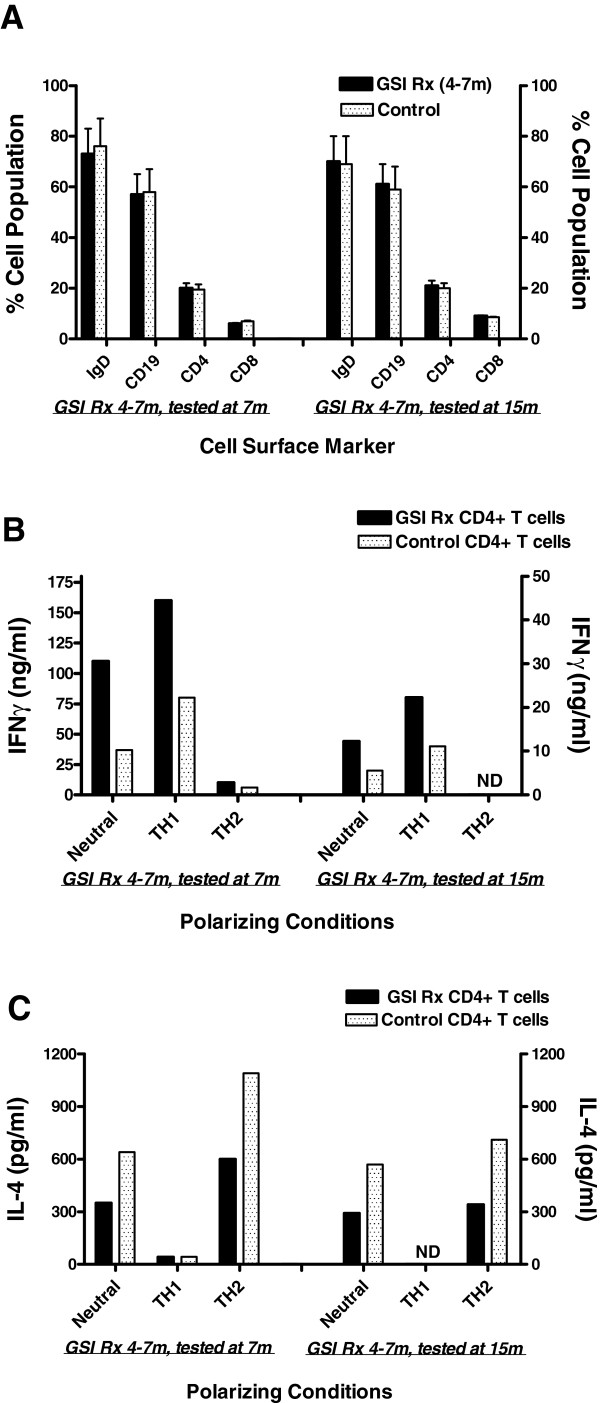
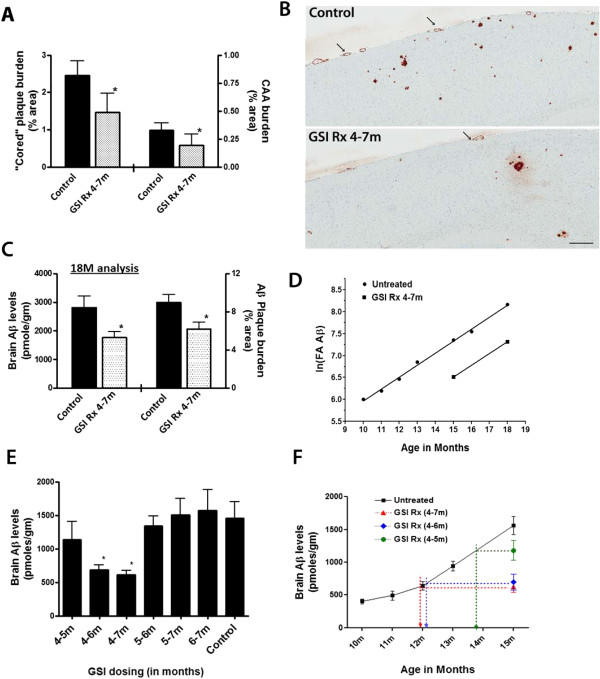
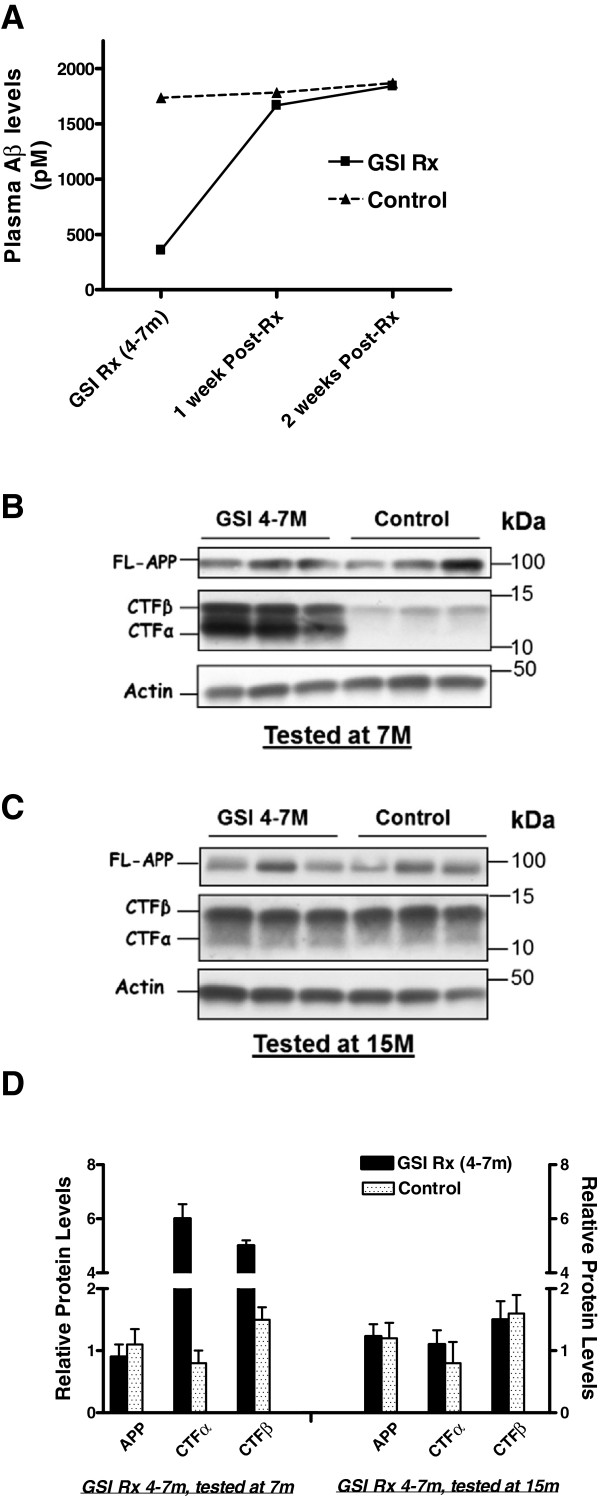
Alzheimer's disease (AD) is the leading cause of dementia among the elderly. Disease modifying therapies targeting Aβ that are in development have been proposed to be more effective if treatment was initiated prior to significant accumulation of Aβ in the brain, but optimal timing of treatment initiation has not been clearly established in the clinic. We compared the efficacy of transient pharmacologic reduction of brain Aβ with a γ-secretase inhibitor (GSI ) for 1-3 months (M) treatment windows in APP Tg2576 mice and subsequent aging of the mice to either 15M or 18M.
These data show that reducing Aβ production in a 2-3M windows both initiated and discontinued before detectable Aβ deposition has the most significant impact on Aβ loads up to 11M after treatment discontinuation. In contrast, initiation of treatment for 3M windows from 7-10M or 12-15M shows progressively decreasing efficacy.
These data have major implications for clinical testing of therapeutics aimed at lowering Aβ production, indicating that; i) these therapies may have little efficacy unless tested as prophylactics or in the earliest preclinical stage of AD where there is no or minimal Aβ accumulation and ii) lowering Aβ production transiently during a critical pre-deposition window potentially provides long-lasting efficacy after discontinuation of the treatment.
阿尔茨海默病(AD)是老年人痴呆症的主要原因。目前正在开发针对 Aβ 的疾病修饰疗法,如果在大脑中 Aβ 大量积累之前开始治疗,可能会更有效,但在临床上尚未明确确定治疗开始的最佳时机。我们比较了 APP Tg2576 小鼠中短暂的脑 Aβ 药理降低与 γ-分泌酶抑制剂(GSI)治疗 1-3 个月(M)治疗窗,以及随后的小鼠老化至 15M 或 18M 的疗效。
这些数据表明,在可检测到 Aβ 沉积之前,在 2-3M 窗口内减少 Aβ 产生的作用,无论是在治疗停止后 11M 之前还是之后,对 Aβ 负荷的影响最大。相比之下,从 7-10M 或 12-15M 开始治疗 3M 窗口显示出逐渐降低的疗效。
这些数据对旨在降低 Aβ 产生的治疗方法的临床测试具有重大意义,表明:i)这些疗法可能没有疗效,除非作为预防剂或在 AD 的最早临床前阶段进行测试,此时没有或只有最小的 Aβ 积累,ii)在沉积前的关键窗口内短暂降低 Aβ 产生,在停止治疗后可能提供持久的疗效。