Department of Biology, Emory University, Atlanta, GA 30322, USA.
Genome Res. 2012 Nov;22(11):2199-207. doi: 10.1101/gr.142125.112. Epub 2012 Aug 15.
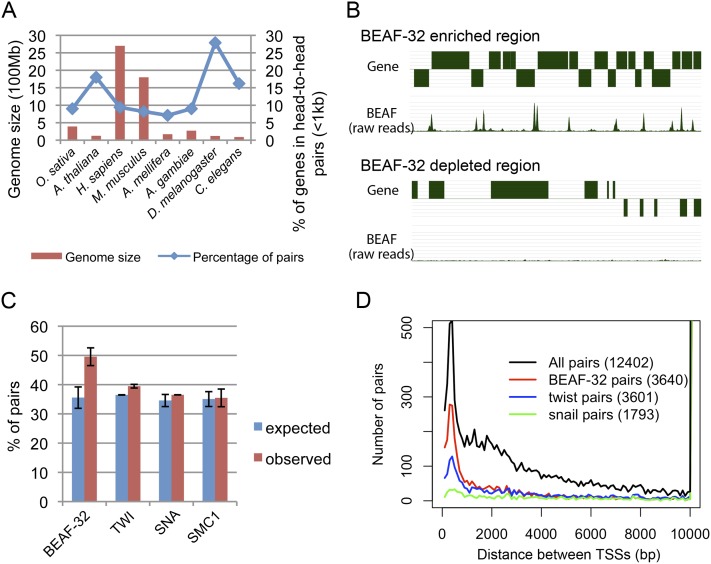
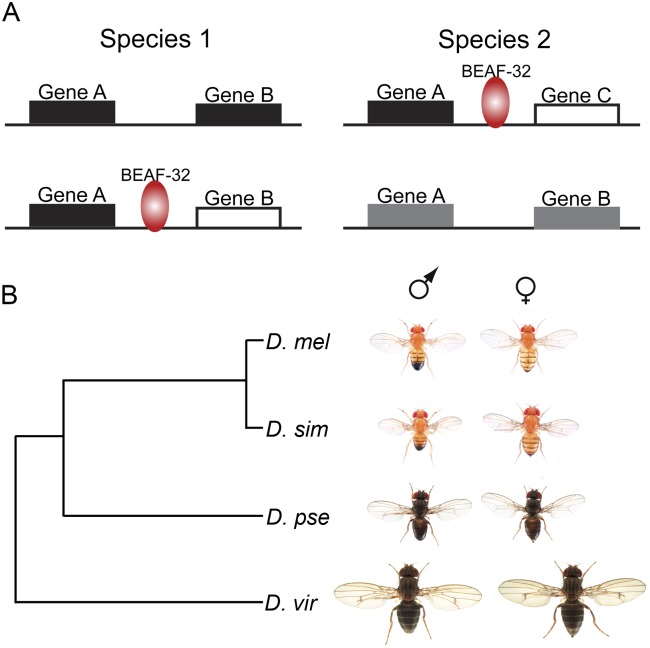
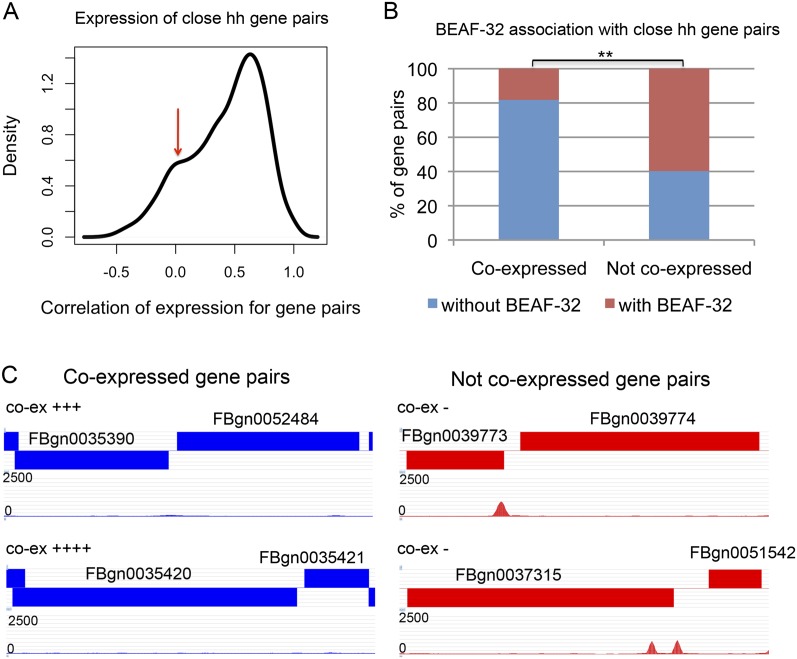
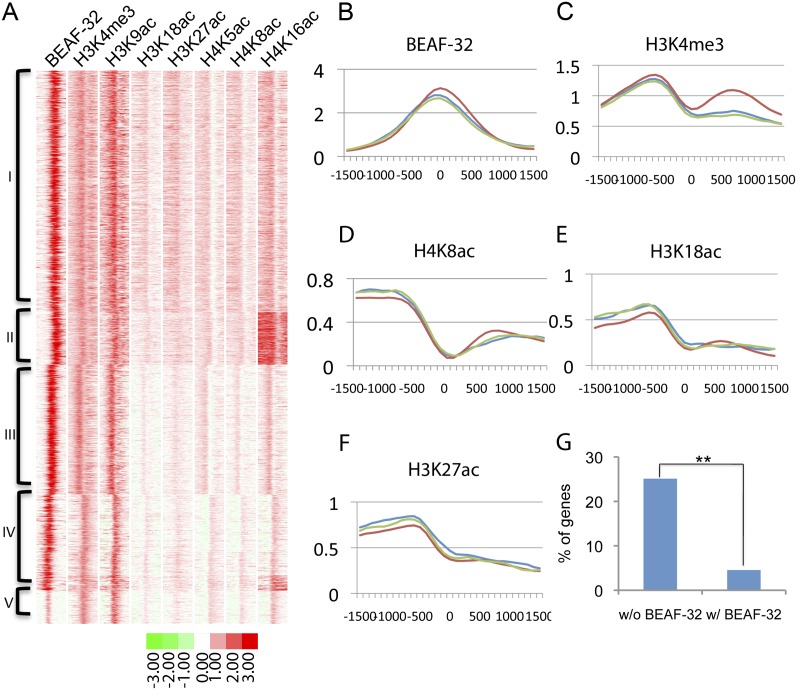
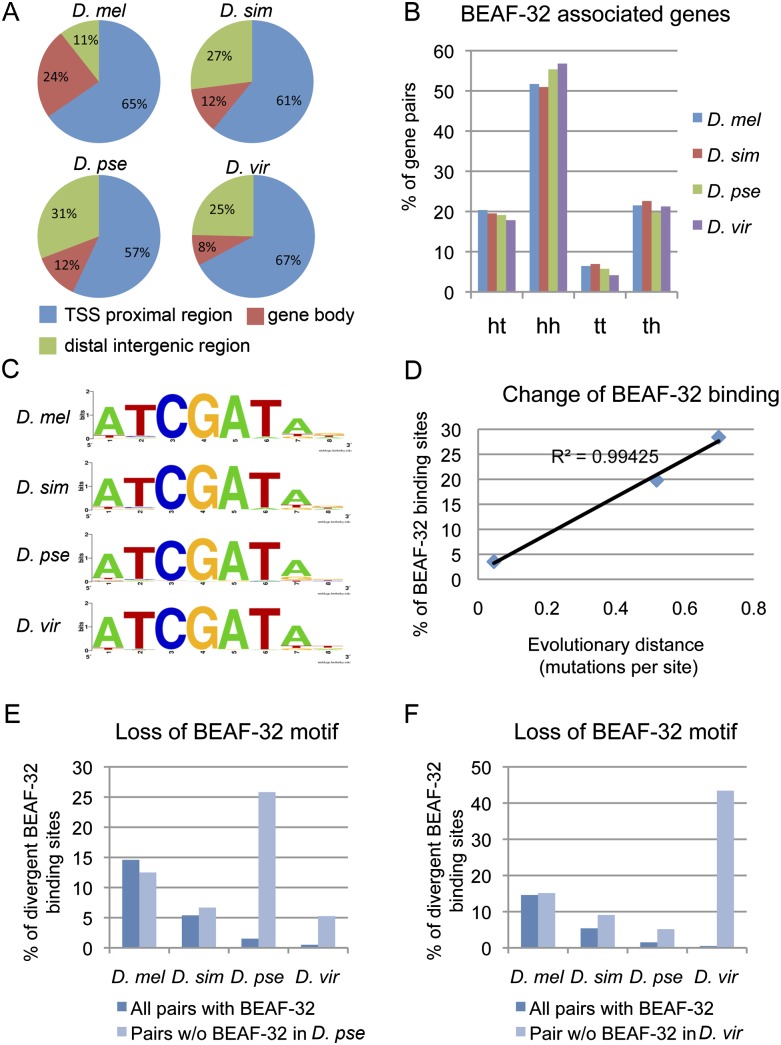
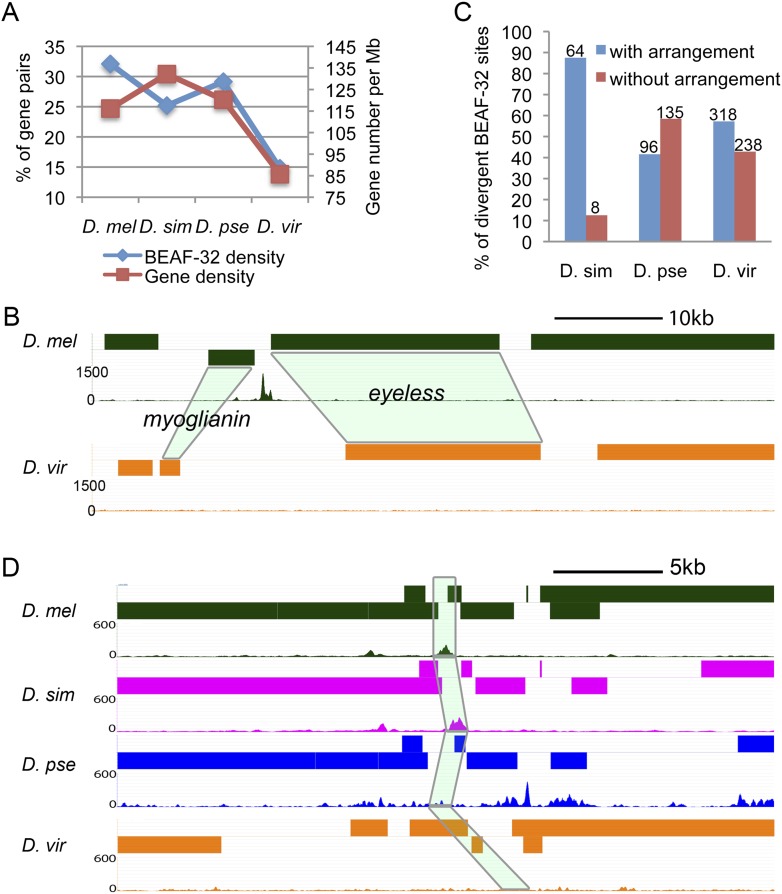
Understanding the relationship between genome organization and expression is central to understanding genome function. Closely apposed genes in a head-to-head orientation share the same upstream region and are likely to be coregulated. Here we identify the Drosophila BEAF-32 insulator as a cis regulatory element separating close head-to-head genes with different transcription regulation modes. We then compare the binding landscapes of the BEAF-32 insulator protein in four different Drosophila genomes and highlight the evolutionarily conserved presence of this protein between close adjacent genes. We find that changes in binding of BEAF-32 to sites in the genome of different Drosophila species correlate with alterations in genome organization caused by DNA rearrangements or genome size expansion. The cross-talk between BEAF-32 genomic distribution and genome organization contributes to new gene-expression profiles, which in turn translate into specific and distinct phenotypes. The results suggest a mechanism for the establishment of differences in transcription patterns during evolution.
理解基因组组织和表达之间的关系是理解基因组功能的核心。在头对头方向紧密排列的基因共享相同的上游区域,并且可能受到共同调控。在这里,我们确定果蝇 BEAF-32 绝缘子作为一个顺式调控元件,将具有不同转录调控模式的紧密头对头基因分隔开。然后,我们比较了 BEAF-32 绝缘子蛋白在四个不同的果蝇基因组中的结合图谱,并强调了这种蛋白在紧密相邻基因之间的进化保守存在。我们发现,BEAF-32 在不同果蝇物种基因组中结合位点的变化与由 DNA 重排或基因组大小扩张引起的基因组组织变化相关。BEAF-32 基因组分布与基因组组织之间的相互作用导致新的基因表达谱,进而转化为特定而独特的表型。结果表明了在进化过程中建立转录模式差异的一种机制。