Department of Oncology, Affiliated Hospital of Guangdong Medical College, Zhanjiang 524001, China.
J Exp Clin Cancer Res. 2012 Aug 17;31(1):64. doi: 10.1186/1756-9966-31-64.
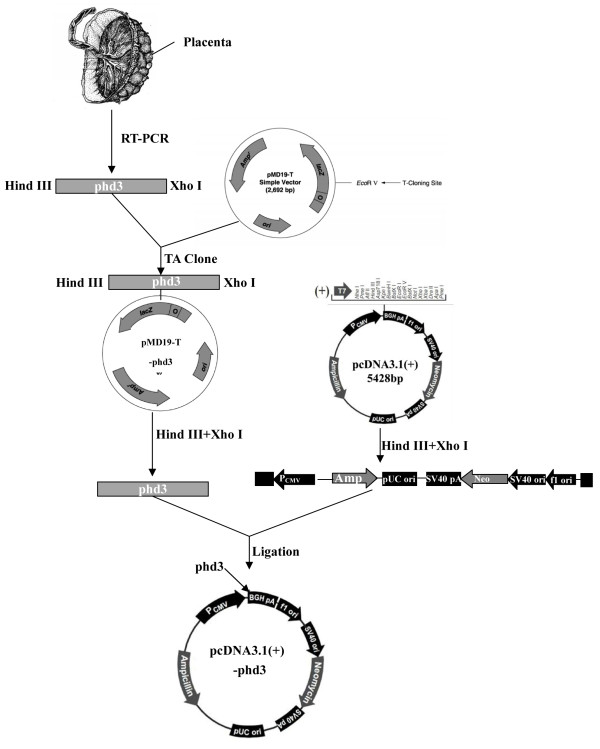
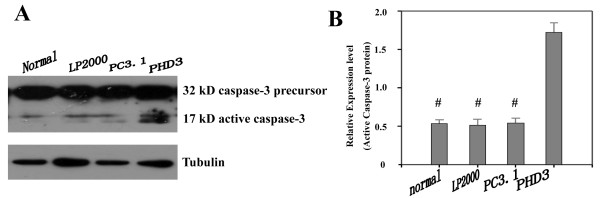
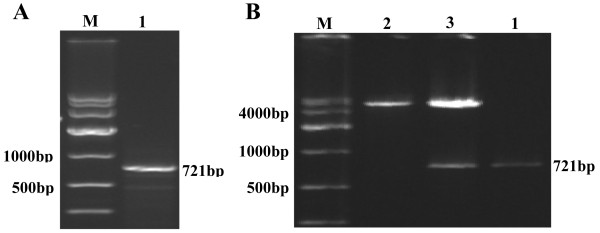
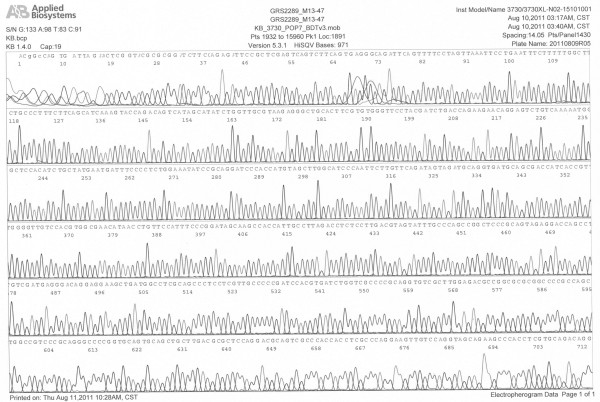
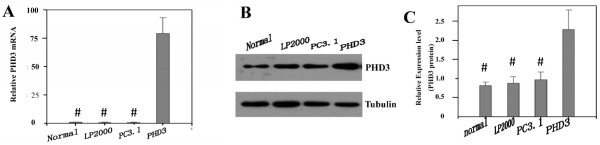
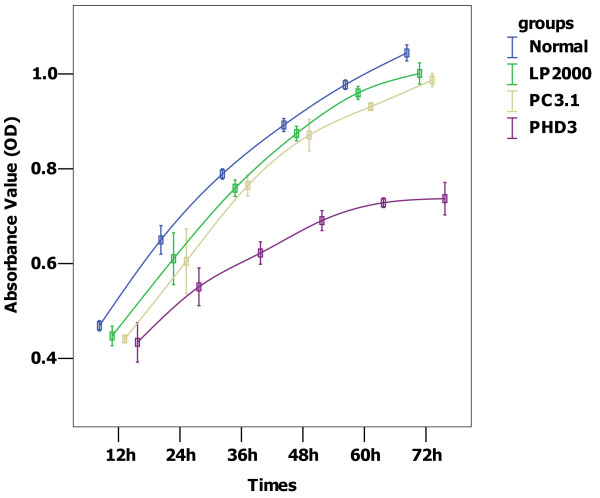
Prolyl hydroxylase domain 3 (PHD3) is a hypoxia inducible factor-α (HIFα) regulator; it degrades HIFα in the presence of oxygen. Recently, there have been an increasing number of studies about the role of PHD3 in proliferation and apoptosis of cancer cells. However, most of the evidence for the role of PHD3 is observational, and little is known of the molecular mechanism. In our current study, we constructed a recombinant eukaryotic expression vector containing the PHD3 gene and detected its biological activity in human hepatoma cell line (HepG2 cells). We successfully constructed a recombinant pcDNA 3.1(+)-PHD3 plasmid; the results showed that PHD3 overexpression could inhibit the proliferation of HepG2 cells and induce apoptosis by activating caspase-3 activity. Our study has provided preliminary materials and data for further investigation of the effect of PHD3 on HepG2 cells.
脯氨酰羟化酶结构域 3(PHD3)是缺氧诱导因子-α(HIFα)的调节因子;在氧存在的情况下,它会使 HIFα降解。最近,越来越多的研究关注 PHD3 在癌细胞增殖和凋亡中的作用。然而,PHD3 作用的大部分证据是观察性的,其分子机制知之甚少。在我们目前的研究中,我们构建了一个含有 PHD3 基因的重组真核表达载体,并在人肝癌细胞系(HepG2 细胞)中检测了其生物学活性。我们成功构建了重组 pcDNA 3.1(+)-PHD3 质粒;结果表明,PHD3 过表达可以通过激活 caspase-3 活性来抑制 HepG2 细胞的增殖并诱导凋亡。我们的研究为进一步研究 PHD3 对 HepG2 细胞的影响提供了初步的材料和数据。