Department of Pharmacology, University of Maryland, School of Medicine, Baltimore, MD 21201-1559, USA.
Cell Death Dis. 2012 Aug 16;3(8):e371. doi: 10.1038/cddis.2012.108.
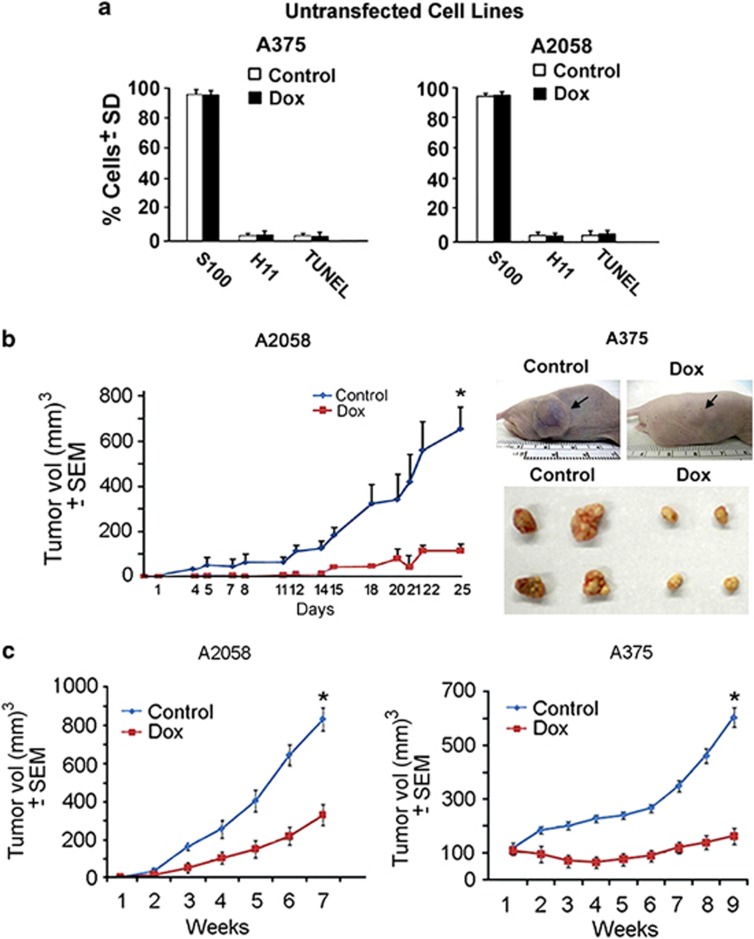
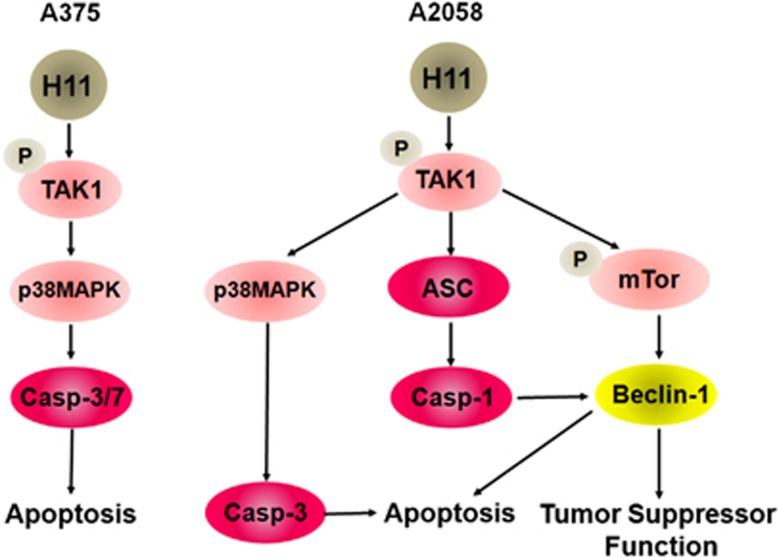
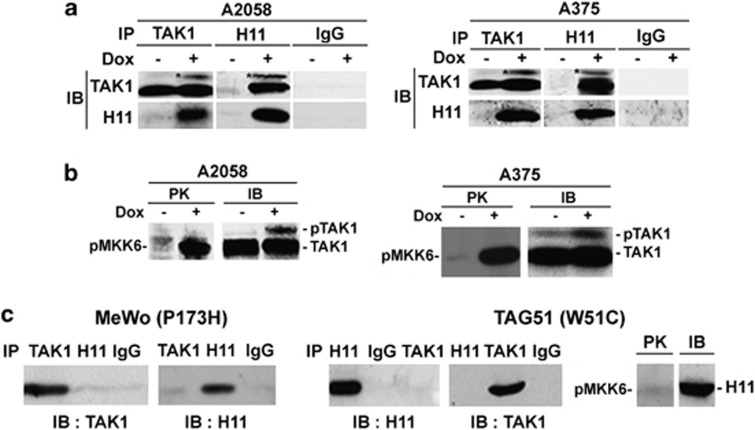
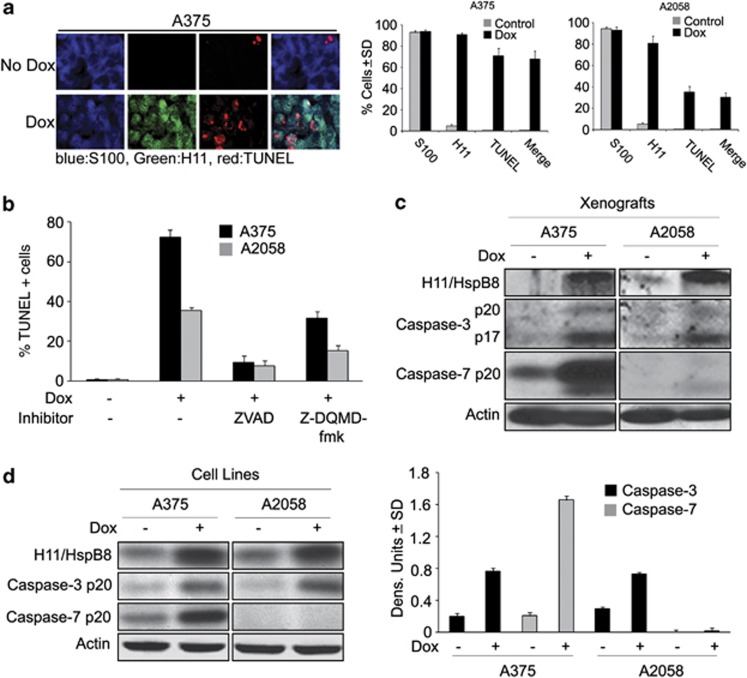
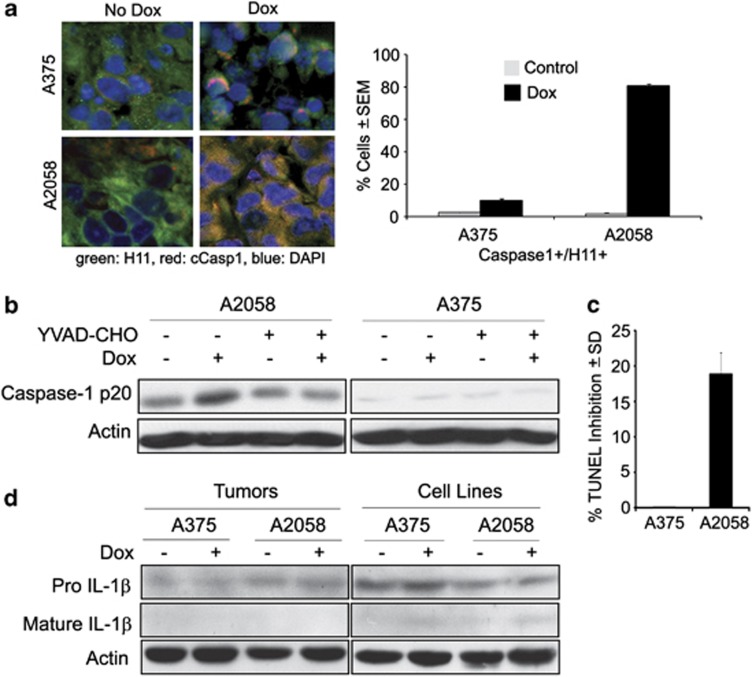
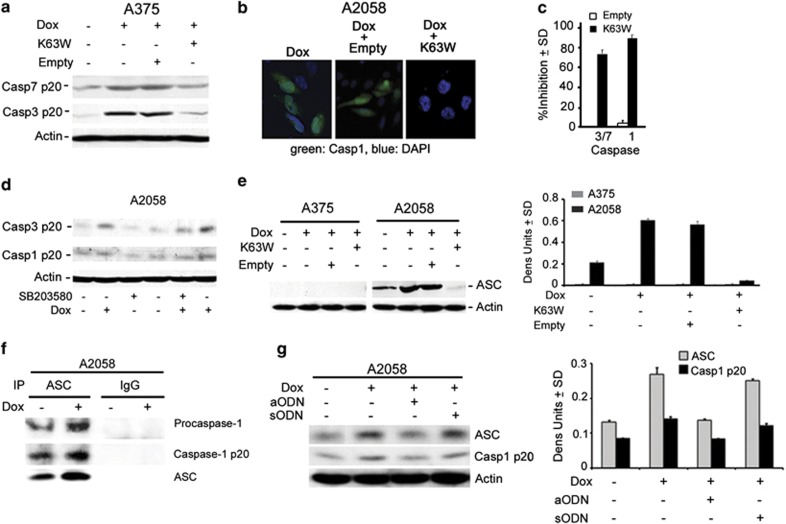
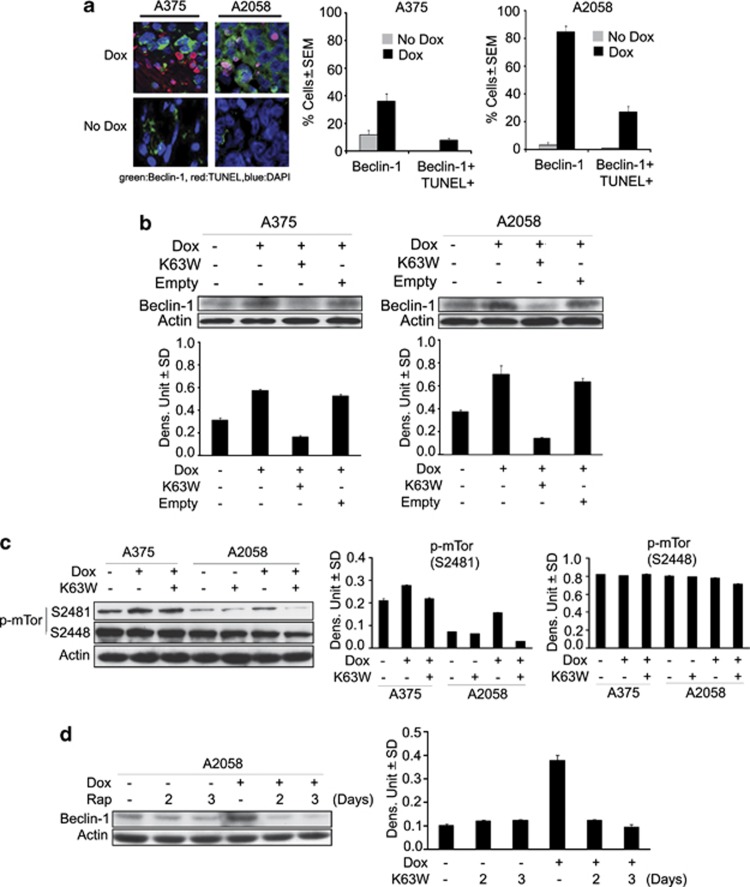
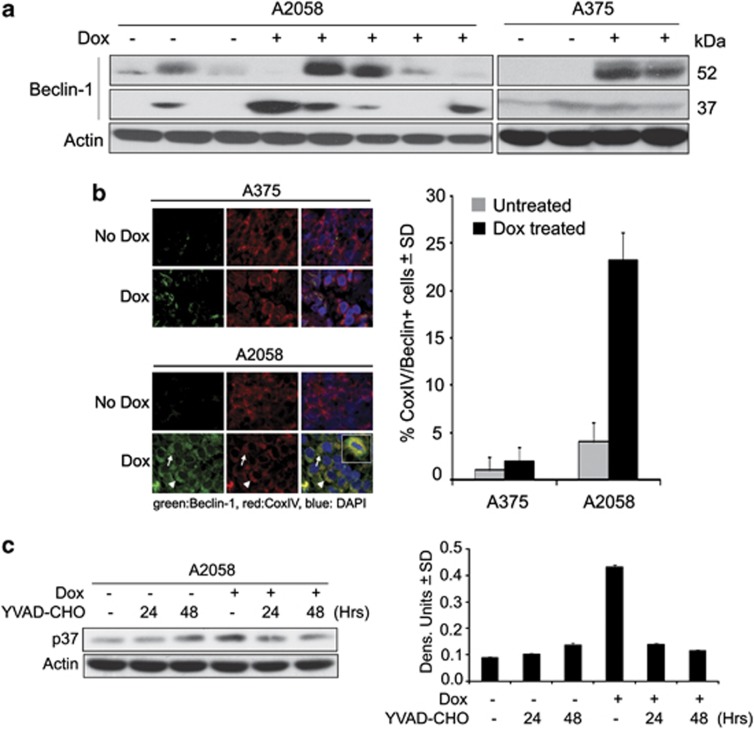
Melanoma is an aggressive and drug-resistant cancer in need of improved therapeutic strategies. Restored expression of transcriptionally silenced genes is a potential approach, but it is limited by the genetic diversity of the melanoma tumors. The atypical heat shock protein H11/HspB8 has kinase activity and is silenced in melanoma through aberrant DNA methylation. We report that its restored expression induces the death of genetically diverse melanoma lines and inhibits tumor growth through the activation of novel TAK1-dependent death pathways. These include (i) caspase-1 activation independent of the inflammasome through upregulation of apoptosis-associated speck-like protein containing a CARD (ASC), (ii) Beclin-1 upregulation through phosphorylation of mammalian target of rapamycin (mTOR) at S2481 and (iii) apoptosis caused by caspase-1-mediated Beclin-1 cleavage. These data extend current understanding of cell death-associated functions, underscore the strong therapeutic promise of H11/HspB8 and identify TAK1 as a potential intervention target in melanoma.
黑色素瘤是一种侵袭性和耐药性的癌症,需要改进的治疗策略。转录沉默基因的表达恢复是一种潜在的方法,但受到黑色素瘤肿瘤遗传多样性的限制。非典型热休克蛋白 H11/HspB8 具有激酶活性,并通过异常的 DNA 甲基化在黑色素瘤中被沉默。我们报告说,其表达的恢复诱导遗传多样性的黑色素瘤系的死亡,并通过激活新的 TAK1 依赖性死亡途径抑制肿瘤生长。这些途径包括:(i)通过上调凋亡相关斑点样蛋白包含一个 CARD(ASC),不依赖于炎症小体的半胱天冬酶-1 激活;(ii)通过 mTOR 在 S2481 处的磷酸化来上调 Beclin-1;(iii)通过半胱天冬酶-1 介导的 Beclin-1 切割引起的细胞凋亡。这些数据扩展了细胞死亡相关功能的现有认识,强调了 H11/HspB8 的强大治疗潜力,并确定 TAK1 为黑色素瘤的潜在干预靶点。