Ma Lichun, Zheng Jie
Biomedical Informatics Lab, School of Computer Science and Engineering, Nanyang Technological University, Singapore, 639798, Singapore.
Genome Institute of Singapore, A*STAR, Singapore, 138672, Singapore.
BMC Syst Biol. 2017 Dec 21;11(Suppl 7):126. doi: 10.1186/s12918-017-0502-5.
Cell fate regulation directly affects tissue homeostasis and human health. Research on cell fate decision sheds light on key regulators, facilitates understanding the mechanisms, and suggests novel strategies to treat human diseases that are related to abnormal cell development.
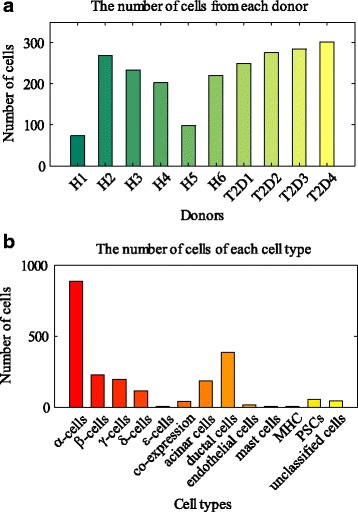
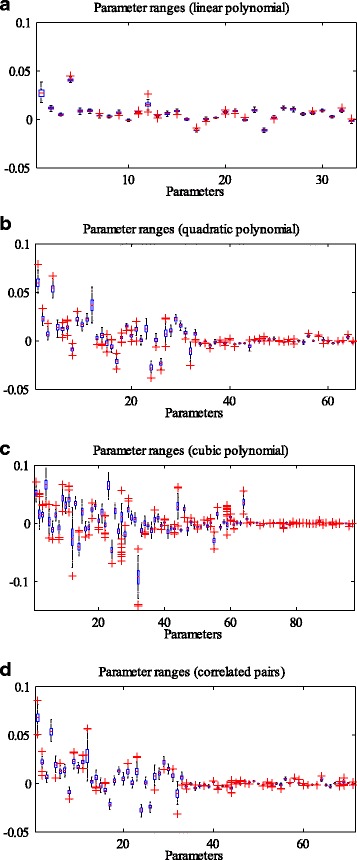
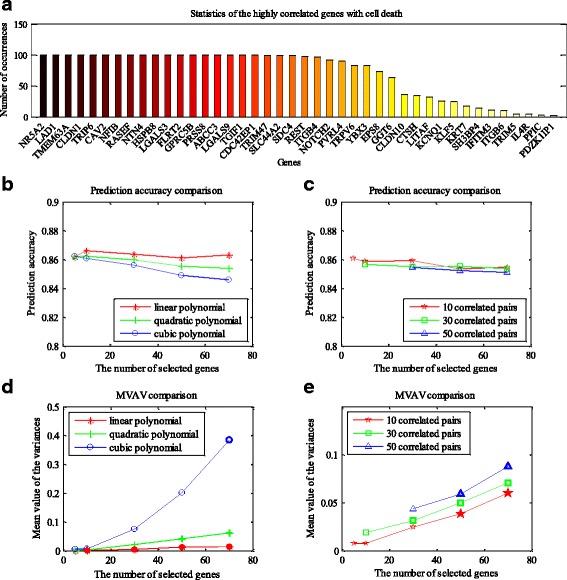
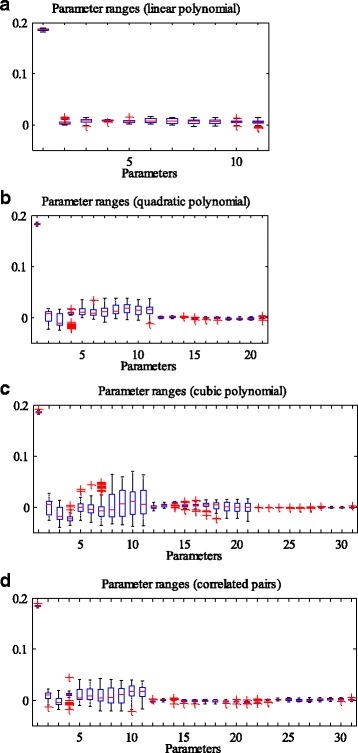
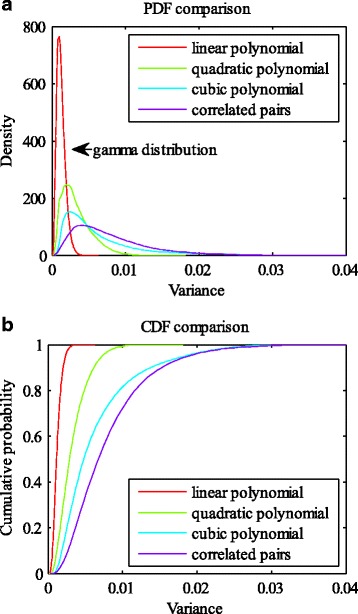
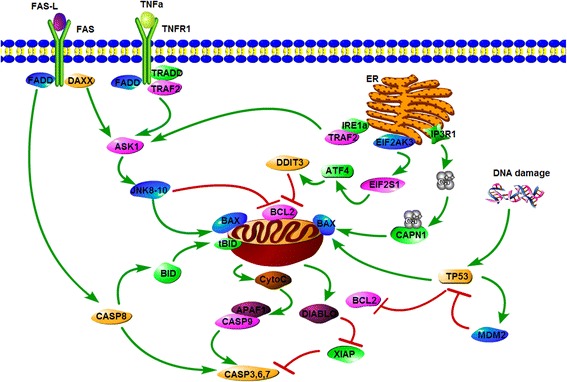
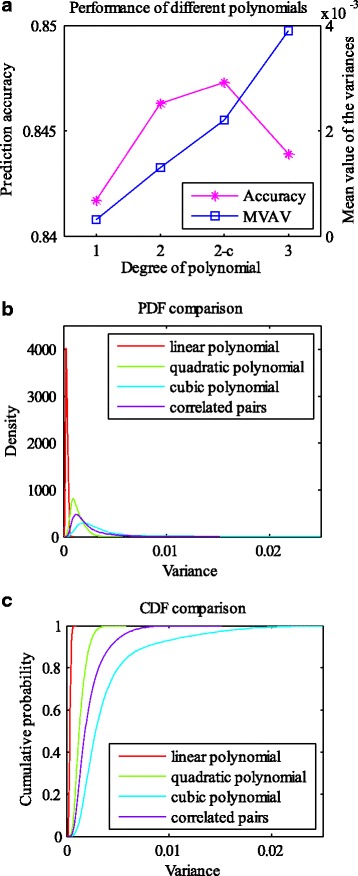
In this study, we proposed a polynomial based model to predict cell fate. This model was derived from Taylor series. As a case study, gene expression data of pancreatic cells were adopted to test and verify the model. As numerous features (genes) are available, we employed two kinds of feature selection methods, i.e. correlation based and apoptosis pathway based. Then polynomials of different degrees were used to refine the cell fate prediction function. 10-fold cross-validation was carried out to evaluate the performance of our model. In addition, we analyzed the stability of the resultant cell fate prediction model by evaluating the ranges of the parameters, as well as assessing the variances of the predicted values at randomly selected points. Results show that, within both the two considered gene selection methods, the prediction accuracies of polynomials of different degrees show little differences. Interestingly, the linear polynomial (degree 1 polynomial) is more stable than others. When comparing the linear polynomials based on the two gene selection methods, it shows that although the accuracy of the linear polynomial that uses correlation analysis outcomes is a little higher (achieves 86.62%), the one within genes of the apoptosis pathway is much more stable.
Considering both the prediction accuracy and the stability of polynomial models of different degrees, the linear model is a preferred choice for cell fate prediction with gene expression data of pancreatic cells. The presented cell fate prediction model can be extended to other cells, which may be important for basic research as well as clinical study of cell development related diseases.
细胞命运调控直接影响组织稳态和人类健康。细胞命运决定的研究揭示了关键调节因子,有助于理解其机制,并提出治疗与细胞发育异常相关人类疾病的新策略。
在本研究中,我们提出了一种基于多项式的模型来预测细胞命运。该模型源自泰勒级数。作为案例研究,采用胰腺细胞的基因表达数据来测试和验证该模型。由于有大量特征(基因)可用,我们采用了两种特征选择方法,即基于相关性和基于凋亡途径的方法。然后使用不同次数的多项式来优化细胞命运预测函数。进行了10折交叉验证以评估我们模型的性能。此外,我们通过评估参数范围以及评估随机选择点处预测值的方差来分析所得细胞命运预测模型的稳定性。结果表明,在两种考虑的基因选择方法中,不同次数多项式的预测准确率差异不大。有趣的是,线性多项式(一次多项式)比其他多项式更稳定。当比较基于两种基因选择方法的线性多项式时,结果表明,虽然使用相关性分析结果的线性多项式的准确率略高(达到86.62%),但凋亡途径基因内的线性多项式更稳定。
考虑到不同次数多项式模型的预测准确性和稳定性,线性模型是利用胰腺细胞基因表达数据进行细胞命运预测的首选。所提出的细胞命运预测模型可扩展到其他细胞,这对于细胞发育相关疾病的基础研究以及临床研究可能具有重要意义。