Department of Pathology & Immunology, Baylor College of Medicine, Houston, TX 77030, USA.
Cell. 2012 Aug 17;150(4):673-84. doi: 10.1016/j.cell.2012.06.045.
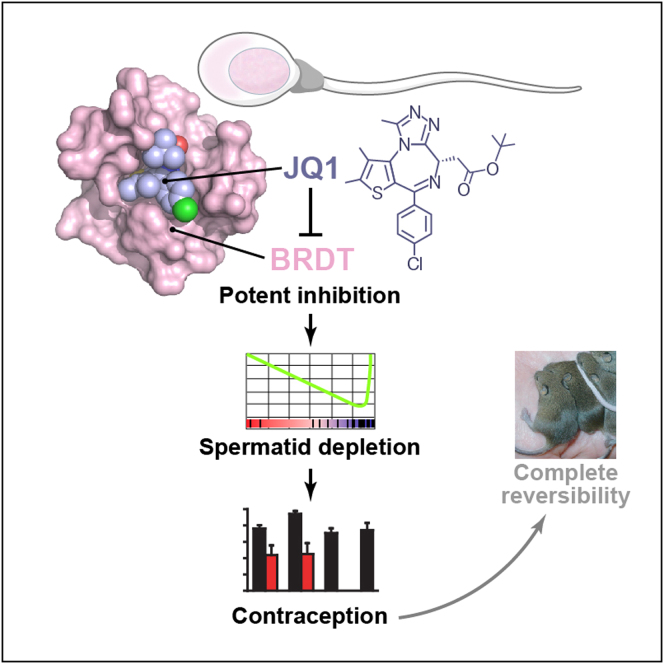
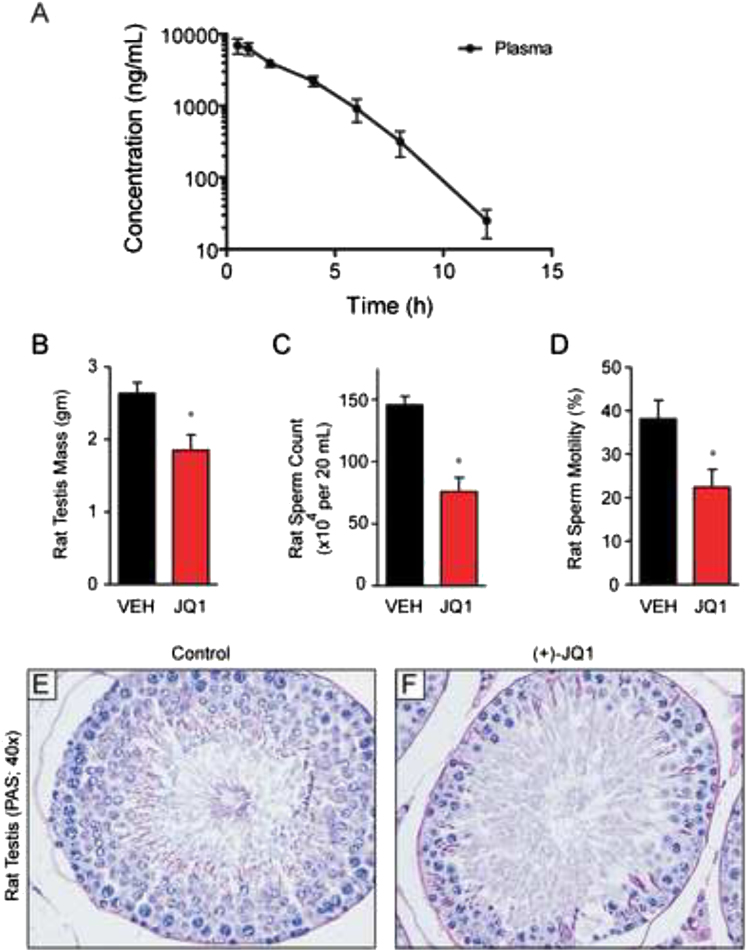
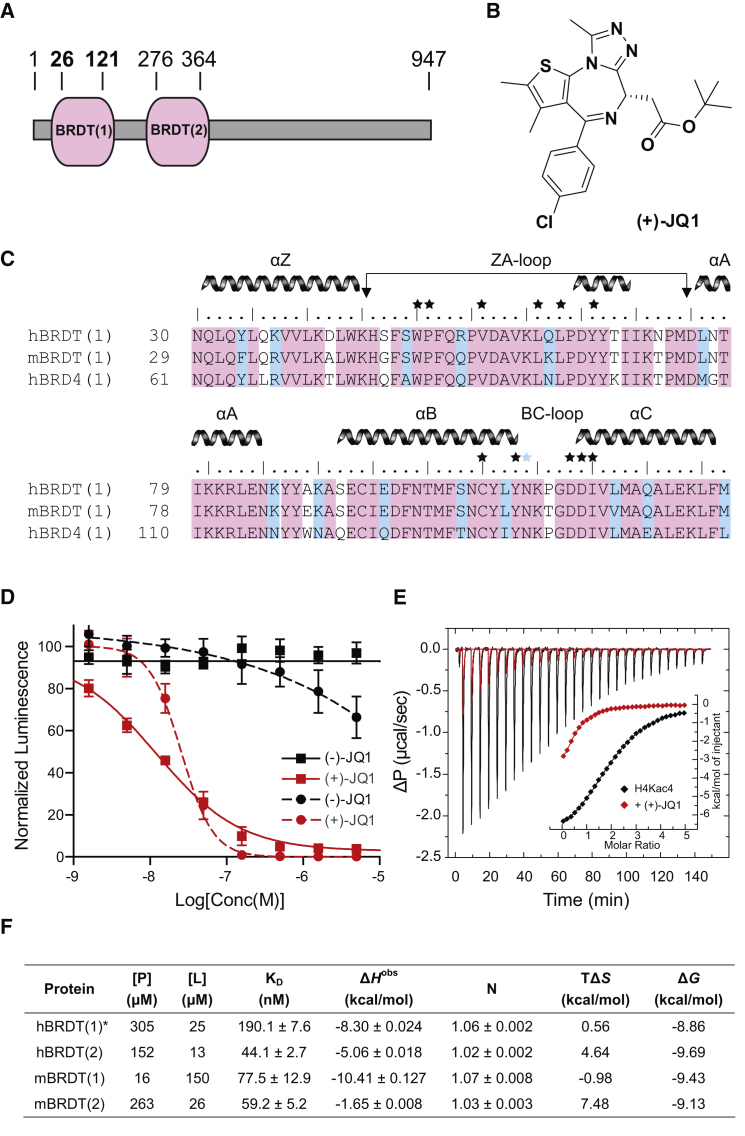
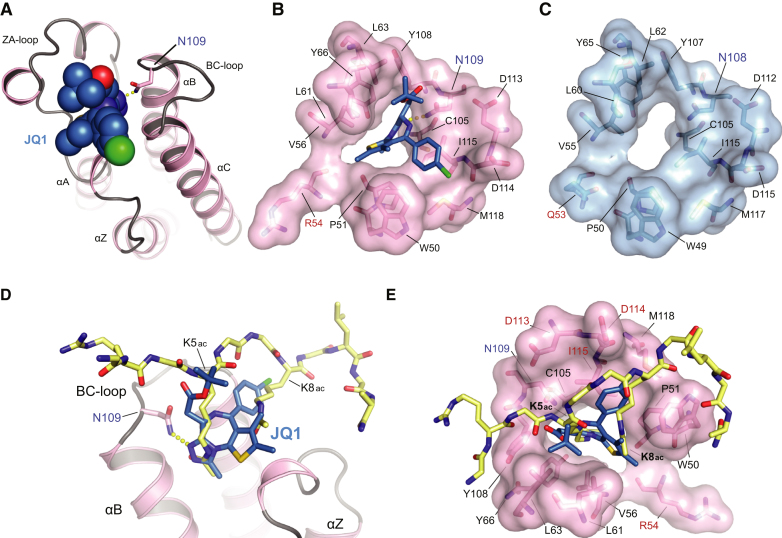
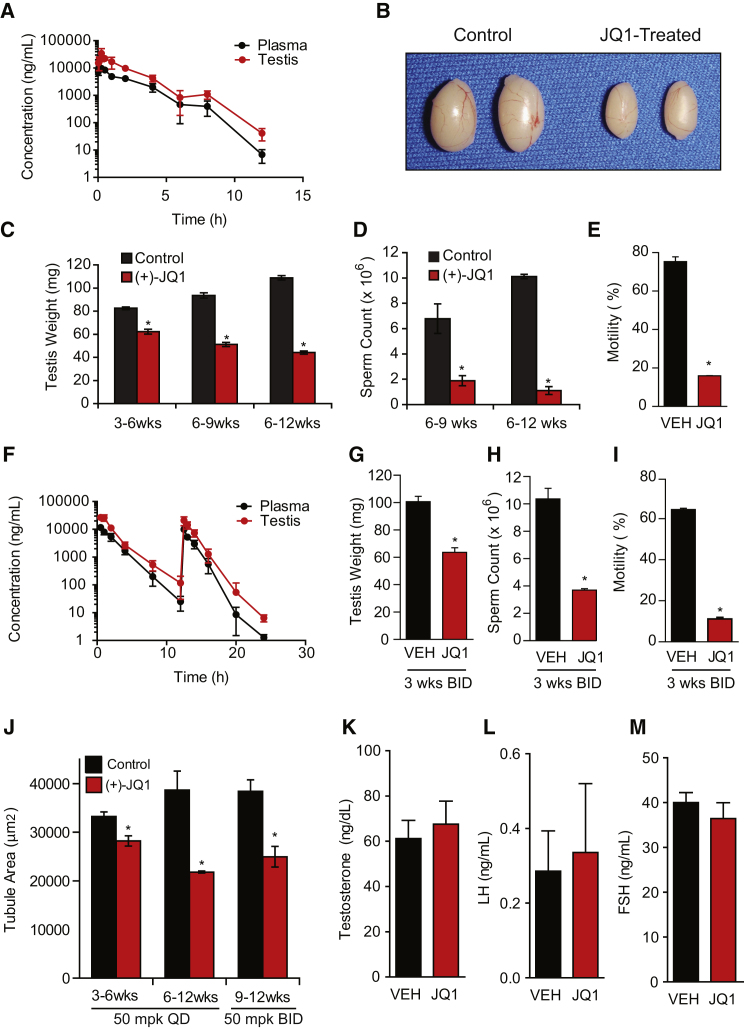
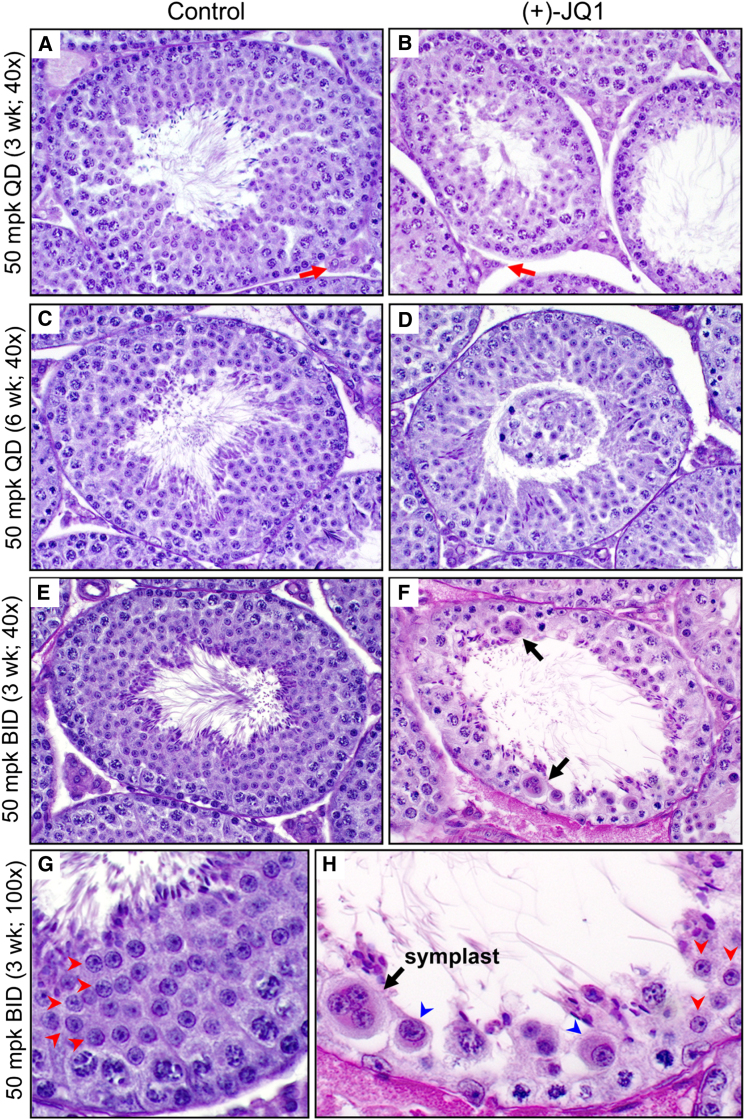
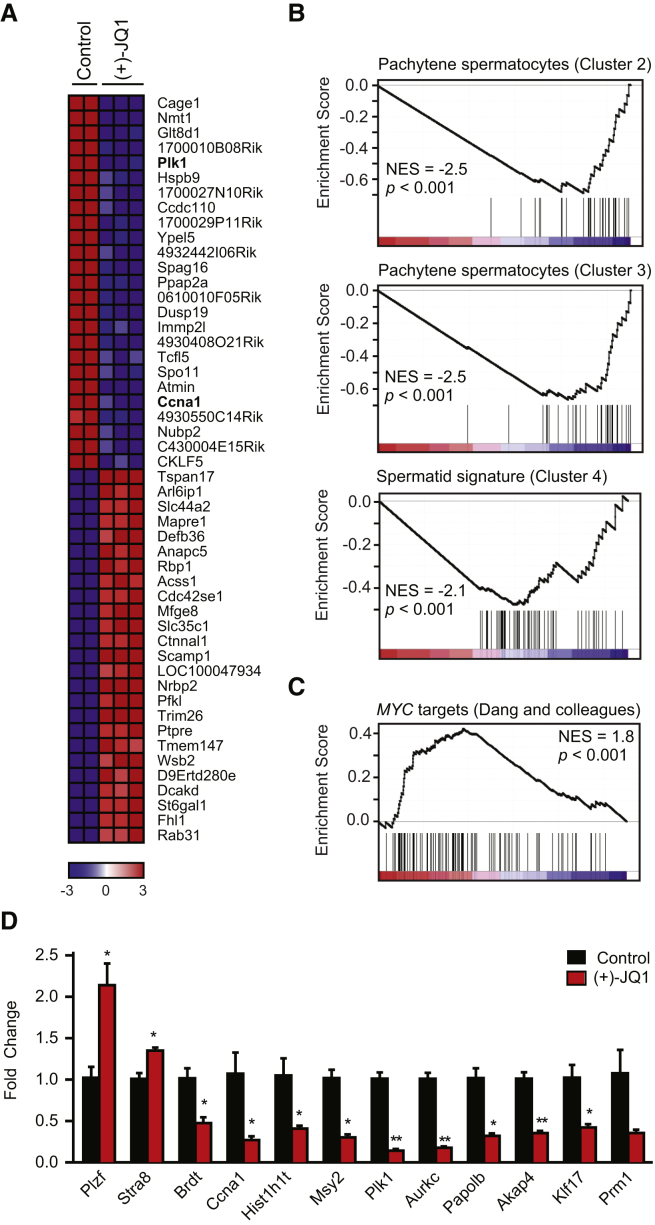
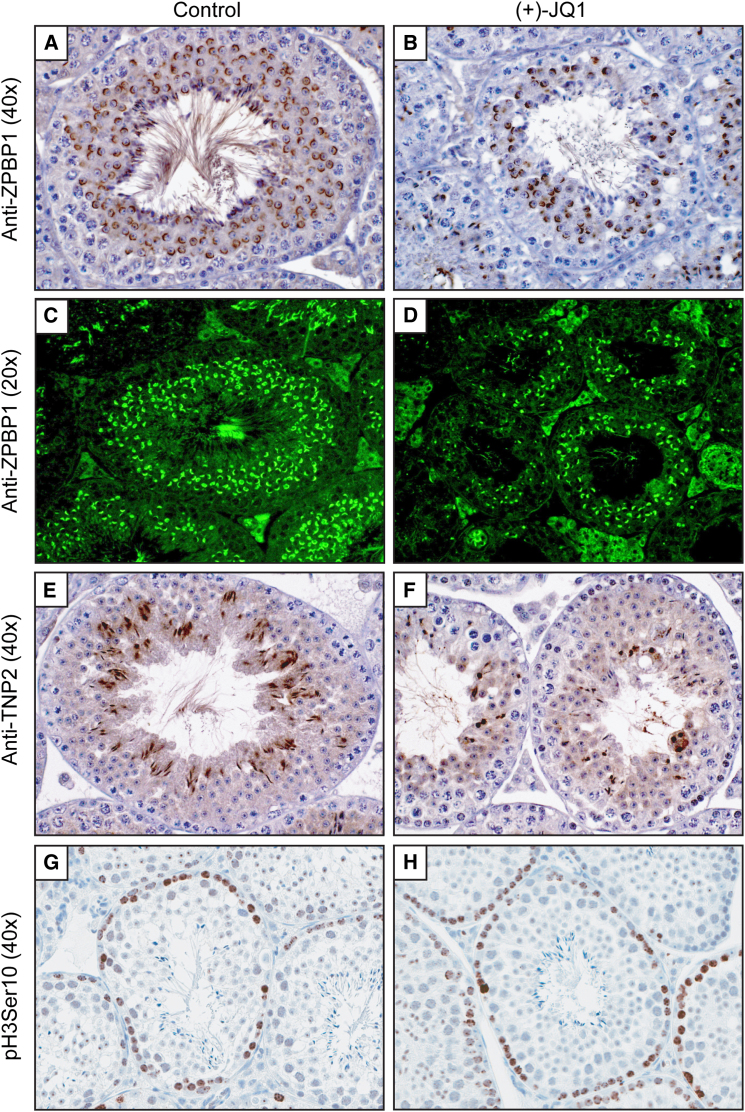
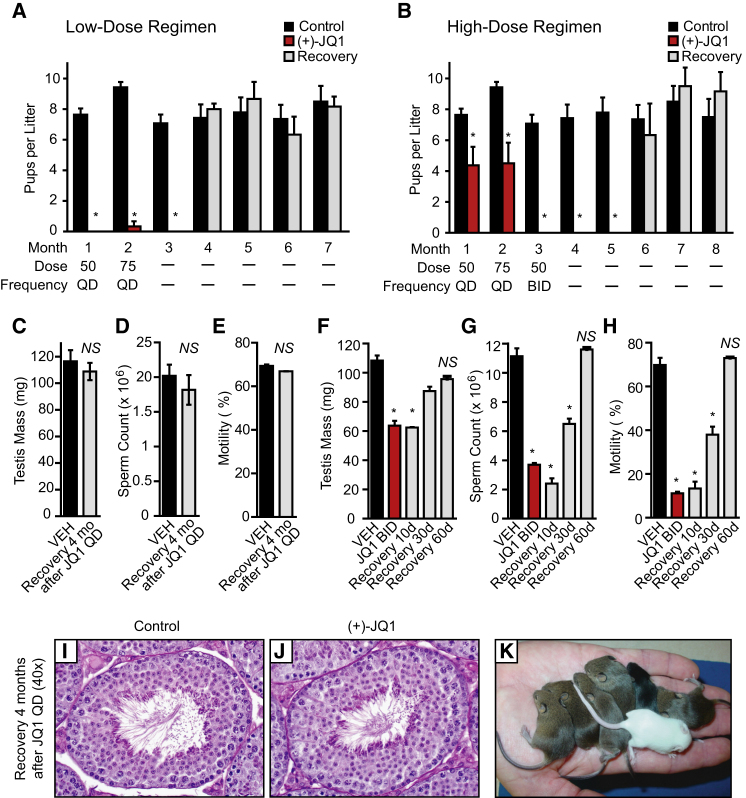
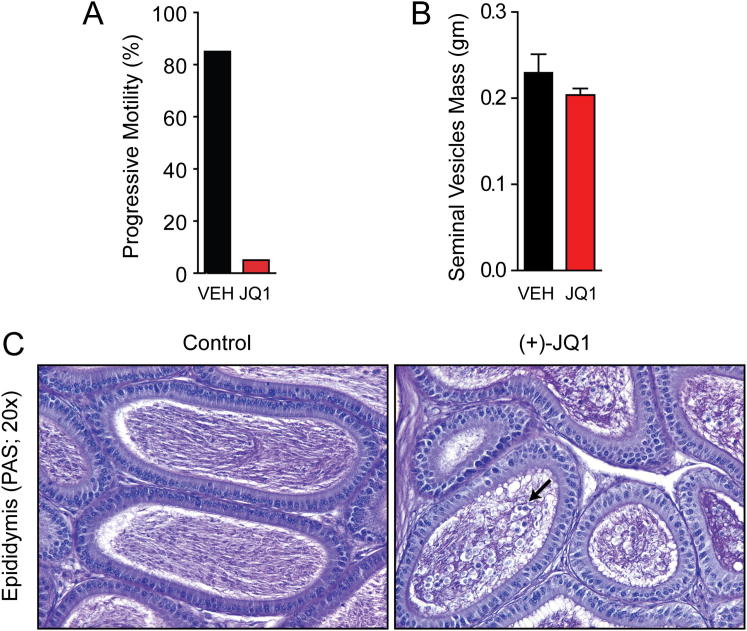
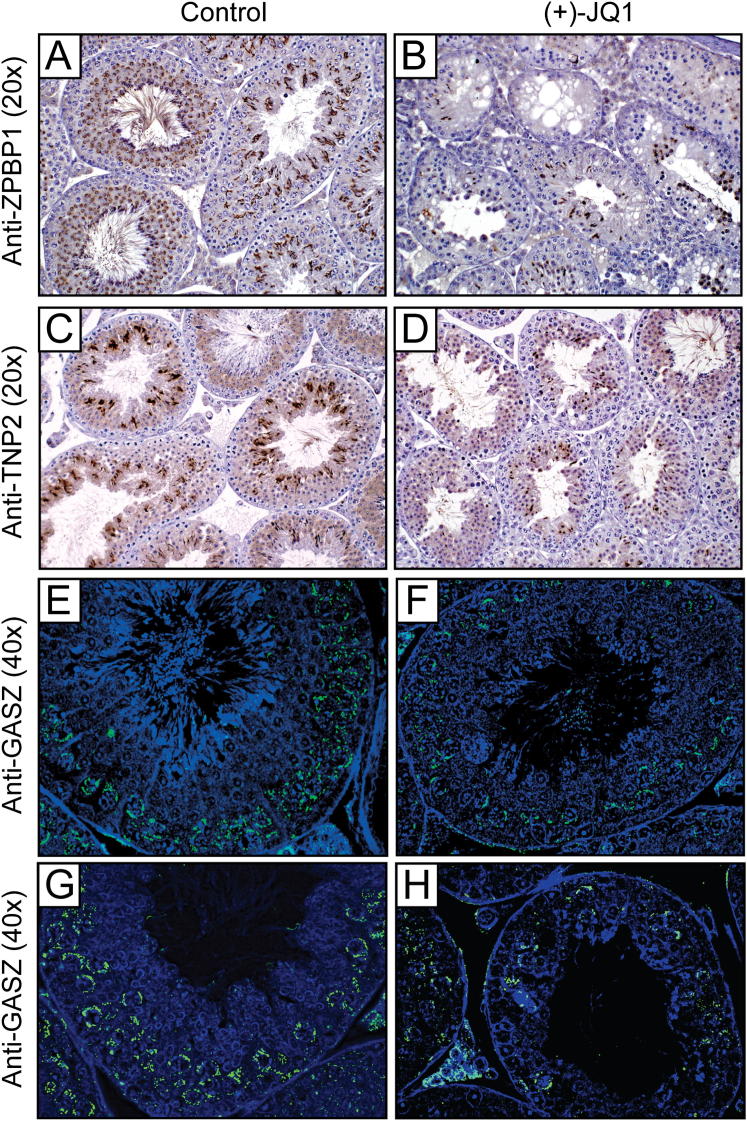
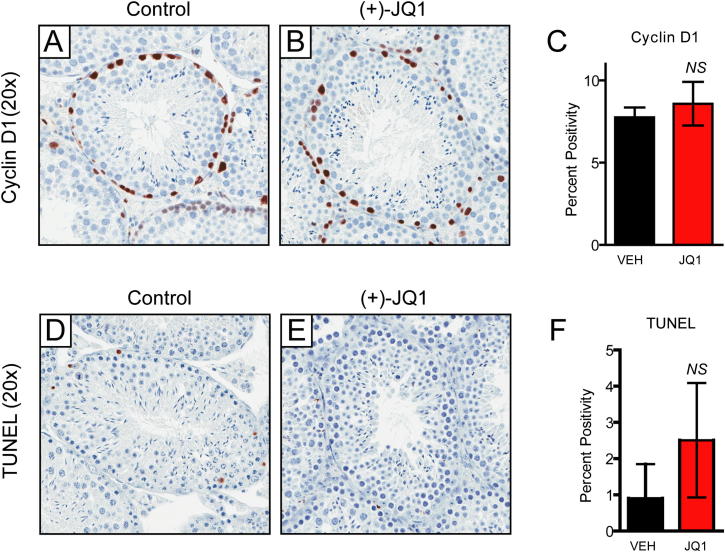
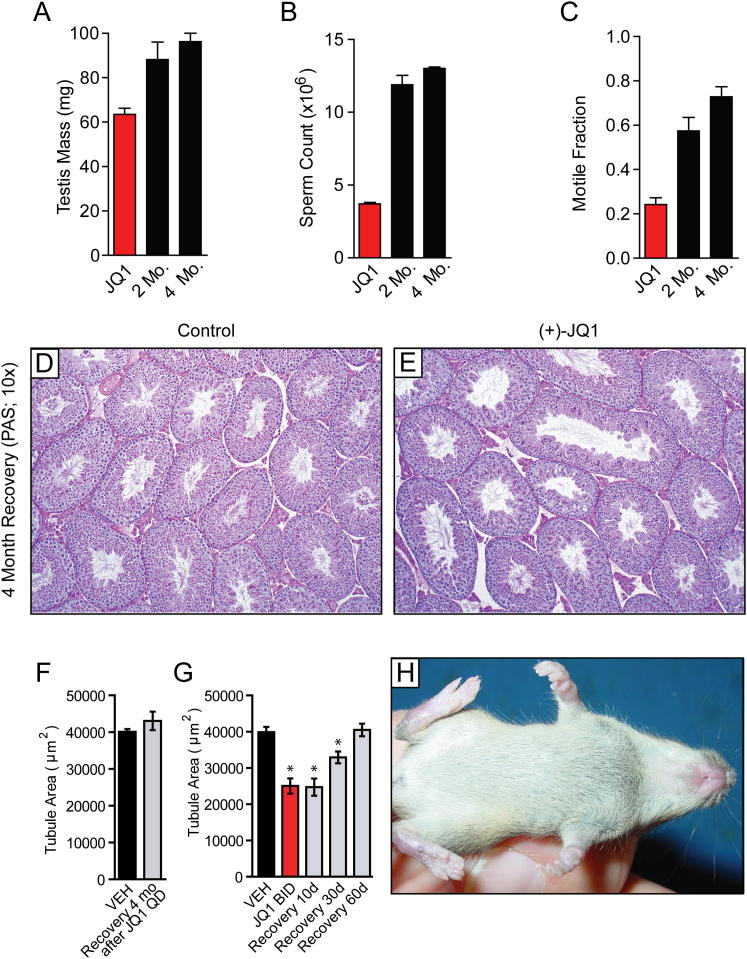
A pharmacologic approach to male contraception remains a longstanding challenge in medicine. Toward this objective, we explored the spermatogenic effects of a selective small-molecule inhibitor (JQ1) of the bromodomain and extraterminal (BET) subfamily of epigenetic reader proteins. Here, we report potent inhibition of the testis-specific member BRDT, which is essential for chromatin remodeling during spermatogenesis. Biochemical and crystallographic studies confirm that occupancy of the BRDT acetyl-lysine binding pocket by JQ1 prevents recognition of acetylated histone H4. Treatment of mice with JQ1 reduced seminiferous tubule area, testis size, and spermatozoa number and motility without affecting hormone levels. Although JQ1-treated males mate normally, inhibitory effects of JQ1 evident at the spermatocyte and round spermatid stages cause a complete and reversible contraceptive effect. These data establish a new contraceptive that can cross the blood:testis boundary and inhibit bromodomain activity during spermatogenesis, providing a lead compound targeting the male germ cell for contraception.
一种针对男性避孕的药理学方法仍然是医学上的一个长期挑战。为了实现这一目标,我们探索了一种选择性小分子抑制剂(JQ1)对表观遗传读蛋白溴结构域和末端(BET)亚家族的生精作用。在这里,我们报告了对睾丸特异性成员 BRDT 的有效抑制,BRDT 对于精子发生过程中的染色质重塑是必不可少的。生化和晶体学研究证实,JQ1 占据 BRDT 的乙酰赖氨酸结合口袋可防止识别乙酰化组蛋白 H4。用 JQ1 处理小鼠可减少曲细精管面积、睾丸大小和精子数量及活力,而不影响激素水平。尽管 JQ1 处理的雄性可以正常交配,但 JQ1 在精母细胞和圆形精子阶段的抑制作用导致完全和可逆的避孕效果。这些数据建立了一种新的避孕药,它可以穿过血睾屏障并抑制精子发生过程中的溴结构域活性,为避孕提供了一种针对男性生殖细胞的靶向化合物。