Department of Biology and Center for Infectious Disease, Georgetown University, Washington, DC, USA.
Mucosal Immunol. 2013 Mar;6(2):369-78. doi: 10.1038/mi.2012.80. Epub 2012 Aug 22.
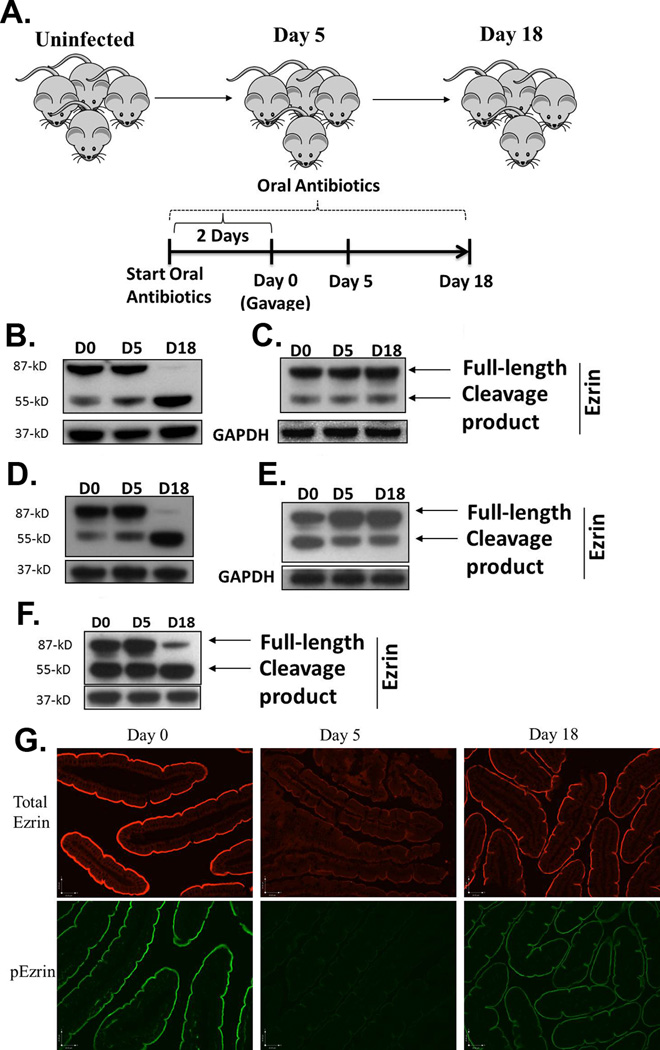
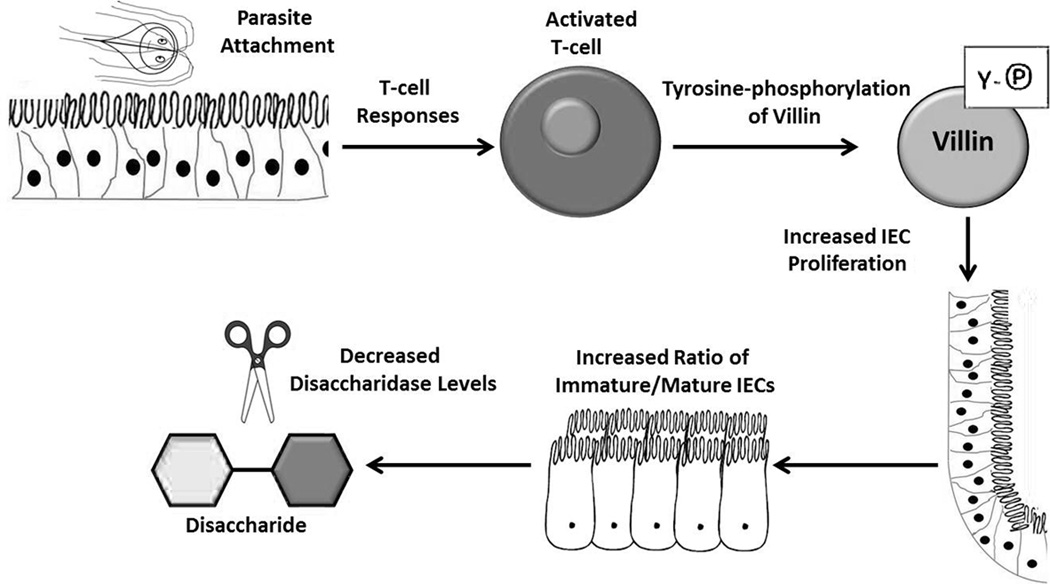
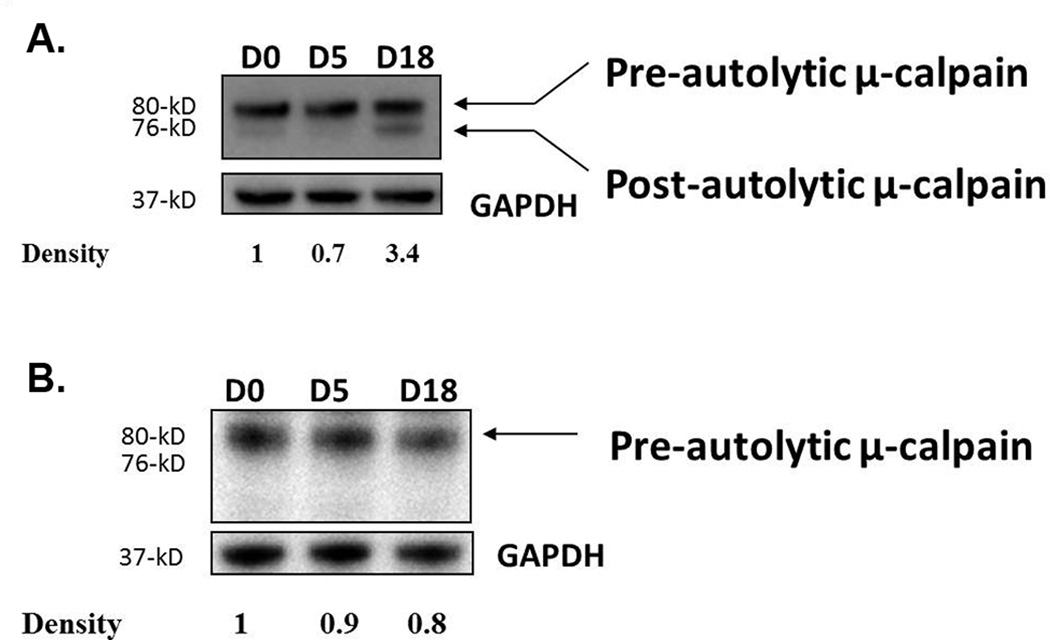
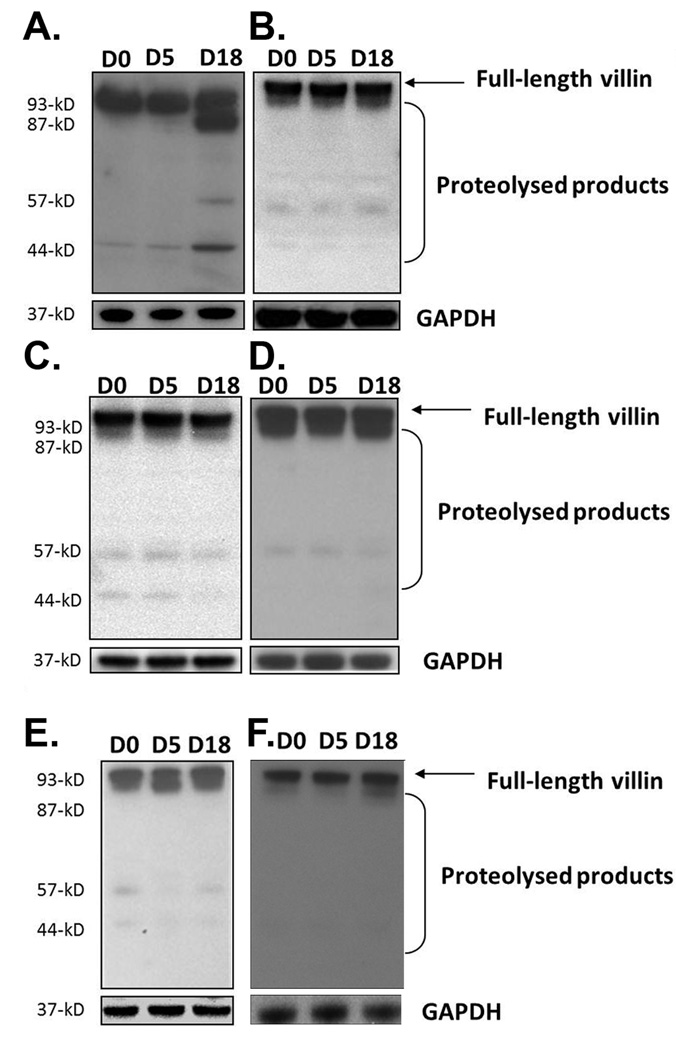
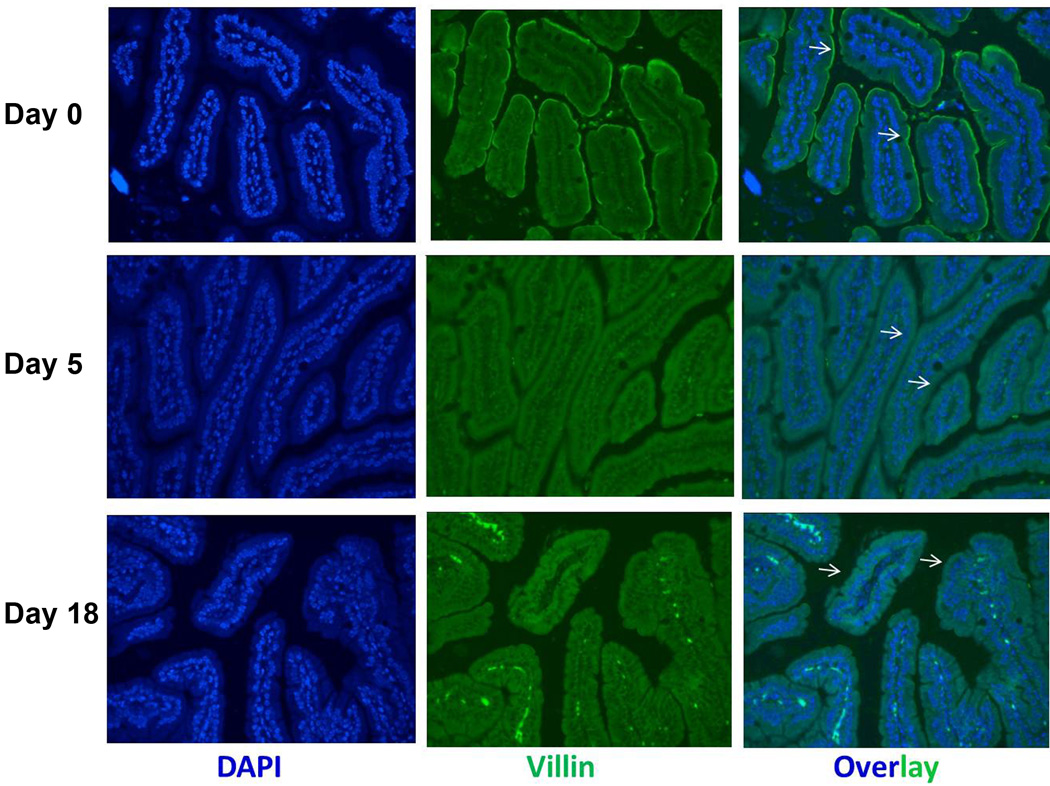
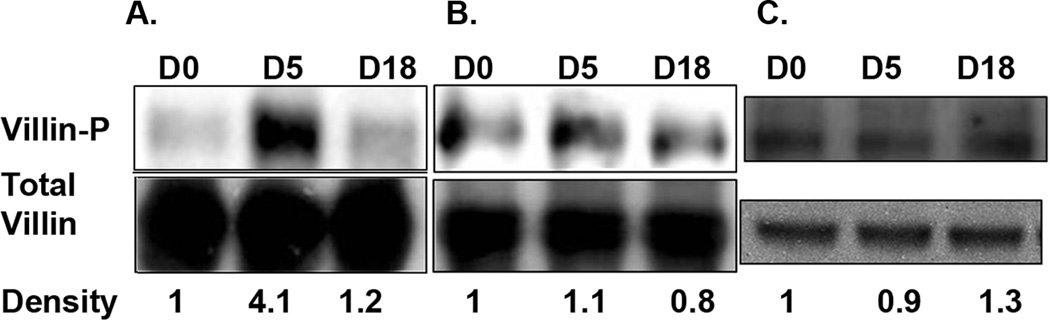
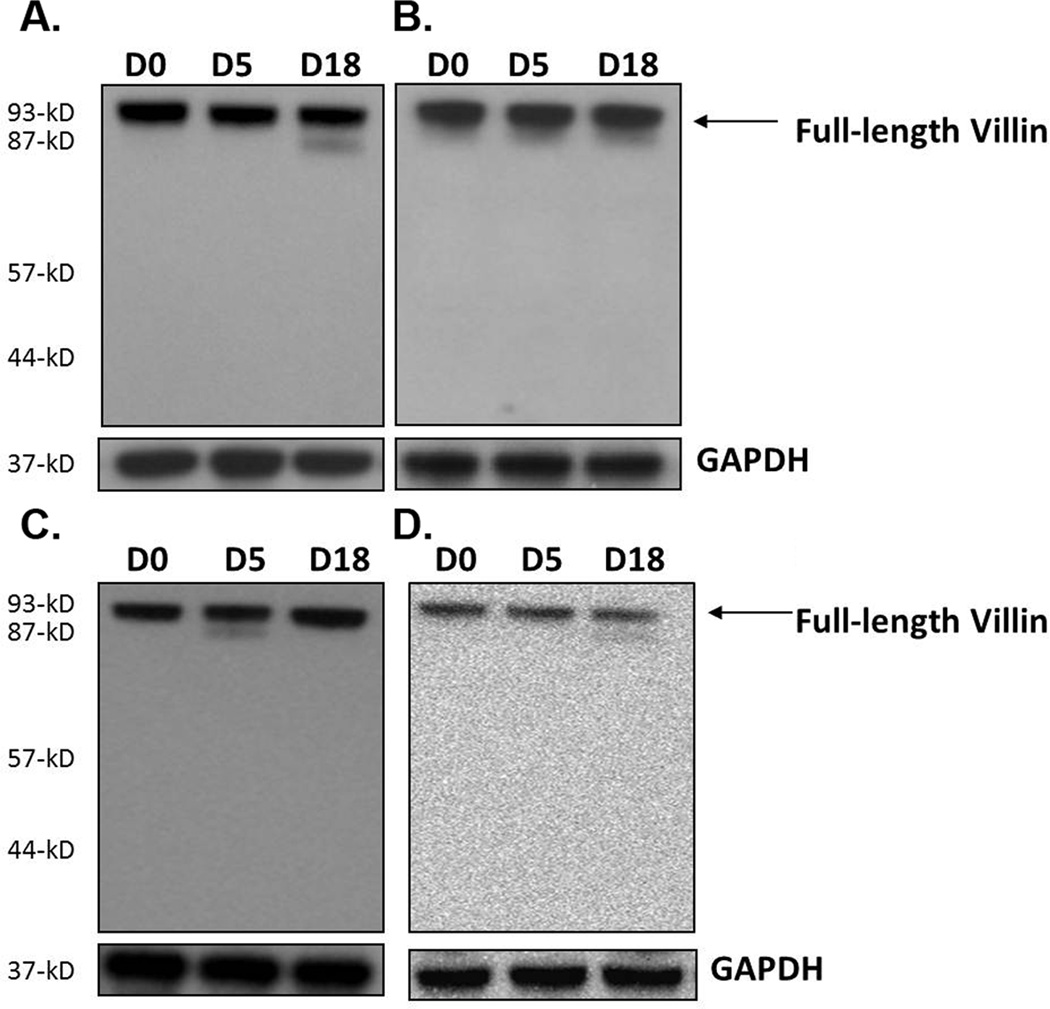
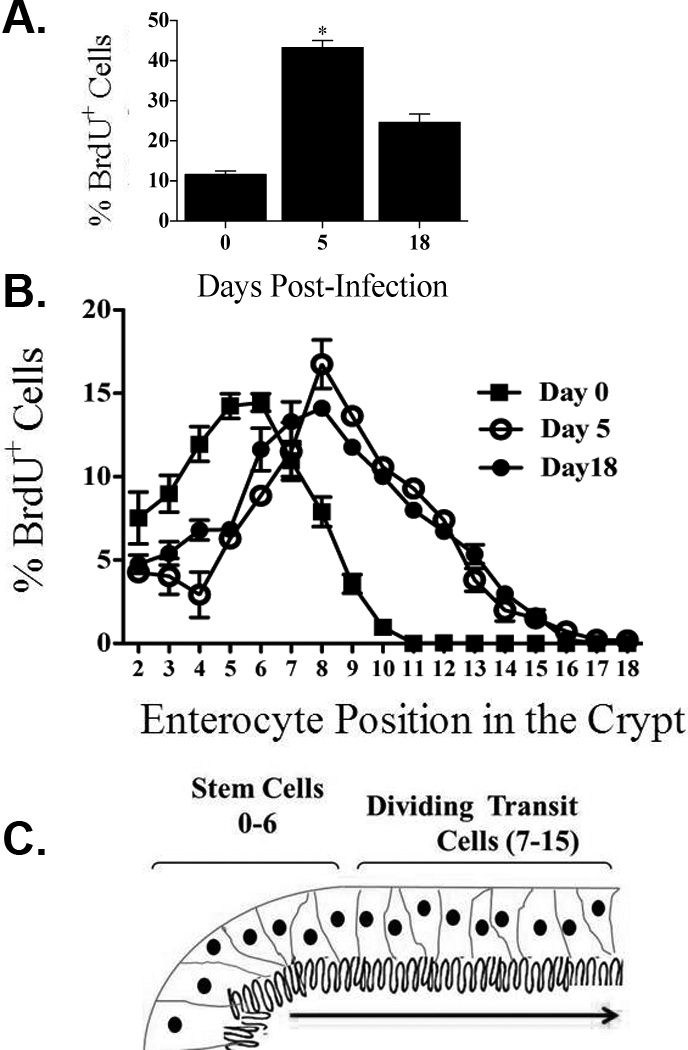
Gut infections often lead to epithelial cell damage followed by a healing response. We examined changes in the epithelial cell cytoskeleton and the involvement of host adaptive immunity in these events using an in vivo model of parasitic infection. We found that both ezrin and villin, key components of the actin cytoskeleton comprising the brush border (BB) of intestinal epithelial cells (IECs), underwent significant post-translational changes following gut infection and during the recovery phase of gut infection. Intriguingly, using mice lacking either CD4(+) or CD8(+) T-cell responses, we demonstrated that the mechanisms by which ezrin and villin are regulated in response to infection are different. Both ezrin and villin undergo proteolysis during the recovery phase of infection. Cleavage of ezrin requires CD4(+) but not CD8(+) T cells, whereas cleavage of villin requires both CD4(+) and CD8(+) T-cell responses. Both proteins were also regulated by phosphorylation; reduced levels of phosphorylated ezrin and increased levels of villin phosphorylation were observed at the peak of infection and correlated with reduced BB enzyme activity. Finally, we show that infection also leads to enhanced proliferation of IECs in this model. Cytoskeletal remodeling in IECs can have critical roles in the immunopathology and healing responses observed during many infectious and non-infectious intestinal conditions. These data indicate that cellular immune responses can be significant drivers of these processes.
肠道感染通常会导致上皮细胞损伤,随后发生修复反应。我们使用寄生虫感染的体内模型,研究了上皮细胞细胞骨架的变化以及宿主适应性免疫在这些事件中的作用。我们发现,寄生虫感染后和肠道感染的恢复阶段,肠道上皮细胞(IEC)刷状缘(BB)的关键组成部分,即埃兹蛋白和微丝蛋白,都经历了显著的翻译后变化。有趣的是,利用缺乏 CD4+或 CD8+T 细胞反应的小鼠,我们证明了埃兹蛋白和微丝蛋白响应感染而被调节的机制是不同的。在感染的恢复阶段,埃兹蛋白和微丝蛋白都经历了蛋白水解。埃兹蛋白的切割需要 CD4+T 细胞,但不需要 CD8+T 细胞,而微丝蛋白的切割则需要 CD4+和 CD8+T 细胞反应。这两种蛋白还受到磷酸化的调节;在感染高峰期,观察到磷酸化埃兹蛋白水平降低,微丝蛋白磷酸化水平升高,与 BB 酶活性降低相关。最后,我们表明,在这个模型中,感染也会导致 IEC 的增殖增强。IEC 中的细胞骨架重塑在许多感染和非感染性肠道疾病中观察到的免疫病理学和修复反应中可以发挥关键作用。这些数据表明,细胞免疫反应可能是这些过程的重要驱动因素。