Malaviya Anshuman P, Ostör Andrew Jk
Rheumatology Clinical Research Unit, Addenbrooke's Hospital, Cambridge, UK.
Patient Prefer Adherence. 2012;6:589-96. doi: 10.2147/PPA.S23786. Epub 2012 Aug 15.
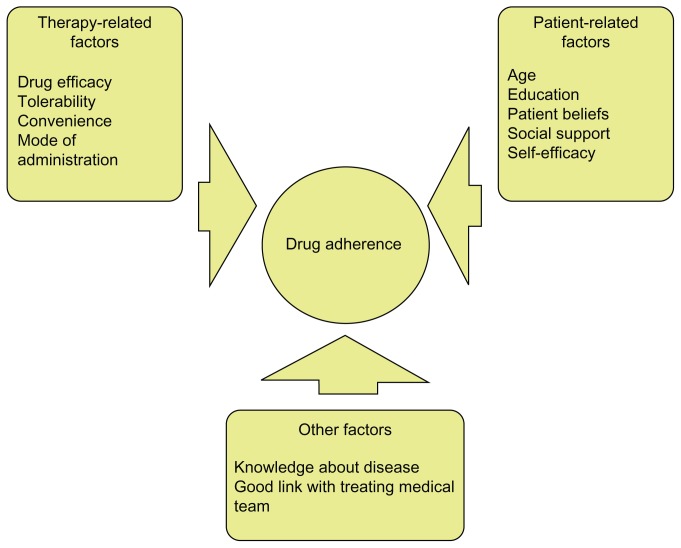
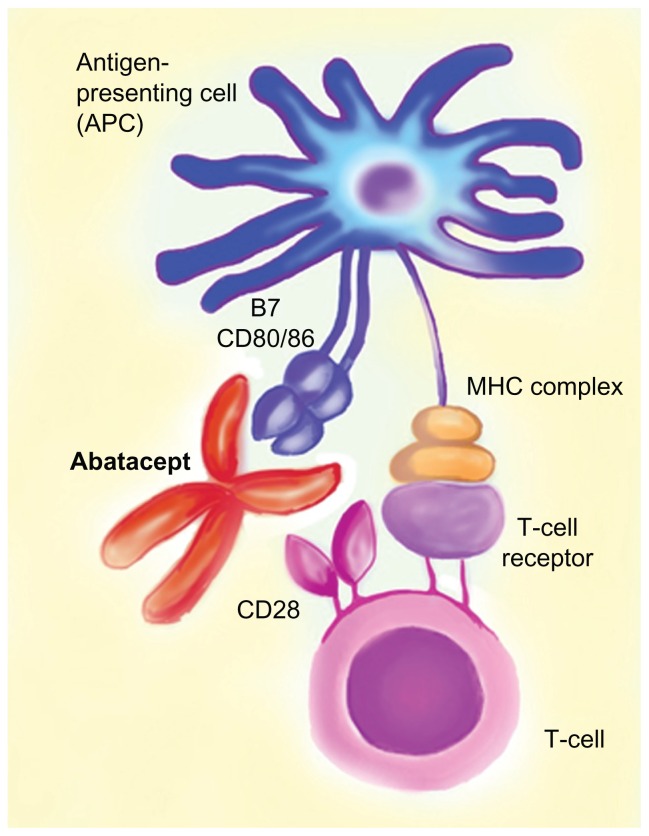
Major advances in drug development have led to the introduction of biologic disease- modifying drugs for the treatment of rheumatoid arthritis, which has resulted in unprecedented improvement in outcomes for many patients. These agents have been found to be effective in reducing clinical signs and symptoms, improving radiological damage, quality of life, and functionality, and have also been found to have an acceptable safety profile. Despite this, drug adherence is unknown, which has huge health care and health-economic implications. Local and national guidelines exist for the use of biologics; however, its varied use is widespread. Although this may in part reflect differences in prescribing behavior, patient preference plays a key role. In this review we will explore the factors that contribute to patient preference for, and adherence to, biologic therapy for rheumatoid arthritis with emphasis on the subcutaneous preparation of abatacept, a T-cell costimulatory molecule blocker. Overall, subcutaneous administration is preferred by patients and this may well improve drug adherence.
药物研发的重大进展促使了用于治疗类风湿性关节炎的生物疾病改善药物的引入,这使得许多患者的治疗效果得到了前所未有的改善。这些药物已被证明在减轻临床体征和症状、改善放射学损伤、生活质量和功能方面有效,并且还具有可接受的安全性。尽管如此,药物依从性尚不清楚,这对医疗保健和健康经济有着巨大影响。关于生物制剂的使用存在地方和国家指南;然而,其使用差异广泛。虽然这可能部分反映了处方行为的差异,但患者偏好起着关键作用。在本综述中,我们将探讨导致患者对类风湿性关节炎生物治疗产生偏好并坚持治疗的因素,重点是T细胞共刺激分子阻滞剂阿巴西普的皮下制剂。总体而言,皮下给药更受患者青睐,这很可能会提高药物依从性。