de Vries Rory D, McQuaid Stephen, van Amerongen Geert, Yüksel Selma, Verburgh R Joyce, Osterhaus Albert D M E, Duprex W Paul, de Swart Rik L
Viroscience Lab, Erasmus MC, Rotterdam, The Netherlands.
PLoS Pathog. 2012;8(8):e1002885. doi: 10.1371/journal.ppat.1002885. Epub 2012 Aug 30.
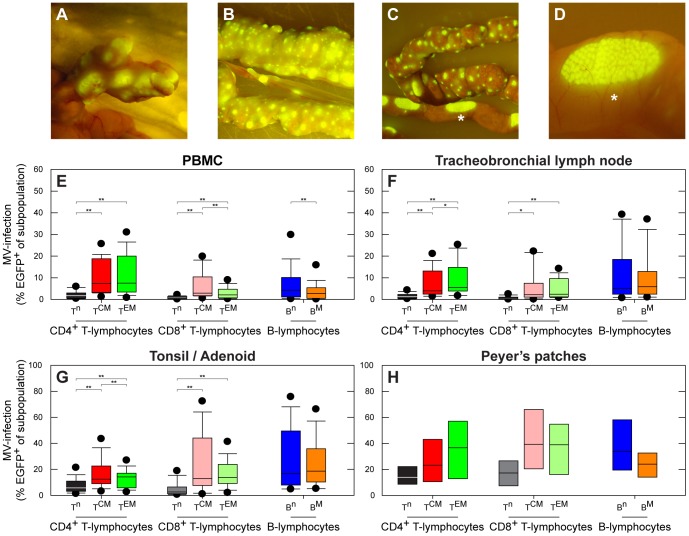
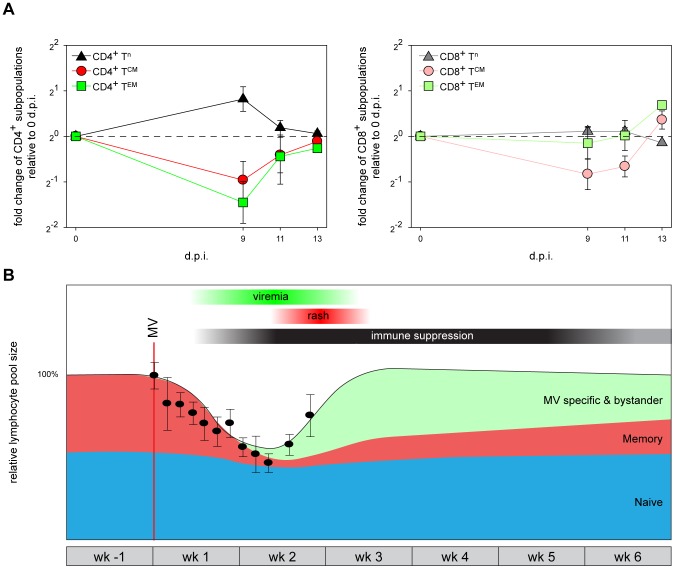
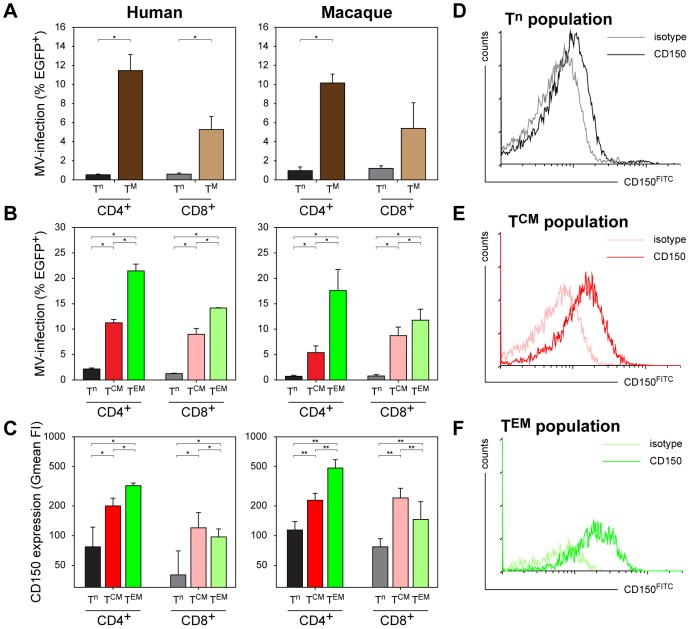
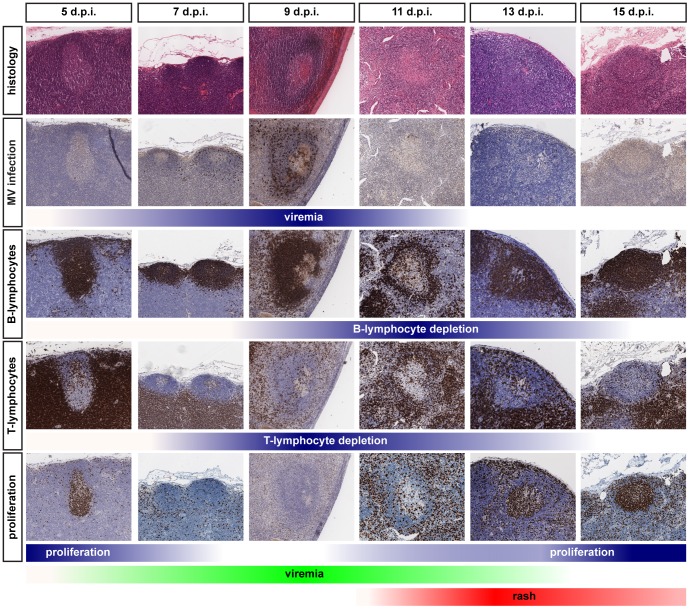
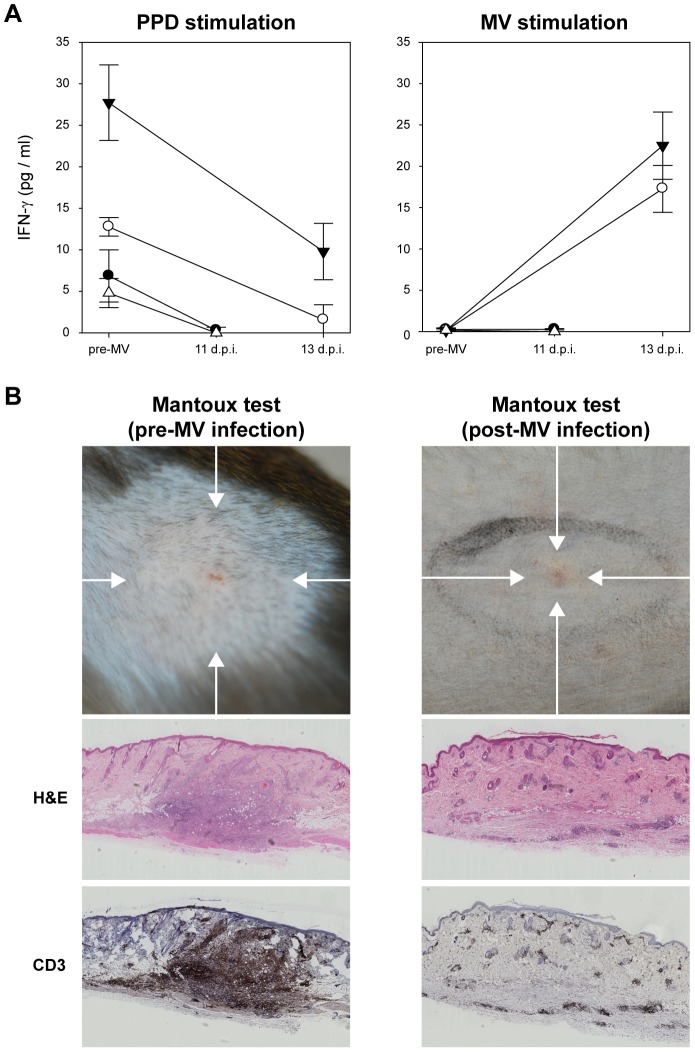
Measles remains a significant childhood disease, and is associated with a transient immune suppression. Paradoxically, measles virus (MV) infection also induces robust MV-specific immune responses. Current hypotheses for the mechanism underlying measles immune suppression focus on functional impairment of lymphocytes or antigen-presenting cells, caused by infection with or exposure to MV. We have generated stable recombinant MVs that express enhanced green fluorescent protein, and remain virulent in non-human primates. By performing a comprehensive study of virological, immunological, hematological and histopathological observations made in animals euthanized at different time points after MV infection, we developed a model explaining measles immune suppression which fits with the "measles paradox". Here we show that MV preferentially infects CD45RA(-) memory T-lymphocytes and follicular B-lymphocytes, resulting in high infection levels in these populations. After the peak of viremia MV-infected lymphocytes were cleared within days, followed by immune activation and lymph node enlargement. During this period tuberculin-specific T-lymphocyte responses disappeared, whilst strong MV-specific T-lymphocyte responses emerged. Histopathological analysis of lymphoid tissues showed lymphocyte depletion in the B- and T-cell areas in the absence of apoptotic cells, paralleled by infiltration of T-lymphocytes into B-cell follicles and reappearance of proliferating cells. Our findings indicate an immune-mediated clearance of MV-infected CD45RA(-) memory T-lymphocytes and follicular B-lymphocytes, which causes temporary immunological amnesia. The rapid oligoclonal expansion of MV-specific lymphocytes and bystander cells masks this depletion, explaining the short duration of measles lymphopenia yet long duration of immune suppression.
麻疹仍然是一种严重的儿童疾病,并且与短暂的免疫抑制有关。矛盾的是,麻疹病毒(MV)感染也会诱导强烈的MV特异性免疫反应。目前关于麻疹免疫抑制潜在机制的假说集中在淋巴细胞或抗原呈递细胞因感染或接触MV而导致的功能损害。我们已经构建了表达增强型绿色荧光蛋白的稳定重组MV,并且在非人类灵长类动物中仍具毒性。通过对MV感染后不同时间点安乐死的动物进行病毒学、免疫学、血液学和组织病理学观察的全面研究,我们建立了一个符合“麻疹悖论”的解释麻疹免疫抑制的模型。在此我们表明,MV优先感染CD45RA(-)记忆T淋巴细胞和滤泡B淋巴细胞,导致这些细胞群体中的高感染水平。病毒血症高峰过后,MV感染的淋巴细胞在数天内被清除,随后是免疫激活和淋巴结肿大。在此期间,结核菌素特异性T淋巴细胞反应消失,而强烈的MV特异性T淋巴细胞反应出现。淋巴组织的组织病理学分析显示,在没有凋亡细胞的情况下,B细胞和T细胞区域的淋巴细胞减少,同时T淋巴细胞浸润到B细胞滤泡中,增殖细胞重新出现。我们的研究结果表明,MV感染的CD45RA(-)记忆T淋巴细胞和滤泡B淋巴细胞通过免疫介导被清除,这导致了暂时的免疫失忆。MV特异性淋巴细胞和旁观者细胞的快速寡克隆扩增掩盖了这种减少,解释了麻疹淋巴细胞减少持续时间短但免疫抑制持续时间长的现象。