Department of Biology, Dalhousie University, Halifax, Nova Scotia, Canada.
PLoS One. 2012;7(8):e43723. doi: 10.1371/journal.pone.0043723. Epub 2012 Aug 27.
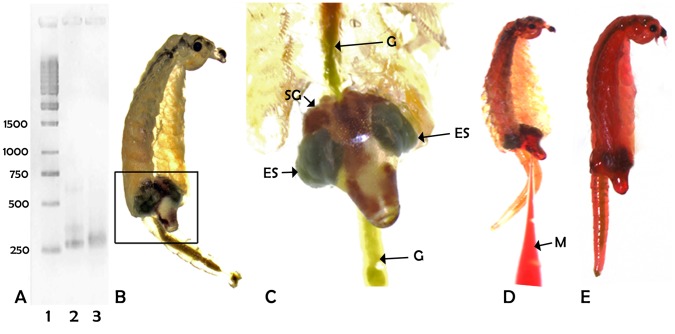
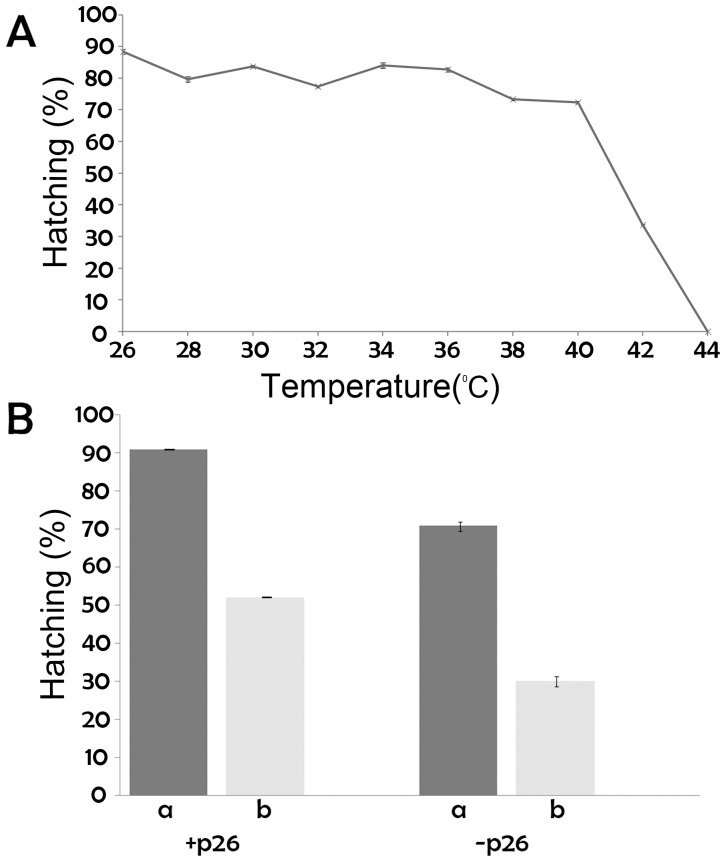
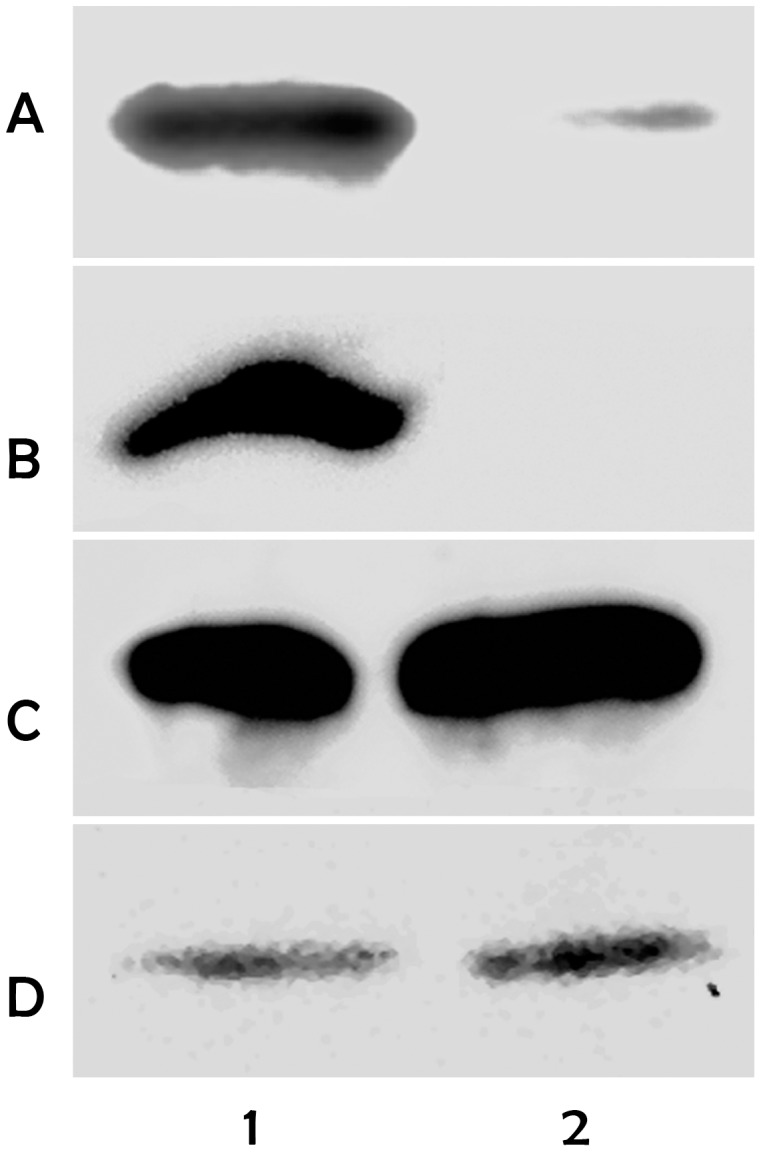
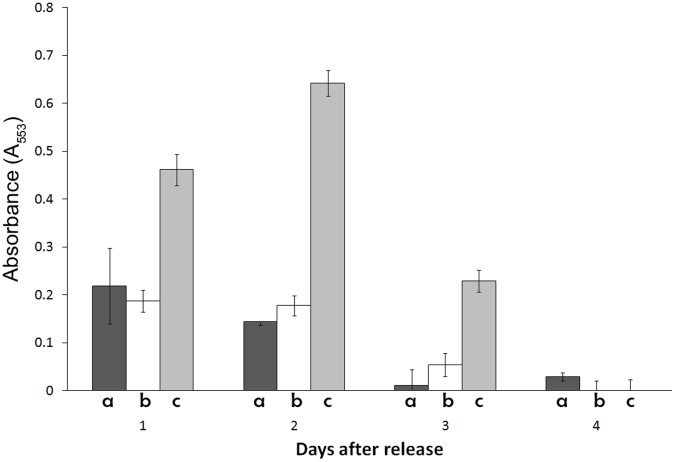
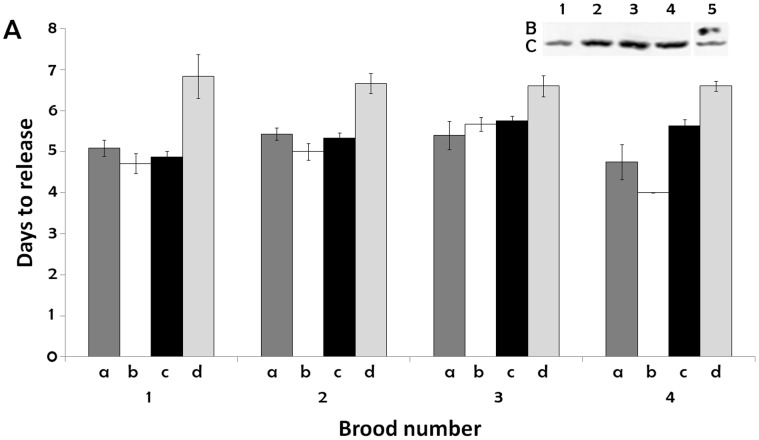
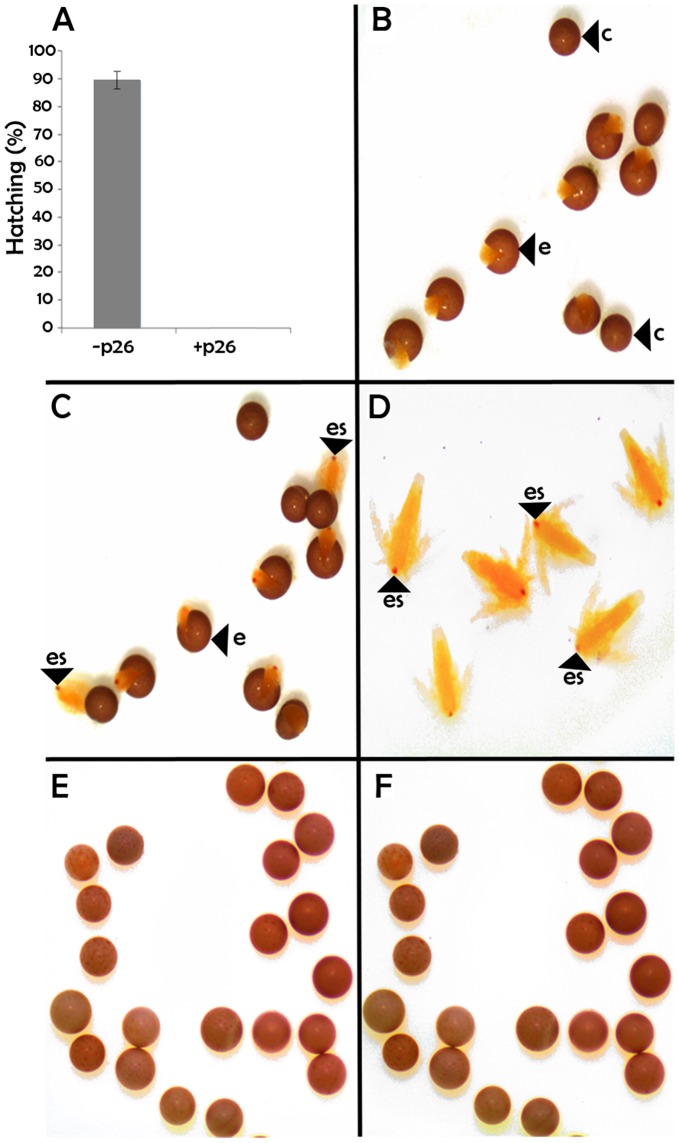
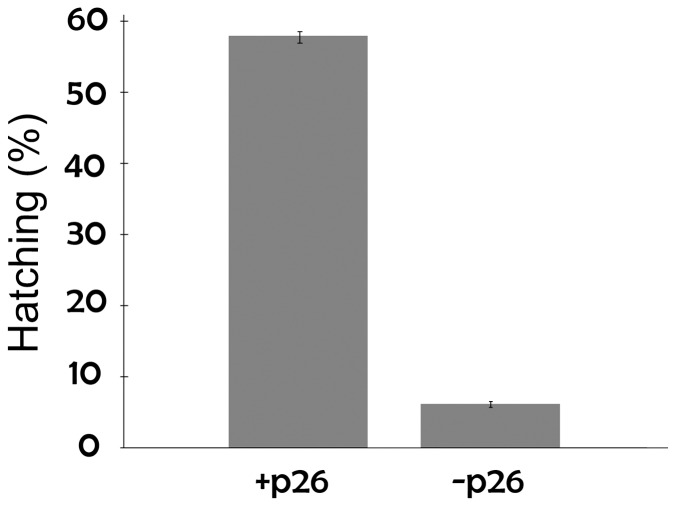
Artemia franciscana embryos enter diapause as encysted gastrulae, a physiological state of metabolic dormancy and enhanced stress resistance. The objective of this study was to use RNAi to investigate the function of p26, an abundant, diapause-specific small heat shock protein, in the development and behavior of encysted Artemia embryos (cysts). RNAi methodology was developed where injection of Artemia females with dsRNA specifically eliminated p26 from cysts. p26 mRNA and protein knock down were, respectively, confirmed by RT-PCR and immuno-probing of western blots. ArHsp21 and ArHsp22, diapause-related small heat shock proteins in Artemia cysts sharing a conserved α-crystallin domain with p26, were unaffected by injection of females with dsRNA for p26, demonstrating the specificity of protein knock down. Elimination of p26 delayed cyst release from females demonstrating that this molecular chaperone influences the development of diapause-destined embryos. Although development was slowed the metabolic activities of cysts either containing or lacking p26 were similar. p26 inhibited diapause termination after prolonged incubation of cysts in sea water perhaps by a direct effect on termination or indirectly because p26 is necessary for the preservation of diapause maintenance. Cyst diapause was however, terminated by desiccation and freezing, a procedure leading to high mortality within cyst populations lacking p26 and indicating the protein is required for stress tolerance. Cysts lacking p26 were also less resistant to heat shock. This is the first in vivo study to show that knock down of a small heat shock protein slows the development of diapause-destined embryos, suggesting a role for p26 in the developmental process. The same small heat shock protein prevents spontaneous termination of diapause and provides stress protection to encysted embryos.
卤虫胚胎进入休眠状态,成为囊胚,这是一种代谢休眠和增强应激抗性的生理状态。本研究的目的是使用 RNAi 技术研究丰度高的休眠特异性小分子热休克蛋白 p26 在休眠卤虫胚胎(休眠囊)发育和行为中的功能。RNAi 方法学是开发的,通过向雌性卤虫注射 dsRNA 特异性地从休眠囊中消除 p26。通过 RT-PCR 和 Western 印迹免疫探测分别证实了 p26 mRNA 和蛋白质的敲低。p26 的敲低并未影响 Artemia 休眠囊中的 ArHsp21 和 ArHsp22(与 p26 共享保守的α-晶体域的休眠相关小分子热休克蛋白),证明了蛋白质敲低的特异性。p26 的消除延迟了休眠囊从雌性卤虫中的释放,这表明这种分子伴侣影响了休眠胚胎的发育。尽管发育速度减慢,但含有或不含有 p26 的休眠囊的代谢活性相似。p26 可能通过直接影响终止或间接通过其对休眠维持的保存是必需的,来抑制休眠终止后的长时间孵育海水处理的休眠囊的休眠终止。然而,干燥和冷冻会终止休眠囊的休眠,这一过程会导致缺乏 p26 的休眠囊群体死亡率很高,这表明该蛋白对于耐受应激是必需的。缺乏 p26 的休眠囊也对热休克的抵抗力降低。这是首次在体内研究中表明,敲低小分子热休克蛋白会减缓休眠胚胎的发育,这表明 p26 在发育过程中起作用。相同的小分子热休克蛋白可防止休眠的自发终止,并为休眠囊提供应激保护。