Arnold Paul M, Harsh Viraat, Oliphant Seth M
University of Kansas Medical Center, Kansas City, KS, USA.
Evid Based Spine Care J. 2011 Feb;2(1):57-62. doi: 10.1055/s-0030-1267087.
The management of nonmalignant pain by morphine pump implantation has become an effective and increasingly frequent strategy of care. We report a rare complication of intrathecal granuloma formation adjacent to the intrathecal catheter tip resulting in spinal cord compression in four patients undergoing intrathecal treatment for chronic pain.
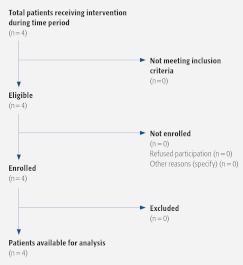
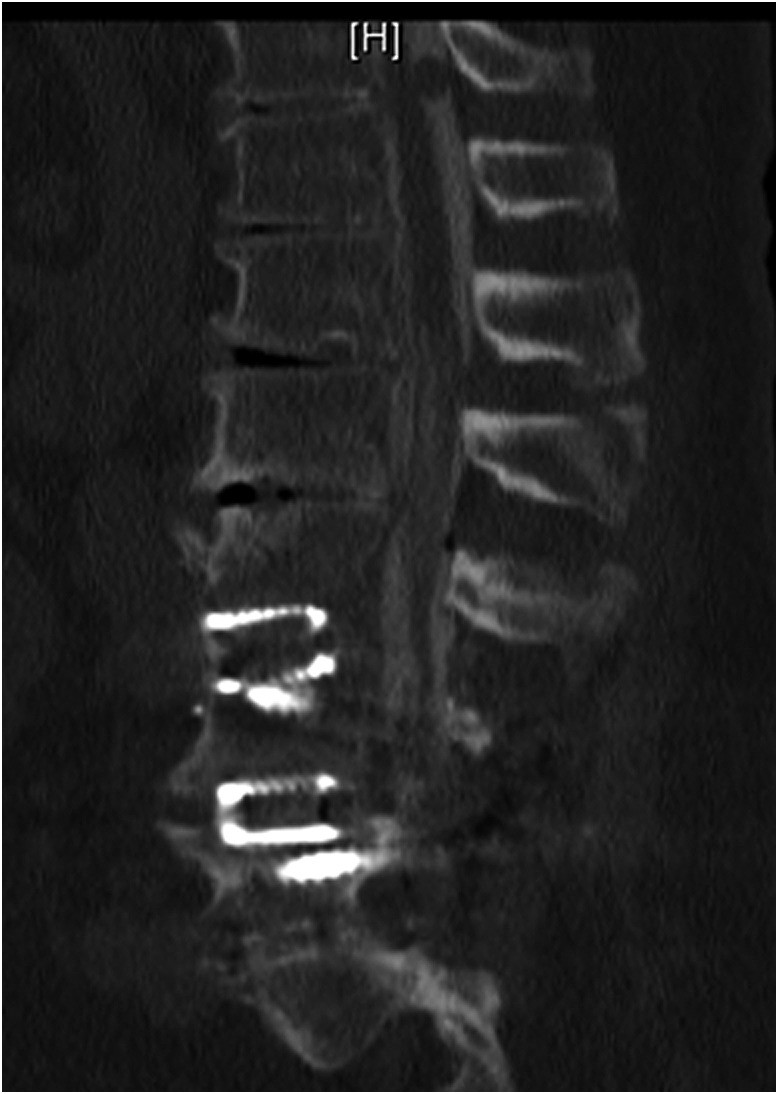
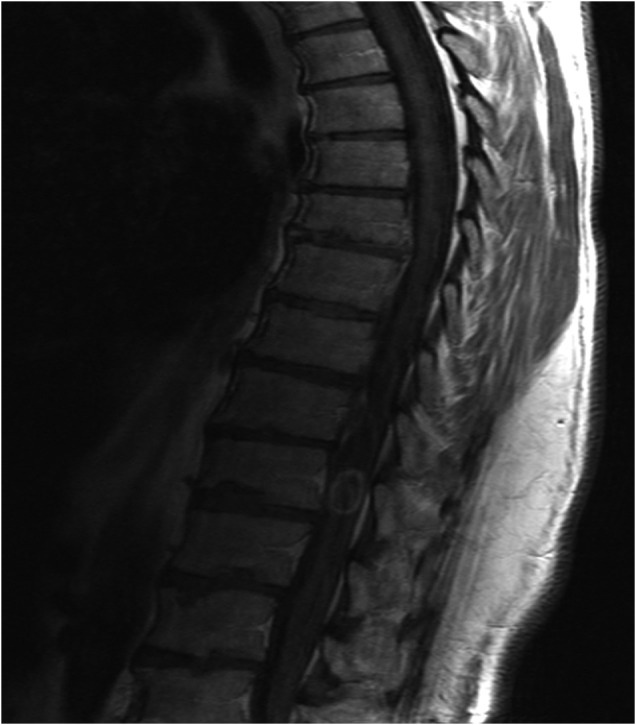
Four patients presented with chronic back pain and lower extremity pain and weakness and were treated with morphine pump implantation (Fig 1). Each patient developed a mass at the level of the intrathecal catheter tip resulting in increased back pain and diminished neurological function. Following clinical examination and x-ray workup, the patients underwent surgical resection of the mass and removal of the intrathecal catheter. One patient received conservative saline therapy first, and another patient had granuloma resection first and removal of the intrathecal catheter at a later date. Pathological analysis showed granulation tissue with extensive necrosis and chronic inflammation, with negative culture results. No evidence of neoplasm was found.
Patients showed varying degrees of improvement following removal of the intrathecal mass. Two patients had moderate pain reduction following resection of the granuloma; a third had minimal pain improvement; and a fourth had significant pain improvement but continued lower extremity weakness.
The formation of granulomas caused by intrathecal catheter implantation is a rare but serious complication. Imaging studies including magnetic resonance imaging with contrast and computed tomography with myelogram should be used to follow up a neurological examination consistent with spinal cord compression. Timely surgical intervention may result in marked improvement of symptoms.
通过植入吗啡泵来管理非恶性疼痛已成为一种有效且越来越常用的治疗策略。我们报告了4例接受鞘内注射治疗慢性疼痛的患者发生的一种罕见并发症,即鞘内导管尖端附近形成肉芽肿,导致脊髓受压。
4例患者表现为慢性背痛、下肢疼痛及无力,接受了吗啡泵植入治疗(图1)。每位患者在鞘内导管尖端水平出现肿块,导致背痛加重及神经功能减退。经过临床检查及X线检查后,患者接受了肿块手术切除及鞘内导管移除。1例患者先接受了保守的盐水治疗,另1例患者先进行了肉芽肿切除,后期再移除鞘内导管。病理分析显示为伴有广泛坏死及慢性炎症的肉芽组织,培养结果为阴性。未发现肿瘤证据。
鞘内肿块切除后,患者均有不同程度的改善。2例患者在肉芽肿切除后疼痛中度减轻;第3例患者疼痛改善轻微;第4例患者疼痛显著改善,但下肢仍持续无力。
鞘内导管植入导致的肉芽肿形成是一种罕见但严重的并发症。应使用包括增强磁共振成像及脊髓造影计算机断层扫描在内的影像学检查,对与脊髓受压相符的神经学检查进行随访。及时的手术干预可能会使症状得到显著改善。