Institute of Flight System Dynamics, Technische Universität München, Garching, Germany.
PLoS One. 2012;7(9):e41449. doi: 10.1371/journal.pone.0041449. Epub 2012 Sep 5.
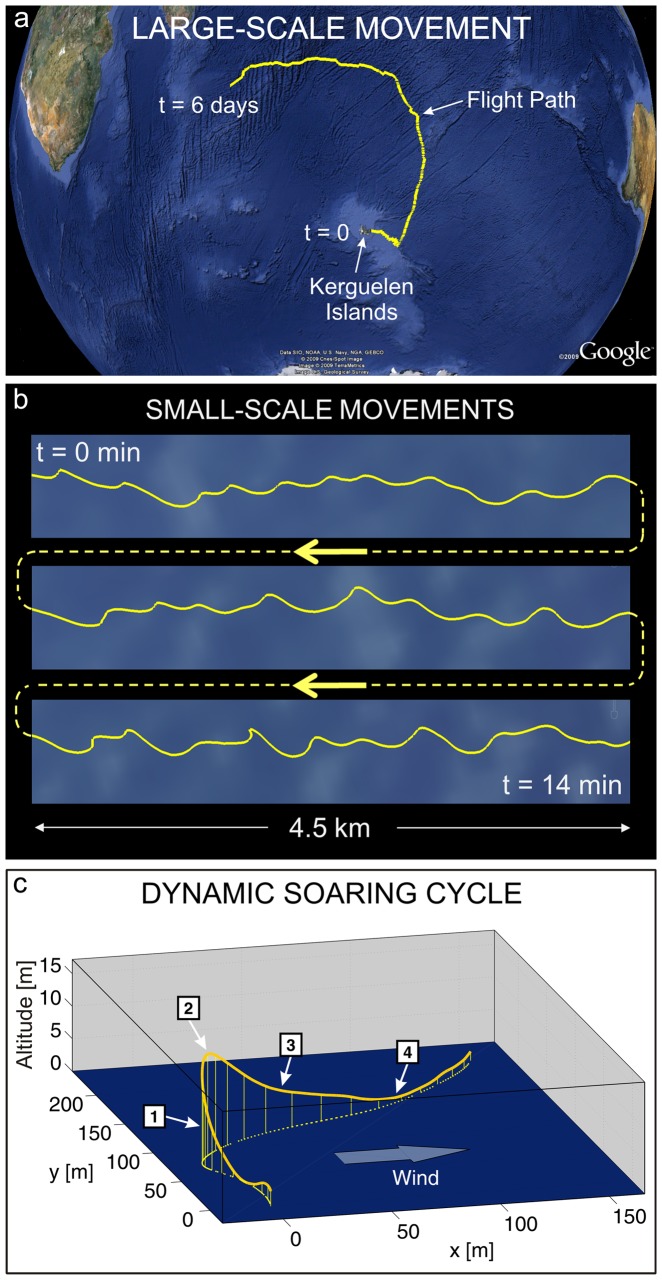
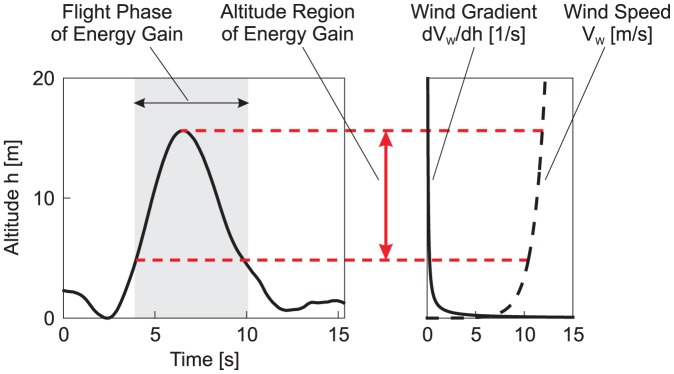
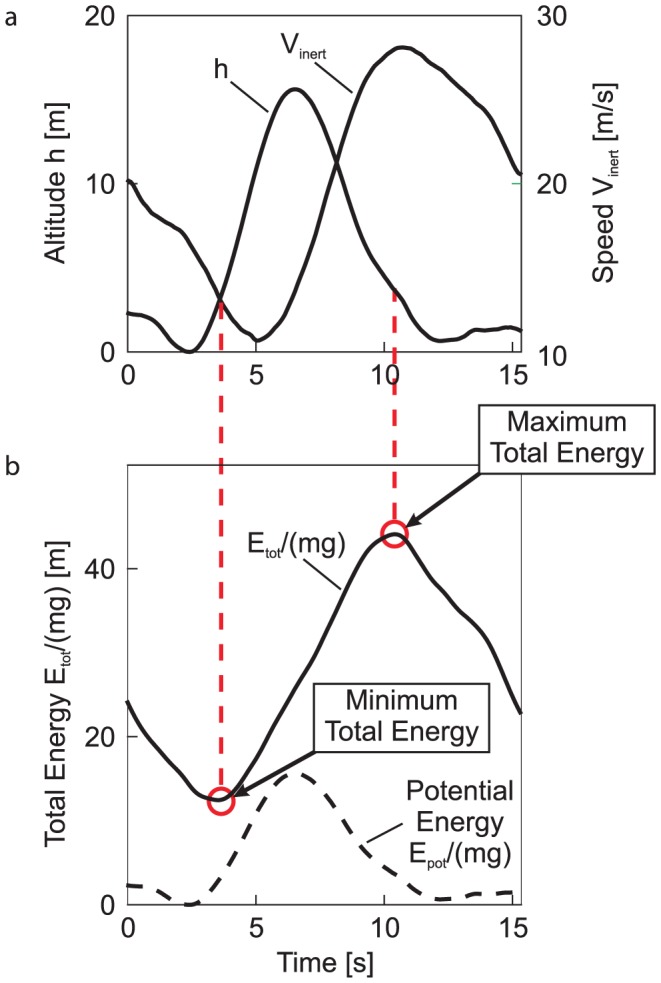
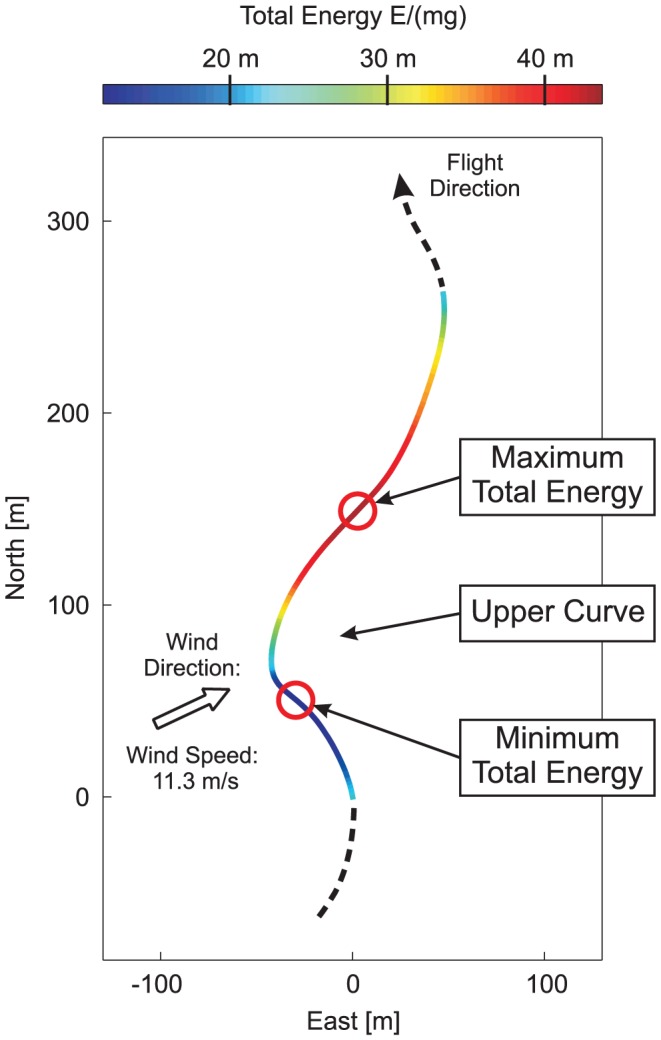
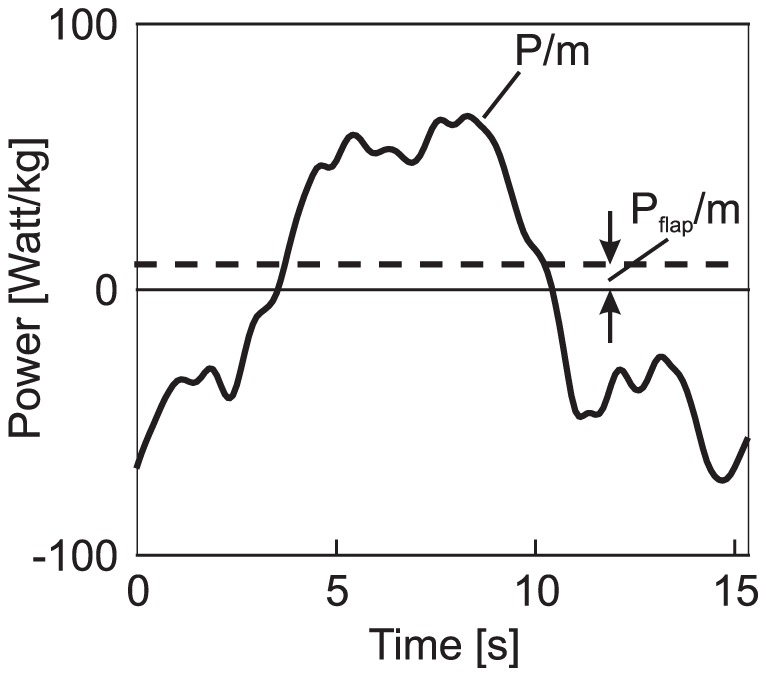
Albatrosses do something that no other birds are able to do: fly thousands of kilometres at no mechanical cost. This is possible because they use dynamic soaring, a flight mode that enables them to gain the energy required for flying from wind. Until now, the physical mechanisms of the energy gain in terms of the energy transfer from the wind to the bird were mostly unknown. Here we show that the energy gain is achieved by a dynamic flight manoeuvre consisting of a continually repeated up-down curve with optimal adjustment to the wind. We determined the energy obtained from the wind by analysing the measured trajectories of free flying birds using a new GPS-signal tracking method yielding a high precision. Our results reveal an evolutionary adaptation to an extreme environment, and may support recent biologically inspired research on robotic aircraft that might utilize albatrosses' flight technique for engineless propulsion.
无需任何机械辅助即可飞行数千公里。这是因为它们利用了动态翱翔,这是一种飞行模式,使它们能够从风中获取飞行所需的能量。到目前为止,关于能量从风转移到鸟类的能量增益的物理机制在很大程度上还不为人知。在这里,我们展示了能量增益是通过一种由连续重复的上下曲线组成的动态飞行机动来实现的,这种机动与风的最佳调整相结合。我们通过使用一种新的 GPS 信号跟踪方法来分析自由飞行鸟类的测量轨迹来确定从风中获得的能量,该方法具有高精度。我们的研究结果揭示了对极端环境的进化适应,这可能为最近受生物启发的研究提供支持,这些研究可能会利用信天翁的飞行技术实现无动力推进的机器人飞机。