Department of Animal Resources Technology, Gyeongnam National University of Science and Technology, Jinju, Korea.
PLoS One. 2012;7(9):e42198. doi: 10.1371/journal.pone.0042198. Epub 2012 Sep 4.
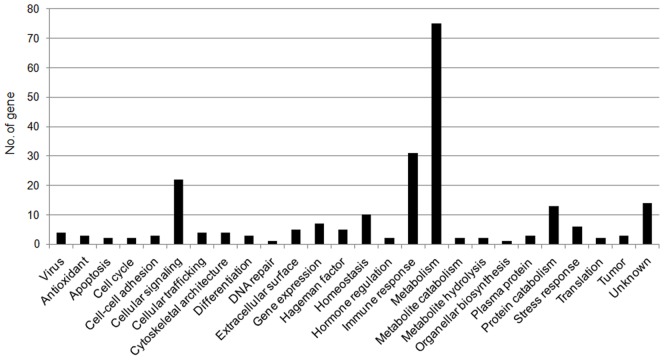
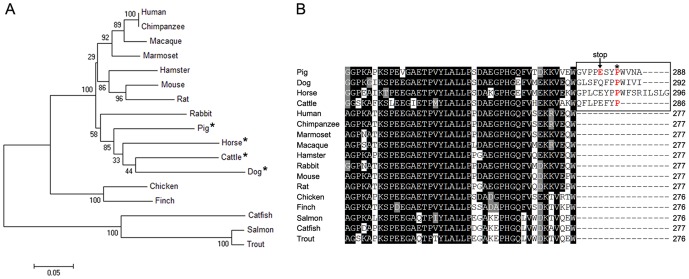
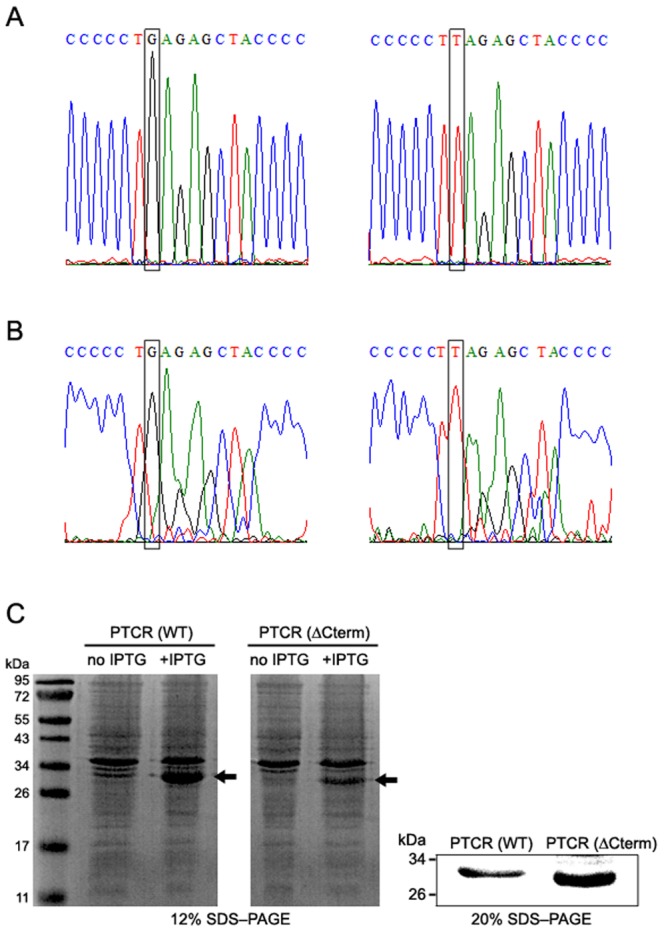
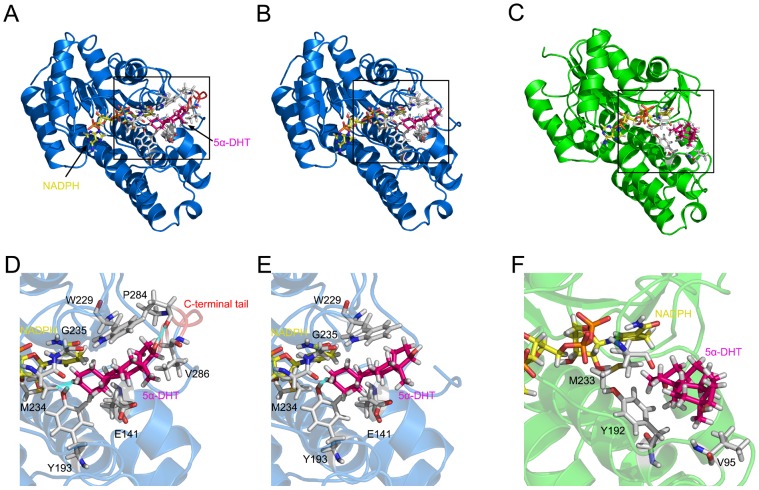
Changes in meat quality traits are strongly associated with alterations in postmortem metabolism which depend on genetic variations, especially nonsynonymous single nucleotide variations (nsSNVs) having critical effects on protein structure and function. To selectively identify metabolism-related nsSNVs, next-generation transcriptome sequencing (RNA-Seq) was carried out using RNAs from porcine liver, which contains a diverse range of metabolic enzymes. The multiplex SNV genotyping analysis showed that various metabolism-related genes had different nsSNV alleles. Moreover, many nsSNVs were significantly associated with multiple meat quality traits. Particularly, ch7:g.22112616A>G SNV was identified to create a single amino acid change (Thr/Ala) at the 145th residue of H1.3-like protein, very close to the putative 147th threonine phosphorylation site, suggesting that the nsSNV may affect multiple meat quality traits by affecting the epigenetic regulation of postmortem metabolism-related gene expression. Besides, one nonsynonymous variation, probably generated by gene duplication, led to a stop signal in porcine testicular carbonyl reductase (PTCR), resulting in a C-terminal (E281-A288) deletion. Molecular docking and energy minimization calculations indicated that the binding affinity of wild-type PTCR to 5α-DHT, a C(21)-steroid, was superior to that of C-terminal-deleted PTCR or human carbonyl reductase, which was very consistent with experimental data, reported previously. Furthermore, P284 was identified as an important residue mediating the specific interaction between PTCR and 5α-DHT, and phylogenetic analysis showed that P284 is an evolutionarily conserved residue among animal carbonyl reductases, which suggests that the C-terminal tails of these reductases may have evolved under evolutionary pressure to increase the substrate specificity for C(21)-steroids and facilitate metabolic adaptation. Altogether, our RNA-Seq revealed that selective nsSNVs were associated with meat quality traits that could be useful for successful marker-assisted selection in pigs and also represents a useful resource to enhance understanding of protein folding, substrate specificity, and the evolution of enzymes such as carbonyl reductase.
肉质特性的变化与死后代谢的改变密切相关,而后者又依赖于遗传变异,尤其是对蛋白质结构和功能有重要影响的非同义单核苷酸变异(nsSNV)。为了有针对性地鉴定与代谢相关的 nsSNV,我们利用猪肝脏中的 RNA 进行了下一代转录组测序(RNA-Seq),肝脏中含有各种代谢酶。多重 SNV 基因分型分析表明,各种与代谢相关的基因具有不同的 nsSNV 等位基因。此外,许多 nsSNV 与多种肉质特性显著相关。特别是,在 H1.3 样蛋白的第 145 位残基处发现了 ch7:g.22112616A>G SNV,导致单个氨基酸变化(Thr/Ala),该位置非常接近假定的第 147 位苏氨酸磷酸化位点,表明该 nsSNV 可能通过影响与死后代谢相关基因表达的表观遗传调控来影响多种肉质特性。此外,可能由基因复制产生的非同义变异导致了猪睾丸羰基还原酶(PTCR)的终止信号,导致 C 端(E281-A288)缺失。分子对接和能量最小化计算表明,野生型 PTCR 与 5α-DHT(C21-类固醇)的结合亲和力优于 C 端缺失的 PTCR 或人羰基还原酶,这与之前报道的实验数据非常一致。此外,鉴定出 P284 是介导 PTCR 与 5α-DHT 特异性相互作用的重要残基,系统发育分析表明,P284 是动物羰基还原酶中进化上保守的残基,这表明这些还原酶的 C 端尾部可能在进化压力下进化,以增加对 C21-类固醇的底物特异性,并促进代谢适应。总之,我们的 RNA-Seq 表明,选择性 nsSNV 与肉质特性相关,这对猪的成功标记辅助选择很有用,同时也为增强对羰基还原酶等酶的蛋白质折叠、底物特异性和进化的理解提供了有用的资源。