McManus George B, Schoener Donald M, Haberlandt Katharine
Department of Marine Sciences, University of Connecticut Groton, CT, USA.
Front Microbiol. 2012 Sep 4;3:321. doi: 10.3389/fmicb.2012.00321. eCollection 2012.
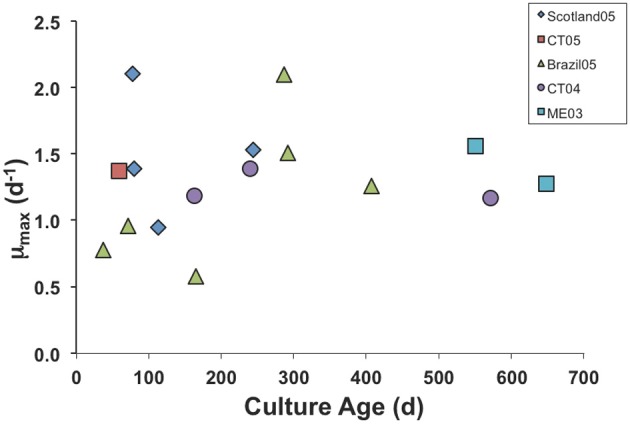
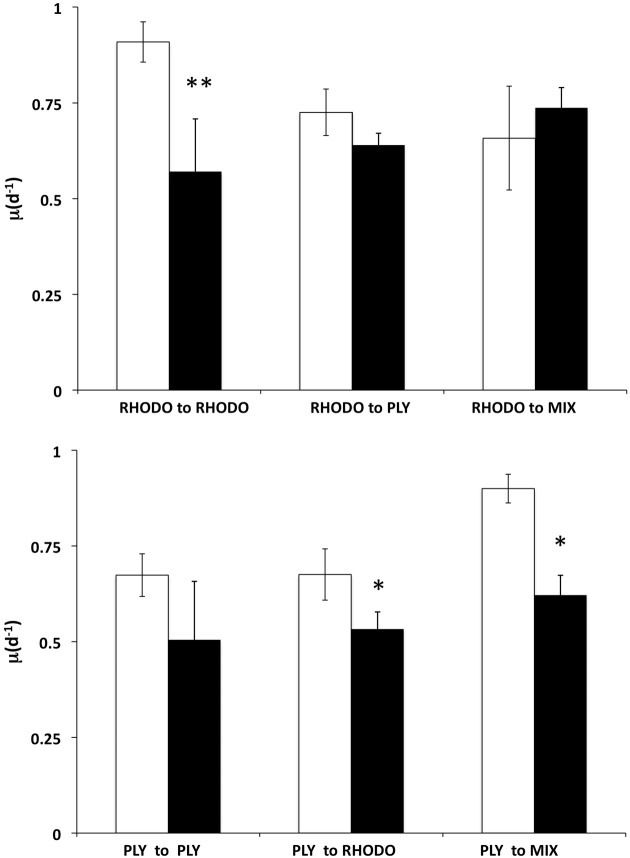
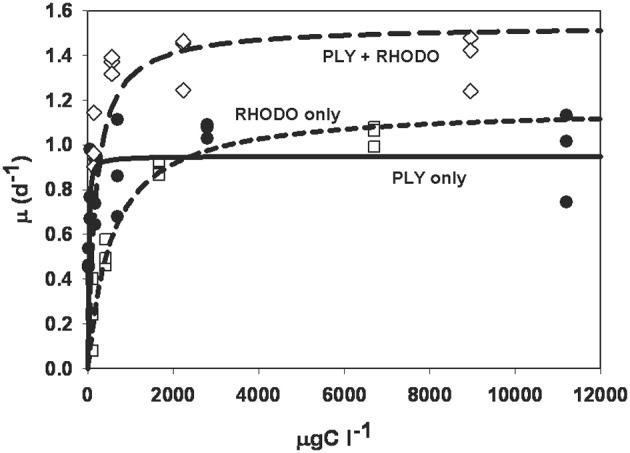
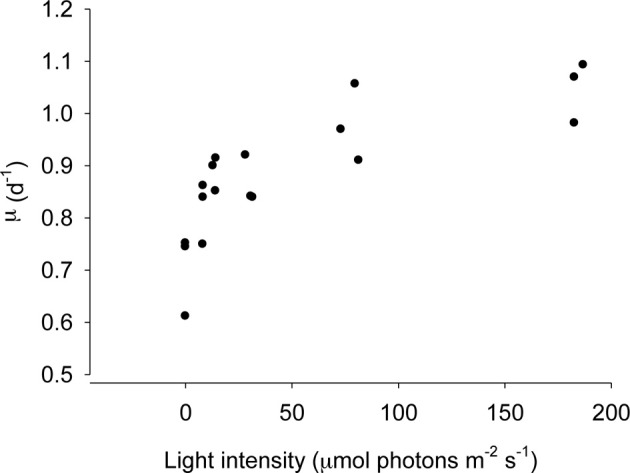
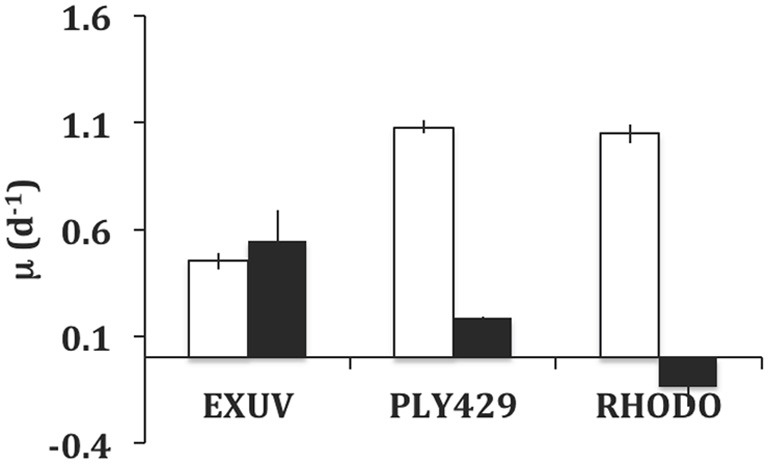
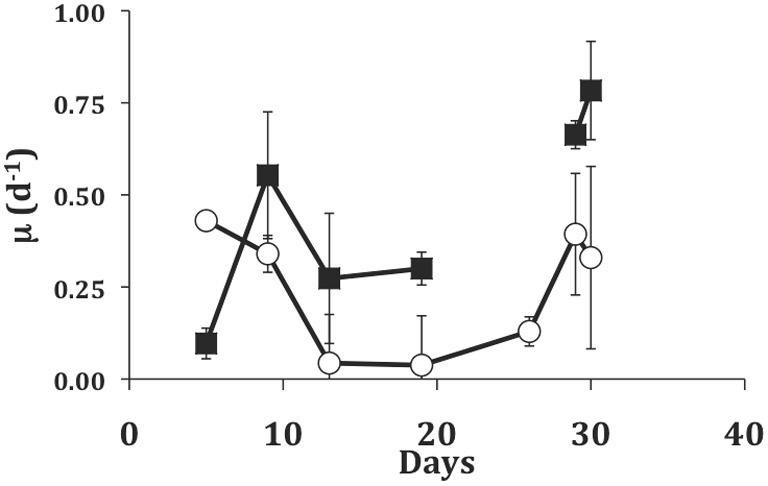
Simultaneous use of both heterotrophic and autotrophic metabolism ("mixotrophy") is common among protists. Strombidium rassoulzadegani is a planktonic mixotrophic marine ciliate that saves chloroplasts from its algal food and obtains a nutritional subsidy via photosynthesis. Cultures from the northeast, northwest, and southwest Atlantic Ocean show similar numerical response parameters (maximum growth rate, food concentration at which growth is half its maximum, and threshold food concentration for growth), and some isolates have been maintained in vitro for over 3 years. This ciliate grows equally well when fed on the green alga Tetraselmis chui (strain PLY429) or the cryptophyte Rhodomonas lens (strain RHODO). It appears to be an obligate mixotroph, requiring both food and light to achieve positive growth, when feeding on either of these algae. However, it has also been grown for several weeks (>10 generations) heterotrophically on the dinoflagellate Prorocentrum minimum (strain EXUV) during which it grows better in dark than in light. In this paper, we review the ecology of S. rassoulzadegani, discuss some aspects of its photo- and feeding physiology, and speculate on benefits and costs to the ciliate of chloroplast symbiosis.
同时利用异养和自养代谢(“混合营养”)在原生生物中很常见。拉苏尔扎德加尼急游虫是一种浮游性混合营养海洋纤毛虫,它从其藻类食物中保存叶绿体,并通过光合作用获得营养补贴。来自东北大西洋、西北大西洋和西南大西洋的培养物显示出相似的数值响应参数(最大生长速率、生长达到最大生长速率一半时的食物浓度以及生长的阈值食物浓度),并且一些分离株已在体外保存了3年以上。当以绿藻杜氏盐藻(菌株PLY429)或隐藻莱茵衣藻(菌株RHODO)为食时,这种纤毛虫生长得同样良好。当以这些藻类中的任何一种为食时,它似乎是一种专性混合营养生物,需要食物和光照才能实现正生长。然而,它也在微小原甲藻(菌株EXUV)上异养培养了数周(>10代),在此期间它在黑暗中比在光照下生长得更好。在本文中,我们综述了拉苏尔扎德加尼急游虫的生态学,讨论了其光合和摄食生理学的一些方面,并推测了叶绿体共生对纤毛虫的益处和成本。