Program in Public Health, University of California Irvine, Irvine, California, United States of America.
PLoS One. 2012;7(9):e44607. doi: 10.1371/journal.pone.0044607. Epub 2012 Sep 7.
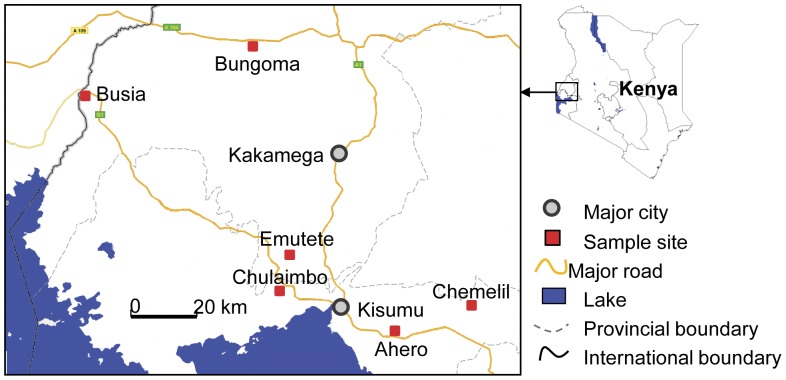
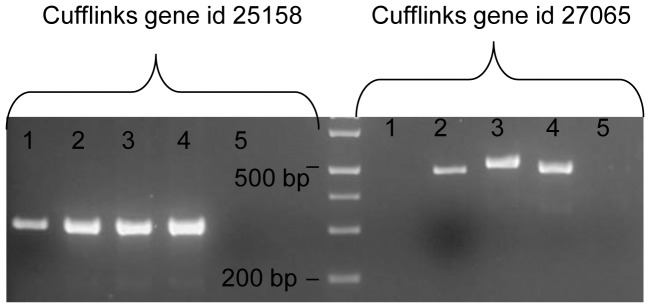
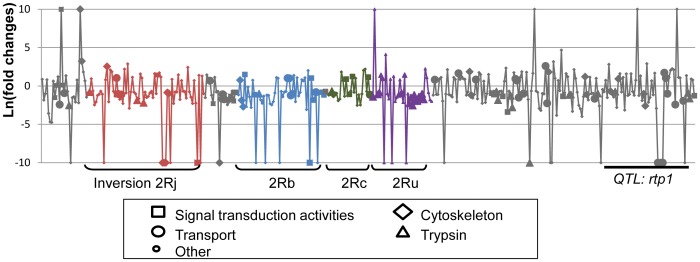
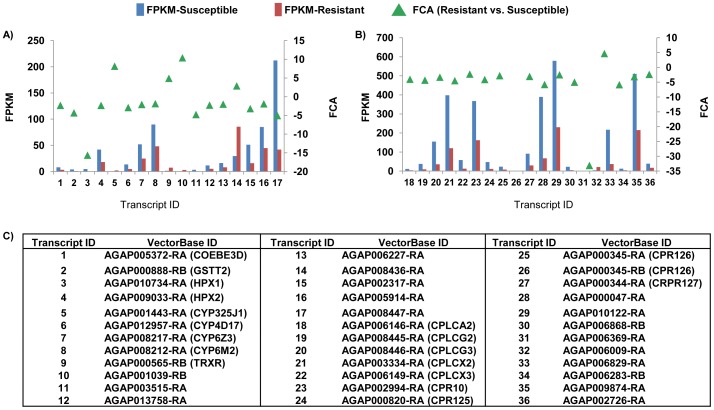
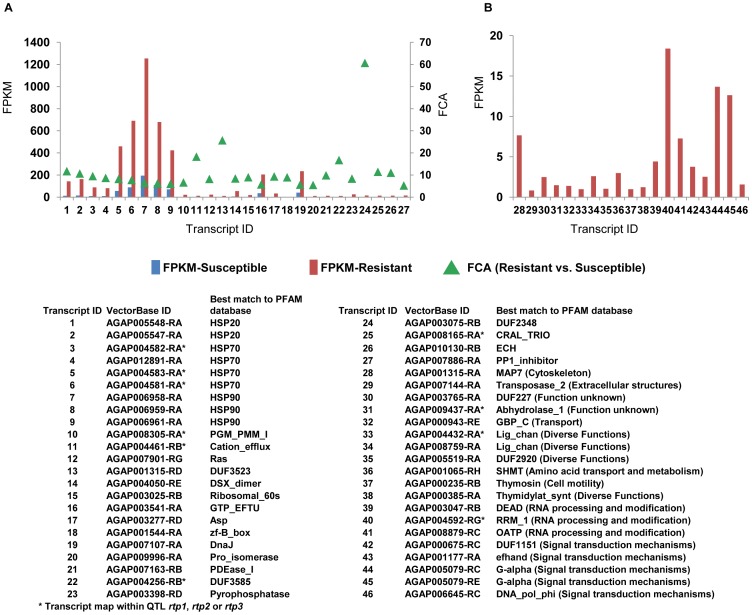
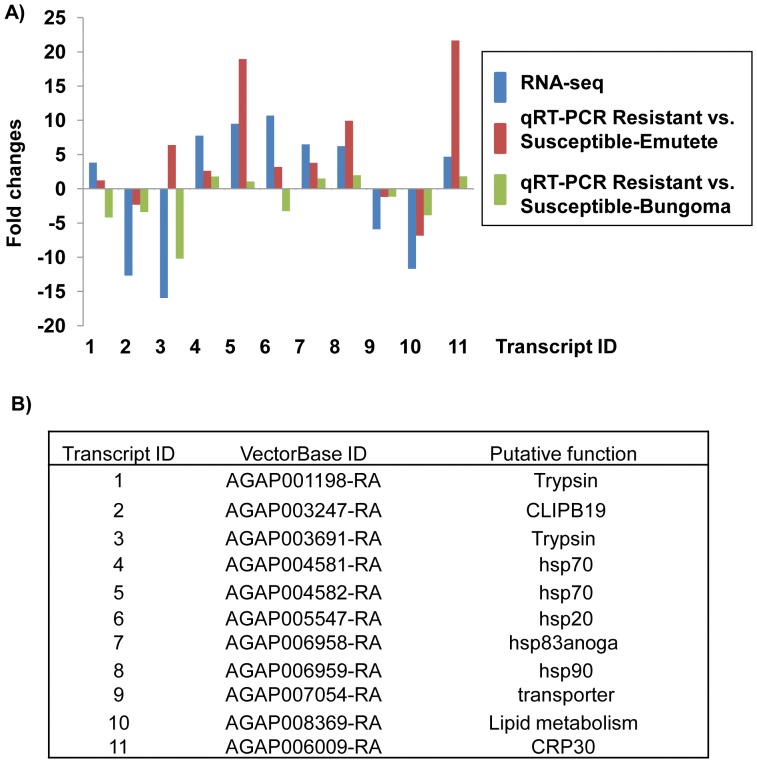
Malaria causes more than 300 million clinical cases and 665,000 deaths each year, and the majority of the mortality and morbidity occurs in sub-Saharan Africa. Due to the lack of effective vaccines and wide-spread resistance to antimalarial drugs, mosquito control is the primary method of malaria prevention and control. Currently, malaria vector control relies on the use of insecticides, primarily pyrethroids. The extensive use of insecticides has imposed strong selection pressures for resistance in the mosquito populations. Consequently, resistance to pyrethroids in Anopheles gambiae, the main malaria vector in sub-Saharan Africa, has become a major obstacle for malaria control. A key element of resistance management is the identification of resistance mechanisms and subsequent development of reliable resistance monitoring tools. Field-derived An. gambiae from Western Kenya were phenotyped as deltamethrin-resistant or -susceptible by the standard WHO tube test, and their expression profile compared by RNA-seq. Based on the current annotation of the An. gambiae genome, a total of 1,093 transcripts were detected as significantly differentially accumulated between deltamethrin-resistant and -susceptible mosquitoes. These transcripts are distributed over the entire genome, with a large number mapping in QTLs previously linked to pyrethorid resistance, and correspond to heat-shock proteins, metabolic and transport functions, signal transduction activities, cytoskeleton and others. The detected differences in transcript accumulation levels between resistant and susceptible mosquitoes reflect transcripts directly or indirectly correlated with pyrethroid resistance. RNA-seq data also were used to perform a de-novo Cufflinks assembly of the An. gambiae genome.
疟疾每年导致超过 3 亿例临床病例和 66.5 万人死亡,大多数死亡和发病发生在撒哈拉以南非洲。由于缺乏有效的疫苗和广泛的抗疟药物耐药性,蚊子控制是疟疾预防和控制的主要方法。目前,疟疾病媒控制依赖于杀虫剂的使用,主要是拟除虫菊酯。杀虫剂的广泛使用对蚊子种群产生了强烈的抗药性选择压力。因此,撒哈拉以南非洲主要疟疾传播媒介冈比亚按蚊对拟除虫菊酯的抗药性已成为疟疾控制的主要障碍。抗性管理的一个关键要素是确定抗性机制,随后开发可靠的抗性监测工具。来自肯尼亚西部的现场衍生的冈比亚按蚊通过标准世卫组织管测试表型为溴氰菊酯抗性或敏感,并通过 RNA-seq 比较其表达谱。基于冈比亚按蚊基因组的当前注释,总共检测到 1093 个转录本在溴氰菊酯抗性和敏感蚊子之间差异显著积累。这些转录本分布在整个基因组中,大量映射在先前与拟除虫菊酯抗性相关的 QTL 上,与热休克蛋白、代谢和运输功能、信号转导活性、细胞骨架等相对应。抗性和敏感蚊子之间转录本积累水平的差异反映了与拟除虫菊酯抗性直接或间接相关的转录本。RNA-seq 数据还用于对冈比亚按蚊基因组进行 de-novo Cufflinks 组装。