HHMI and Department of Immunobiology, Yale University Medical School, New Haven, CT 06510, USA.
Curr Biol. 2012 Sep 11;22(17):R733-40. doi: 10.1016/j.cub.2012.07.029.
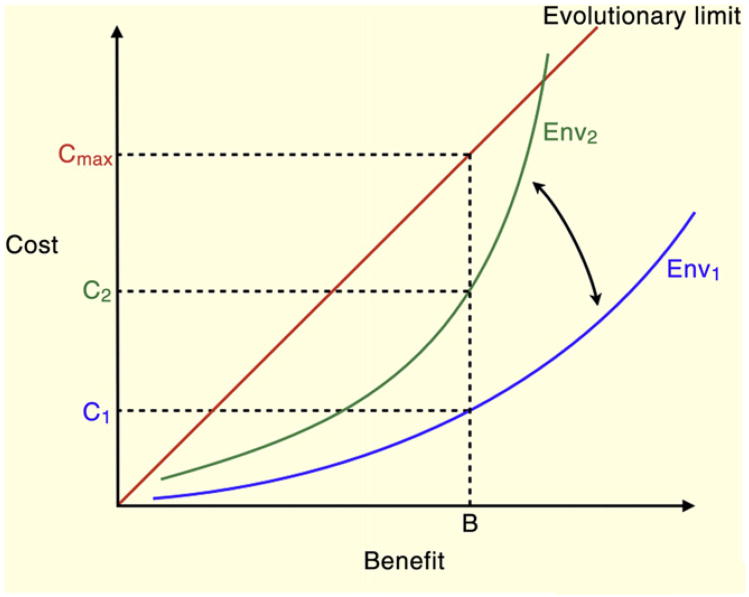
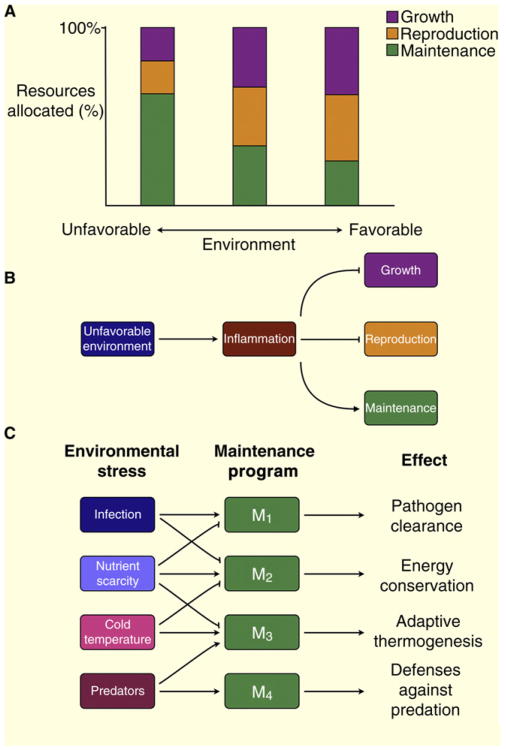
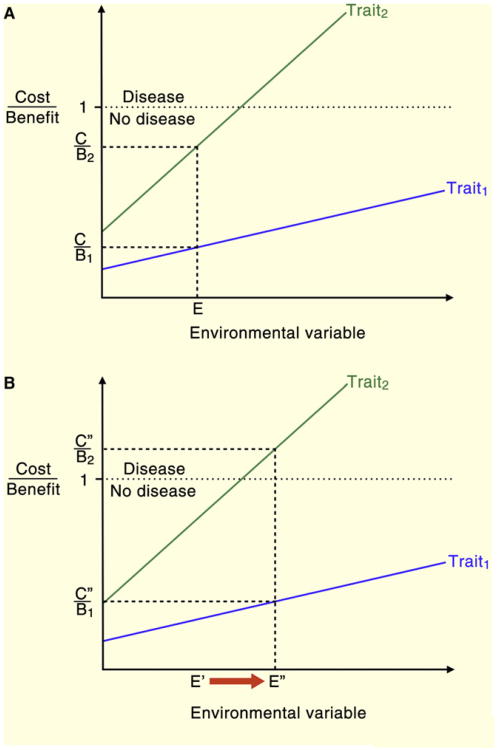
The association of inflammation with modern human diseases (e.g. obesity, cardiovascular disease, type 2 diabetes mellitus, cancer) remains an unsolved mystery of current biology and medicine. Inflammation is a protective response to noxious stimuli that unavoidably occurs at a cost to normal tissue function. This fundamental trade-off between the cost and benefit of the inflammatory response has been optimized over evolutionary time for specific environmental conditions. Rapid change of the human environment due to niche construction outpaces genetic adaptation through natural selection, leading increasingly to a mismatch between the modern environment and selected traits. Consequently, multiple trade-offs that affect human physiology are not optimized to the modern environment, leading to increased disease susceptibility. Here we examine the inflammatory response from an evolutionary perspective. We discuss unique aspects of the inflammatory response and its evolutionary history that can help explain the association between inflammation and modern human diseases.
炎症与现代人类疾病(如肥胖、心血管疾病、2 型糖尿病、癌症)的关联仍然是当前生物学和医学尚未解决的谜团。炎症是对有害刺激的一种保护性反应,但不可避免地会对正常组织功能造成损害。这种炎症反应的成本和收益之间的基本权衡,已经在进化过程中针对特定的环境条件进行了优化。由于生态位构建导致人类环境的快速变化超过了自然选择的遗传适应,导致现代环境与选择特征之间越来越不匹配。因此,影响人类生理学的多种权衡不再适应现代环境,导致疾病易感性增加。在这里,我们从进化的角度来研究炎症反应。我们讨论了炎症反应及其进化历史的独特方面,这有助于解释炎症与现代人类疾病之间的关联。