Department of Medicine, Division of Rheumatology, Allergy and Immunology, Brigham and Women's Hospital and Harvard Medical School, Boston, MA 02115, USA.
Bone. 2012 Nov;51(5):902-12. doi: 10.1016/j.bone.2012.08.113. Epub 2012 Aug 16.
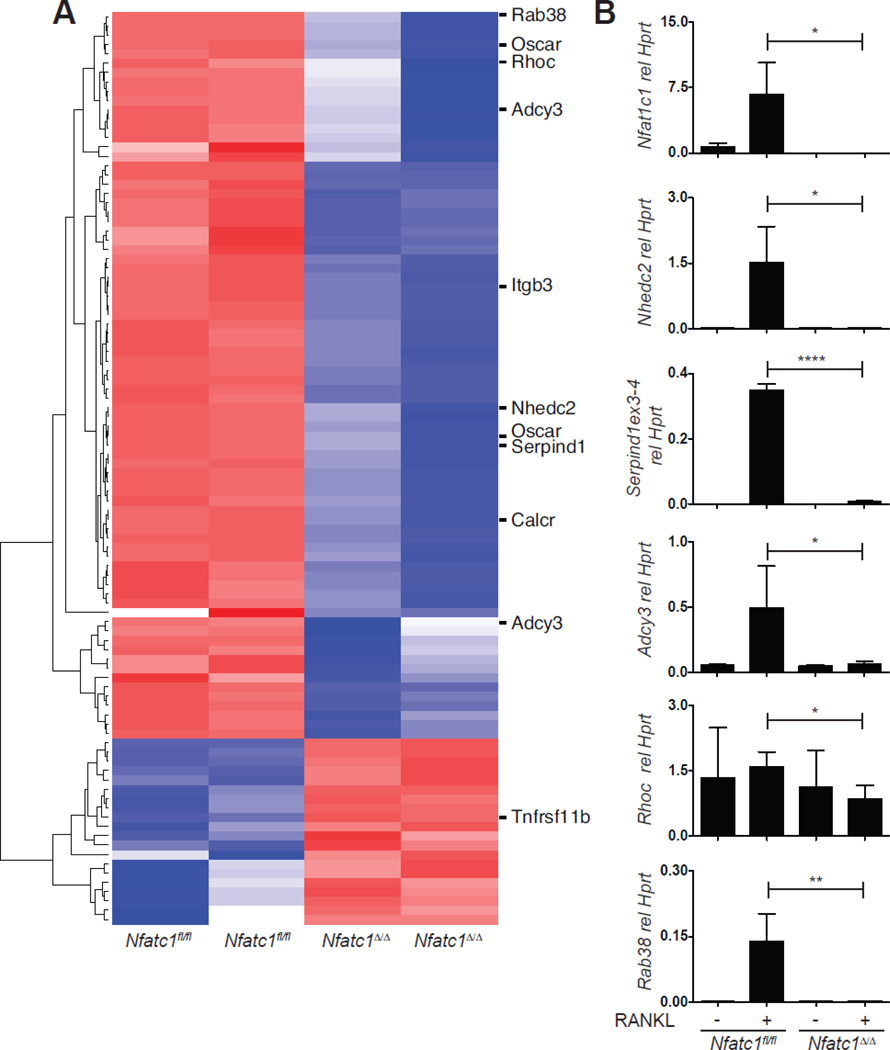
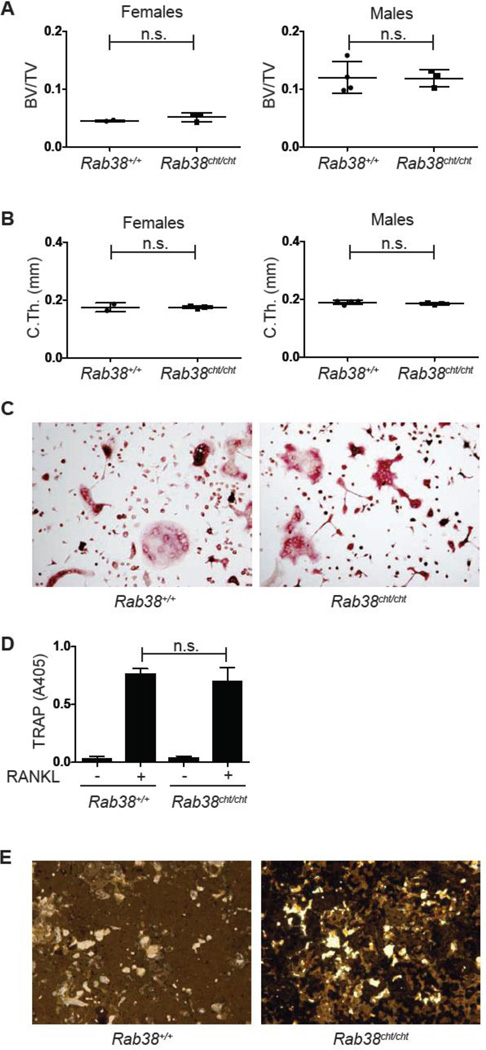
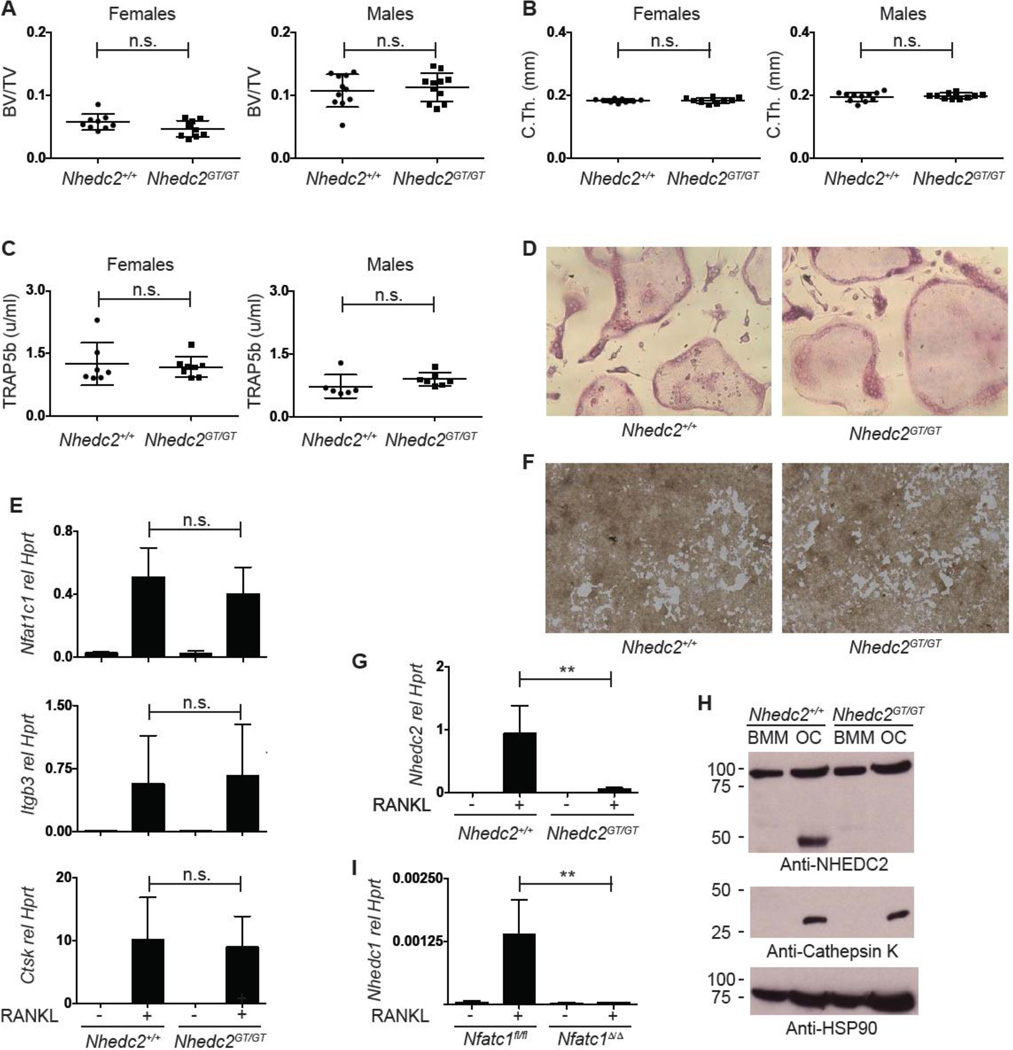
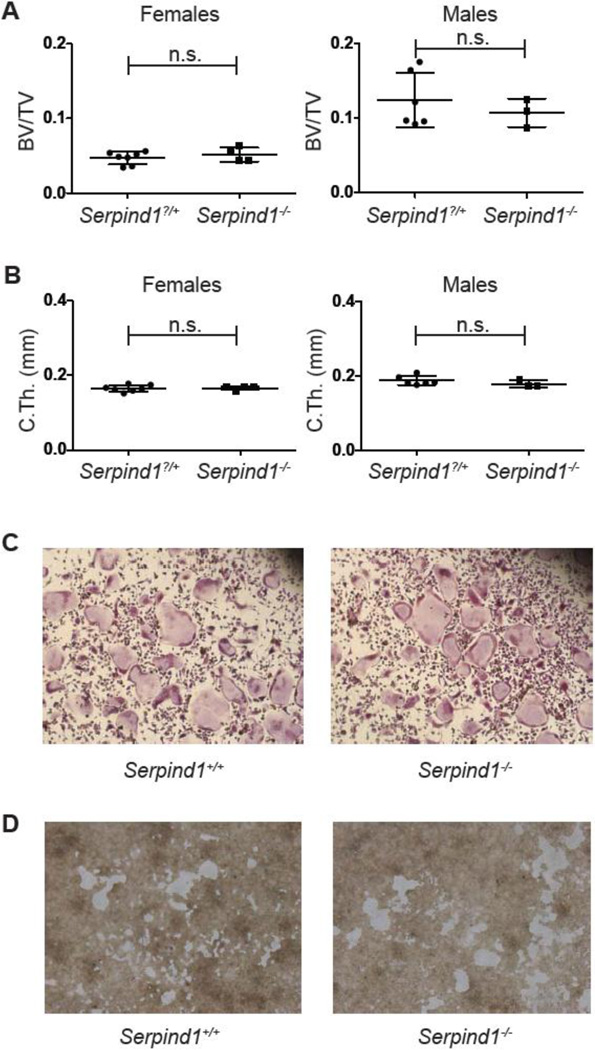
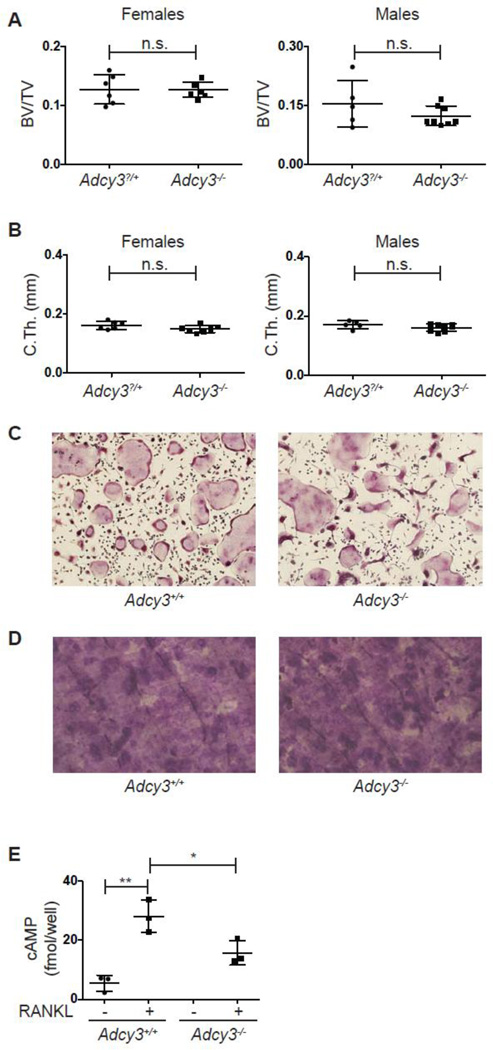
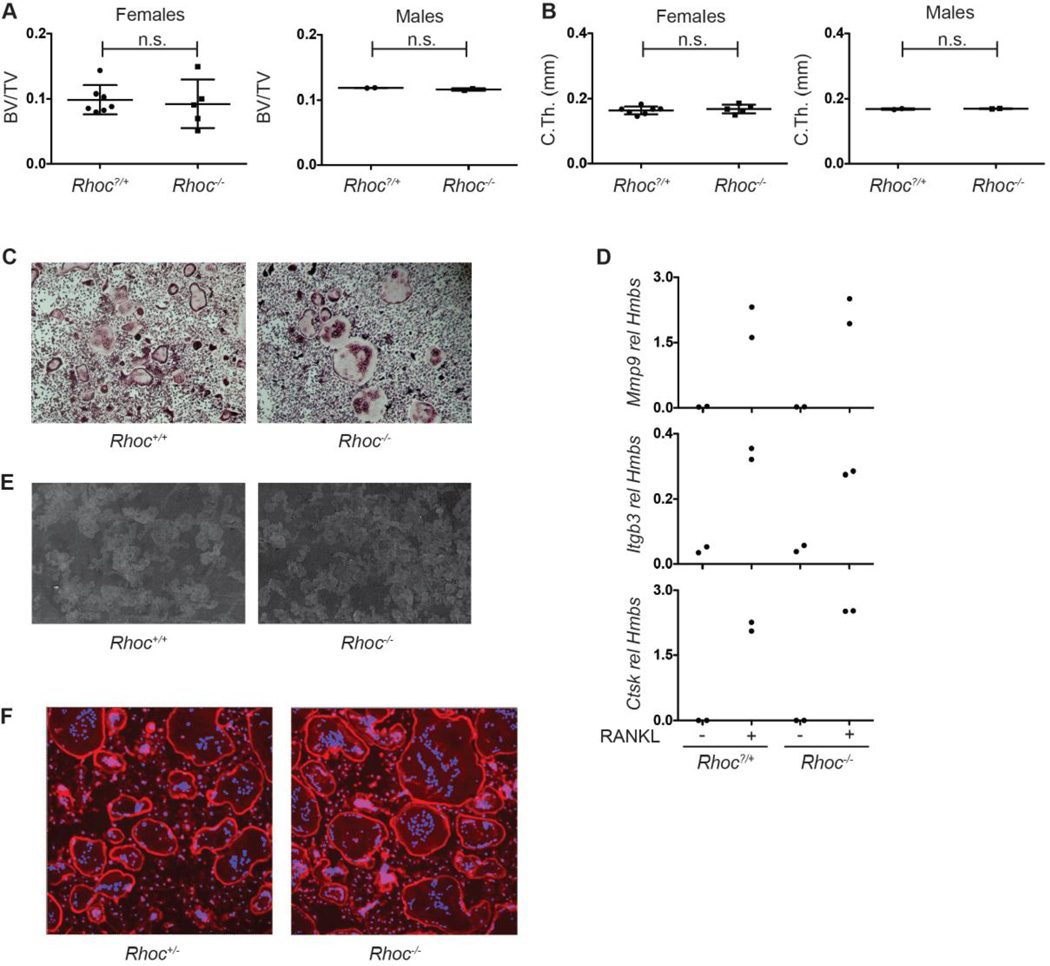
Osteoclasts are specialized secretory cells of the myeloid lineage important for normal skeletal homeostasis as well as pathologic conditions of bone including osteoporosis, inflammatory arthritis and cancer metastasis. Differentiation of these multinucleated giant cells from precursors is controlled by the cytokine RANKL, which through its receptor RANK initiates a signaling cascade culminating in the activation of transcriptional regulators which induce the expression of the bone degradation machinery. The transcription factor nuclear factor of activated T-cells c1 (NFATc1) is the master regulator of this process and in its absence osteoclast differentiation is aborted both in vitro and in vivo. Differential mRNA expression analysis by microarray is used to identify genes of potential physiologic relevance across nearly all biologic systems. We compared the gene expression profile of murine wild-type and NFATc1-deficient osteoclast precursors stimulated with RANKL and identified that the majority of the known genes important for osteoclastic bone resorption require NFATc1 for induction. Here, five novel RANKL-induced, NFATc1-dependent transcripts in the osteoclast are described: Nhedc2, Rhoc, Serpind1, Adcy3 and Rab38. Despite reasonable hypotheses for the importance of these molecules in the bone resorption pathway and their dramatic induction during differentiation, the analysis of mice with mutations in these genes failed to reveal a function in osteoclast biology. Compared to littermate controls, none of these mutants demonstrated a skeletal phenotype in vivo or alterations in osteoclast differentiation or function in vitro. These data highlight the need for rigorous validation studies to complement expression profiling results before functional importance can be assigned to highly regulated genes in any biologic process.
破骨细胞是骨髓谱系中专门的分泌细胞,对于正常骨骼稳态以及包括骨质疏松症、炎症性关节炎和癌症转移在内的骨骼病理状况都非常重要。这些多核巨细胞从前体分化受到细胞因子 RANKL 的控制,RANKL 通过其受体 RANK 启动信号级联反应,最终激活转录调节剂,诱导骨降解机制的表达。转录因子激活 T 细胞核因子 c1(NFATc1)是这个过程的主要调节因子,在其缺失的情况下,破骨细胞分化在体外和体内都会中止。通过微阵列进行差异 mRNA 表达分析可用于鉴定几乎所有生物系统中具有潜在生理相关性的基因。我们比较了用 RANKL 刺激的野生型和 NFATc1 缺陷型鼠破骨细胞前体的基因表达谱,并发现大多数已知对破骨细胞骨吸收重要的基因都需要 NFATc1 诱导。在此,描述了破骨细胞中五个新的 RANKL 诱导、NFATc1 依赖性转录本:Nhedc2、Rhoc、Serpind1、Adcy3 和 Rab38。尽管这些分子在骨吸收途径中的重要性及其在分化过程中的强烈诱导有合理的假设,但对这些基因发生突变的小鼠的分析未能揭示其在破骨细胞生物学中的功能。与同窝对照相比,这些突变体在体内均未表现出骨骼表型,也未改变体外破骨细胞分化或功能。这些数据突出表明,在任何生物学过程中,需要对表达谱结果进行严格的验证研究,以补充功能重要性的分配,而不仅仅是依赖于高度调控的基因。