School of Medicine, Keio University, Shinanomachi, Shinjuku-ku, Tokyo 160-8582, Japan.
Nucleic Acids Res. 2012 Nov;40(21):10742-52. doi: 10.1093/nar/gks874. Epub 2012 Sep 21.
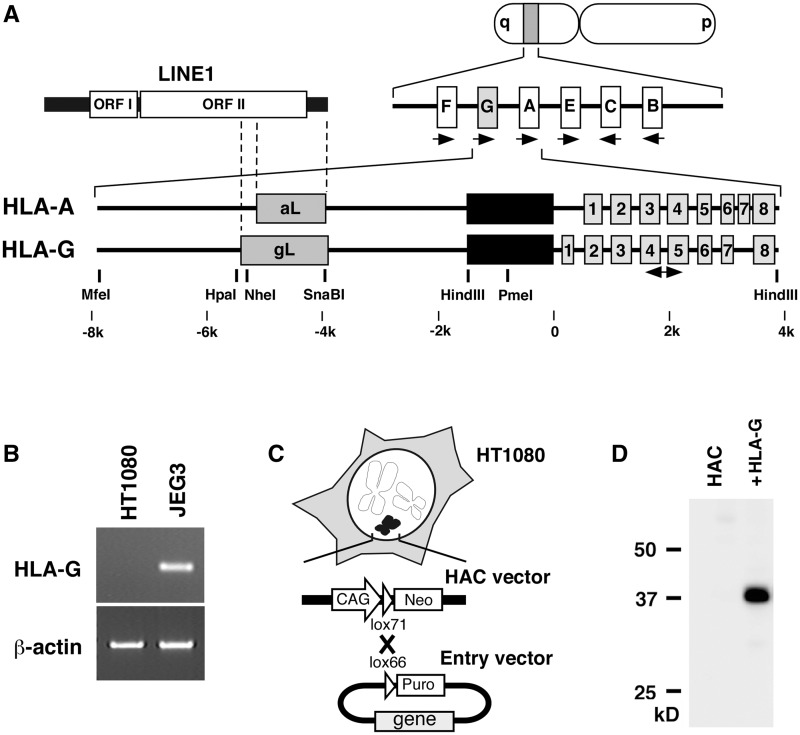
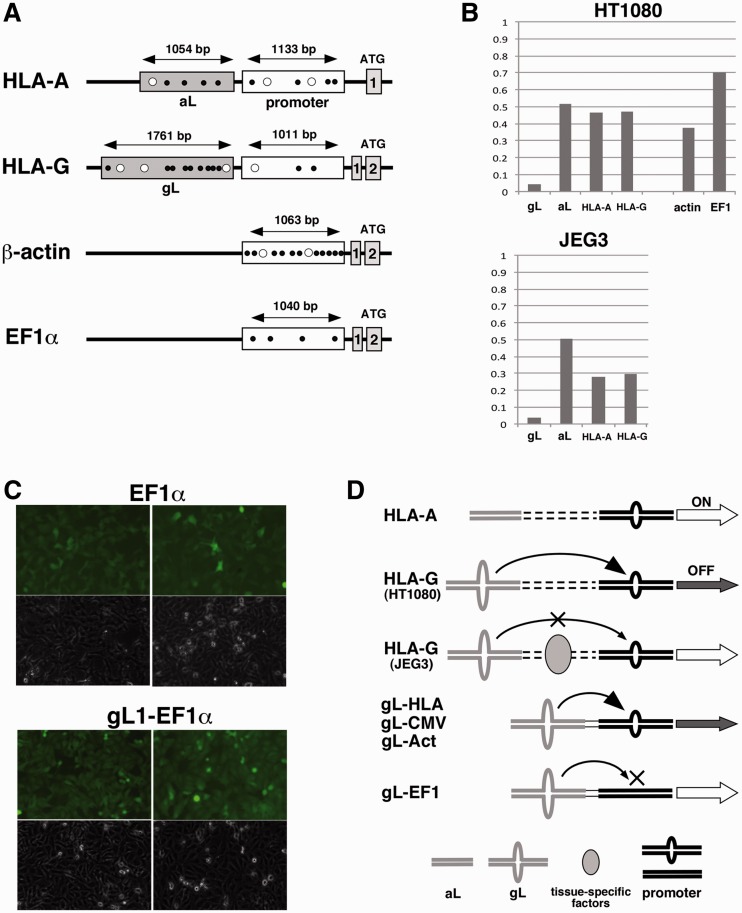
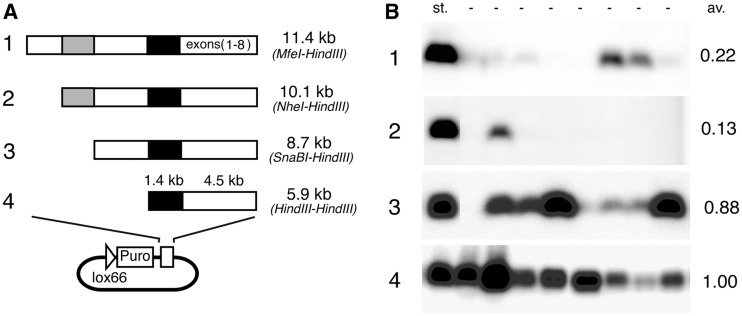
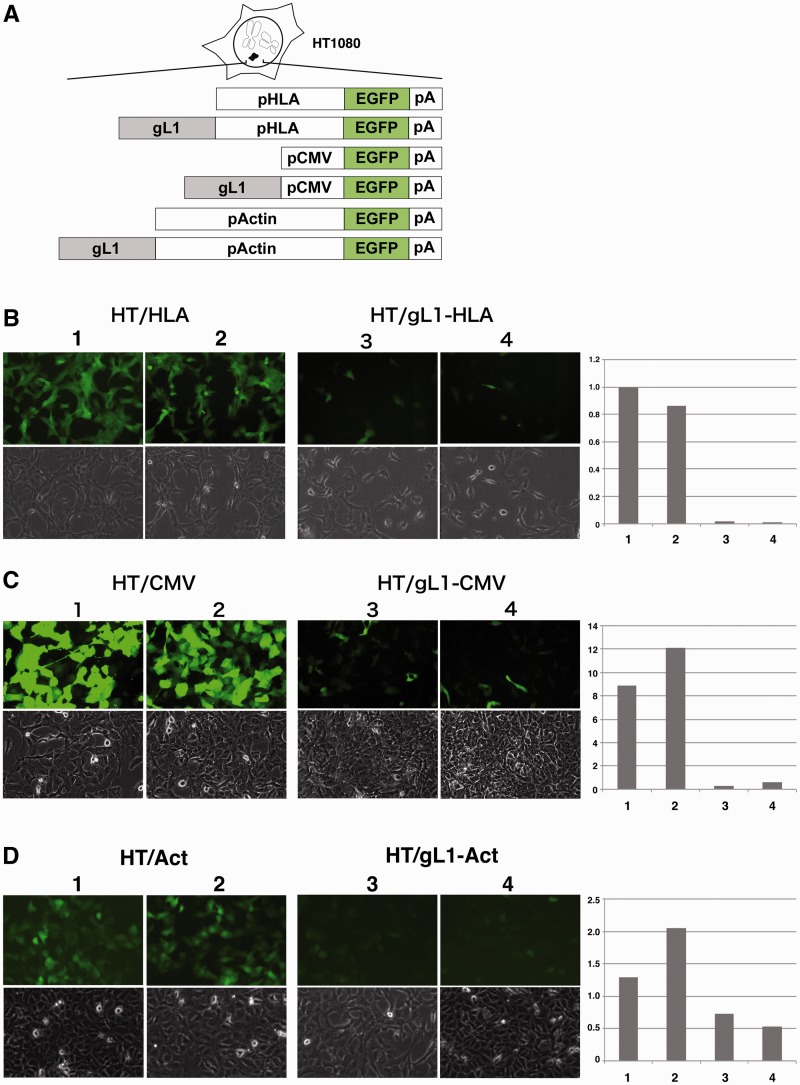
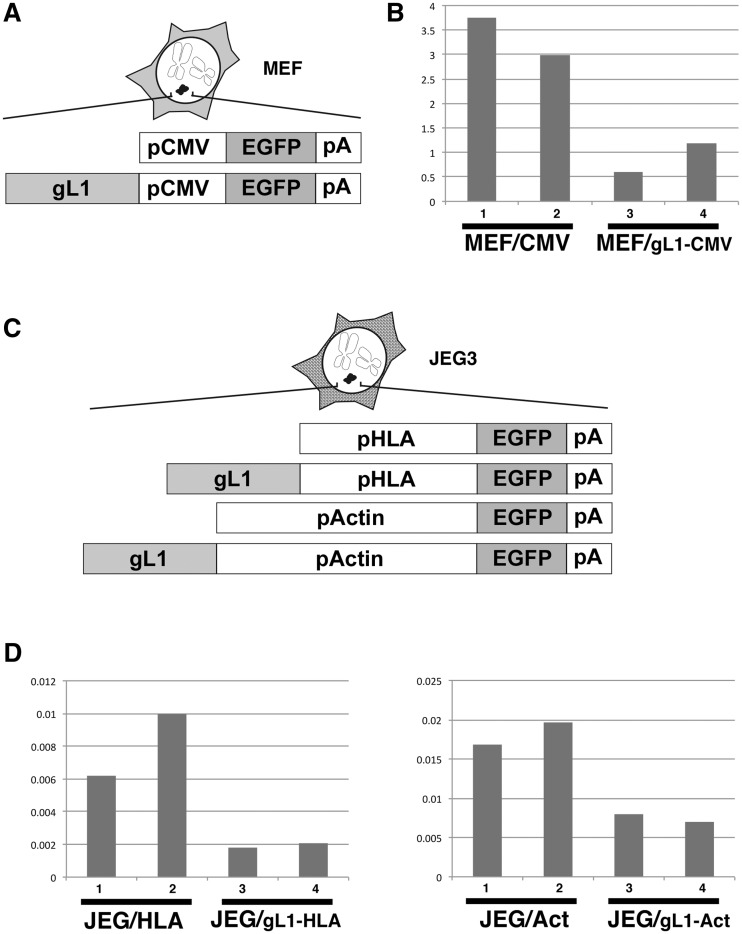
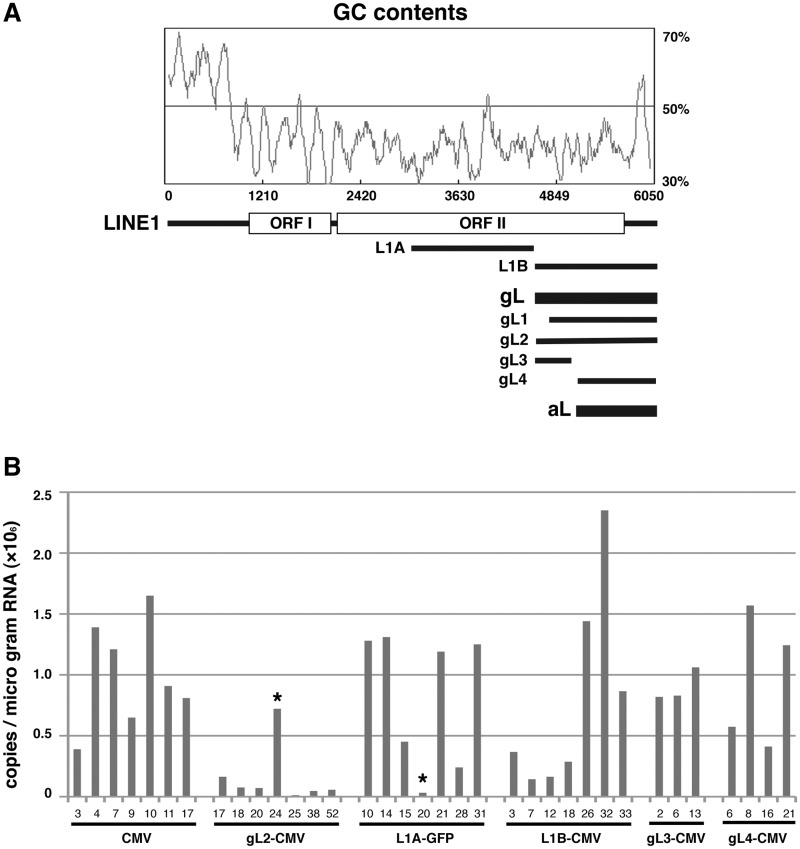
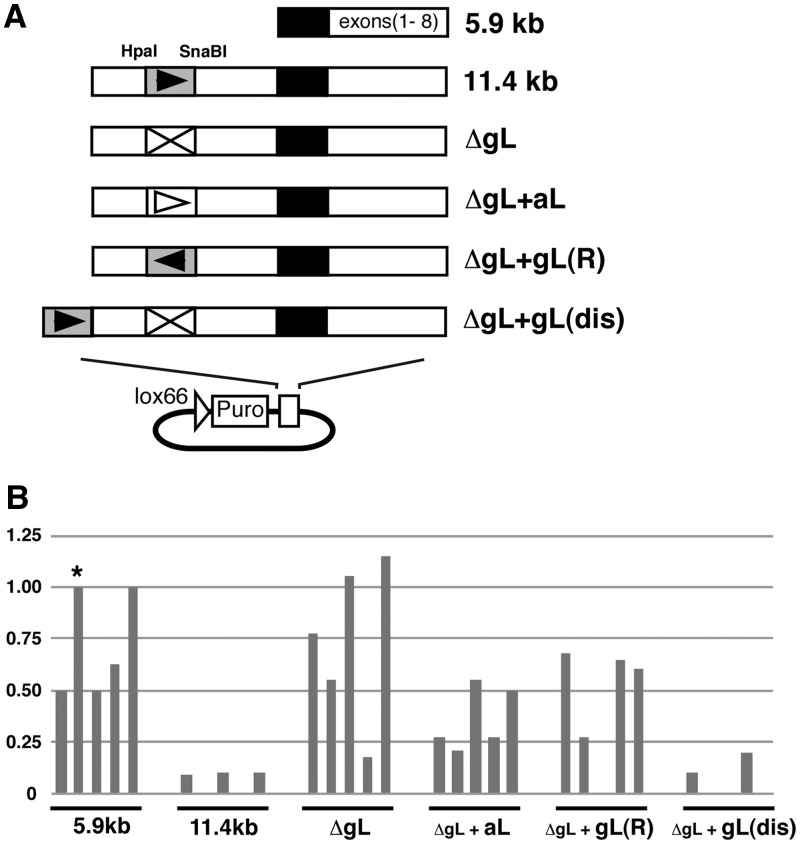
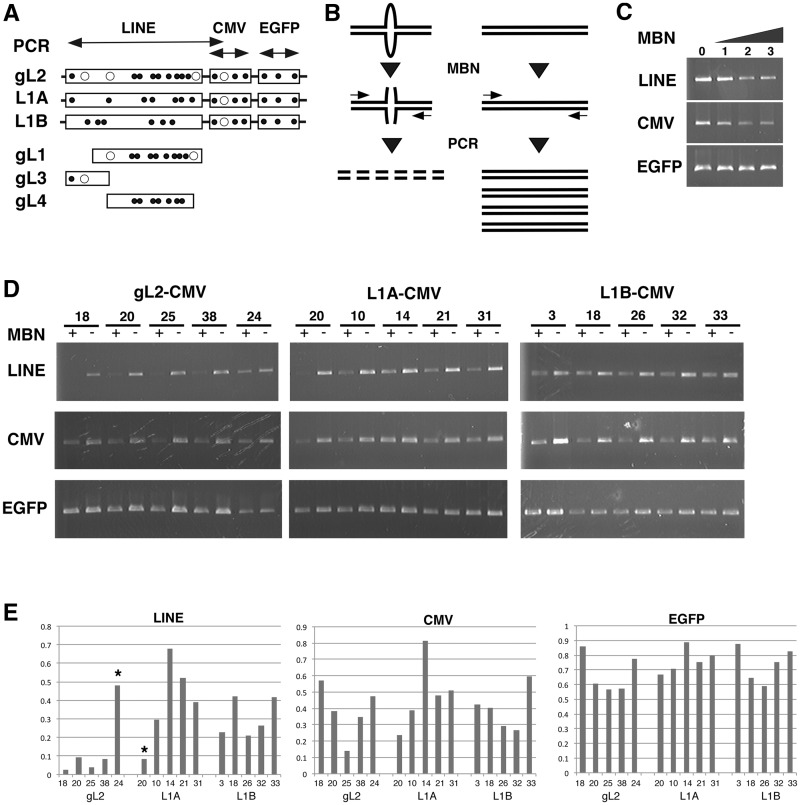
Class Ia molecules of human leucocyte antigen (HLA-A, -B and -C) are widely expressed and play a central role in the immune system by presenting peptides derived from the lumen of the endoplasmic reticulum. In contrast, class Ib molecules such as HLA-G serve novel functions. The distribution of HLA-G is mostly limited to foetal trophoblastic tissues and some tumour tissues. The mechanism required for the tissue-specific regulation of the HLA-G gene has not been well understood. Here, we investigated the genomic regulation of HLA-G by manipulating one copy of a genomic DNA fragment on a human artificial chromosome. We identified a potential negative regulator of gene expression in a sequence upstream of HLA-G that overlapped with the long interspersed element (LINE1); silencing of HLA-G involved a DNA secondary structure generated in LINE1. The presence of a LINE1 gene silencer may explain the limited expression of HLA-G compared with other class I genes.
人类白细胞抗原(HLA-A、-B 和 -C)的 Ia 类分子广泛表达,通过呈递来自内质网腔的肽段,在免疫系统中发挥核心作用。相比之下,HLA-G 等 Ib 类分子则具有新的功能。HLA-G 的分布主要局限于胎儿滋养层组织和一些肿瘤组织。HLA-G 基因组织特异性调节所需的机制尚未得到很好的理解。在这里,我们通过在人类人工染色体上操纵一个基因组 DNA 片段的一个拷贝来研究 HLA-G 的基因组调节。我们在 HLA-G 上游的序列中鉴定出一个潜在的负调控基因表达的元件,该元件与长散布元件(LINE1)重叠;HLA-G 的沉默涉及到 LINE1 中产生的 DNA 二级结构。LINE1 基因沉默子的存在可能解释了与其他 I 类基因相比,HLA-G 表达受限的原因。