Hetero Labs Ltd, IDA, Jeedimetla, Hyderabad, Andhra Pradesh ; National Facilities in Engineering and Technology with Industrial Collaboration (NAFETIC) Centre, University College of Pharmaceutical Sciences, Kakatiya University, Warangal, India.
Daru. 2011;19(6):385-403.
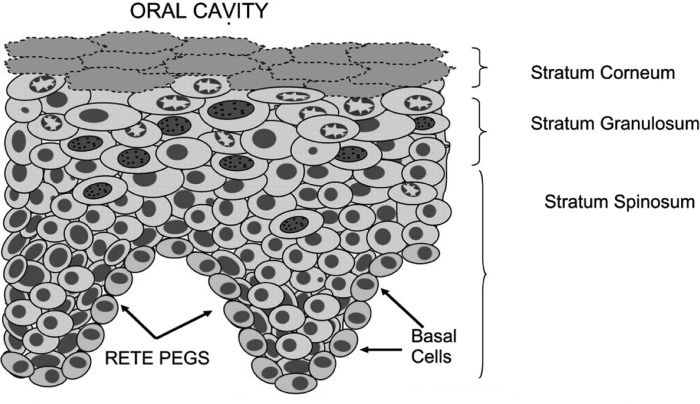
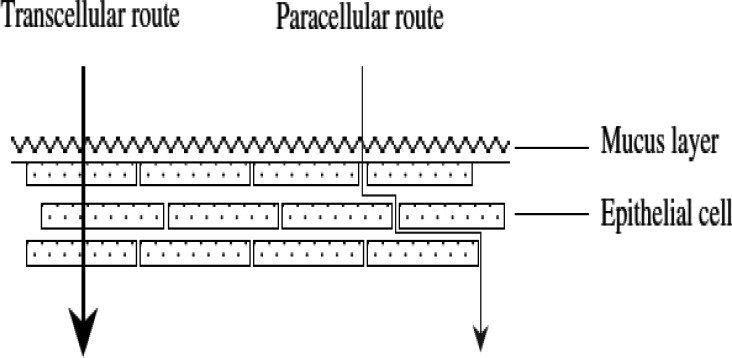
Owing to the ease of the administration, the oral cavity is an attractive site for the delivery of drugs. Through this route it is possible to realize mucosal (local effect) and transmucosal (systemic effect) drug administration. In the first case, the aim is to achieve a site-specific release of the drug on the mucosa, whereas the second case involves drug absorption through the mucosal barrier to reach the systemic circulation. The main obstacles that drugs meet when administered via the buccal route derive from the limited absorption area and the barrier properties of the mucosa. The effective physiological removal mechanisms of the oral cavity that take the formulation away from the absorption site are the other obstacles that have to be considered. The strategies studied to overcome such obstacles include the employment of new materials that, possibly, combine mucoadhesive, enzyme inhibitory and penetration enhancer properties and the design of innovative drug delivery systems which, besides improving patient compliance, favor a more intimate contact of the drug with the absorption mucosa. This presents a brief description of advantages and limitations of buccal drug delivery and the anatomical structure of oral mucosa, mechanisms of drug permeation followed by current formulation design in line with developments in buccal delivery systems and methodology in evaluating buccal formulations.
由于给药方便,口腔是药物投递的一个有吸引力的部位。通过该途径,可以实现粘膜(局部作用)和粘膜下(全身作用)给药。在前一种情况下,目的是实现药物在粘膜上的特定部位释放,而后一种情况则涉及通过粘膜屏障吸收药物以达到全身循环。药物经颊给药时遇到的主要障碍源于有限的吸收面积和粘膜的屏障特性。口腔有效的生理清除机制将制剂从吸收部位带走,这也是需要考虑的另一个障碍。为了克服这些障碍,研究人员采用了新的材料,这些材料可能具有粘膜黏附、酶抑制和渗透增强特性,并设计了创新的药物输送系统,除了提高患者顺应性外,还可以促进药物与吸收粘膜更紧密地接触。本文简要描述了颊部给药的优点和局限性以及口腔粘膜的解剖结构、药物渗透机制,接着介绍了与颊部给药系统发展相适应的制剂设计和评估颊部制剂的方法。