Department of Cosmeceutical Science, Daegu Hanny University, Kyungsan, Gyeoungbuk, Republic of Korea.
PLoS One. 2012;7(9):e43967. doi: 10.1371/journal.pone.0043967. Epub 2012 Sep 28.
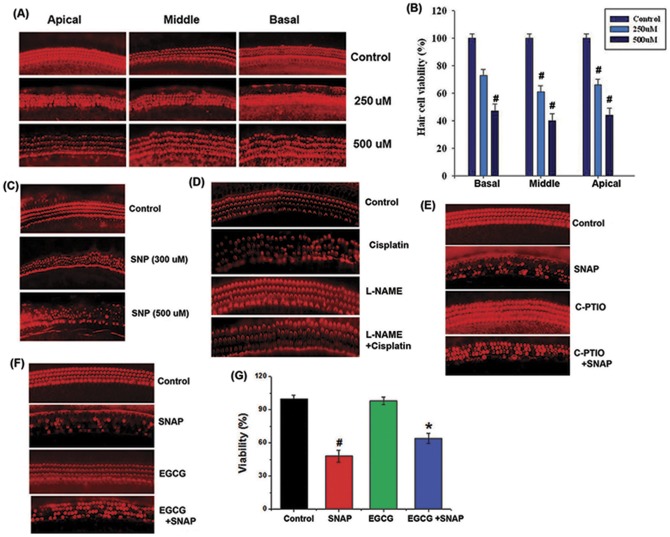
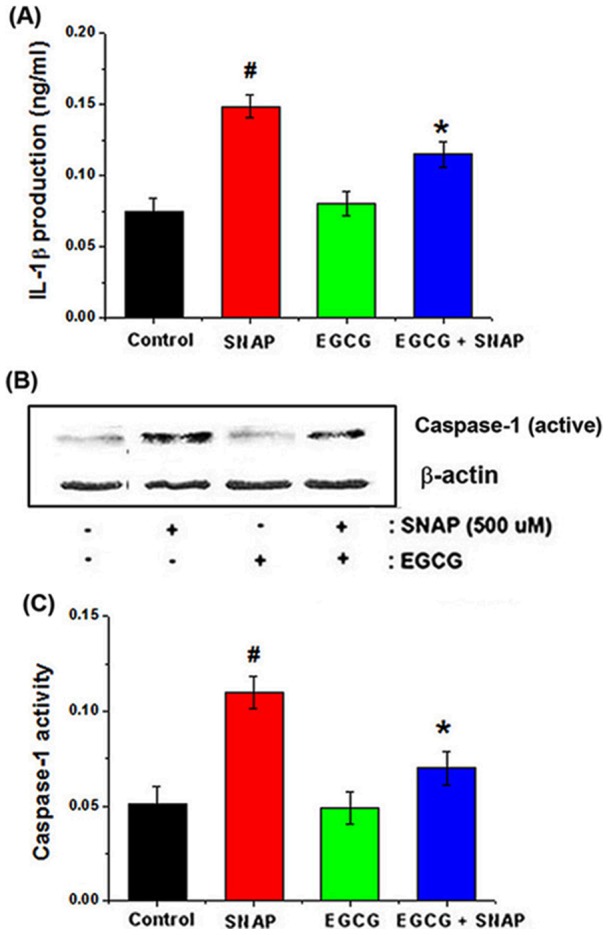
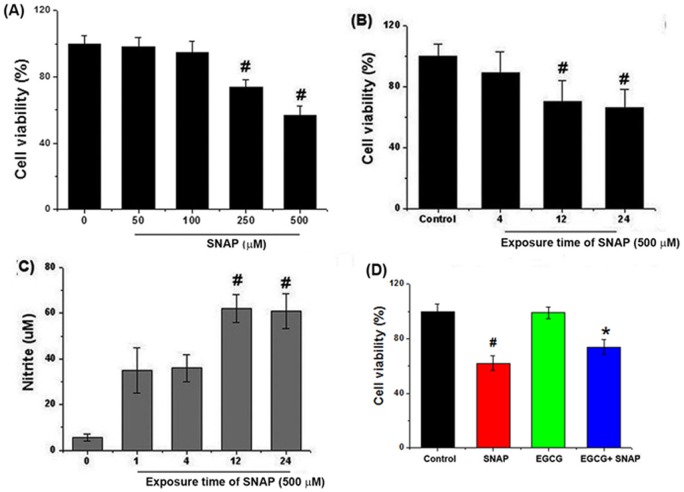
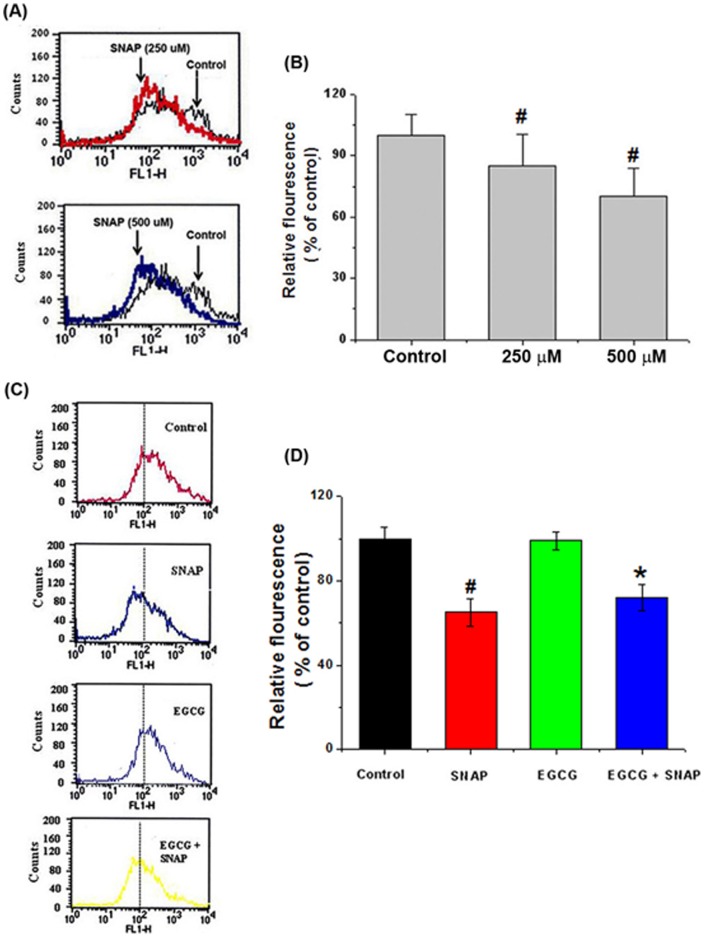
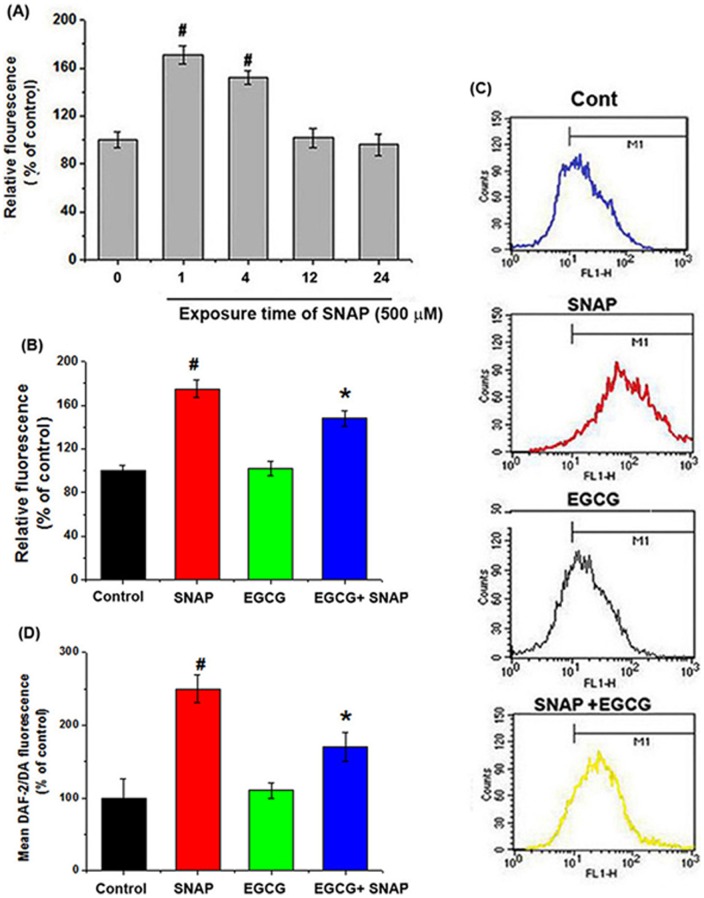
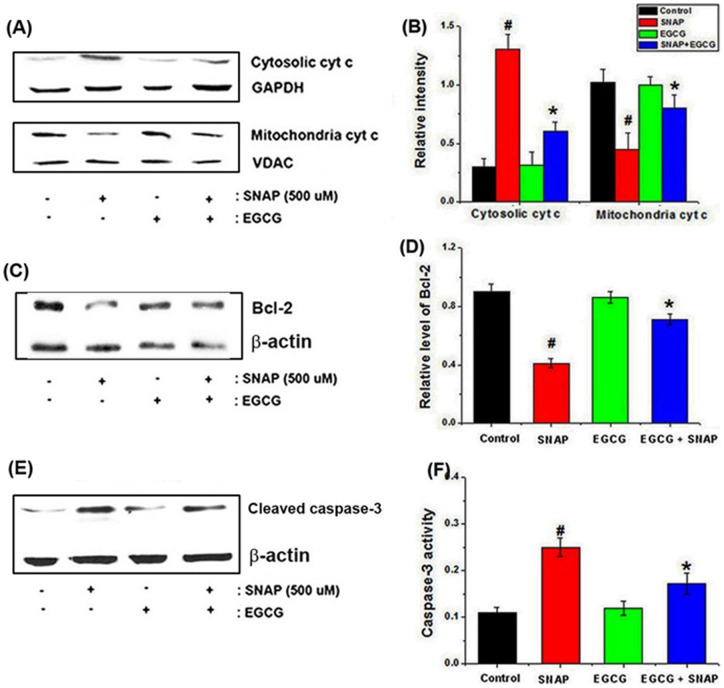
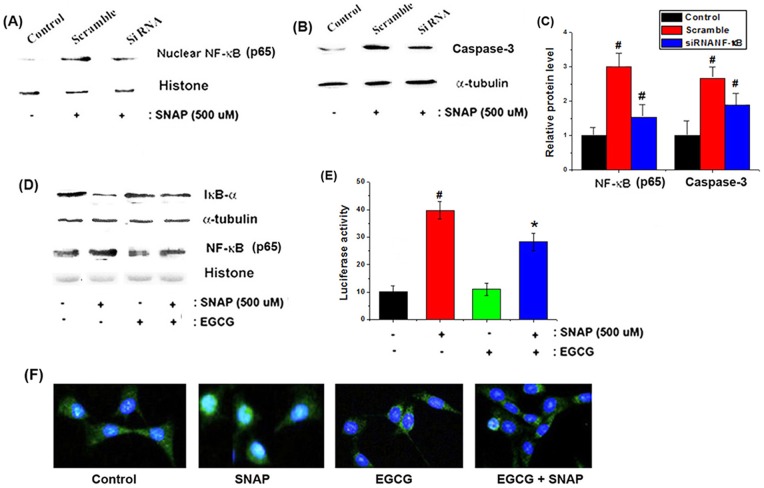
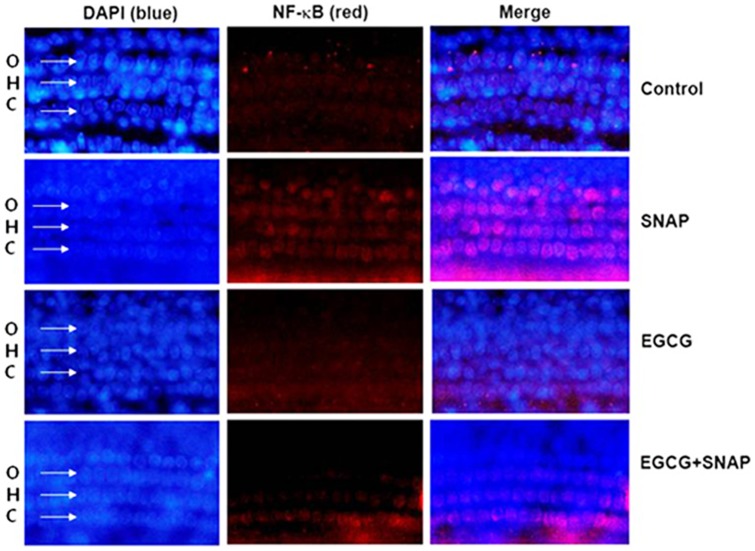
Excessive nitric oxide (NO) production is toxic to the cochlea and induces hearing loss. However, the mechanism through which NO induces ototoxicity has not been completely understood. The aim of this study was to gain further insight into the mechanism mediating NO-induced toxicity in auditory HEI-OC1 cells and in ex vivo analysis. We also elucidated whether and how epigallocatechin-3-gallate (EGCG), the main component of green tea polyphenols, regulates NO-induced auditory cell damage. To investigate NO-mediated ototoxicity, S-nitroso-N-acetylpenicillamine (SNAP) was used as an NO donor. SNAP was cytotoxic, generating reactive oxygen species, releasing cytochrome c, and activating caspase-3 in auditory cells. NO-induced ototoxicity also mediated the nuclear factor (NF)-κB/caspase-1 pathway. Furthermore, SNAP destroyed the orderly arrangement of the 3 outer rows of hair cells in the basal, middle, and apical turns of the organ of Corti from the cochlea of Sprague-Dawley rats at postnatal day 2. However, EGCG counteracted this ototoxicity by suppressing the activation of caspase-3/NF-κB and preventing the destruction of hair cell arrays in the organ of Corti. These findings may lead to the development of a model for pharmacological mechanism of EGCG and potential therapies against ototoxicity.
过量的一氧化氮(NO)产生对耳蜗有毒,并导致听力损失。然而,NO 诱导耳毒性的机制尚未完全被理解。本研究旨在更深入地了解介导听觉 HEI-OC1 细胞和离体分析中 NO 诱导毒性的机制。我们还阐明了表没食子儿茶素没食子酸酯(EGCG),即绿茶多酚的主要成分,是否以及如何调节 NO 诱导的听觉细胞损伤。为了研究 NO 介导的耳毒性,我们使用 S-亚硝基-N-乙酰青霉胺(SNAP)作为 NO 供体。SNAP 具有细胞毒性,可产生活性氧,释放细胞色素 c,并激活听觉细胞中的 caspase-3。NO 诱导的耳毒性还介导了核因子(NF)-κB/半胱天冬酶-1 途径。此外,SNAP 破坏了 Sprague-Dawley 大鼠耳蜗基底、中和顶回 Corti 器官中 3 排外毛细胞的有序排列。然而,EGCG 通过抑制 caspase-3/NF-κB 的激活和防止 Corti 器官中毛细胞阵列的破坏来拮抗这种耳毒性。这些发现可能为 EGCG 的药理机制模型和对抗耳毒性的潜在治疗方法的发展提供依据。