Institute of Neurophysiology, Center of Physiology and Pathophysiology, University of Cologne, Cologne, Germany.
PLoS One. 2012;7(9):e44912. doi: 10.1371/journal.pone.0044912. Epub 2012 Sep 24.
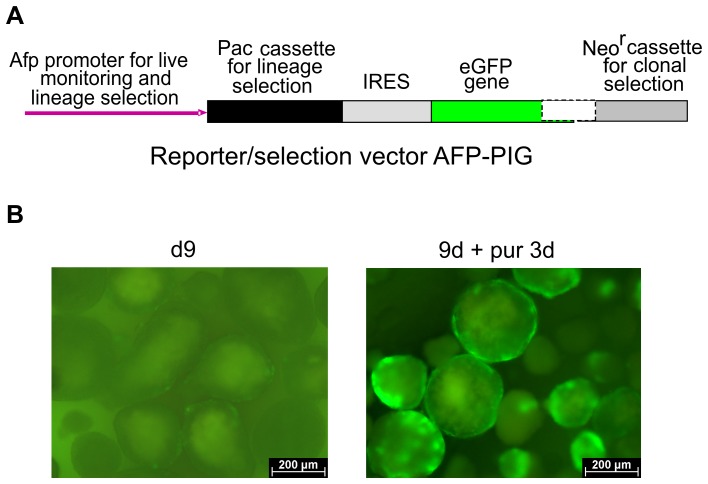
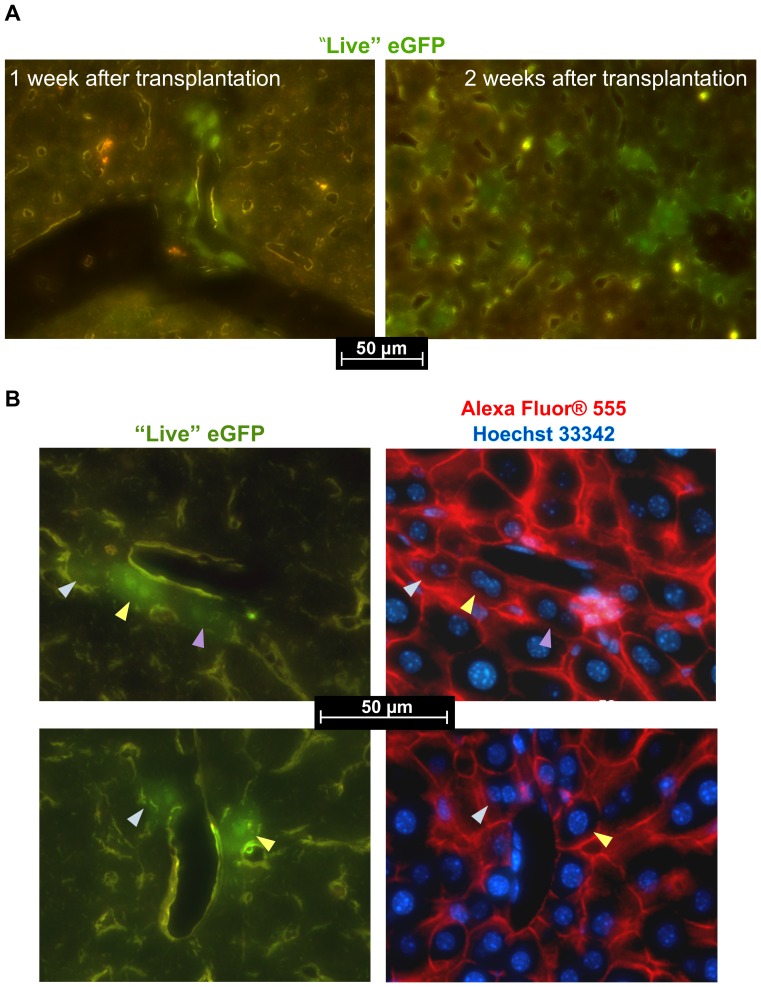
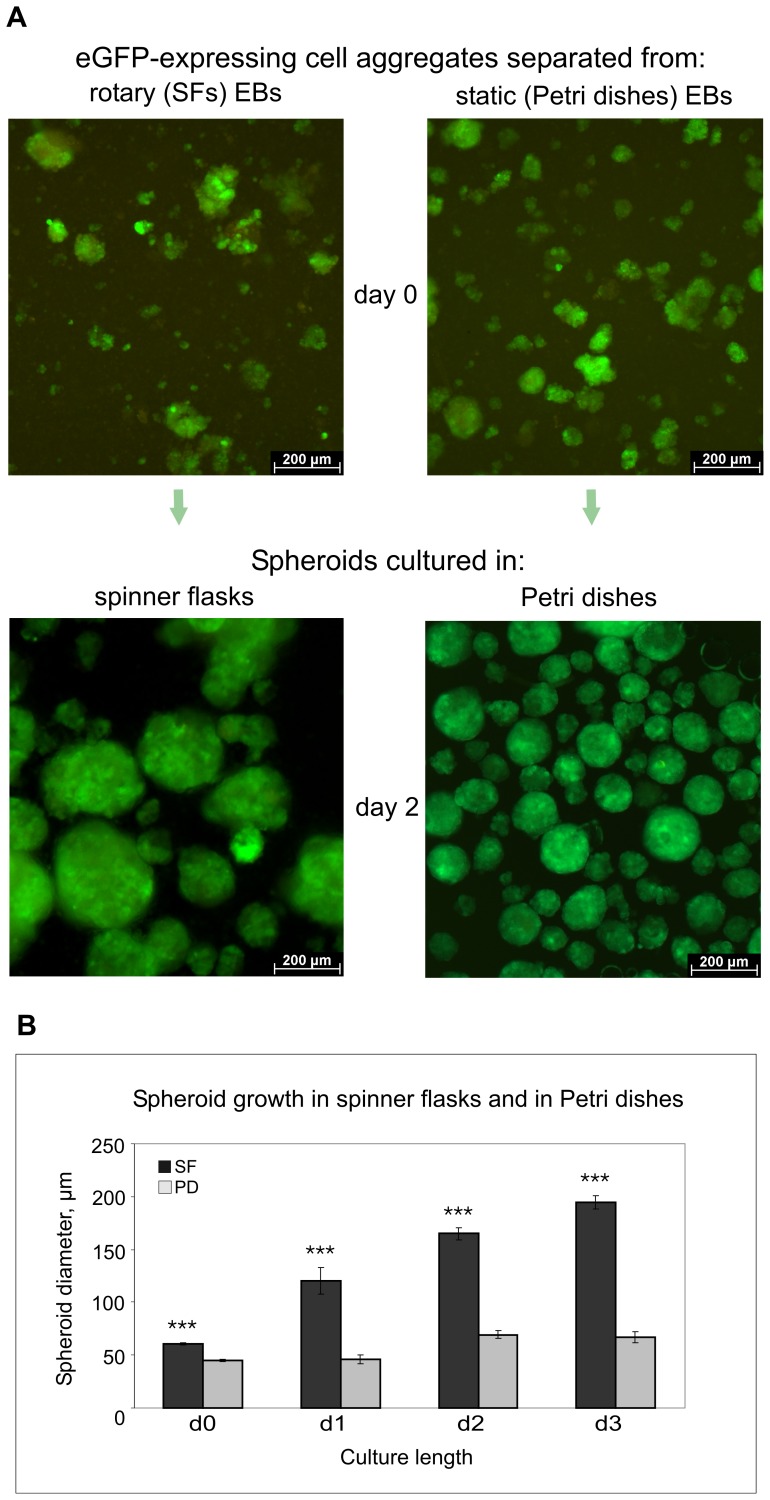
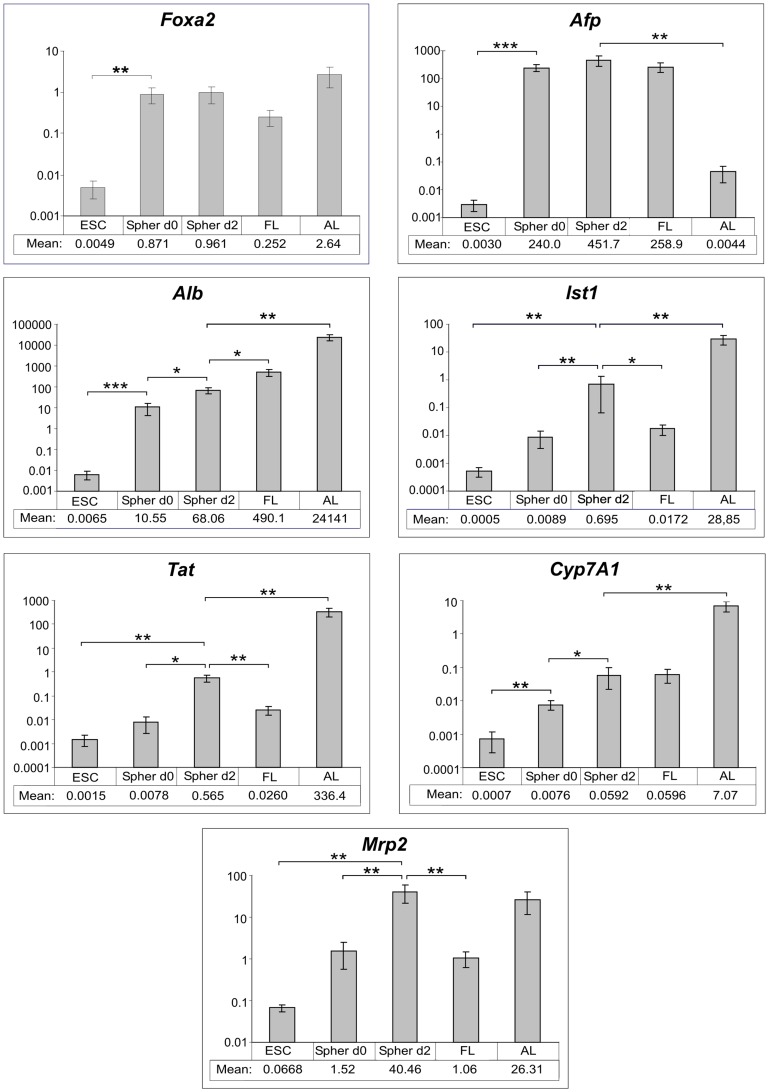
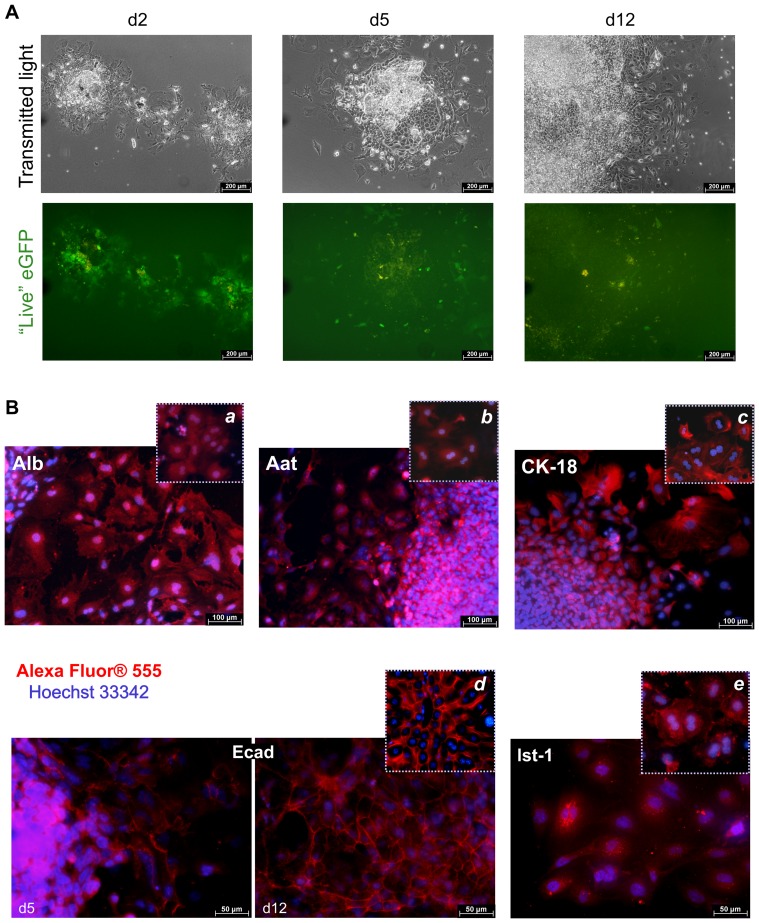
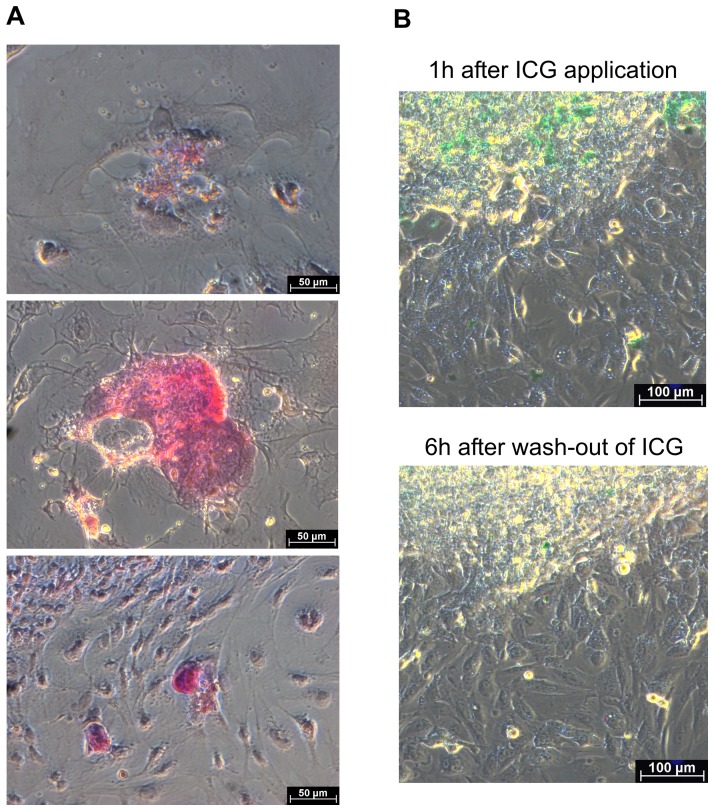
Embryonic stem cell-derived hepatocyte precursor cells represent a promising model for clinical transplantations to diseased livers, as well as for establishment of in vitro systems for drug metabolism and toxicology investigations. This study aimed to establish an in vitro culture system for scalable generation of hepatic progenitor cells. We used stable transgenic clones of murine embryonic stem cells possessing a reporter/selection vector, in which the enhanced green fluorescent protein- and puromycin N-acetyltransferase-coding genes are driven by a common alpha-fetoprotein gene promoter. This allowed for "live" monitoring and puromycin selection of the desired differentiating cell type possessing the activated alpha-fetoprotein gene. A rotary culture system was established, sequentially yielding initially partially selected hepatocyte lineage-committed cells, and finally, a highly purified cell population maintained as a dynamic suspension spheroid culture, which progressively developed the hepatic gene expression phenotype. The latter was confirmed by quantitative RT-PCR analysis, which showed a progressive up-regulation of hepatic genes during spheroid culture, indicating development of a mixed hepatocyte precursor-/fetal hepatocyte-like cell population. Adherent spheroids gave rise to advanced differentiated hepatocyte-like cells expressing hepatic proteins such as albumin, alpha-1-antitrypsin, cytokeratin 18, E-cadherin, and liver-specific organic anion transporter 1, as demonstrated by fluorescent immunostaining. A fraction of adherent cells was capable of glycogen storage and of reversible up-take of indocyanine green, demonstrating their hepatocyte-like functionality. Moreover, after transplantation of spheroids into the mouse liver, the spheroid-derived cells integrated into recipient. These results demonstrate that large-scale hepatocyte precursor-/hepatocyte-like cultures can be established for use in clinical trials, as well as in in vitro screening assays.
胚胎干细胞衍生的肝前体细胞代表了一种有前途的临床移植模型,可用于疾病肝脏,以及建立用于药物代谢和毒理学研究的体外系统。本研究旨在建立一种可规模化生成肝祖细胞的体外培养系统。我们使用稳定转染的小鼠胚胎干细胞克隆,这些克隆具有一个报告/选择载体,其中增强型绿色荧光蛋白和嘌呤霉素 N-乙酰转移酶编码基因由共同的甲胎蛋白基因启动子驱动。这允许对具有激活的甲胎蛋白基因的所需分化细胞类型进行“实时”监测和嘌呤霉素选择。建立了旋转培养系统,依次产生最初部分选择的肝谱系定向细胞,最后得到一个高纯度的细胞群体,作为动态悬浮球体培养物维持,该培养物逐渐发展出肝基因表达表型。后者通过定量 RT-PCR 分析得到证实,该分析显示在球体培养过程中肝基因逐渐上调,表明形成了混合的肝祖细胞/胎肝样细胞群体。贴壁球体产生表达肝蛋白(如白蛋白、α1-抗胰蛋白酶、细胞角蛋白 18、E-钙黏蛋白和肝脏特异性有机阴离子转运体 1)的晚期分化的肝样细胞,如荧光免疫染色所示。一部分贴壁细胞能够储存糖原并可逆地摄取吲哚菁绿,证明它们具有肝样细胞功能。此外,将球体移植到小鼠肝脏后,球体衍生的细胞整合到受体中。这些结果表明,可以建立大规模的肝前体细胞/肝样细胞培养物,用于临床试验以及体外筛选测定。