Division of Stem Cell Therapy, Center for Stem Cell Biology and Regenerative Medicine, The Institute of Medical Science, The University of Tokyo, Minato-ku, Tokyo, Japan.
PLoS One. 2013 Jul 25;8(7):e67541. doi: 10.1371/journal.pone.0067541. Print 2013.
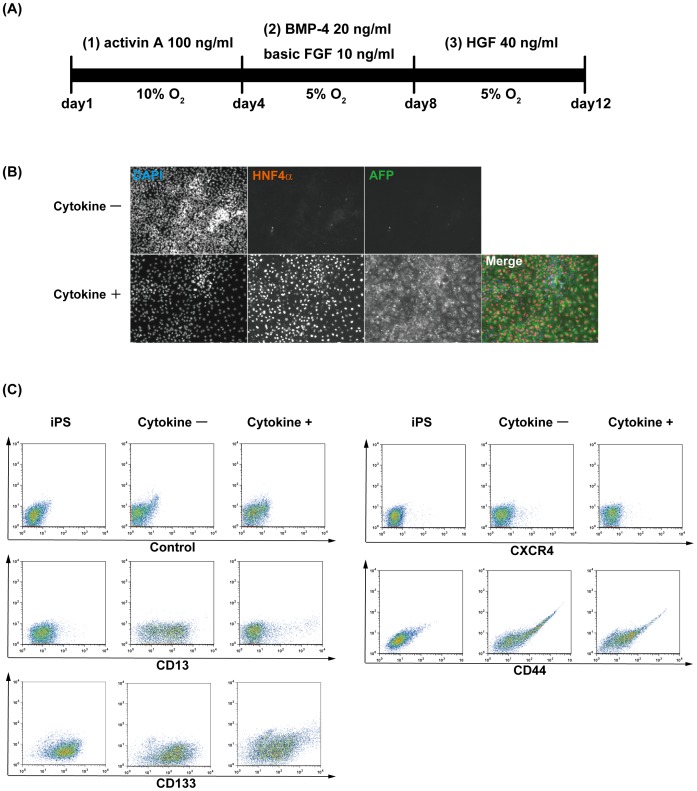
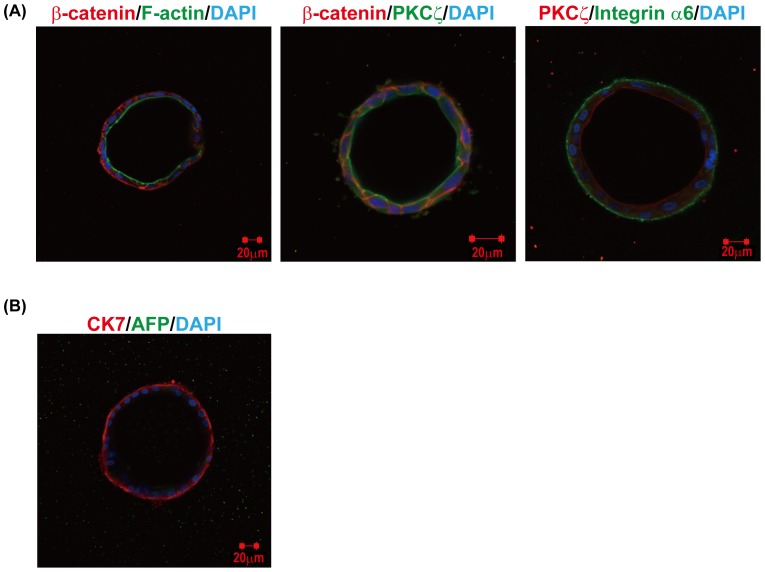
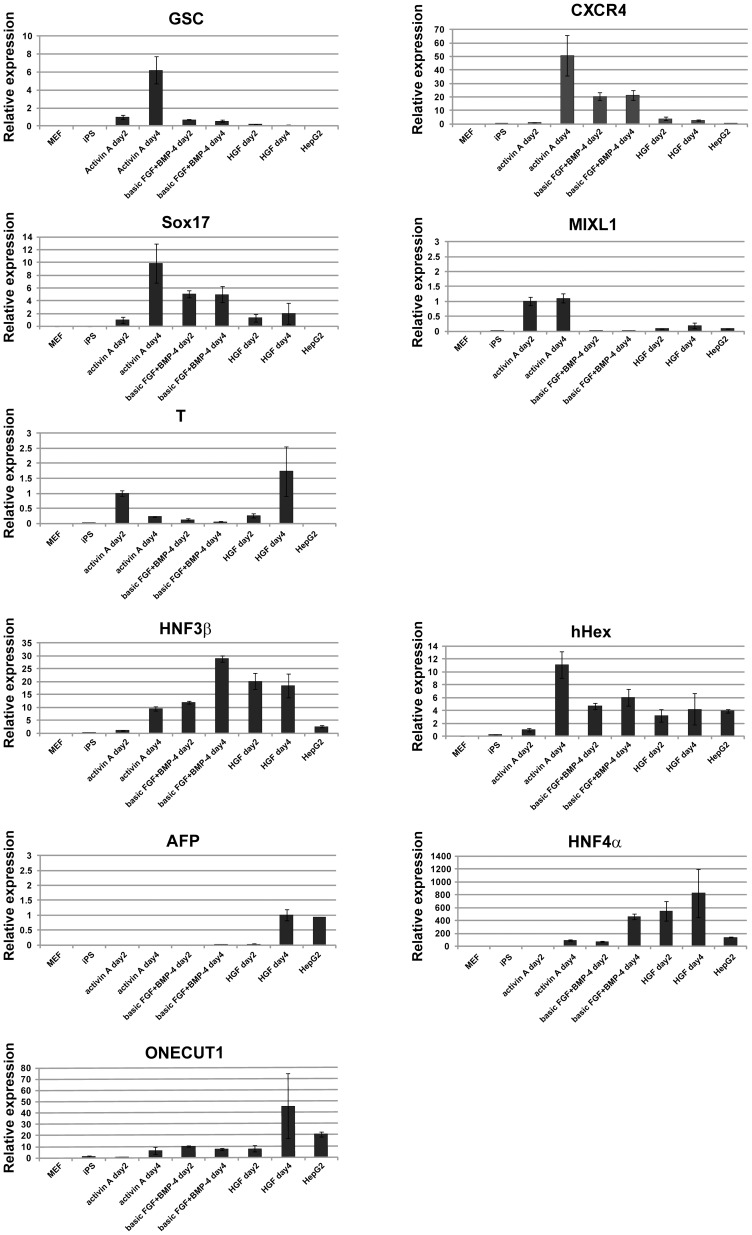
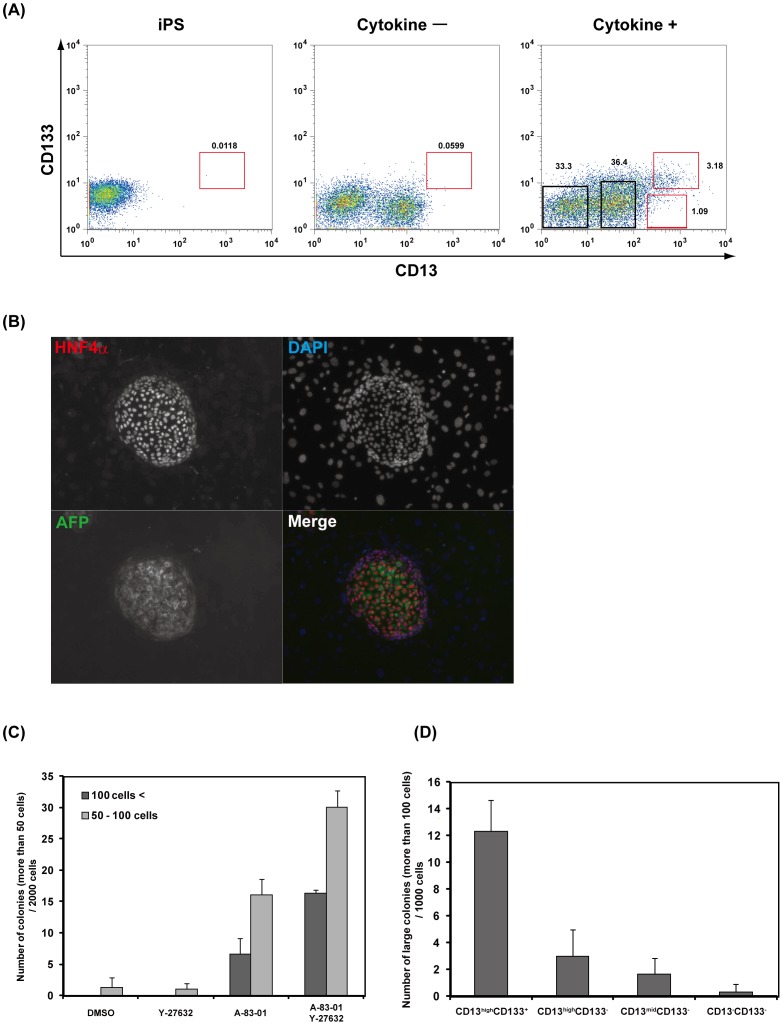
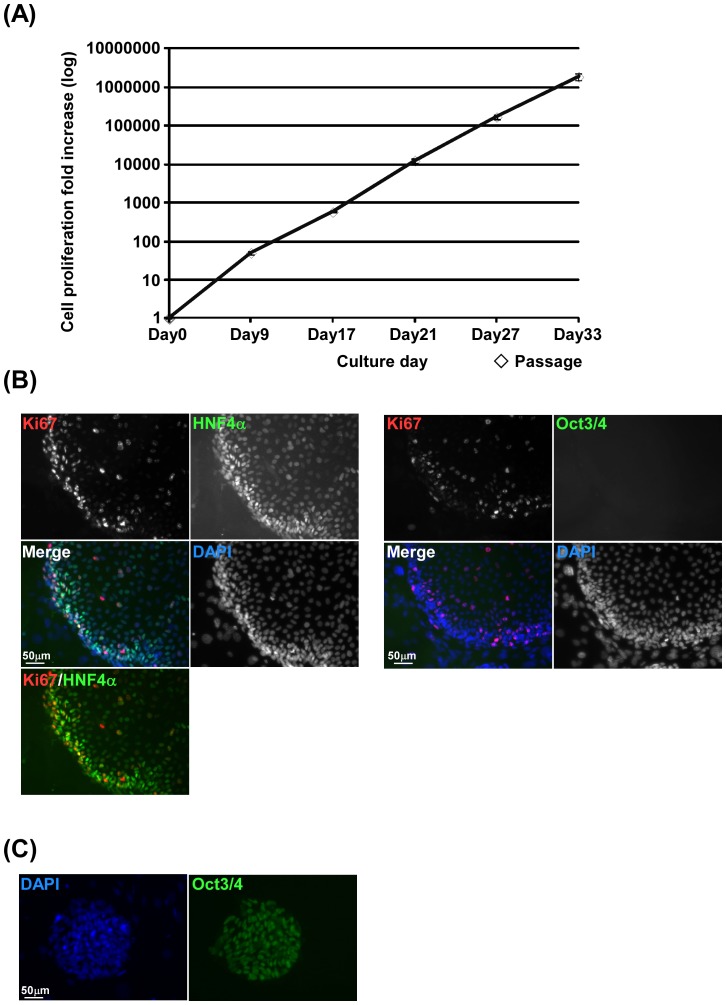
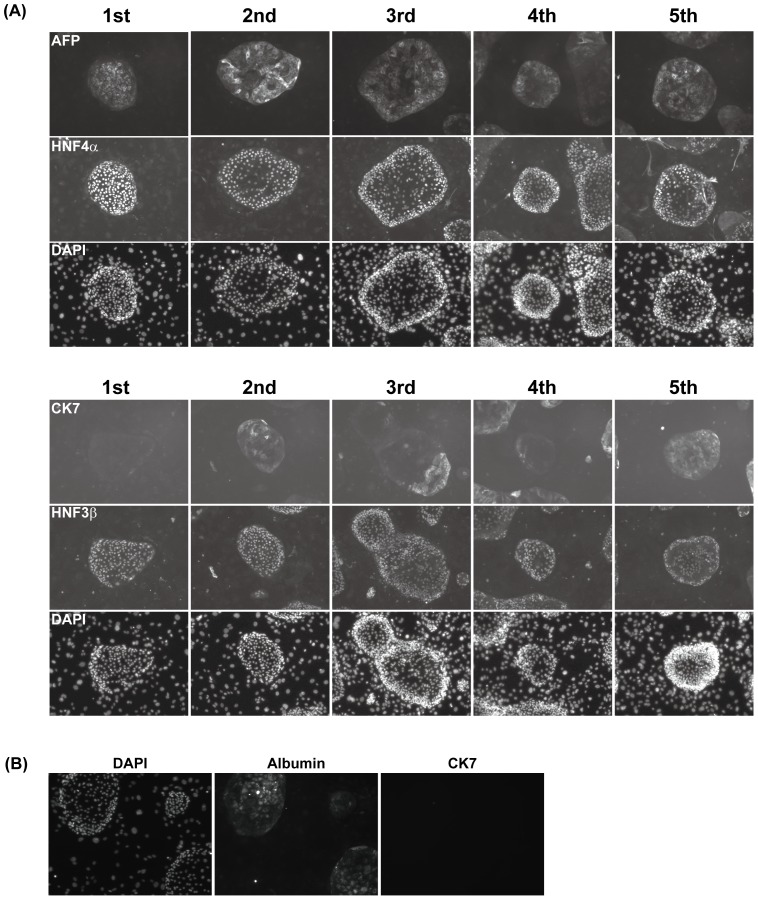
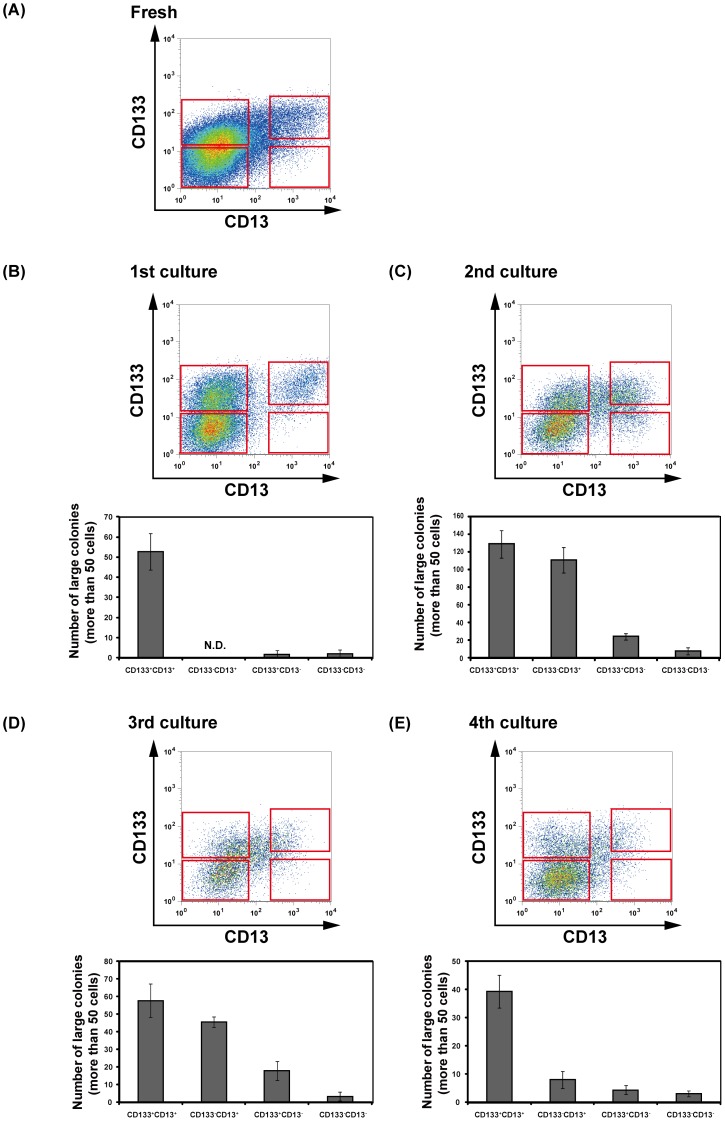
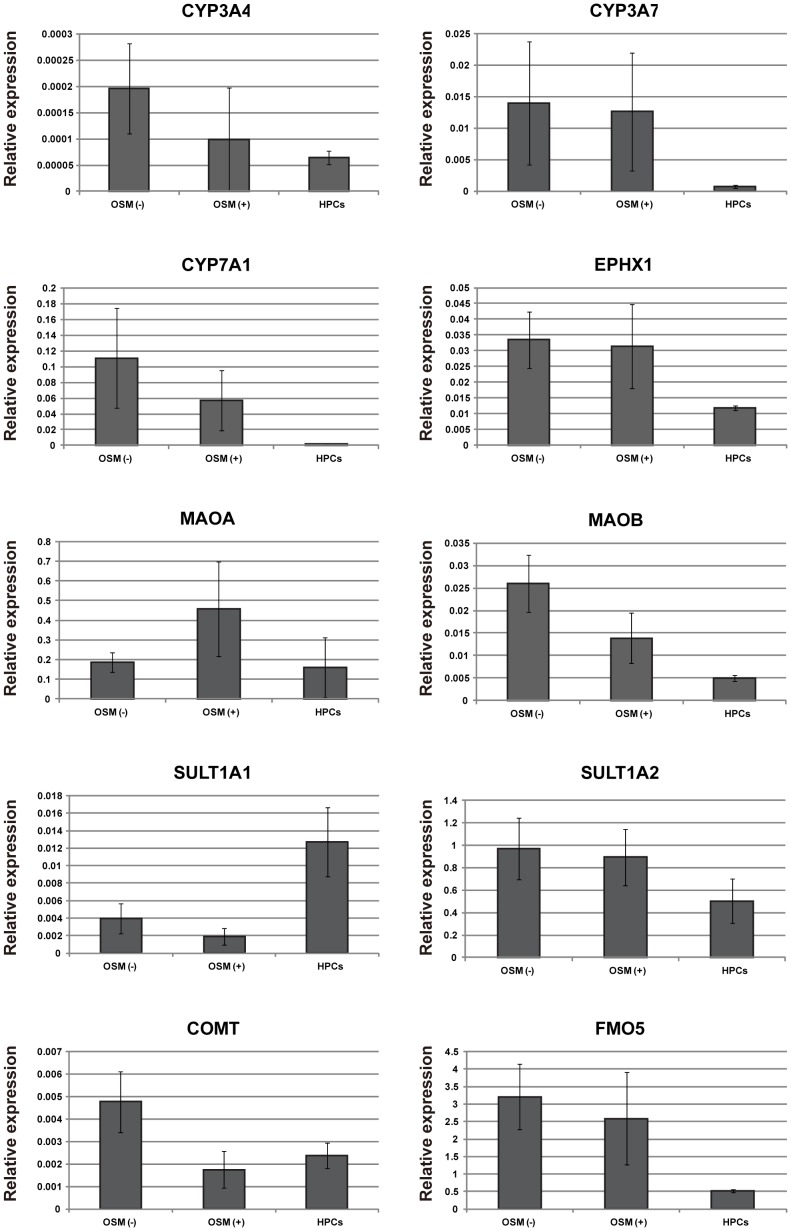
Hepatoblasts, hepatic stem/progenitor cells in liver development, have a high proliferative potential and the ability to differentiate into both hepatocytes and cholangiocytes. In regenerative medicine and drug screening for the treatment of severe liver diseases, human induced pluripotent stem (iPS) cell-derived mature functional hepatocytes are considered to be a potentially good cell source. However, induction of proliferation of these cells is difficult ex vivo. To circumvent this problem, we generated hepatic progenitor-like cells from human iPS cells using serial cytokine treatments in vitro. Highly proliferative hepatic progenitor-like cells were purified by fluorescence-activated cell sorting using antibodies against CD13 and CD133 that are known cell surface markers of hepatic stem/progenitor cells in fetal and adult mouse livers. When the purified CD13(high)CD133(+) cells were cultured at a low density with feeder cells in the presence of suitable growth factors and signaling inhibitors (ALK inhibitor A-83-01 and ROCK inhibitor Y-27632), individual cells gave rise to relatively large colonies. These colonies consisted of two types of cells expressing hepatocytic marker genes (hepatocyte nuclear factor 4α and α-fetoprotein) and a cholangiocytic marker gene (cytokeratin 7), and continued to proliferate over long periods of time. In a spheroid formation assay, these cells were found to express genes required for mature liver function, such as cytochrome P450 enzymes, and secrete albumin. When these cells were cultured in a suitable extracellular matrix gel, they eventually formed a cholangiocytic cyst-like structure with epithelial polarity, suggesting that human iPS cell-derived hepatic progenitor-like cells have a bipotent differentiation ability. Collectively these data indicate that this novel procedure using an in vitro expansion system is useful for not only liver regeneration but also for the determination of molecular mechanisms that regulate liver development.
肝母细胞是肝发育过程中的肝干细胞/祖细胞,具有高增殖潜能和分化为肝细胞和胆管细胞的能力。在再生医学和药物筛选治疗严重肝脏疾病中,人诱导多能干细胞(iPS)细胞衍生的成熟功能性肝细胞被认为是一种潜在的良好细胞来源。然而,这些细胞的体外增殖诱导较为困难。为了解决这个问题,我们使用体外连续细胞因子处理从人 iPS 细胞中生成肝祖细胞样细胞。通过使用针对 CD13 和 CD133 的抗体进行荧光激活细胞分选,从人 iPS 细胞中分离出高增殖性的肝祖细胞样细胞,这些抗体是胎肝和成年鼠肝中肝干细胞/祖细胞的已知细胞表面标志物。当纯化的 CD13(high)CD133(+)细胞在有合适生长因子和信号抑制剂(ALK 抑制剂 A-83-01 和 ROCK 抑制剂 Y-27632)的情况下与饲养细胞在低细胞密度下培养时,单个细胞会形成相对较大的集落。这些集落由两种表达肝细胞标记基因(肝细胞核因子 4α和甲胎蛋白)和胆管细胞标记基因(细胞角蛋白 7)的细胞组成,并能长期持续增殖。在球体形成实验中,这些细胞表达成熟肝脏功能所需的基因,如细胞色素 P450 酶,并分泌白蛋白。当这些细胞在合适的细胞外基质凝胶中培养时,它们最终形成具有上皮极性的胆管细胞样囊泡样结构,表明人 iPS 细胞衍生的肝祖细胞样细胞具有双能分化能力。综上所述,这些数据表明,这种使用体外扩增系统的新方法不仅对肝脏再生有用,而且对调节肝脏发育的分子机制的确定也有用。