Department of Medicine for Motor Organ, Juntendo University Graduate School of Medicine, Tokyo, Japan.
PLoS One. 2012;7(9):e45517. doi: 10.1371/journal.pone.0045517. Epub 2012 Sep 18.
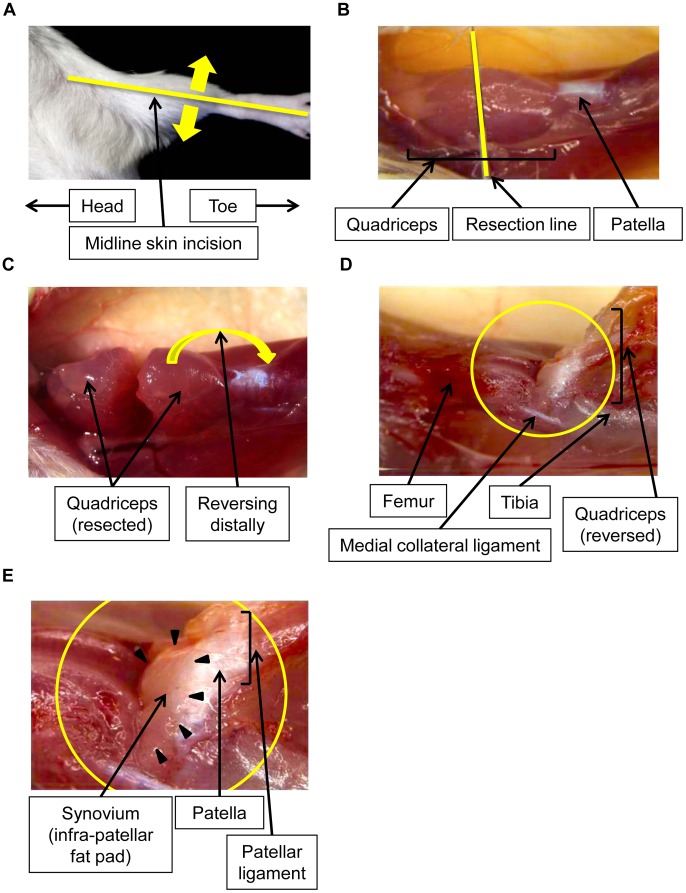
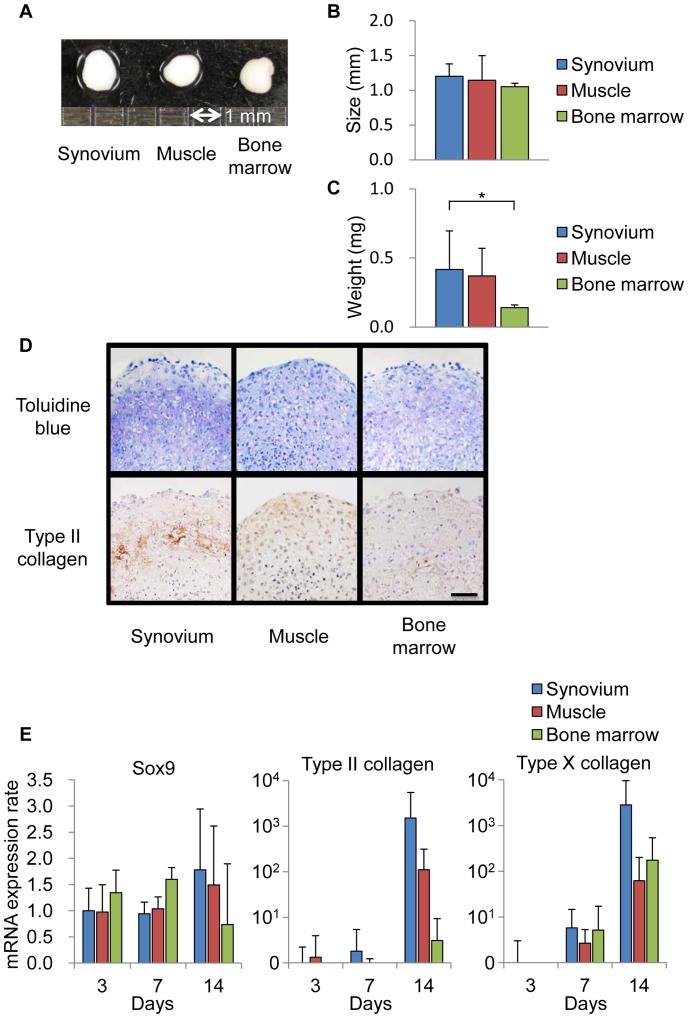
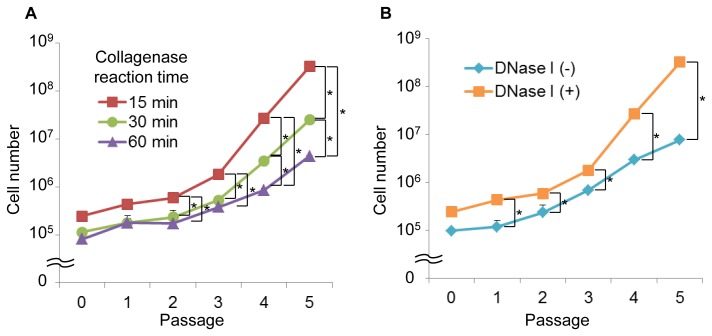
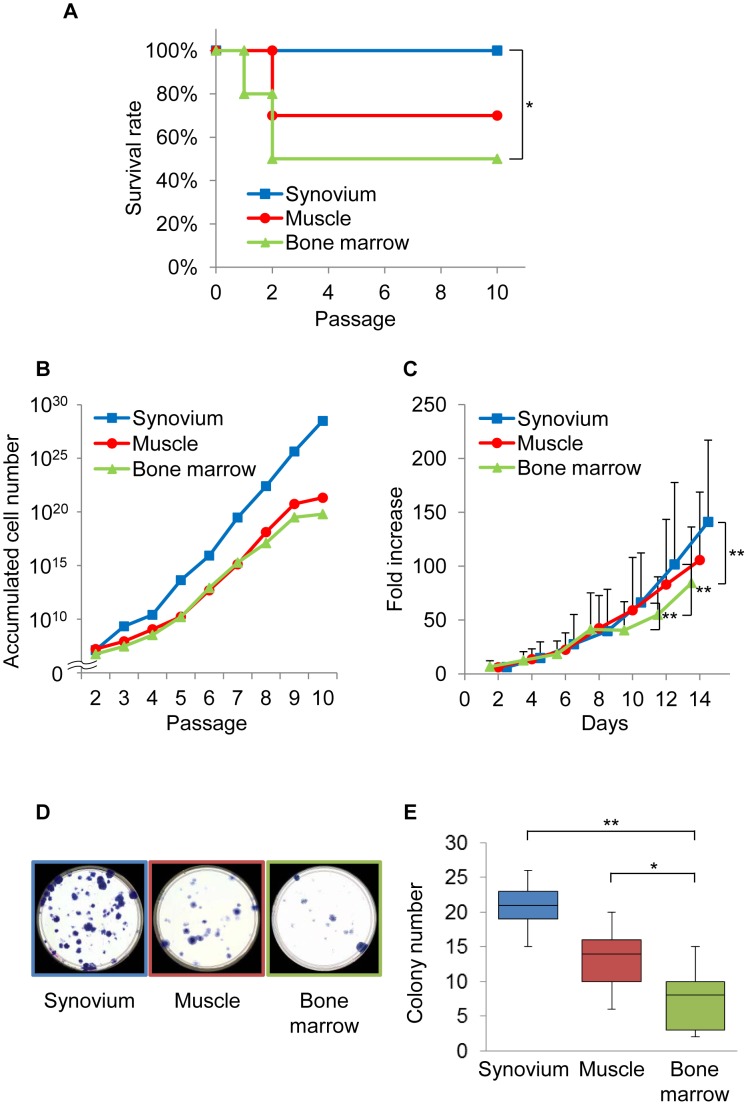
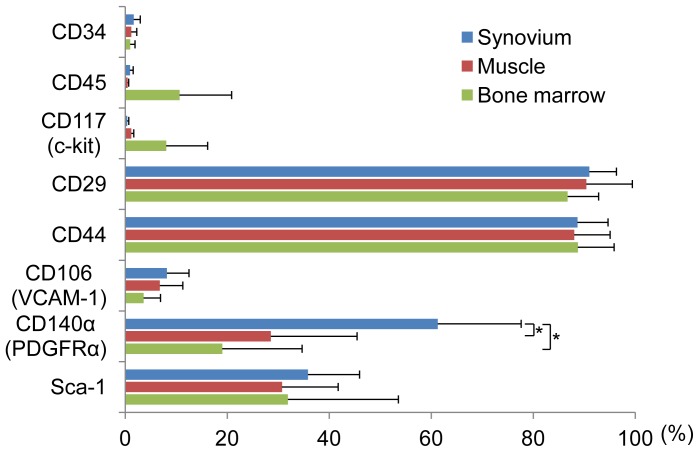
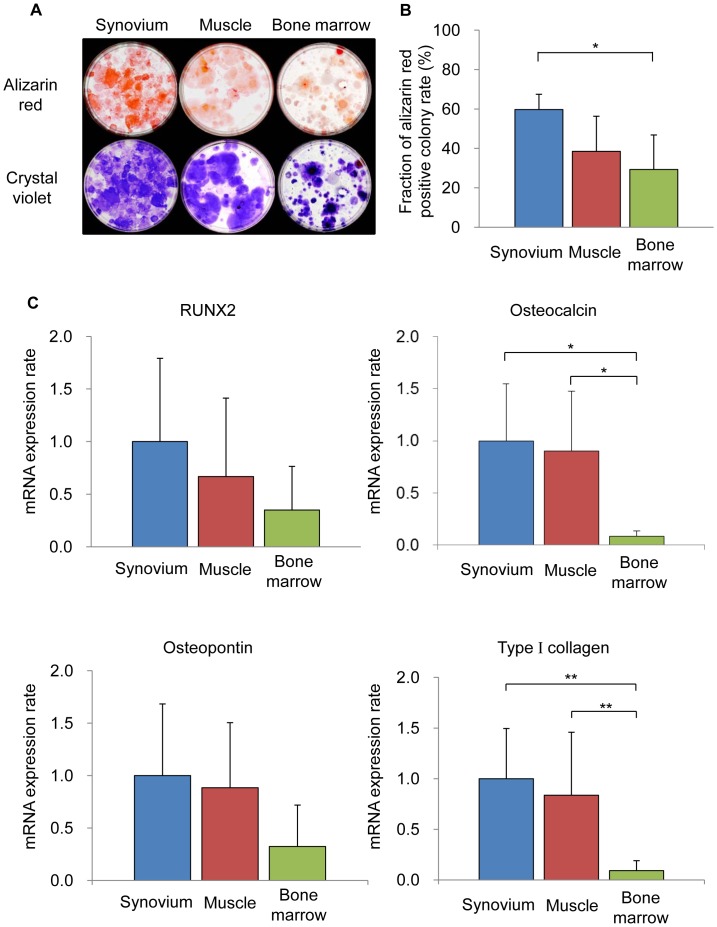
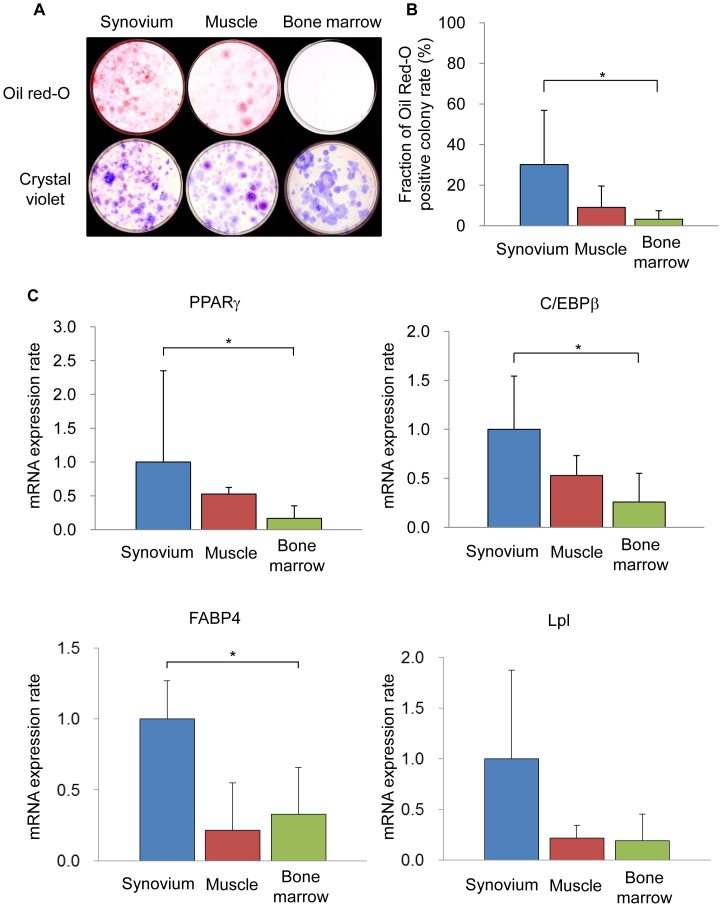
The human synovium contains mesenchymal stem cells (MSCs), which are multipotential non-hematopoietic progenitor cells that can differentiate into a variety of mesenchymal lineages and they may therefore be a candidate cell source for tissue repair. However, the molecular mechanisms by which this can occur are still largely unknown. Mouse primary cell culture enables us to investigate the molecular mechanisms underlying various phenomena because it allows for relatively easy gene manipulation, which is indispensable for the molecular analysis. However, mouse synovial mesenchymal cells (SMCs) have not been established, although rabbit, cow, and rat SMCs are available, in addition to human MSCs. The aim of this study was to establish methods to harvest the synovium and to isolate and culture primary SMCs from mice. As the mouse SMCs were not able to be harvested and isolated using the same protocol for human, rat and rabbit SMCs, the protocol for humans was modified for SMCs from the Balb/c mouse knee joint. The mouse SMCs obtained showed superior proliferative potential, growth kinetics and colony formation compared to cells derived from muscle and bone marrow. They expressed PDGFRá and Sca-1 detected by flow cytometry, and showed an osteogenic, adipogenic and chondrogenic potential similar or superior to the cells derived from muscle and bone marrow by demonstrating in vitro osteogenesis, adipogenesis and chondrogenesis. In conclusion, we established a primary mouse synovial cell culture method. The cells derived from the mouse synovium demonstrated both the ability to proliferate and multipotentiality similar or superior to the cells derived from muscle and bone marrow.
人类滑膜中含有间充质干细胞(MSCs),它是一种多能非造血祖细胞,能分化为多种间充质谱系,因此可能是组织修复的候选细胞来源。然而,这种情况发生的分子机制在很大程度上仍然未知。小鼠原代细胞培养使我们能够研究各种现象背后的分子机制,因为它允许相对容易的基因操作,这对于分子分析是必不可少的。然而,尽管已经有兔、牛和大鼠滑膜间充质细胞(SMCs),以及人 MSCs,但是尚未建立小鼠滑膜间充质细胞(SMCs)。本研究的目的是建立从小鼠中获取滑膜并分离和培养原代 SMCs 的方法。由于小鼠 SMCs 不能使用与人类、大鼠和兔 SMCs 相同的方案进行收获和分离,因此对人类的方案进行了修改,以适用于 Balb/c 小鼠膝关节的 SMCs。与源自肌肉和骨髓的细胞相比,获得的小鼠 SMCs 表现出更高的增殖潜力、生长动力学和集落形成能力。它们通过流式细胞术检测到 PDGFRá 和 Sca-1 的表达,并通过体外成骨、成脂和成软骨证明了类似或优于源自肌肉和骨髓的细胞的成骨、成脂和成软骨潜能。总之,我们建立了一种原代小鼠滑膜细胞培养方法。源自小鼠滑膜的细胞表现出与源自肌肉和骨髓的细胞相似或更高的增殖能力和多能性。