Saran Uttara, Arfuso Frank, Zeps Nikolajs, Dharmarajan Arunasalam
School of Anatomy and Human Biology, Faculty of Life and Physical Sciences, The University of Western Australia, Perth, Crawley, Western Australia.
BMC Cell Biol. 2012 Oct 8;13:25. doi: 10.1186/1471-2121-13-25.
Ovarian cancer is one of the most lethal malignancies in women, as it is frequently detected at an advanced stage, and cancers often become refractory to chemotherapy. Evidence suggests that dysregulation of pro-apoptotic genes plays a key role in the onset of chemoresistance. The secreted Frizzled-Related Protein (sFRP) family is pro-apoptotic and also a negative modulator of the Wnt signalling cascade. Studies have demonstrated that the re-expression of sFRPs, in particular sFRP4, is associated with a better prognosis, and that experimentally induced expression results in cell death.
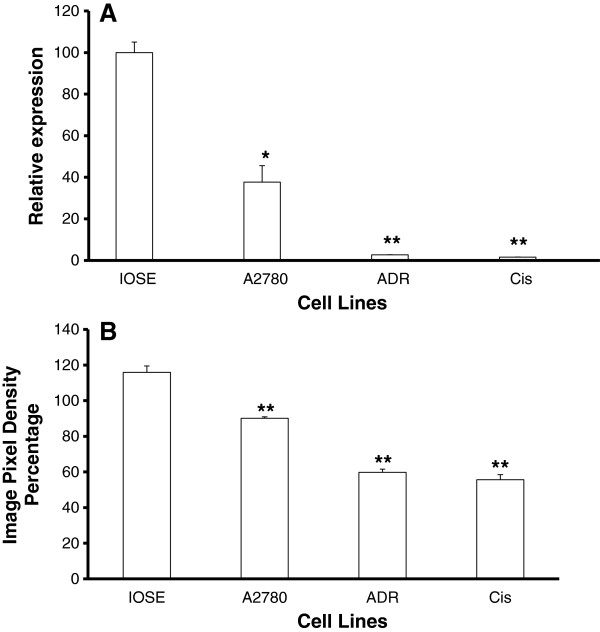
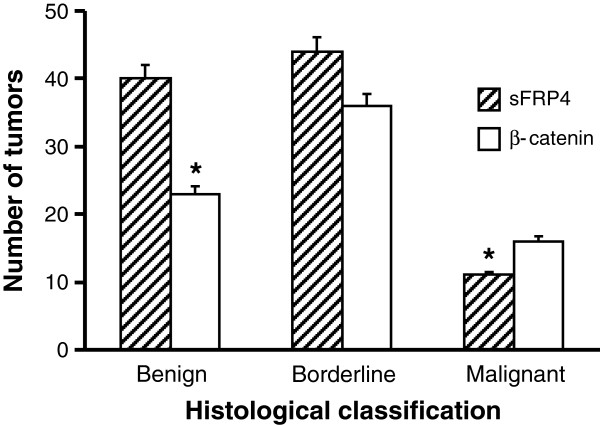
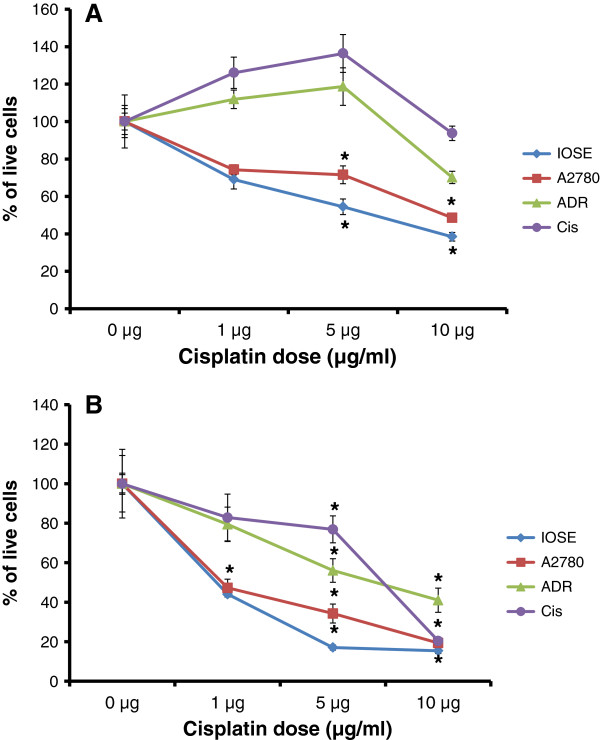
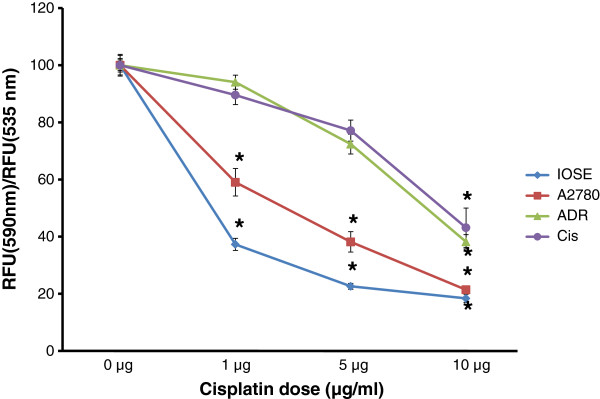
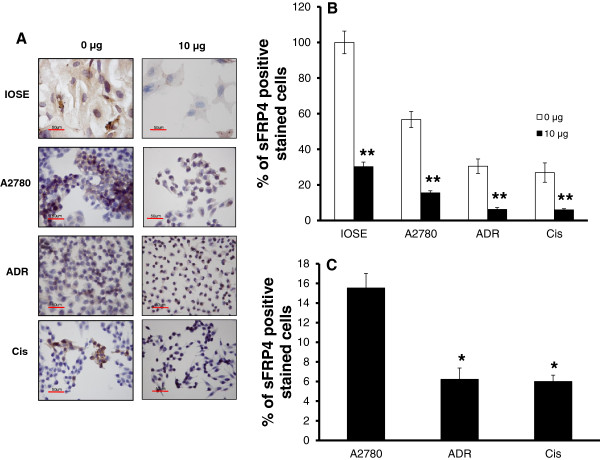
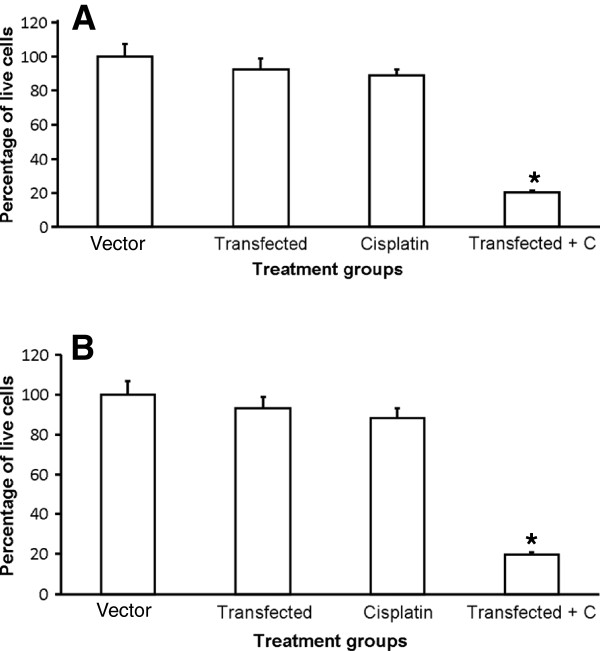
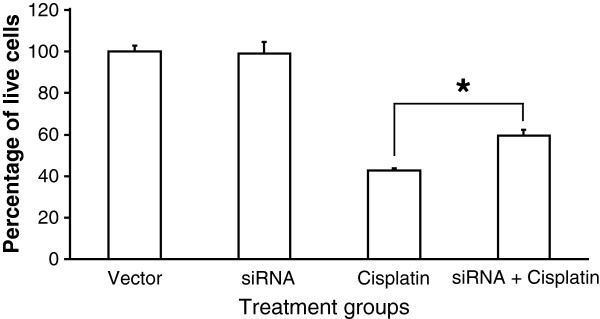
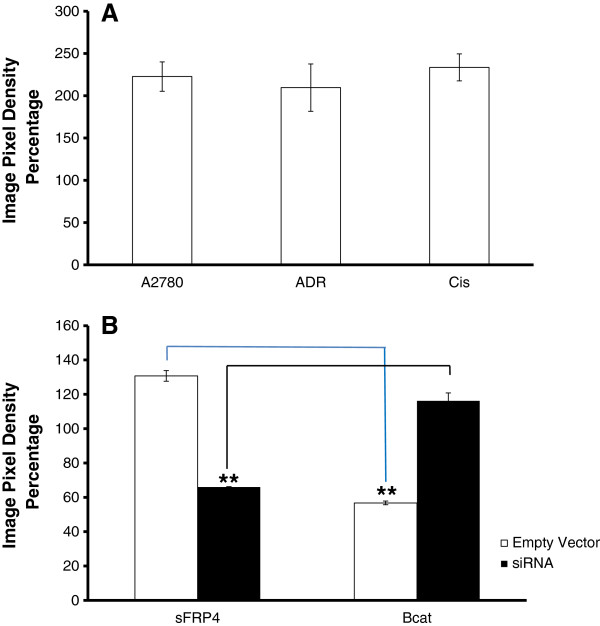
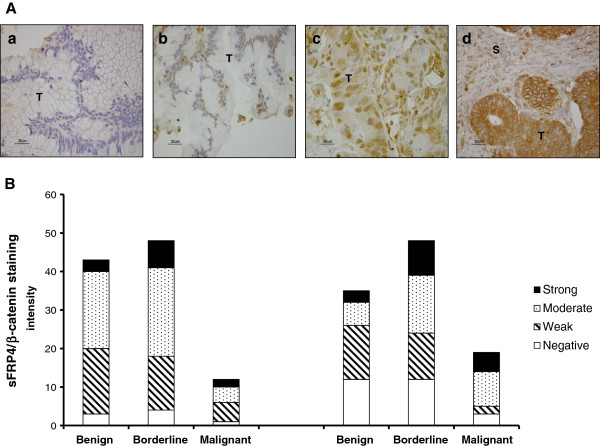
In vitro experimental models determined that sFRP4 was differentially expressed in chemosensitive (A2780) and chemoresistant (A2780 ADR and A2780 Cis) ovarian cell lines, with chemosensitive cells expressing significantly higher levels of sFRP4. Transfection of the chemoresistant cell lines with sFRP4 significantly increased their sensitivity to chemotherapy. Conversely, silencing of sFRP4 expression in the chemosensitive cell line resulted in a corresponding increase in chemoresistance. Comparison of sFRP4 expression in tumour biopsies revealed a positive trend between sFRP4 expression and tumour grade, with mucinous cyst adenocarcinomas exhibiting significantly decreased sFRP4 levels compared to mucinous borderline tumours.
This study indicates a role for sFRP4 as a predictive marker of chemosensitivity in ovarian cancer and suggests that this pathway may be worth exploiting for novel therapies.
卵巢癌是女性最致命的恶性肿瘤之一,因为它常常在晚期才被发现,并且癌症通常对化疗产生耐药性。有证据表明,促凋亡基因的失调在化疗耐药的发生中起关键作用。分泌型卷曲相关蛋白(sFRP)家族具有促凋亡作用,也是Wnt信号级联的负调节因子。研究表明,sFRP的重新表达,尤其是sFRP4,与较好的预后相关,并且实验诱导表达会导致细胞死亡。
体外实验模型确定,sFRP4在化疗敏感(A2780)和化疗耐药(A2780 ADR和A2780 Cis)的卵巢癌细胞系中差异表达,化疗敏感细胞表达的sFRP4水平显著更高。用sFRP4转染化疗耐药细胞系显著增加了它们对化疗的敏感性。相反,在化疗敏感细胞系中沉默sFRP4表达导致化疗耐药性相应增加。肿瘤活检中sFRP4表达的比较显示,sFRP4表达与肿瘤分级之间呈正相关趋势,黏液性囊腺癌与黏液性交界性肿瘤相比,sFRP4水平显著降低。
本研究表明sFRP4作为卵巢癌化疗敏感性预测标志物的作用,并表明该途径可能值得开发新的治疗方法。