Institute of Biological Science (Genetics and Molecular Biology), University of Malaya, Kuala Lumpur, Malaysia.
BMC Complement Altern Med. 2012 Oct 9;12:179. doi: 10.1186/1472-6882-12-179.
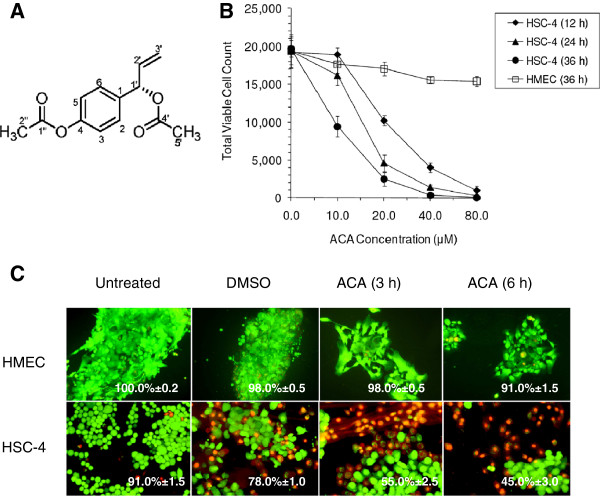
Oral cancers although preventable, possess a low five-year survival rate which has remained unchanged over the past three decades. In an attempt to find a more safe, affordable and effective treatment option, we describe here the use of 1'S-1'-acetoxychavicol acetate (ACA), a component of Malaysian ginger traditionally used for various medicinal purposes.
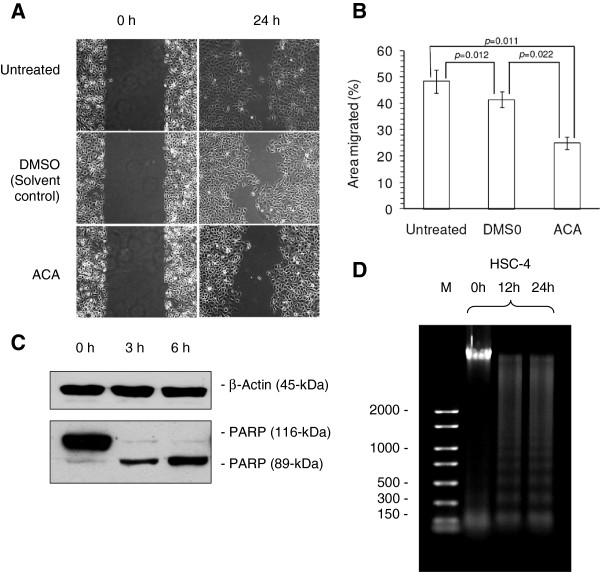
Whether ACA can inhibit the growth of oral squamous cell carcinoma (SCC) cells alone or in combination with cisplatin (CDDP), was explored both in vitro using MTT assays and in vivo using Nu/Nu mice. Occurrence of apoptosis was assessed using PARP and DNA fragmentation assays, while the mode of action were elucidated through global expression profiling followed by Western blotting and IHC assays.
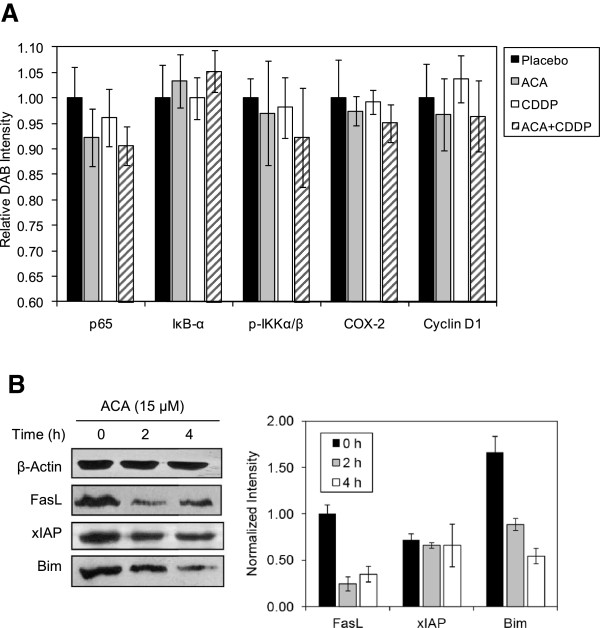
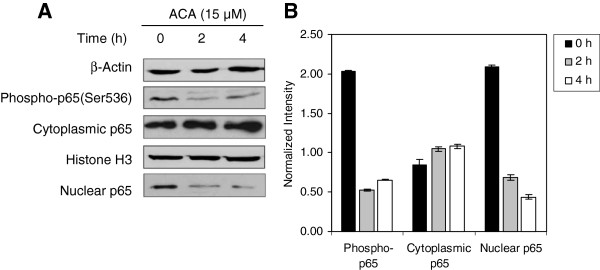
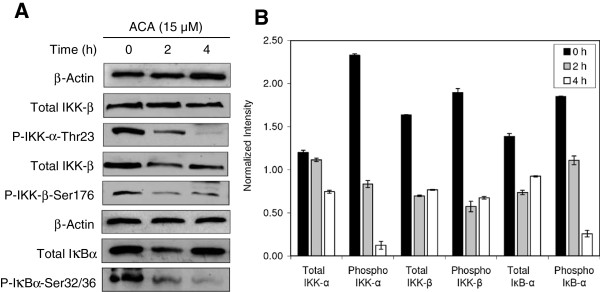
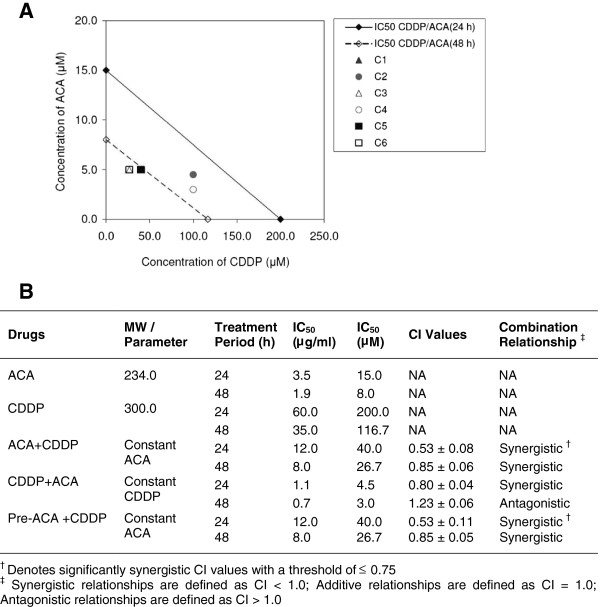
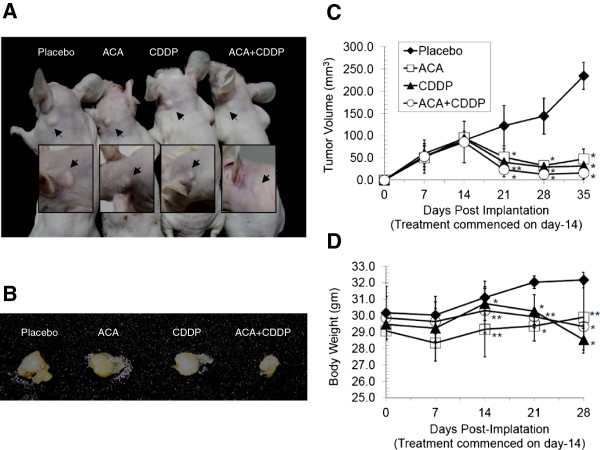
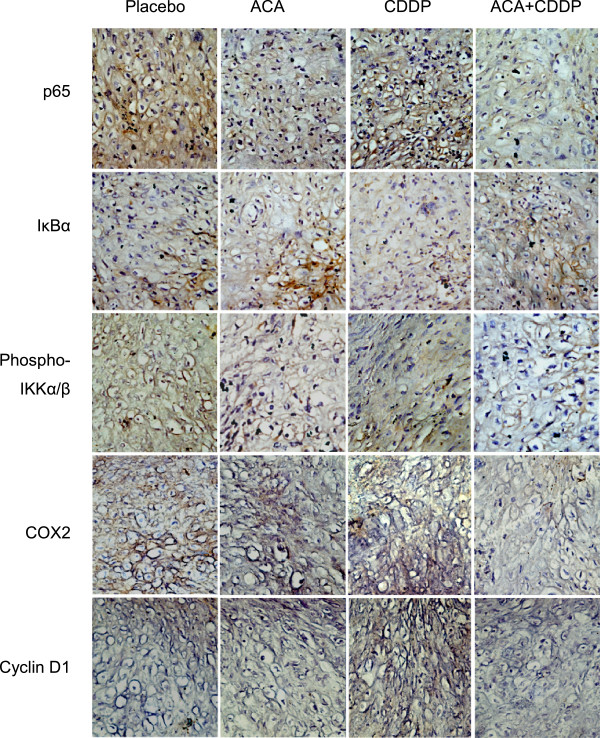
We found that ACA alone inhibited the growth of oral SCC cells, induced apoptosis and suppressed its migration rate, while minimally affecting HMEC normal cells. ACA further enhanced the cytotoxic effects of CDDP in a synergistic manner as suggested by combination index studies. We also found that ACA inhibited the constitutive activation of NF-κB through suppression of IKKα/β activation. Human oral tumor xenografts studies in mice revealed that ACA alone was as effective as CDDP in reducing tumor volume, and further potentiated CDDP effects when used in combination with minimal body weight loss. The effects of ACA also correlated with a down-regulation of NF-κB regulated gene (FasL and Bim), including proinflammatory (NF-κB and COX-2) and proliferative (cyclin D1) biomarkers in tumor tissue.
Overall, our results suggest that ACA inhibits the growth of oral SCC and further potentiates the effect of standard CDDP treatment by modulation of proinflammatory microenvironment. The current preclinical data could form the basis for further clinical trials to improve the current standards for oral cancer care using this active component from the Malaysian ginger.
口腔癌虽然可以预防,但在过去三十年中,其五年生存率一直保持不变,且较低。为了寻找更安全、更实惠、更有效的治疗选择,我们在此描述了使用 1'S-1'-乙酰氧基姜黄素乙酸酯 (ACA) 的情况,它是马来西亚姜中的一种成分,传统上用于各种药用目的。
使用 MTT 测定法在体外和 Nu/Nu 小鼠体内研究 ACA 单独或与顺铂 (CDDP) 联合使用是否可以抑制口腔鳞状细胞癌 (SCC) 细胞的生长。使用 PARP 和 DNA 片段化测定法评估细胞凋亡的发生,而通过全基因组表达谱分析、Western blot 和 IHC 测定阐明作用模式。
我们发现 ACA 单独抑制口腔 SCC 细胞的生长,诱导细胞凋亡并抑制其迁移率,同时对 HMEC 正常细胞的影响最小。组合指数研究表明,ACA 以协同方式增强 CDDP 的细胞毒性作用。我们还发现 ACA 通过抑制 IKKα/β 激活来抑制 NF-κB 的组成性激活。在小鼠中的人口腔肿瘤异种移植研究表明,ACA 单独使用在减少肿瘤体积方面与 CDDP 一样有效,并且当与最小体重减轻联合使用时,进一步增强了 CDDP 的效果。ACA 的作用还与 NF-κB 调节基因 (FasL 和 Bim) 的下调相关,包括肿瘤组织中的促炎 (NF-κB 和 COX-2) 和增殖 (细胞周期蛋白 D1) 生物标志物。
总的来说,我们的结果表明 ACA 抑制口腔 SCC 的生长,并通过调节促炎微环境进一步增强标准 CDDP 治疗的效果。目前的临床前数据可以为进一步的临床试验提供基础,以使用这种来自马来西亚姜的活性成分改善当前的口腔癌治疗标准。