Neurosurgery Research Laboratory, Barrow Neurological Institute, St Joseph's Hospital and Medical Center, Phoenix.
Cancer Manag Res. 2012;4:309-23. doi: 10.2147/CMAR.S33248. Epub 2012 Sep 17.
Immunotherapy with immunostimulants is an attractive therapy against gliomas. C-type lectin receptors specific for galactose/N-acetylgalactosamine (GCLR) regulate cellular differentiation, recognition, and trafficking of monocyte-derived cells. A peptide mimetic of GCLR ligands (GCLRP) was used to activate blood monocytes and populations of myeloid-derived cells against a murine glioblastoma.
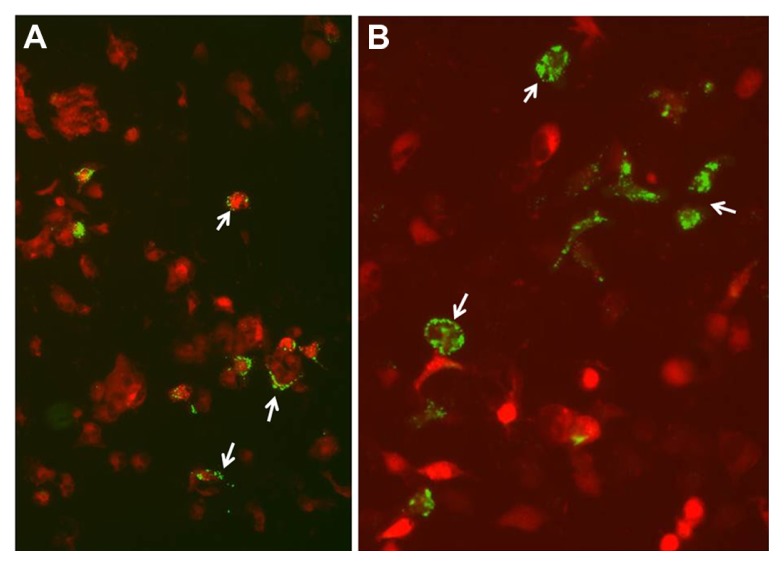
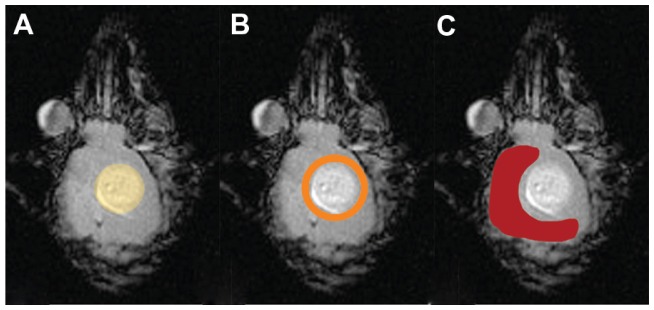
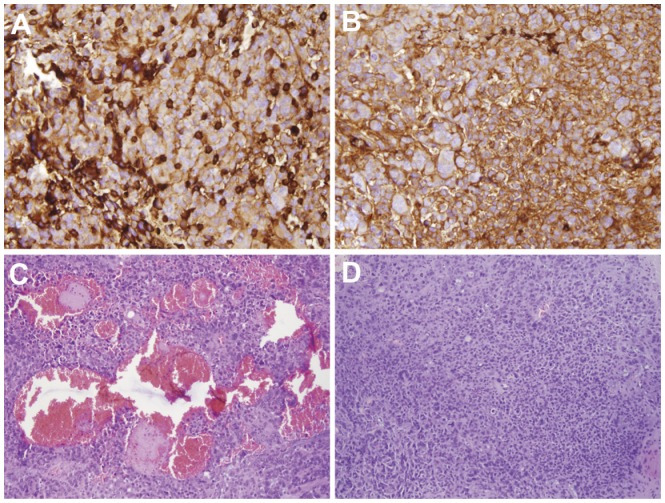
The ability of GCLRP to stimulate phagocytosis by human microglia and monocyte-derived cells of the brain (MDCB) isolated from a human glioblastoma was initially assessed in vitro. Induction of activation markers on blood monocytes was assayed by flow cytometry after administration of GCLRP to naive mice. C57BL/6 mice underwent stereotactic intracranial implantation of GL261 glioma cells and were randomized for tumor size by magnetic resonance imaging, which was also used to assess increase in tumor size. Brain tumor tissues were analyzed using flow cytometry, histology, and enzyme-linked immunosorbent assay with respect to tumor, peritumoral area, and contralateral hemisphere regions.
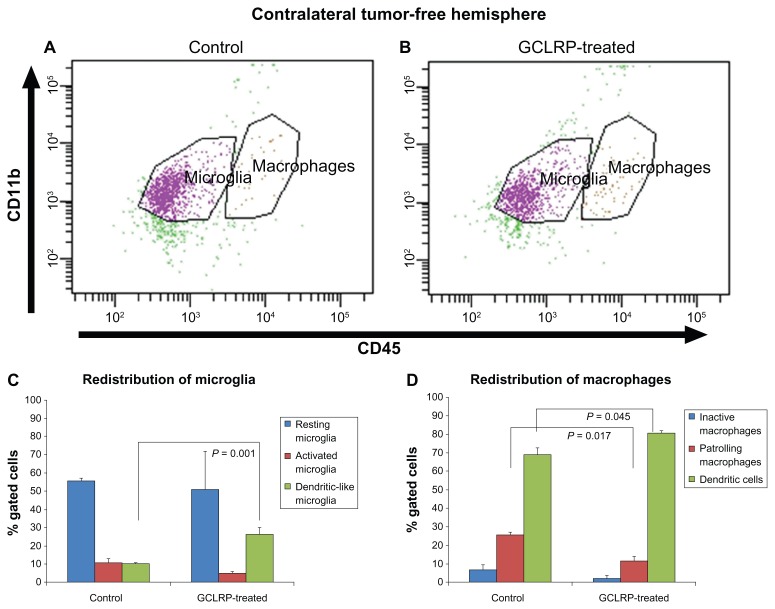
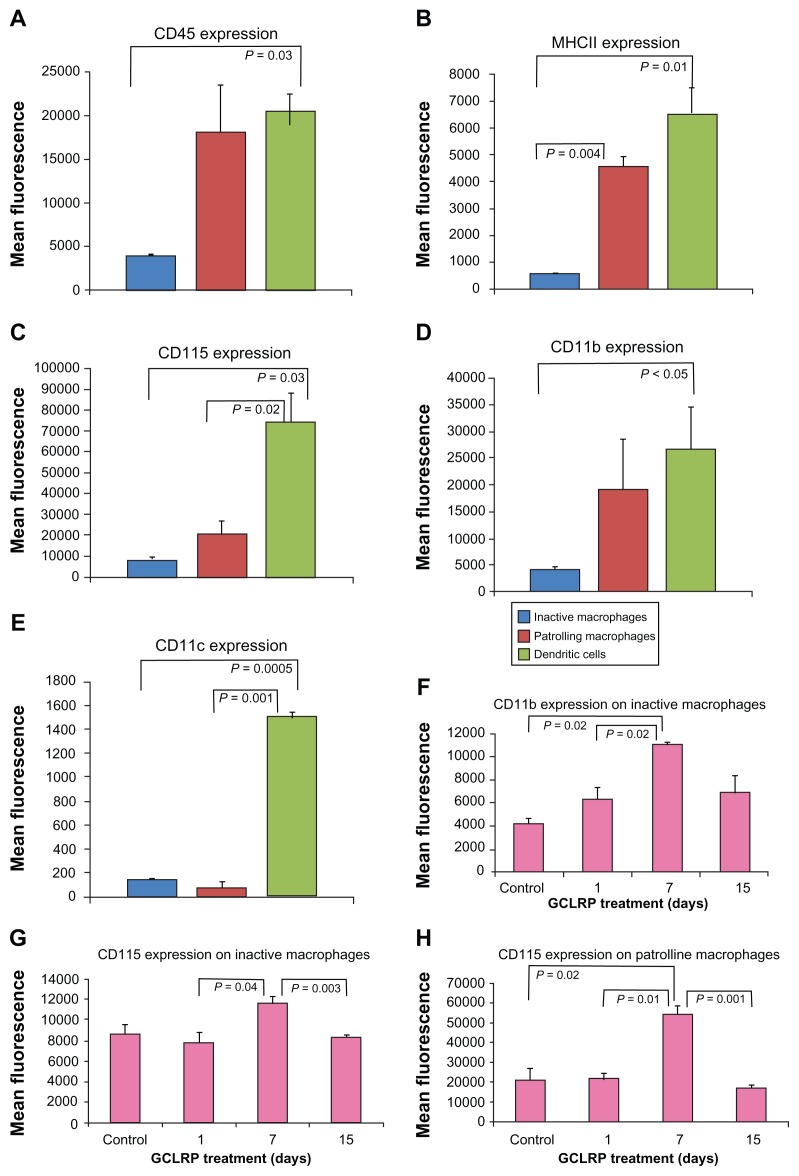
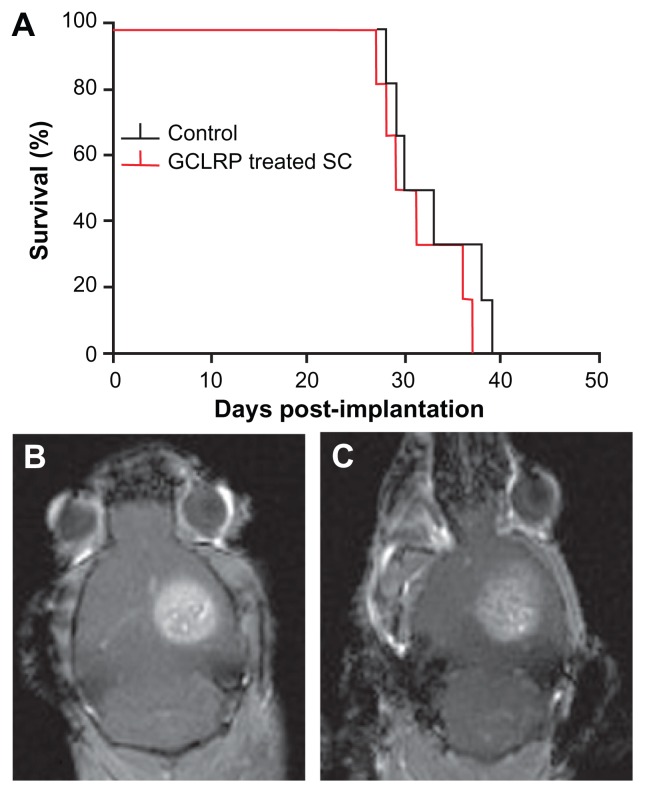
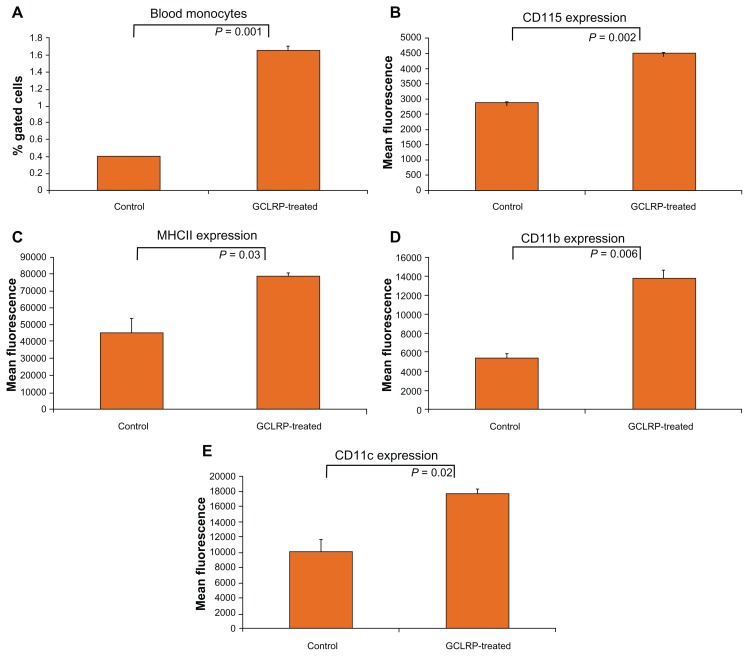
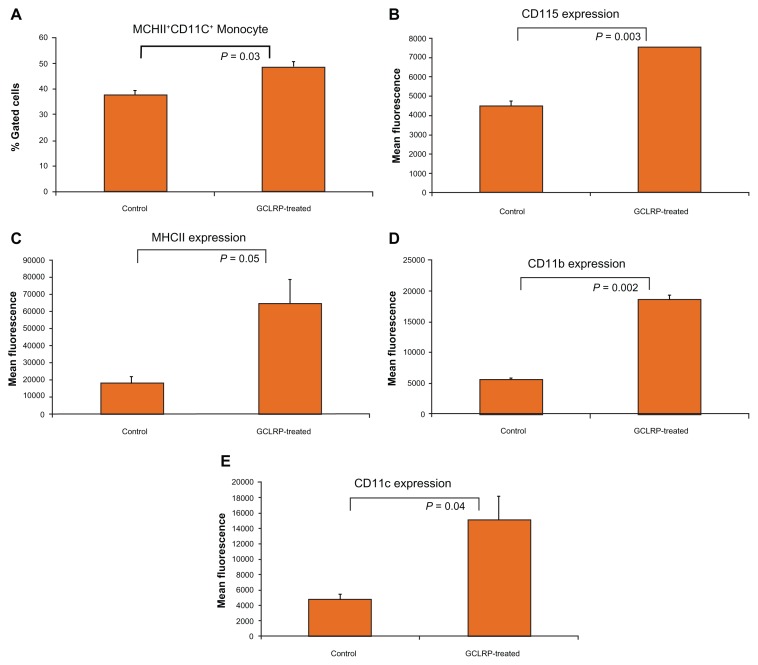
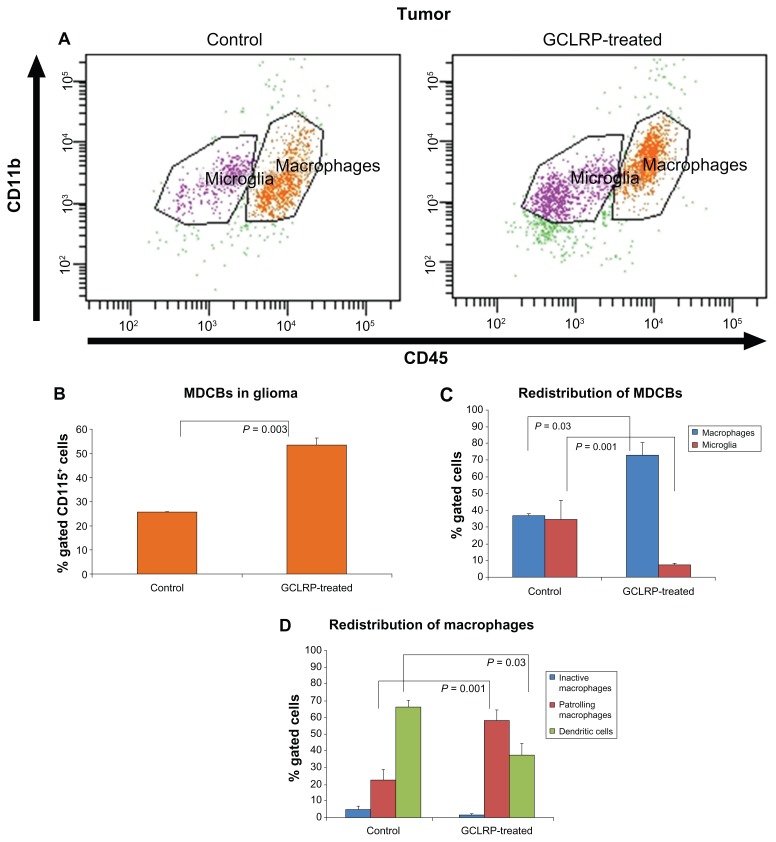
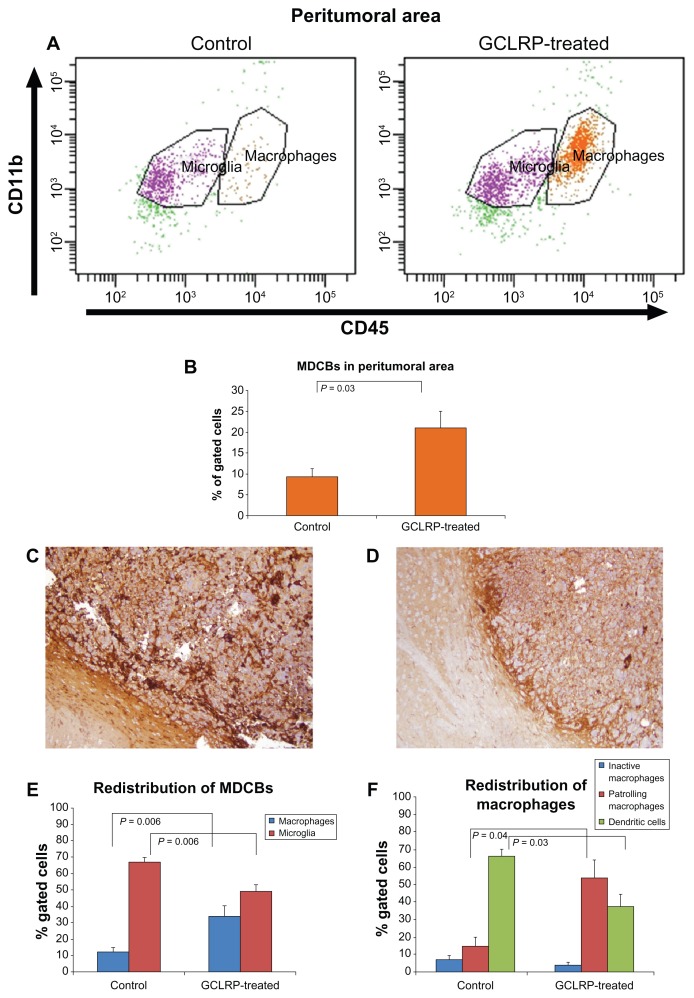
GCLRP exhibited strong stimulatory effect on MDCBs and blood monocytes in vitro and in vivo. GCLRP was associated with an increased percentage of precursors of dendritic cells in the blood (P = 0.003), which differentiated into patrolling macrophages in tumoral (P = 0.001) and peritumoral areas (P = 0.04), rather than into dendritic cells, as in control animals. Treatment with GCLRP did not result in a significant change in survival of mice bearing a tumor.
In vitro and in vivo activation of monocytes was achieved by administration of GCLR to mice. GCLRP-activated blood monocytes were recruited to the brain and exhibited specific phenotypes corresponding with tumor region (glioma, peritumoral zone, and contralateral glioma-free hemisphere). GCLRP treatment alone was associated with increased glioma mass as the result of the infiltration of phagocytic cells. Regional specificity for MDCB may have significant tumor treatment implications.
免疫疗法联合免疫刺激剂是一种针对神经胶质瘤的有吸引力的治疗方法。C 型凝集素受体特异性识别半乳糖/N-乙酰半乳糖胺(GCLR),调节单核细胞衍生细胞的细胞分化、识别和运输。GCLR 配体的肽模拟物(GCLRP)被用于激活血液单核细胞和骨髓来源的细胞(MDCB)群体,以对抗鼠神经胶质瘤。
首先在体外评估 GCLRP 刺激人小胶质细胞和源自人神经胶质瘤的单核细胞衍生细胞(MDCB)吞噬作用的能力。用 GCLRP 处理未成熟的小鼠后,通过流式细胞术检测血液单核细胞上激活标志物的诱导。C57BL/6 小鼠接受 GL261 神经胶质瘤细胞的立体定向颅内植入,并通过磁共振成像按肿瘤大小随机分组,磁共振成像也用于评估肿瘤大小的增加。使用流式细胞术、组织学和酶联免疫吸附试验分析脑肿瘤组织,针对肿瘤、肿瘤周围区域和对侧半球区域。
GCLRP 在体外和体内对 MDCB 和血液单核细胞具有很强的刺激作用。GCLRP 与血液中树突状细胞前体的百分比增加相关(P = 0.003),这些前体在肿瘤(P = 0.001)和肿瘤周围区域(P = 0.04)中分化为巡逻巨噬细胞,而不是在对照动物中分化为树突状细胞。GCLRP 治疗并未导致携带肿瘤的小鼠生存率显著改变。
通过向小鼠给予 GCLR 可实现单核细胞的体外和体内激活。GCLRP 激活的血液单核细胞被募集到大脑,并表现出与肿瘤区域(神经胶质瘤、肿瘤周围区域和对侧无神经胶质瘤半球)相对应的特定表型。GCLRP 治疗本身与吞噬细胞浸润导致的神经胶质瘤质量增加有关。MDCB 的区域特异性可能对肿瘤治疗具有重要意义。