Laboratory of Animal Genetics and Breeding, College of Animal Science and Technology, China Agricultural University, Beijing, PR China.
PLoS One. 2012;7(10):e47118. doi: 10.1371/journal.pone.0047118. Epub 2012 Oct 4.
Many groups of Gram-negative bacteria cause diseases harmful to sheep. TLR4 is an important Toll-like receptor (TLR) which responds to common Gram-negative bacterial infections. Activation of TLR4 leads to the induction of inflammatory responses, which is a linkage between the innate and adaptive immune systems. A vector pTLR4-3S was constructed to overexpress TLR4 gene in sheep. In this study, effects of TLR4 overexpression on inflammation response under LPS stimulated were addressed in vivo and in vitro.
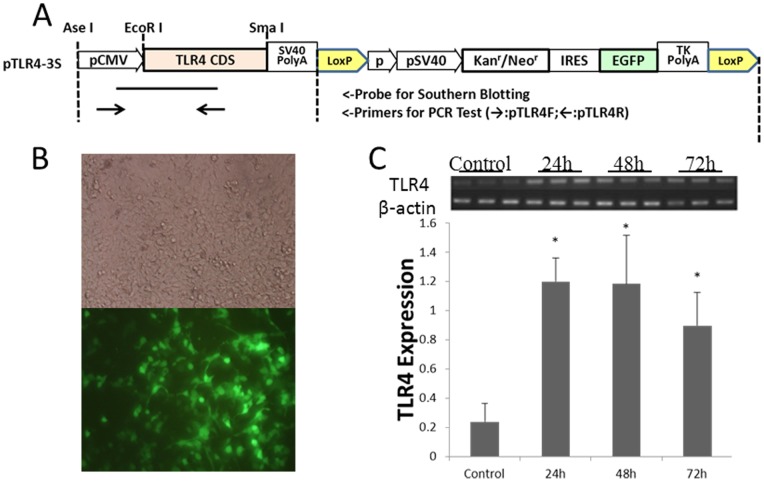
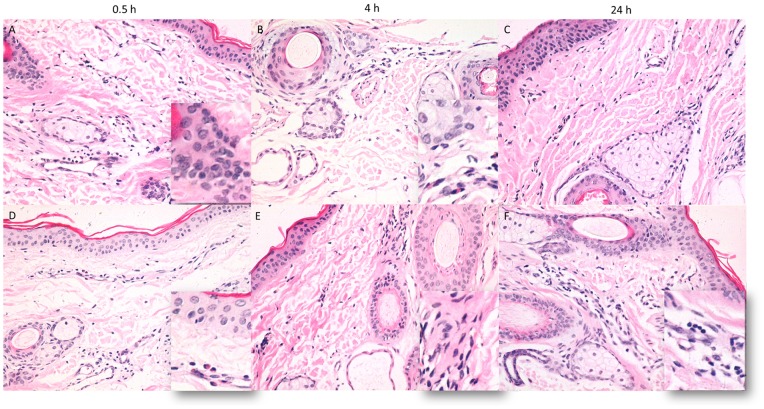
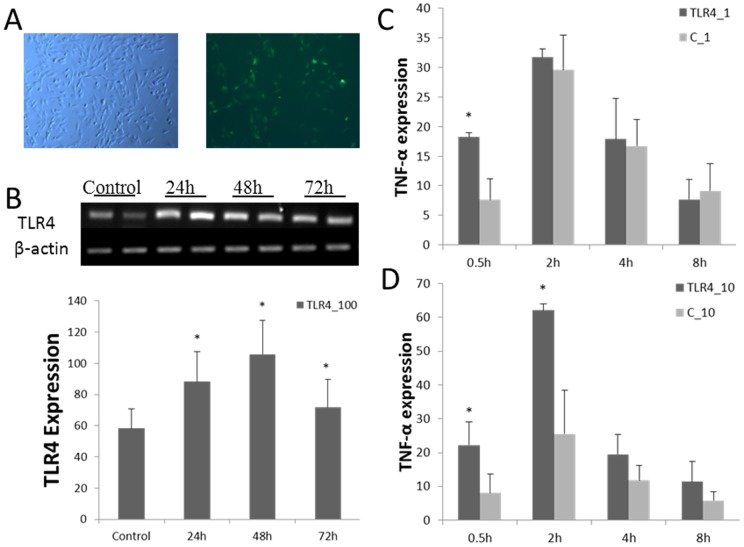
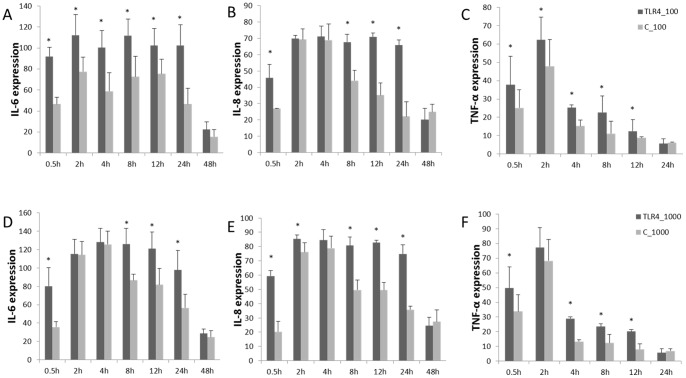
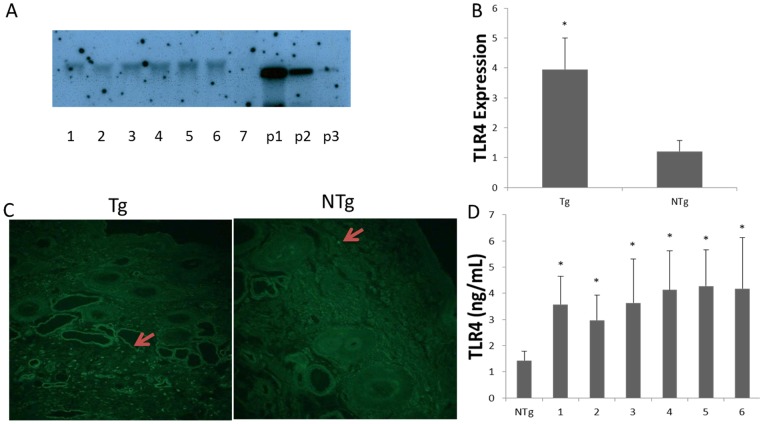
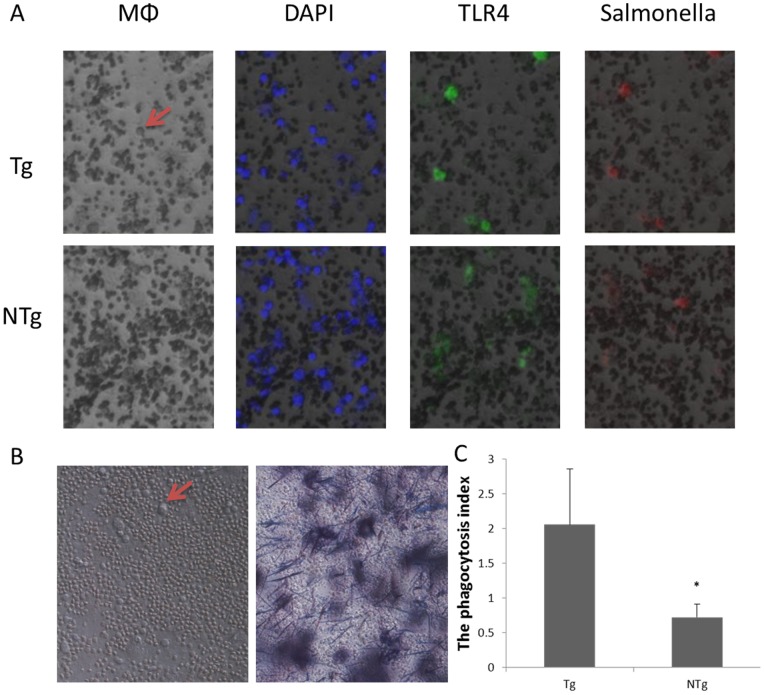
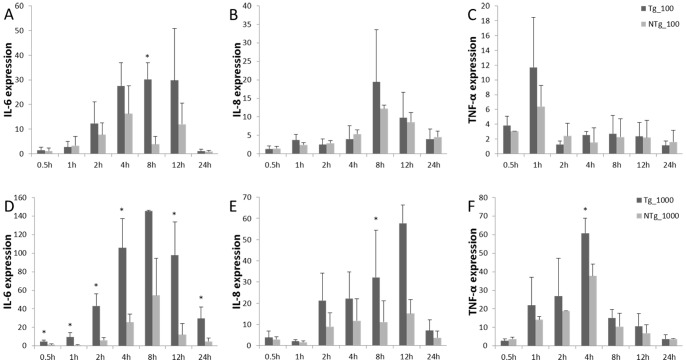
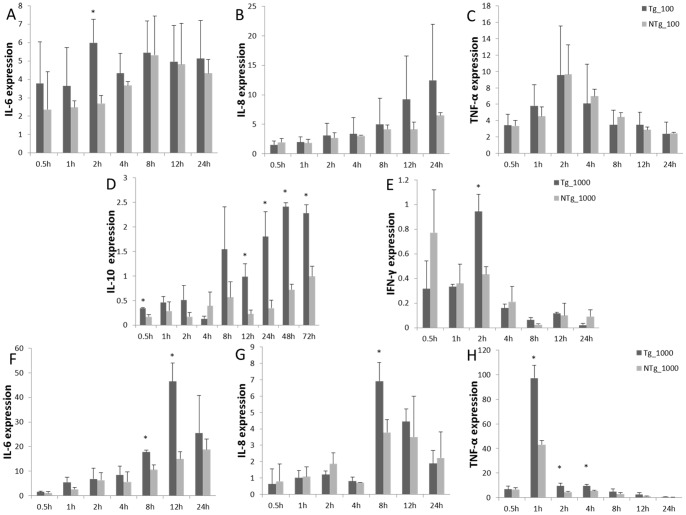
METHODOLOGY/PRINCIPAL FINDINGS: Sheep fetal fibroblasts were transfected with expression vector pTLR4-3S. Transgenic sheep were produced by microinjection of the constructed plasmids into fertilized eggs. Fetal fibroblasts, monocyte-macrophage and fibroblasts isolated from the transgenic sheep were stimulated by LPS. After that immunoactive factors (TNF-α, IL-10, IL-6, IL-8, IFN-γ), nitric oxide, phagocytize ability and adhesion were detected. Furthermore, transgenic sheep were intradermal injected of LPS in ear and observed pathological changes by HE strain. Overexpression of TLR4 gene was observed on transgenic cells and individuals. In vitro, TLR4 overexpression transgenic cells secreted Th1 and Th2 inducing cytokines with a strong LPS mediated inflammation response and promoting the secretion of nitric oxide, and then recovered to initial level. The phagocytosis index of monocyte/macrophage in transgenic sheep was higher than that of non-transgenic sheep (P<0.05). In vivo, tissue sections showed that transgenic individuals launched inflammation response more quickly.
CONCLUSIONS/SIGNIFICANCE: Overexpression of TLR4 in transgenic sheep enhanced the clearance of invaded microbe through secretion of cytokines, activation of macrophage, oxidation damage and infiltration of neutrophil.
许多革兰氏阴性菌群体可引起对绵羊有害的疾病。TLR4 是一种重要的 Toll 样受体(TLR),可对常见的革兰氏阴性菌感染做出反应。TLR4 的激活导致炎症反应的诱导,这是先天和适应性免疫系统之间的联系。构建了载体 pTLR4-3S 以在绵羊中过表达 TLR4 基因。在这项研究中,体内和体外研究了 TLR4 过表达对 LPS 刺激下炎症反应的影响。
方法/主要发现:用表达载体 pTLR4-3S 转染绵羊胎儿成纤维细胞。通过将构建的质粒微注射到受精卵中,生产转基因绵羊。用 LPS 刺激来自转基因绵羊的胎儿成纤维细胞、单核细胞-巨噬细胞和成纤维细胞。然后检测免疫活性因子(TNF-α、IL-10、IL-6、IL-8、IFN-γ)、一氧化氮、吞噬能力和粘附能力。此外,用 LPS 对转基因绵羊耳部进行皮内注射,并通过 HE 染色观察病理变化。在转基因细胞和个体中观察到 TLR4 基因的过表达。体外,TLR4 过表达转基因细胞在 LPS 介导的炎症反应中分泌 Th1 和 Th2 诱导细胞因子,并促进一氧化氮的分泌,然后恢复到初始水平。转基因绵羊单核细胞-巨噬细胞的吞噬指数高于非转基因绵羊(P<0.05)。体内,组织切片显示转基因个体更快地引发炎症反应。
结论/意义:TLR4 在转基因绵羊中的过表达通过细胞因子的分泌、巨噬细胞的激活、氧化损伤和中性粒细胞的浸润增强了对入侵微生物的清除。