• 文献检索
  • 文档翻译
  • 深度研究
  • 学术资讯
  • Suppr Zotero 插件Zotero 插件
  • 邀请有礼
  • 套餐&价格
  • 历史记录
应用&插件
Suppr Zotero 插件Zotero 插件浏览器插件Mac 客户端Windows 客户端微信小程序
定价
高级版会员购买积分包购买API积分包
服务
文献检索文档翻译深度研究API 文档MCP 服务
关于我们
关于 Suppr公司介绍联系我们用户协议隐私条款
关注我们

Suppr 超能文献

核心技术专利:CN118964589B侵权必究
粤ICP备2023148730 号-1Suppr @ 2026

文献检索

告别复杂PubMed语法,用中文像聊天一样搜索,搜遍4000万医学文献。AI智能推荐,让科研检索更轻松。

立即免费搜索

文件翻译

保留排版,准确专业,支持PDF/Word/PPT等文件格式,支持 12+语言互译。

免费翻译文档

深度研究

AI帮你快速写综述,25分钟生成高质量综述,智能提取关键信息,辅助科研写作。

立即免费体验

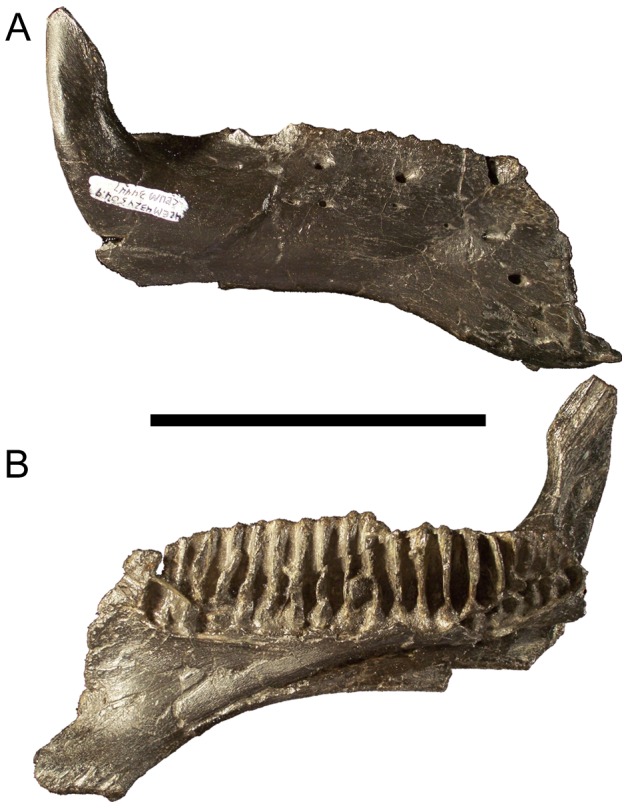
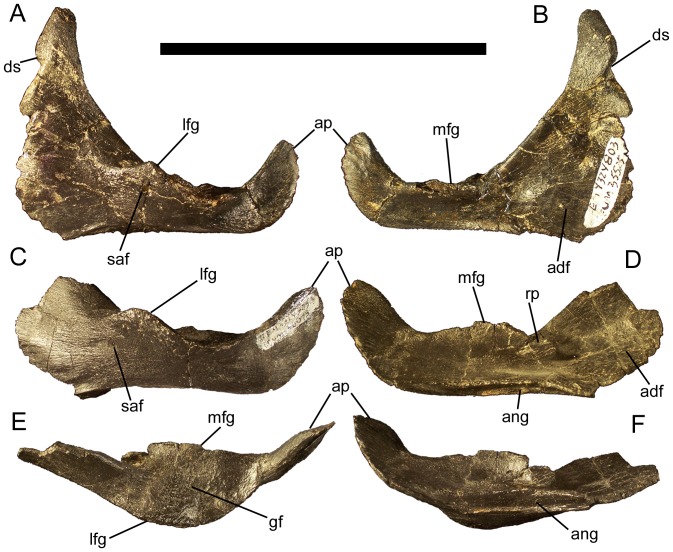
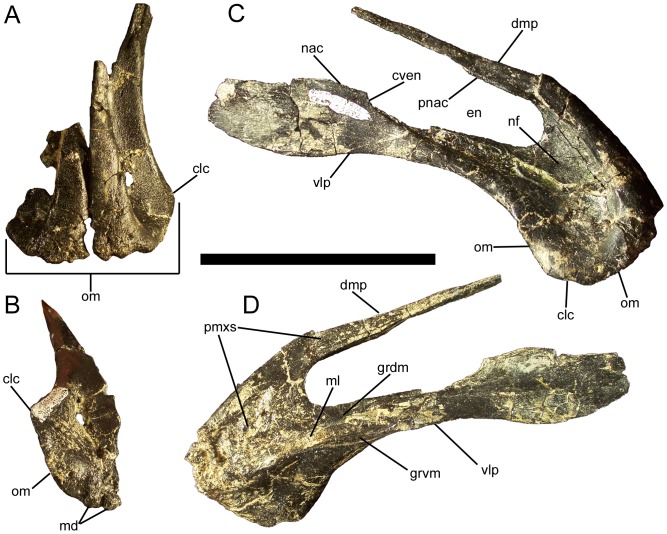
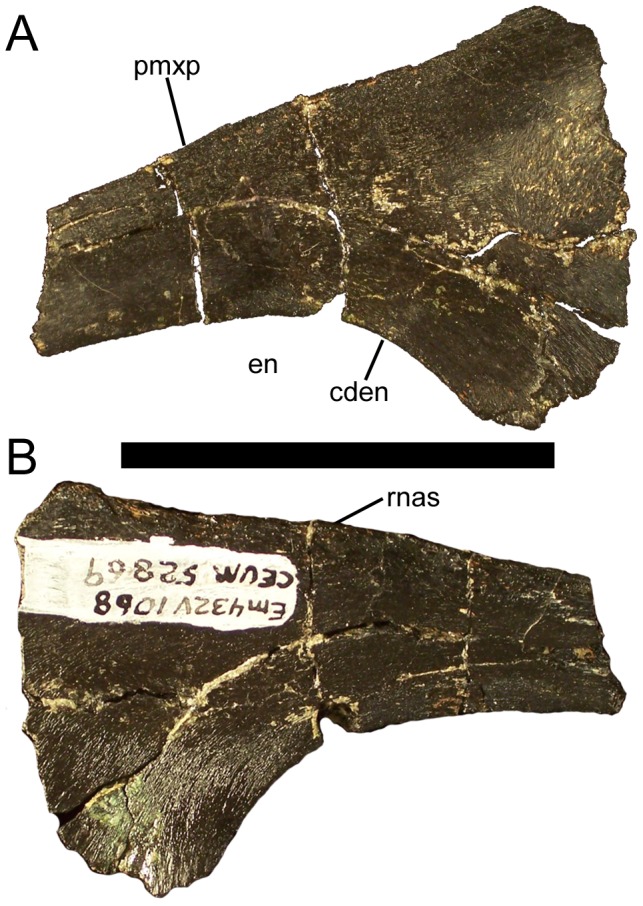
犹他州锡达山组基干鸭嘴龙类恐龙 Eolambia caroljonesa 的骨骼学研究。

Osteology of the basal hadrosauroid Eolambia caroljonesa (Dinosauria: Ornithopoda) from the Cedar Mountain Formation of Utah.

机构信息

Department of Earth and Environmental Science, University of Pennsylvania, Philadelphia, Pennsylvania, USA.

出版信息

PLoS One. 2012;7(10):e45712. doi: 10.1371/journal.pone.0045712. Epub 2012 Oct 15.

DOI:10.1371/journal.pone.0045712
PMID:23077495
原文链接:https://pmc.ncbi.nlm.nih.gov/articles/PMC3471925/
Abstract

BACKGROUND

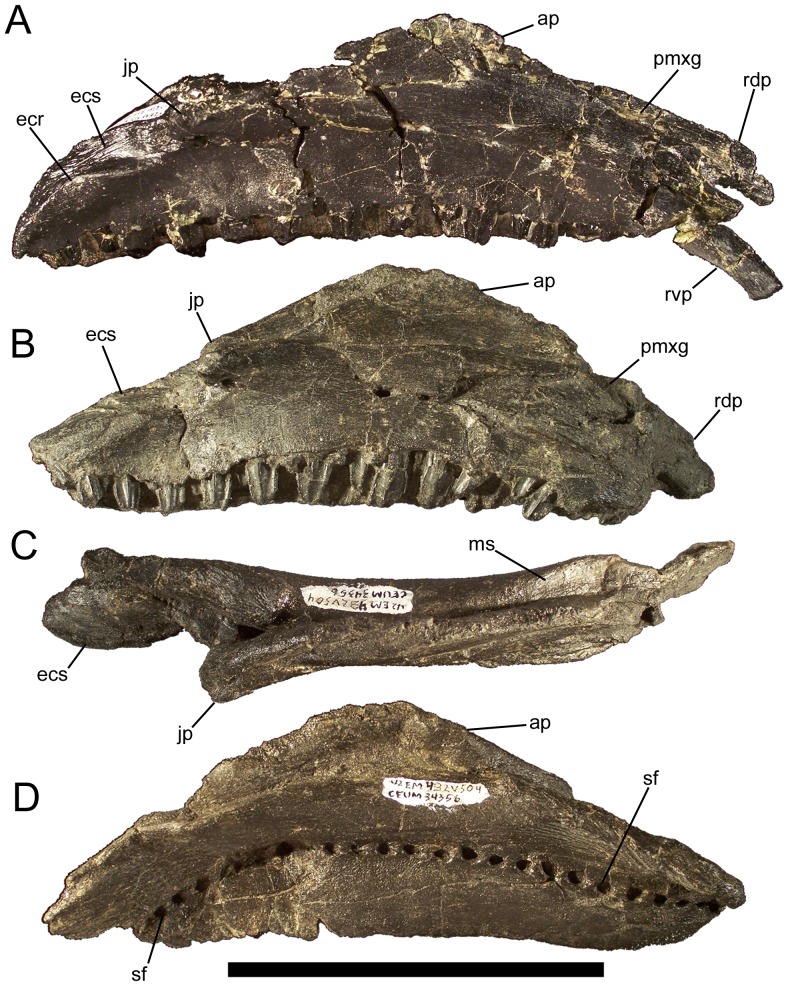
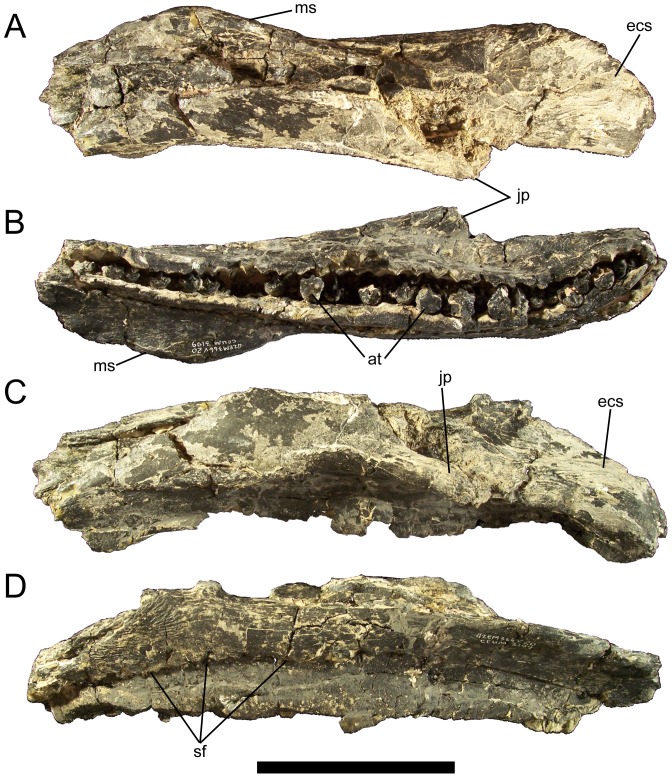
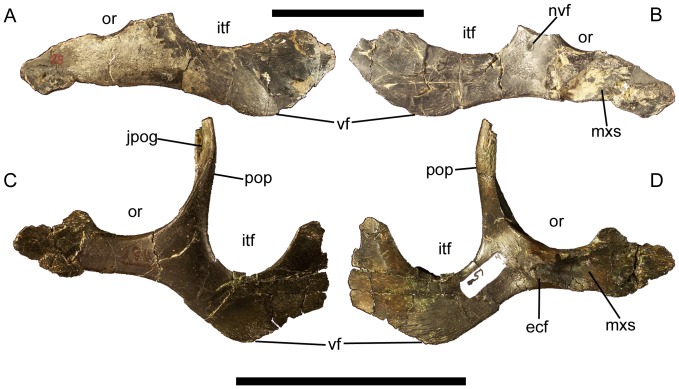
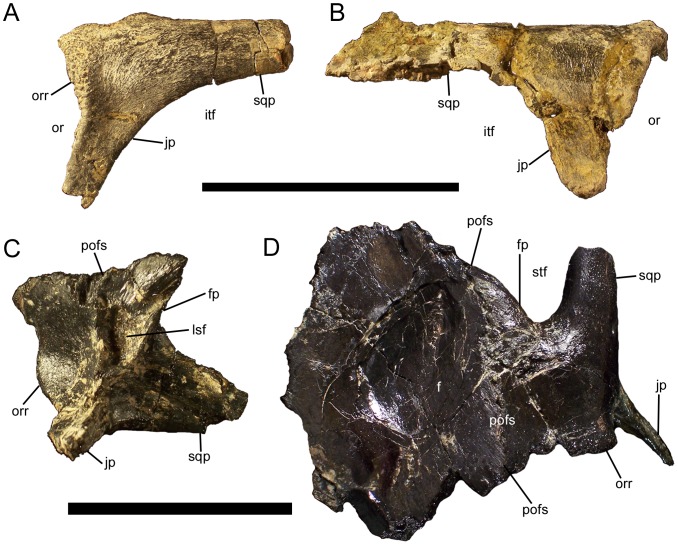
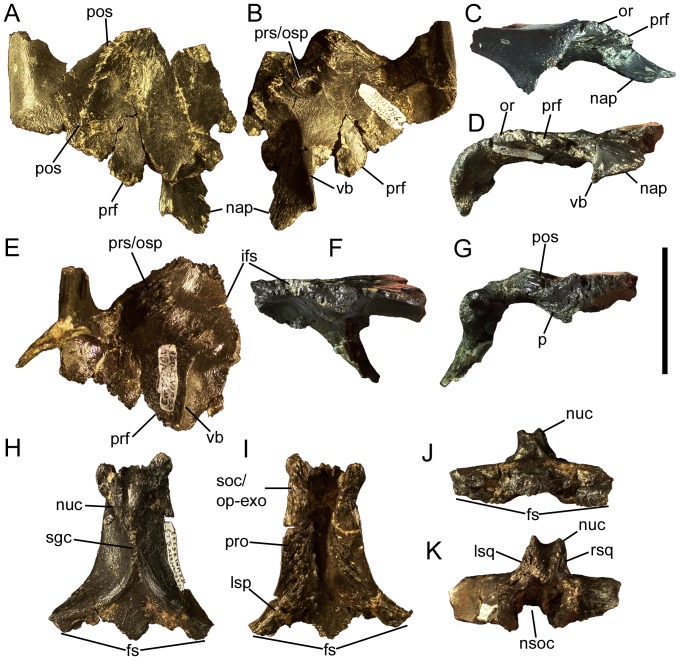
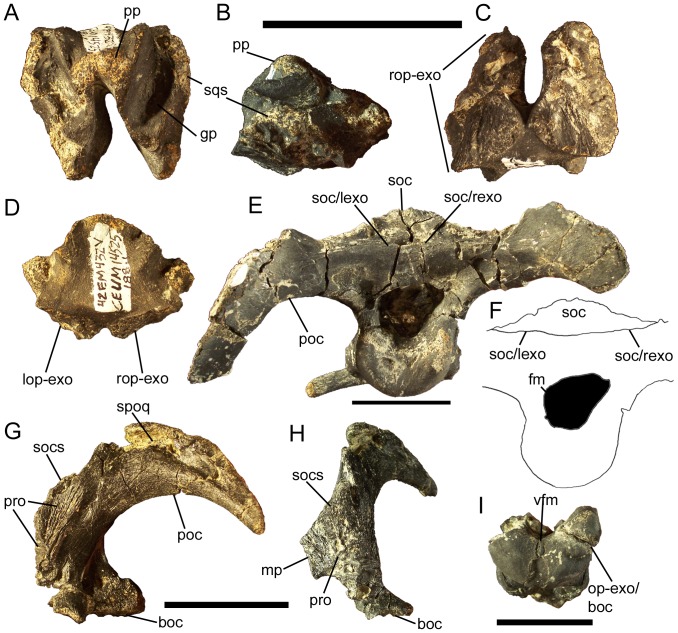
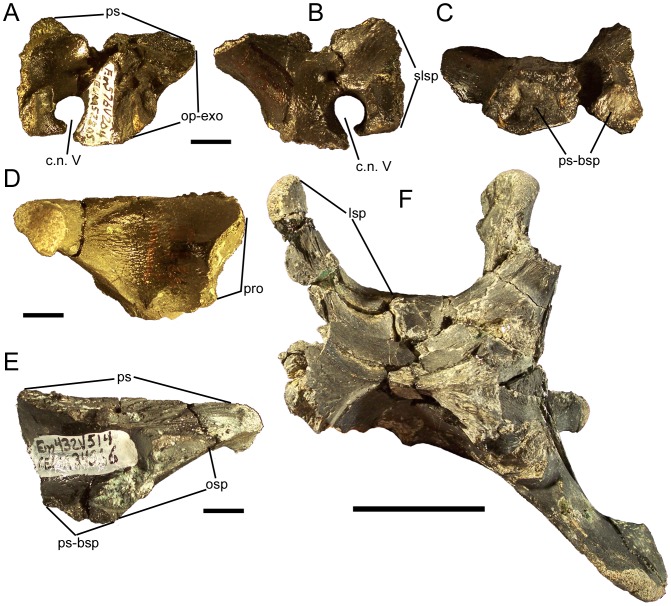
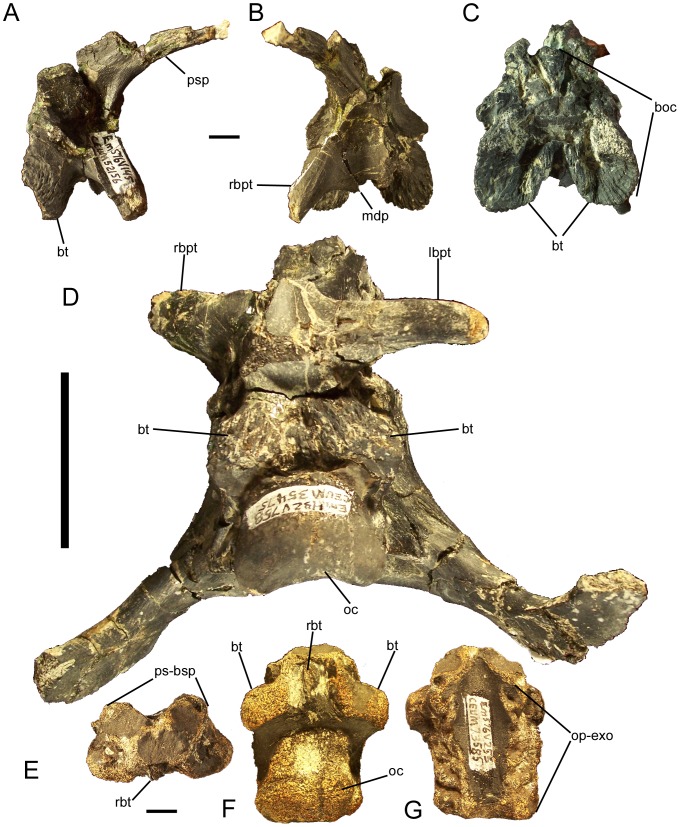
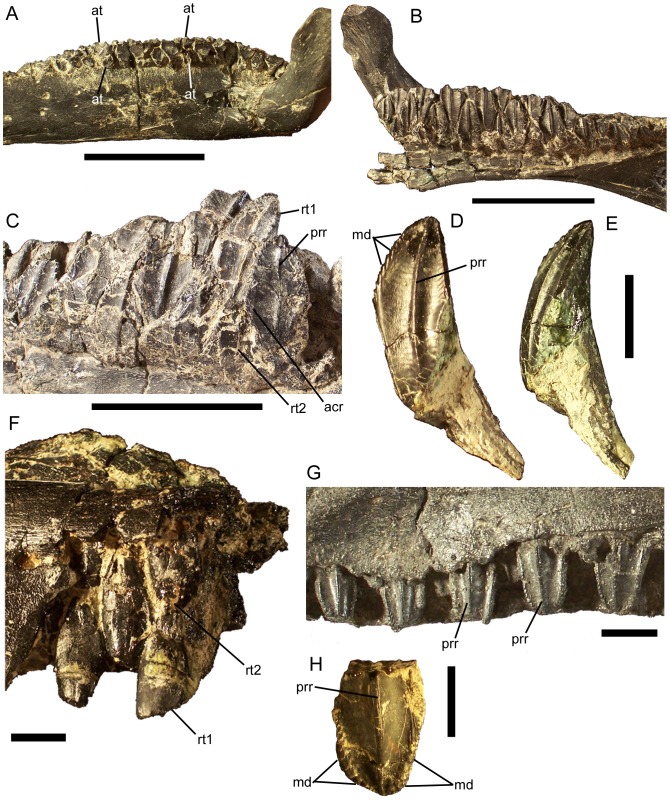
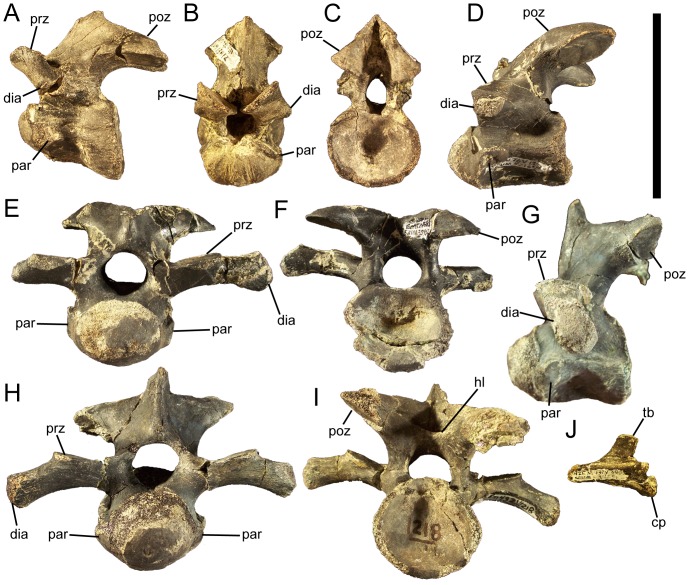
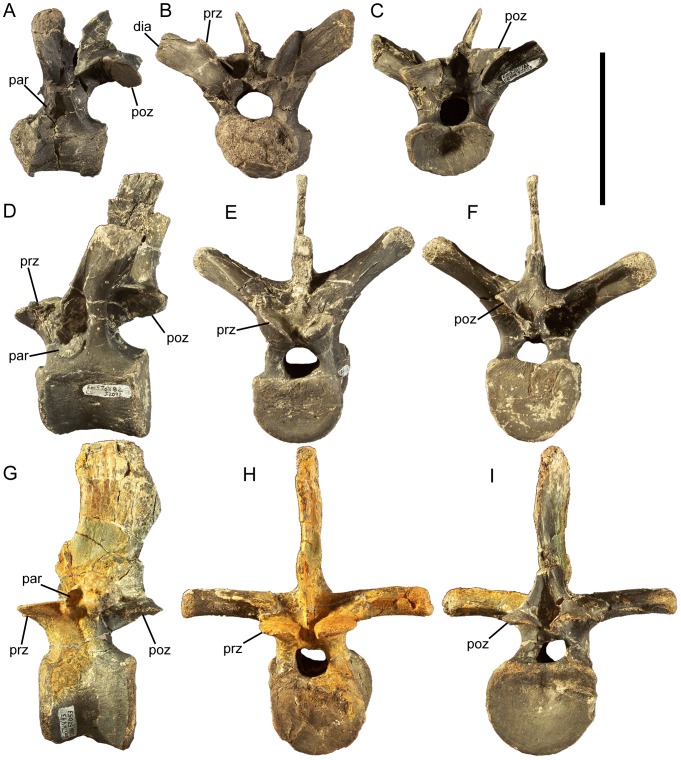
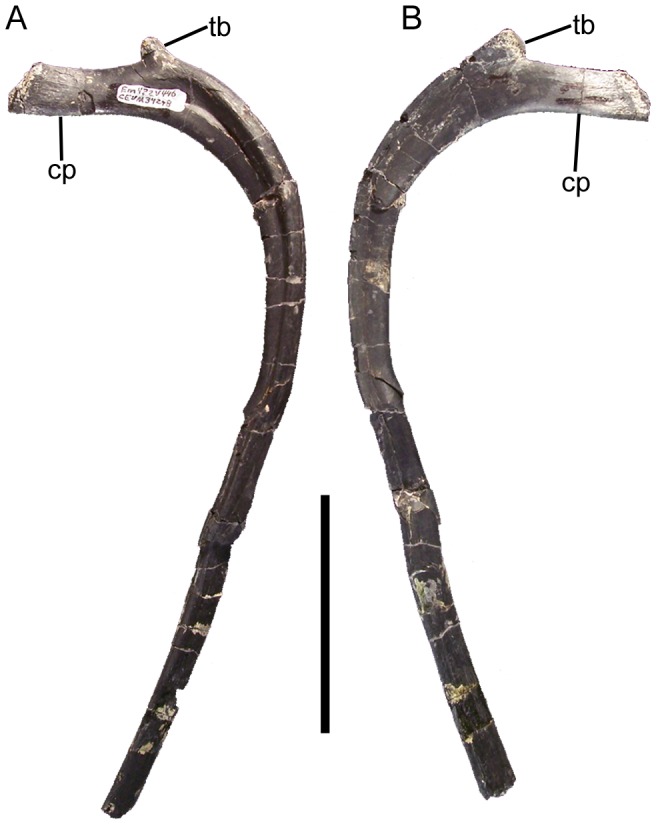
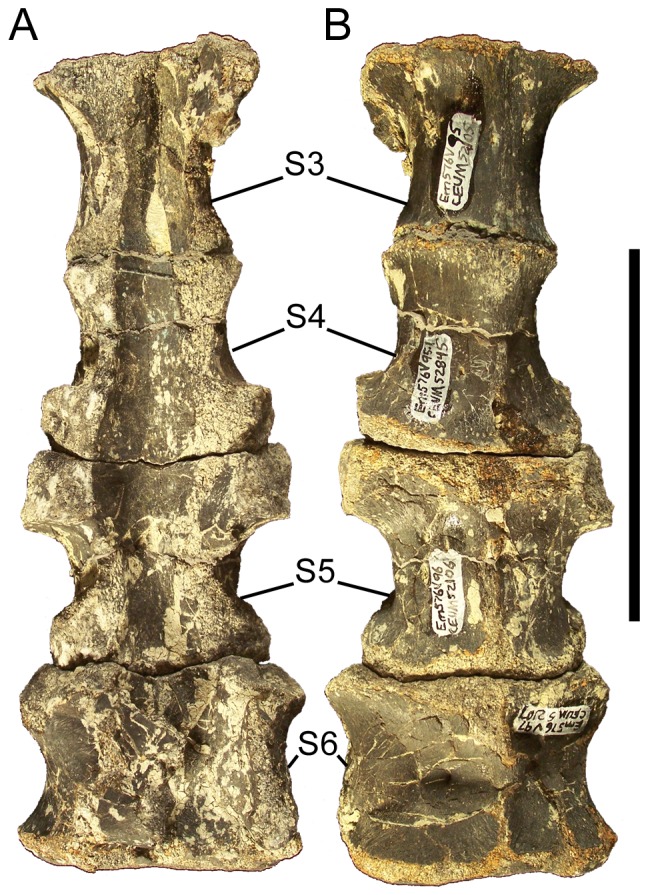
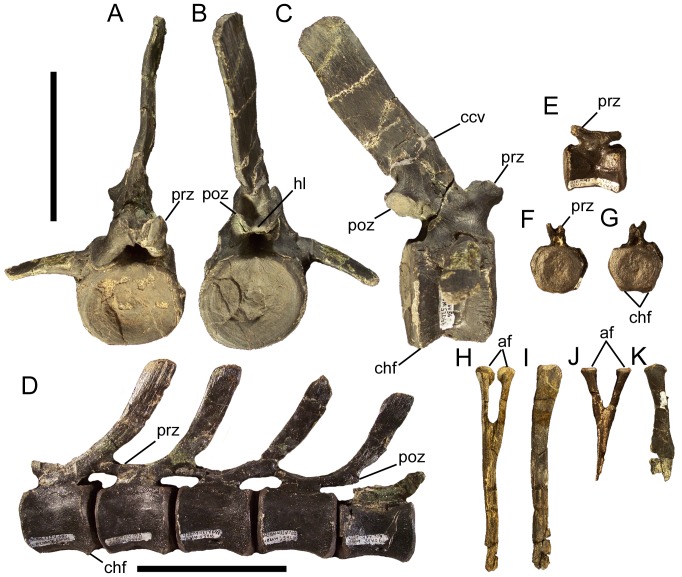
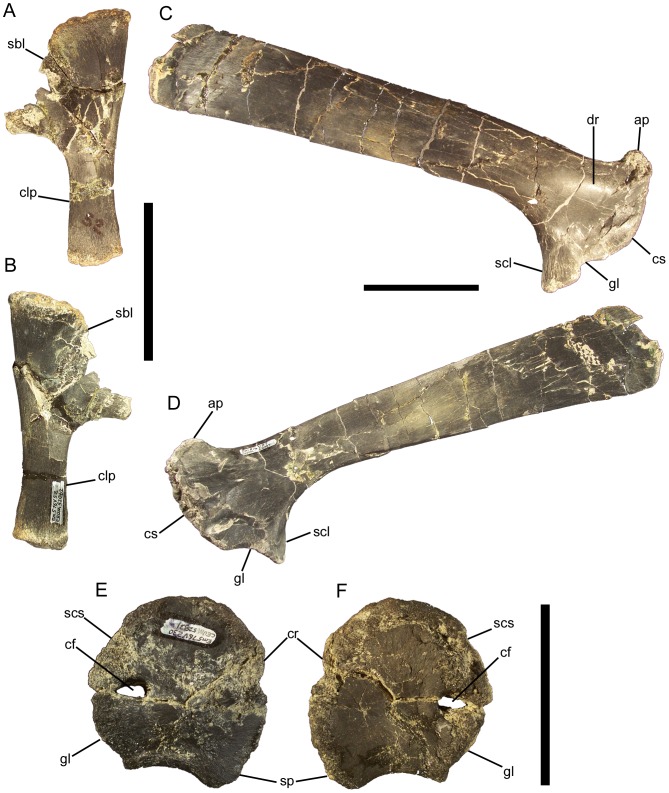
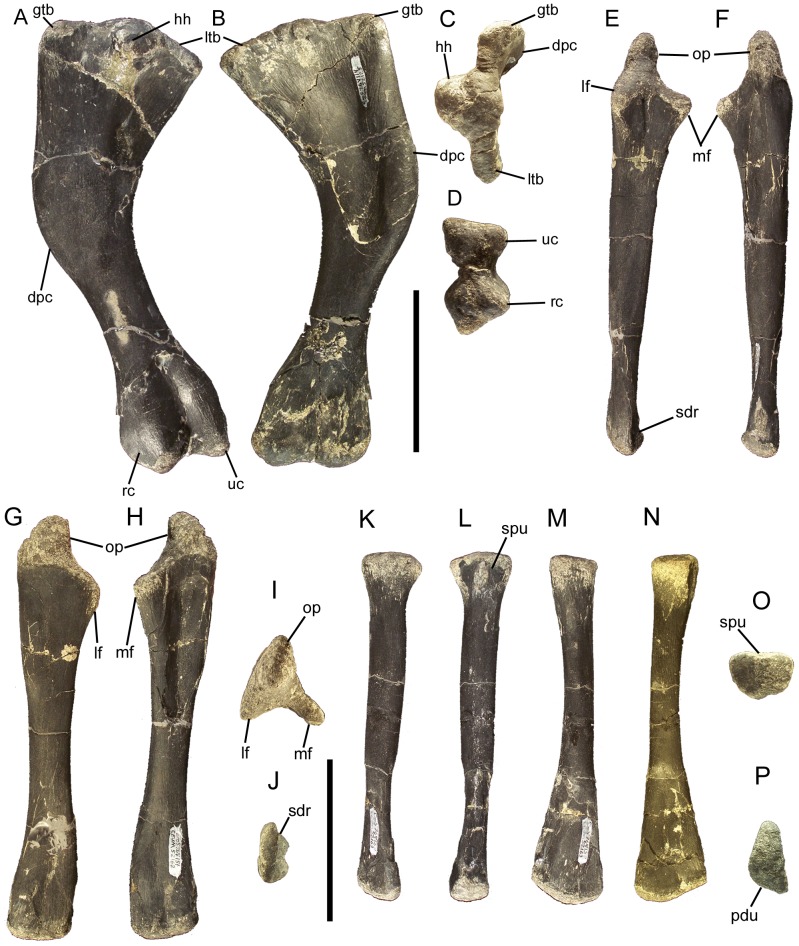
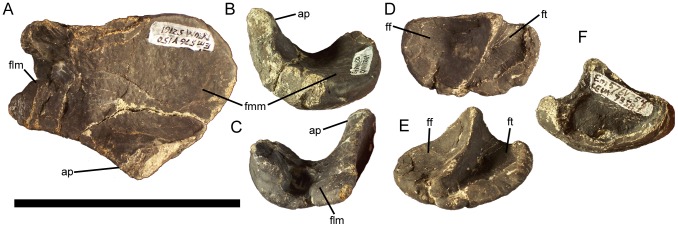
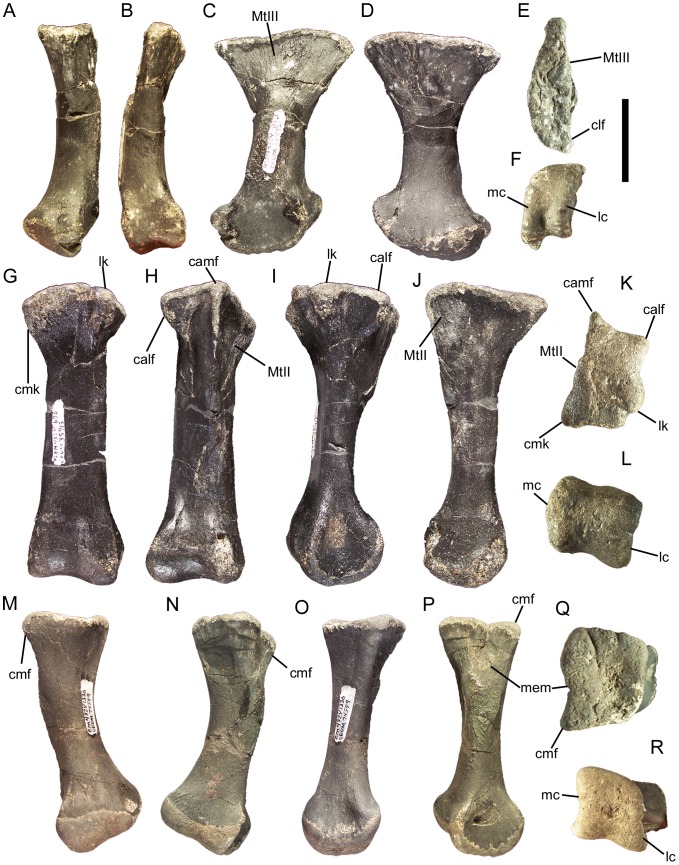
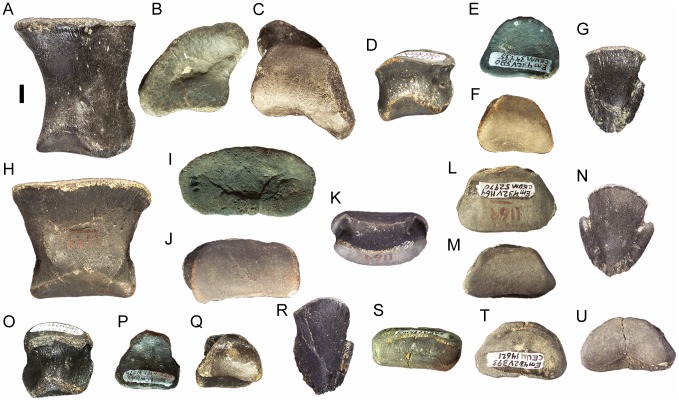
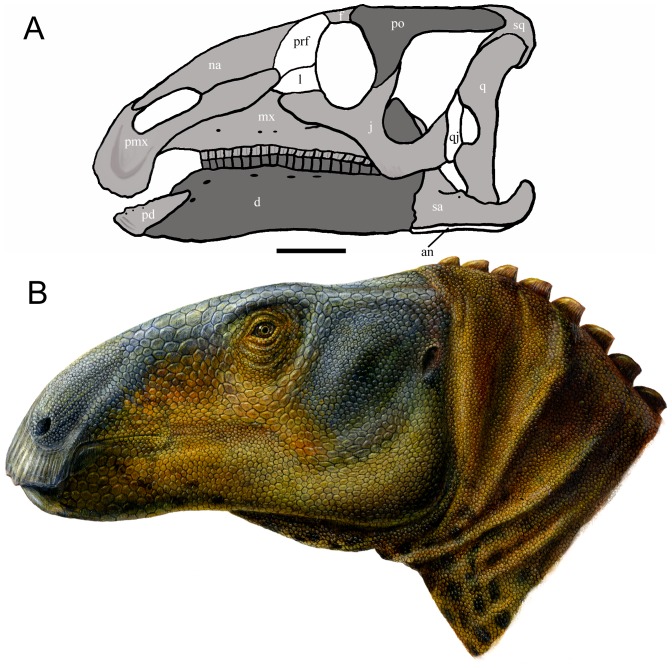
Eolambia caroljonesa is known from copious remains from the lower Cenomanian Mussentuchit Member of the Cedar Mountain Formation in eastern Utah; however, the taxon has been only briefly described. Thus, we present herein a complete osteological description of Eolambia.

METHODOLOGY/PRINCIPAL FINDINGS: The description of Eolambia presented here is based upon the holotype partial skeleton (CEUM 9758), paratype partial skull (CEUM 5212), and abundant disarticulated elements from two bonebeds that contain juvenile individuals. These remains allow the skeletal anatomy of Eolambia to be documented almost fully and a revised diagnosis to be proposed.

CONCLUSIONS/SIGNIFICANCE: The description provided here facilitates comparisons between Eolambia and other iguanodontians and allows Eolambia to be coded for additional characters in phylogenetic analyses. The close affinity between Eolambia and Probactrosaurus gobiensis from the Early Cretaceous of China supports previous hypotheses of faunal interchange between Asia and North America in the early Late Cretaceous.

摘要

背景

伊奥兰巴·卡罗利纳莎(Eolambia caroljonesa)的化石记录丰富,来自于犹他州东部下白垩统雪松山组的穆斯廷图奇特阶;然而,该种仅被简要描述过。因此,我们在此提供了伊奥兰巴的完整骨骼描述。

方法/主要发现:本文对伊奥兰巴的描述基于模式标本(CEUM 9758)的部分骨骼、副型标本(CEUM 5212)的部分头骨,以及两个含幼年个体的骨床中大量分离的骨骼元素。这些遗骸使伊奥兰巴的骨骼解剖结构得以几乎完整地记录下来,并提出了一个修订后的诊断。

结论/意义:这里提供的描述有助于在伊奥兰巴和其他禽龙类之间进行比较,并允许在系统发育分析中为伊奥兰巴编码更多的特征。伊奥兰巴与来自中国早白垩世的戈壁原巴克龙(Probactrosaurus gobiensis)之间的密切亲缘关系,支持了早期晚白垩世亚洲和北美的动物群交流假说。
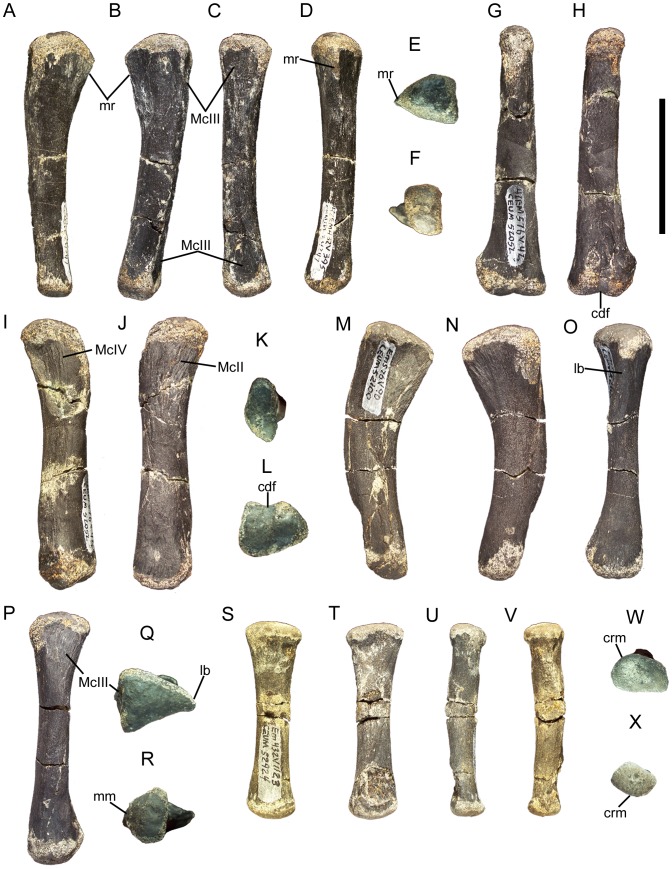
https://cdn.ncbi.nlm.nih.gov/pmc/blobs/8882/3471925/66a7960d7552/pone.0045712.g036.jpg
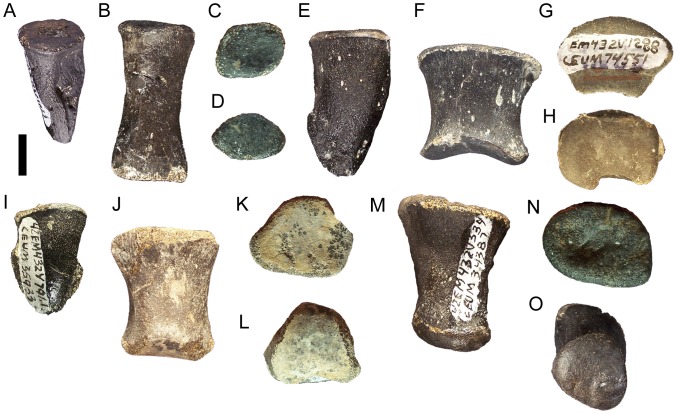
https://cdn.ncbi.nlm.nih.gov/pmc/blobs/8882/3471925/7b9e4e8631e2/pone.0045712.g001.jpg
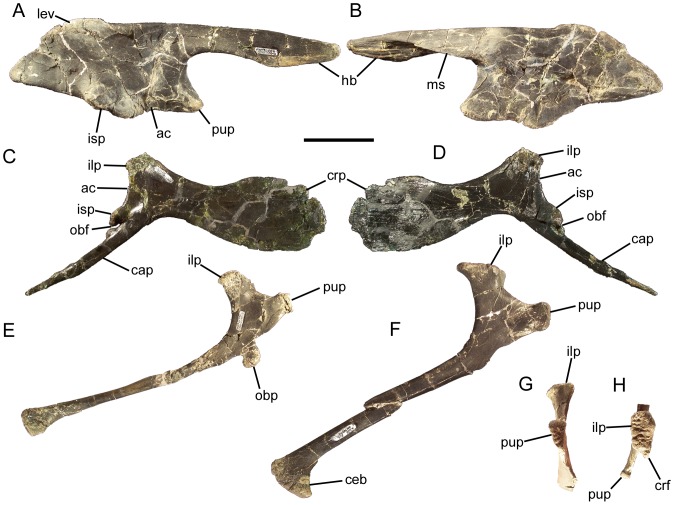
https://cdn.ncbi.nlm.nih.gov/pmc/blobs/8882/3471925/c2854f93799d/pone.0045712.g002.jpg
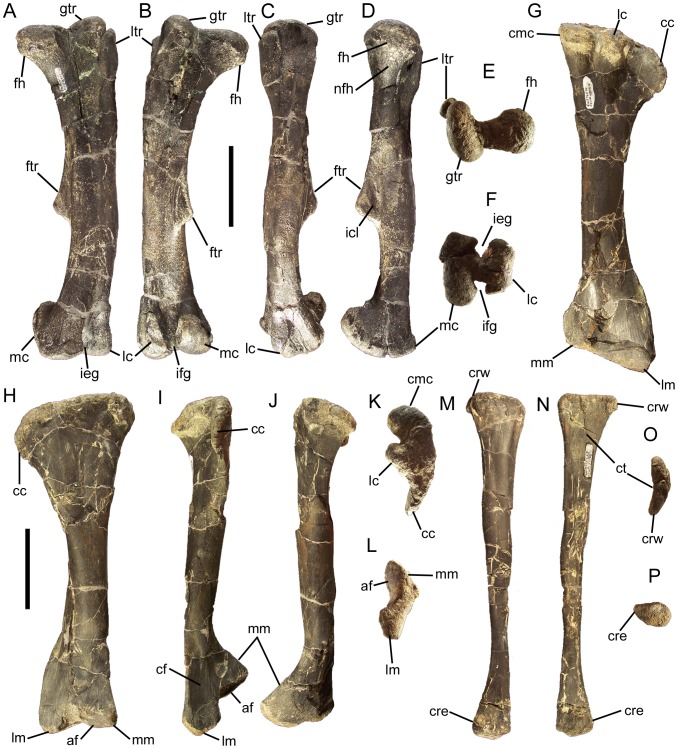
https://cdn.ncbi.nlm.nih.gov/pmc/blobs/8882/3471925/962ef44d5329/pone.0045712.g003.jpg
https://cdn.ncbi.nlm.nih.gov/pmc/blobs/8882/3471925/32b9ca9ef9be/pone.0045712.g004.jpg
https://cdn.ncbi.nlm.nih.gov/pmc/blobs/8882/3471925/0e93116092e4/pone.0045712.g005.jpg
https://cdn.ncbi.nlm.nih.gov/pmc/blobs/8882/3471925/228c1f0853cd/pone.0045712.g006.jpg
https://cdn.ncbi.nlm.nih.gov/pmc/blobs/8882/3471925/c4566e737076/pone.0045712.g007.jpg
https://cdn.ncbi.nlm.nih.gov/pmc/blobs/8882/3471925/ed58d198d313/pone.0045712.g008.jpg
https://cdn.ncbi.nlm.nih.gov/pmc/blobs/8882/3471925/341feeab4471/pone.0045712.g009.jpg
https://cdn.ncbi.nlm.nih.gov/pmc/blobs/8882/3471925/9218c4a20367/pone.0045712.g010.jpg
https://cdn.ncbi.nlm.nih.gov/pmc/blobs/8882/3471925/565a069c3aed/pone.0045712.g011.jpg
https://cdn.ncbi.nlm.nih.gov/pmc/blobs/8882/3471925/b1111bd7c6f6/pone.0045712.g012.jpg
https://cdn.ncbi.nlm.nih.gov/pmc/blobs/8882/3471925/fa55c3700508/pone.0045712.g013.jpg
https://cdn.ncbi.nlm.nih.gov/pmc/blobs/8882/3471925/9726cf075dfd/pone.0045712.g014.jpg
https://cdn.ncbi.nlm.nih.gov/pmc/blobs/8882/3471925/9a421f2ac9b3/pone.0045712.g015.jpg
https://cdn.ncbi.nlm.nih.gov/pmc/blobs/8882/3471925/e0eb3bb444ce/pone.0045712.g016.jpg
https://cdn.ncbi.nlm.nih.gov/pmc/blobs/8882/3471925/619ba6293845/pone.0045712.g017.jpg
https://cdn.ncbi.nlm.nih.gov/pmc/blobs/8882/3471925/7988384114d9/pone.0045712.g018.jpg
https://cdn.ncbi.nlm.nih.gov/pmc/blobs/8882/3471925/ff313cc01815/pone.0045712.g019.jpg
https://cdn.ncbi.nlm.nih.gov/pmc/blobs/8882/3471925/aad3b7576016/pone.0045712.g020.jpg
https://cdn.ncbi.nlm.nih.gov/pmc/blobs/8882/3471925/38076dc5ca00/pone.0045712.g021.jpg
https://cdn.ncbi.nlm.nih.gov/pmc/blobs/8882/3471925/c6db74efe984/pone.0045712.g022.jpg
https://cdn.ncbi.nlm.nih.gov/pmc/blobs/8882/3471925/f8a4b003c454/pone.0045712.g023.jpg
https://cdn.ncbi.nlm.nih.gov/pmc/blobs/8882/3471925/7f43523517c5/pone.0045712.g024.jpg
https://cdn.ncbi.nlm.nih.gov/pmc/blobs/8882/3471925/edd4e71cf78d/pone.0045712.g025.jpg
https://cdn.ncbi.nlm.nih.gov/pmc/blobs/8882/3471925/6b38ebe6056b/pone.0045712.g026.jpg
https://cdn.ncbi.nlm.nih.gov/pmc/blobs/8882/3471925/caa3deb3498f/pone.0045712.g027.jpg
https://cdn.ncbi.nlm.nih.gov/pmc/blobs/8882/3471925/78b26485fb4f/pone.0045712.g028.jpg
https://cdn.ncbi.nlm.nih.gov/pmc/blobs/8882/3471925/55f913a4ac8c/pone.0045712.g029.jpg
https://cdn.ncbi.nlm.nih.gov/pmc/blobs/8882/3471925/662accac1b8c/pone.0045712.g030.jpg
https://cdn.ncbi.nlm.nih.gov/pmc/blobs/8882/3471925/ba8b62c78243/pone.0045712.g031.jpg
https://cdn.ncbi.nlm.nih.gov/pmc/blobs/8882/3471925/66f5ab93eb46/pone.0045712.g032.jpg
https://cdn.ncbi.nlm.nih.gov/pmc/blobs/8882/3471925/e2fde8318428/pone.0045712.g033.jpg
https://cdn.ncbi.nlm.nih.gov/pmc/blobs/8882/3471925/4fb3ce974ea9/pone.0045712.g034.jpg
https://cdn.ncbi.nlm.nih.gov/pmc/blobs/8882/3471925/0b0aabaccefd/pone.0045712.g035.jpg
https://cdn.ncbi.nlm.nih.gov/pmc/blobs/8882/3471925/66a7960d7552/pone.0045712.g036.jpg
https://cdn.ncbi.nlm.nih.gov/pmc/blobs/8882/3471925/7b9e4e8631e2/pone.0045712.g001.jpg
https://cdn.ncbi.nlm.nih.gov/pmc/blobs/8882/3471925/c2854f93799d/pone.0045712.g002.jpg
https://cdn.ncbi.nlm.nih.gov/pmc/blobs/8882/3471925/962ef44d5329/pone.0045712.g003.jpg
https://cdn.ncbi.nlm.nih.gov/pmc/blobs/8882/3471925/32b9ca9ef9be/pone.0045712.g004.jpg
https://cdn.ncbi.nlm.nih.gov/pmc/blobs/8882/3471925/0e93116092e4/pone.0045712.g005.jpg
https://cdn.ncbi.nlm.nih.gov/pmc/blobs/8882/3471925/228c1f0853cd/pone.0045712.g006.jpg
https://cdn.ncbi.nlm.nih.gov/pmc/blobs/8882/3471925/c4566e737076/pone.0045712.g007.jpg
https://cdn.ncbi.nlm.nih.gov/pmc/blobs/8882/3471925/ed58d198d313/pone.0045712.g008.jpg
https://cdn.ncbi.nlm.nih.gov/pmc/blobs/8882/3471925/341feeab4471/pone.0045712.g009.jpg
https://cdn.ncbi.nlm.nih.gov/pmc/blobs/8882/3471925/9218c4a20367/pone.0045712.g010.jpg
https://cdn.ncbi.nlm.nih.gov/pmc/blobs/8882/3471925/565a069c3aed/pone.0045712.g011.jpg
https://cdn.ncbi.nlm.nih.gov/pmc/blobs/8882/3471925/b1111bd7c6f6/pone.0045712.g012.jpg
https://cdn.ncbi.nlm.nih.gov/pmc/blobs/8882/3471925/fa55c3700508/pone.0045712.g013.jpg
https://cdn.ncbi.nlm.nih.gov/pmc/blobs/8882/3471925/9726cf075dfd/pone.0045712.g014.jpg
https://cdn.ncbi.nlm.nih.gov/pmc/blobs/8882/3471925/9a421f2ac9b3/pone.0045712.g015.jpg
https://cdn.ncbi.nlm.nih.gov/pmc/blobs/8882/3471925/e0eb3bb444ce/pone.0045712.g016.jpg
https://cdn.ncbi.nlm.nih.gov/pmc/blobs/8882/3471925/619ba6293845/pone.0045712.g017.jpg
https://cdn.ncbi.nlm.nih.gov/pmc/blobs/8882/3471925/7988384114d9/pone.0045712.g018.jpg
https://cdn.ncbi.nlm.nih.gov/pmc/blobs/8882/3471925/ff313cc01815/pone.0045712.g019.jpg
https://cdn.ncbi.nlm.nih.gov/pmc/blobs/8882/3471925/aad3b7576016/pone.0045712.g020.jpg
https://cdn.ncbi.nlm.nih.gov/pmc/blobs/8882/3471925/38076dc5ca00/pone.0045712.g021.jpg
https://cdn.ncbi.nlm.nih.gov/pmc/blobs/8882/3471925/c6db74efe984/pone.0045712.g022.jpg
https://cdn.ncbi.nlm.nih.gov/pmc/blobs/8882/3471925/f8a4b003c454/pone.0045712.g023.jpg
https://cdn.ncbi.nlm.nih.gov/pmc/blobs/8882/3471925/7f43523517c5/pone.0045712.g024.jpg
https://cdn.ncbi.nlm.nih.gov/pmc/blobs/8882/3471925/edd4e71cf78d/pone.0045712.g025.jpg
https://cdn.ncbi.nlm.nih.gov/pmc/blobs/8882/3471925/6b38ebe6056b/pone.0045712.g026.jpg
https://cdn.ncbi.nlm.nih.gov/pmc/blobs/8882/3471925/caa3deb3498f/pone.0045712.g027.jpg
https://cdn.ncbi.nlm.nih.gov/pmc/blobs/8882/3471925/78b26485fb4f/pone.0045712.g028.jpg
https://cdn.ncbi.nlm.nih.gov/pmc/blobs/8882/3471925/55f913a4ac8c/pone.0045712.g029.jpg
https://cdn.ncbi.nlm.nih.gov/pmc/blobs/8882/3471925/662accac1b8c/pone.0045712.g030.jpg
https://cdn.ncbi.nlm.nih.gov/pmc/blobs/8882/3471925/ba8b62c78243/pone.0045712.g031.jpg
https://cdn.ncbi.nlm.nih.gov/pmc/blobs/8882/3471925/66f5ab93eb46/pone.0045712.g032.jpg
https://cdn.ncbi.nlm.nih.gov/pmc/blobs/8882/3471925/e2fde8318428/pone.0045712.g033.jpg
https://cdn.ncbi.nlm.nih.gov/pmc/blobs/8882/3471925/4fb3ce974ea9/pone.0045712.g034.jpg
https://cdn.ncbi.nlm.nih.gov/pmc/blobs/8882/3471925/0b0aabaccefd/pone.0045712.g035.jpg
https://cdn.ncbi.nlm.nih.gov/pmc/blobs/8882/3471925/66a7960d7552/pone.0045712.g036.jpg

相似文献

1
Osteology of the basal hadrosauroid Eolambia caroljonesa (Dinosauria: Ornithopoda) from the Cedar Mountain Formation of Utah.犹他州锡达山组基干鸭嘴龙类恐龙 Eolambia caroljonesa 的骨骼学研究。
PLoS One. 2012;7(10):e45712. doi: 10.1371/journal.pone.0045712. Epub 2012 Oct 15.
2
Anatomy, taphonomy, and phylogenetic implications of a new specimen of Eolambia caroljonesa (Dinosauria: Ornithopoda) from the Cedar Mountain Formation, Utah, USA.美国犹他州锡达山组新发现的卡罗琳伊奥拉姆龙(恐龙纲:鸟脚亚目)标本的解剖学、埋藏学及系统发育学意义
PLoS One. 2017 May 10;12(5):e0176896. doi: 10.1371/journal.pone.0176896. eCollection 2017.
3
An early-diverging iguanodontian (Dinosauria: Rhabdodontomorpha) from the Late Cretaceous of North America.早白垩世北美的一种早期分化的禽龙类(恐龙:坚尾龙类)。
PLoS One. 2023 Jun 7;18(6):e0286042. doi: 10.1371/journal.pone.0286042. eCollection 2023.
4
New basal iguanodonts from the Cedar Mountain formation of Utah and the evolution of thumb-spiked dinosaurs.犹他州雪松山组的新基础禽龙类与带拇指钉状突恐龙的演化。
PLoS One. 2010 Nov 22;5(11):e14075. doi: 10.1371/journal.pone.0014075.
5
A new hadrosauroid dinosaur from the early late cretaceous of Shanxi Province, China.来自中国山西省晚白垩世早期的一种新的鸭嘴龙超科恐龙。
PLoS One. 2013 Oct 18;8(10):e77058. doi: 10.1371/journal.pone.0077058. eCollection 2013.
6
A new hadrosauroid (Dinosauria: Ornithopoda) from the Late Cretaceous Baynshire Formation of the Gobi Desert (Mongolia).戈壁沙漠晚白垩世巴音斯克组的一新鸭嘴龙类恐龙(恐龙纲:鸟臀目)。
PLoS One. 2019 Apr 17;14(4):e0208480. doi: 10.1371/journal.pone.0208480. eCollection 2019.
7
A primitive therizinosauroid dinosaur from the Early Cretaceous of Utah.一种来自犹他州早白垩世的原始镰刀龙类恐龙。
Nature. 2005 May 5;435(7038):84-7. doi: 10.1038/nature03468.
8
Phylogeny of basal iguanodonts (Dinosauria: Ornithischia): an update.基础禽龙类恐龙(恐龙纲:鸟臀目)的系统发育:更新。
PLoS One. 2012;7(5):e36745. doi: 10.1371/journal.pone.0036745. Epub 2012 May 22.
9
A new basal hadrosauroid dinosaur (Dinosauria: Ornithopoda) with transitional features from the late cretaceous of Henan Province, China.中国河南省晚白垩世一种具有过渡特征的新型基干鸭嘴龙类恐龙(恐龙纲:鸟脚亚目)
PLoS One. 2014 Jun 5;9(6):e98821. doi: 10.1371/journal.pone.0098821. eCollection 2014.
10
New materials of iguanodontians (Dinosauria: Ornithopoda) from the Lower Cretaceous Khok Kruat Formation, Ubon Ratchathani, Thailand.泰国乌汶府下白垩统霍格克鲁阿特组的禽龙类(恐龙:鸟臀目)新材料。
Zootaxa. 2022 Feb 3;5094(2):301-320. doi: 10.11646/zootaxa.5094.2.5.

引用本文的文献

1
Fossil eggshell diversity of the Mussentuchit Member, Cedar Mountain Formation, Utah.犹他州锡达山组穆森图奇特段的化石蛋壳多样性
PLoS One. 2025 Feb 26;20(2):e0314689. doi: 10.1371/journal.pone.0314689. eCollection 2025.
2
Relict duck-billed dinosaurs survived into the last age of the dinosaurs in subantarctic Chile.在智利的亚南极地区,鸭嘴恐龙的遗迹存活到了恐龙时代的最后一个时期。
Sci Adv. 2023 Jun 16;9(24):eadg2456. doi: 10.1126/sciadv.adg2456.
3
An early-diverging iguanodontian (Dinosauria: Rhabdodontomorpha) from the Late Cretaceous of North America.

本文引用的文献

1
Phylogeny of basal iguanodonts (Dinosauria: Ornithischia): an update.基础禽龙类恐龙(恐龙纲:鸟臀目)的系统发育:更新。
PLoS One. 2012;7(5):e36745. doi: 10.1371/journal.pone.0036745. Epub 2012 May 22.
2
New basal iguanodonts from the Cedar Mountain formation of Utah and the evolution of thumb-spiked dinosaurs.犹他州雪松山组的新基础禽龙类与带拇指钉状突恐龙的演化。
PLoS One. 2010 Nov 22;5(11):e14075. doi: 10.1371/journal.pone.0014075.
3
A new basal hadrosauroid dinosaur from the Late Cretaceous of Uzbekistan and the early radiation of duck-billed dinosaurs.
早白垩世北美的一种早期分化的禽龙类(恐龙:坚尾龙类)。
PLoS One. 2023 Jun 7;18(6):e0286042. doi: 10.1371/journal.pone.0286042. eCollection 2023.
4
Ecomorphospace occupation of large herbivorous dinosaurs from Late Jurassic through to Late Cretaceous time in North America.北美的晚侏罗世至晚白垩世大型草食性恐龙的生态位占据
PeerJ. 2022 Apr 11;10:e13174. doi: 10.7717/peerj.13174. eCollection 2022.
5
An Italian dinosaur Lagerstätte reveals the tempo and mode of hadrosauriform body size evolution.意大利恐龙化石产地揭示了鸭嘴龙形目恐龙体型演化的速度和模式。
Sci Rep. 2021 Dec 2;11(1):23295. doi: 10.1038/s41598-021-02490-x.
6
Dinosaurs from the Santonian-Campanian Atlantic coastline substantiate phylogenetic signatures of vicariance in Cretaceous North America.来自桑托阶-坎帕阶大西洋海岸线的恐龙证实了白垩纪北美地区的生物地理隔离系统发育特征。
R Soc Open Sci. 2021 Aug 25;8(8):210127. doi: 10.1098/rsos.210127. eCollection 2021 Aug.
7
A new brachylophosaurin (Dinosauria: Hadrosauridae) from the Upper Cretaceous Menefee Formation of New Mexico.来自新墨西哥州上白垩统梅尼菲组的一种新短冠龙类(恐龙:鸭嘴龙科)。
PeerJ. 2021 Apr 2;9:e11084. doi: 10.7717/peerj.11084. eCollection 2021.
8
The First Definite Lambeosaurine Bone From the Liscomb Bonebed of the Upper Cretaceous Prince Creek Formation, Alaska, United States.美国阿拉斯加上白垩统普林斯克里克组利斯考姆骨床的首个明确的赖氏龙类骨骼。
Sci Rep. 2019 Mar 29;9(1):5384. doi: 10.1038/s41598-019-41325-8.
9
New Data on Dinosaurs of the Crimean Peninsula.克里米亚半岛恐龙的新数据。
Dokl Biol Sci. 2018 Sep;482(1):206-209. doi: 10.1134/S0012496618050150. Epub 2018 Nov 6.
10
A new iguanodontian (Dinosauria: Ornithopoda) from the Early Cretaceous of Mongolia.一种来自蒙古早白垩世的新禽龙类(恐龙:鸟脚亚目)。
PeerJ. 2018 Aug 3;6:e5300. doi: 10.7717/peerj.5300. eCollection 2018.
来自乌兹别克斯坦晚白垩世的一种新的基干鸭嘴龙类恐龙与鸭嘴恐龙的早期辐射分化
Proc Biol Sci. 2009 Jul 22;276(1667):2549-55. doi: 10.1098/rspb.2009.0229. Epub 2009 Apr 22.
4
High-precision 40Ar/39Ar geochronology and the advent of North America's Late Cretaceous terrestrial fauna.高精度40Ar/39Ar地质年代学与北美晚白垩世陆地动物群的出现
Proc Natl Acad Sci U S A. 1997 Oct 14;94(21):11163-7. doi: 10.1073/pnas.94.21.11163.