Ludwig Boltzmann Institute of Osteology at the Hanusch Hospital of WGKK and AUVA Trauma Center Meidling, 1st Medical Department, Hanusch Hospital, Vienna, Austria.
Biochem Pharmacol. 2013 Jan 15;85(2):173-85. doi: 10.1016/j.bcp.2012.10.016. Epub 2012 Oct 24.
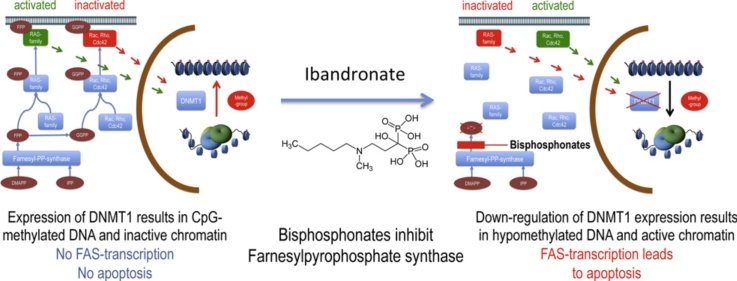
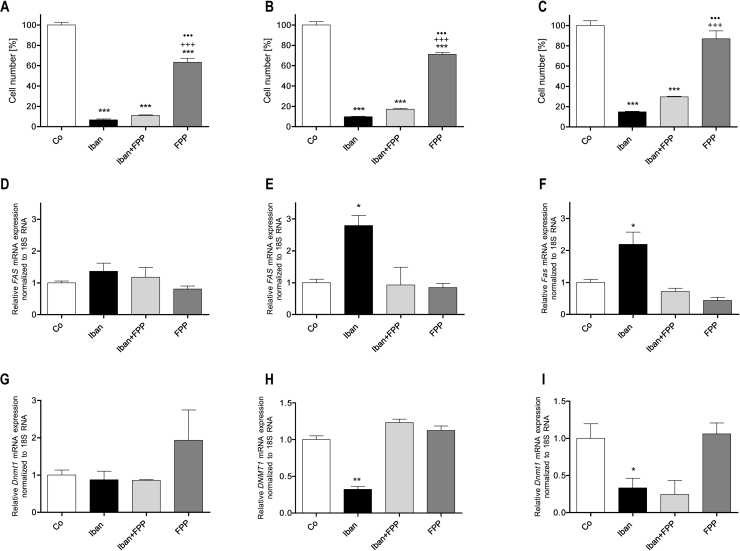
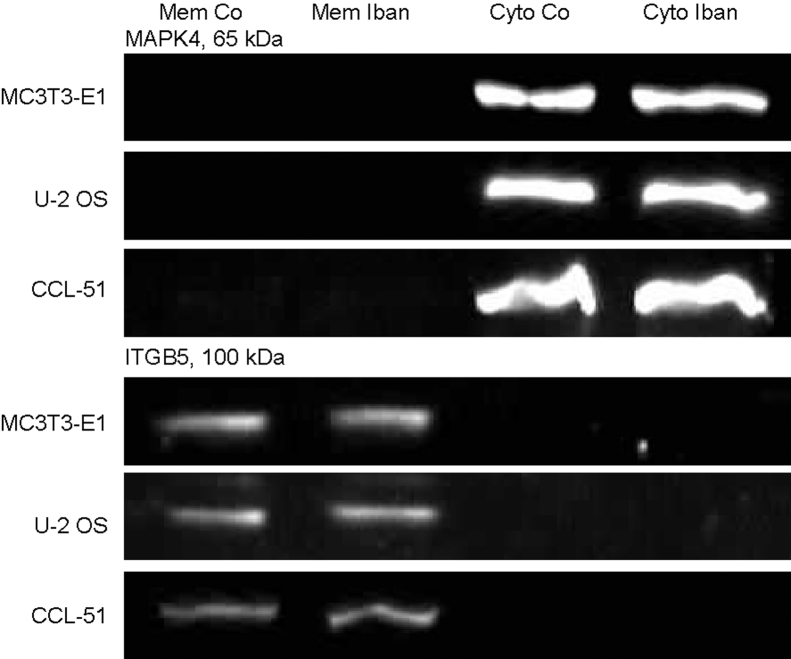
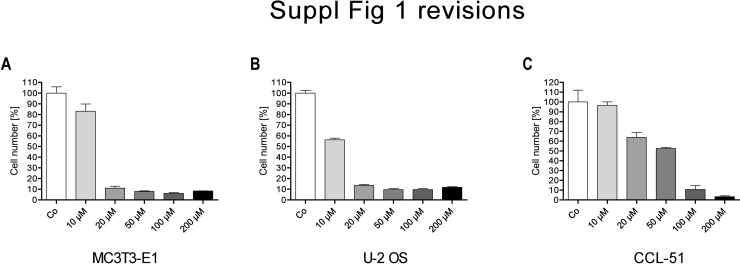
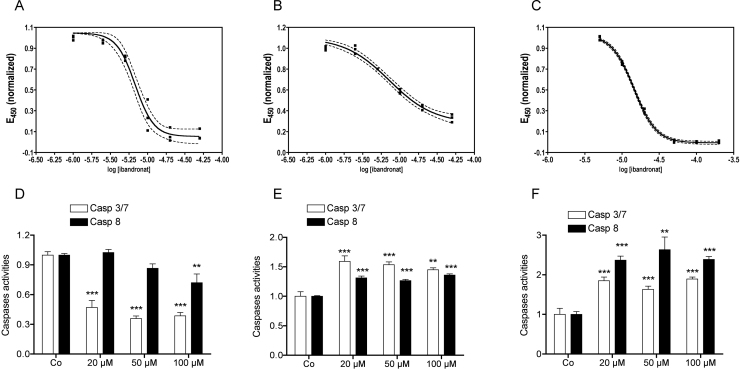
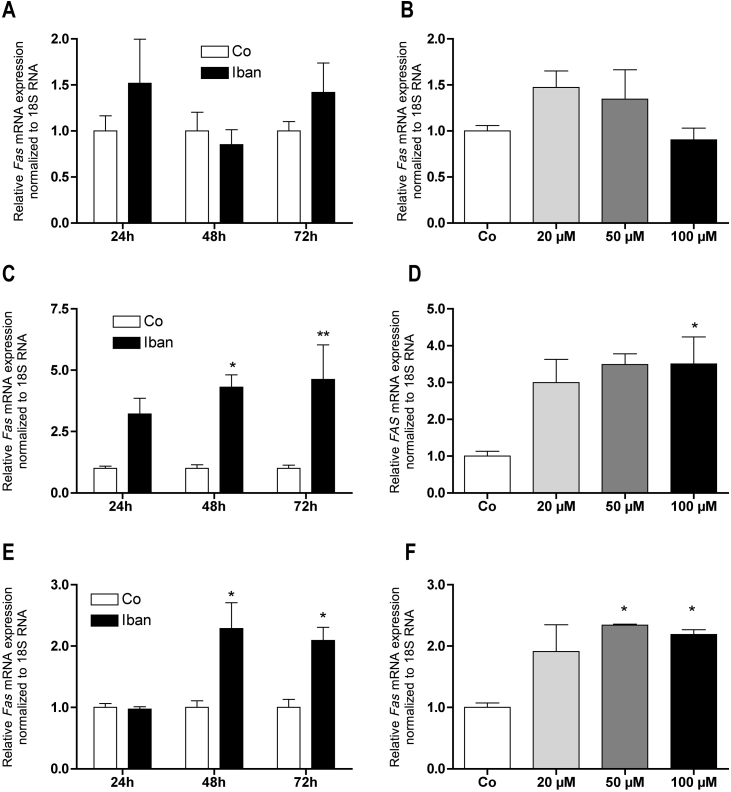
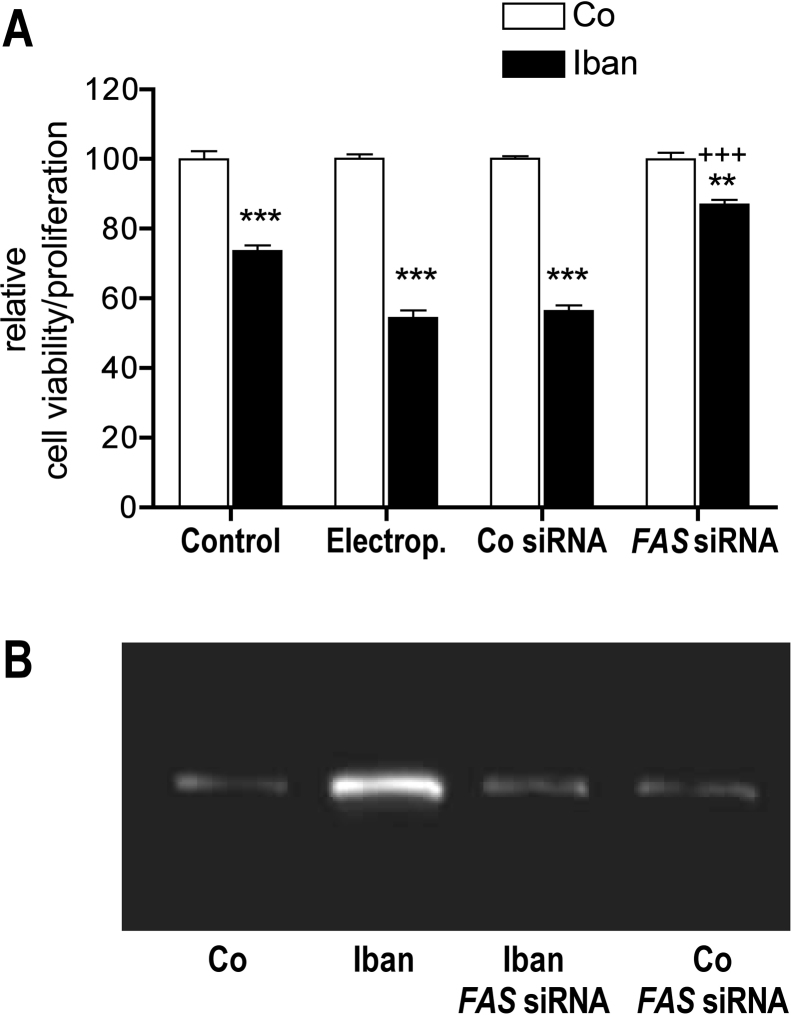
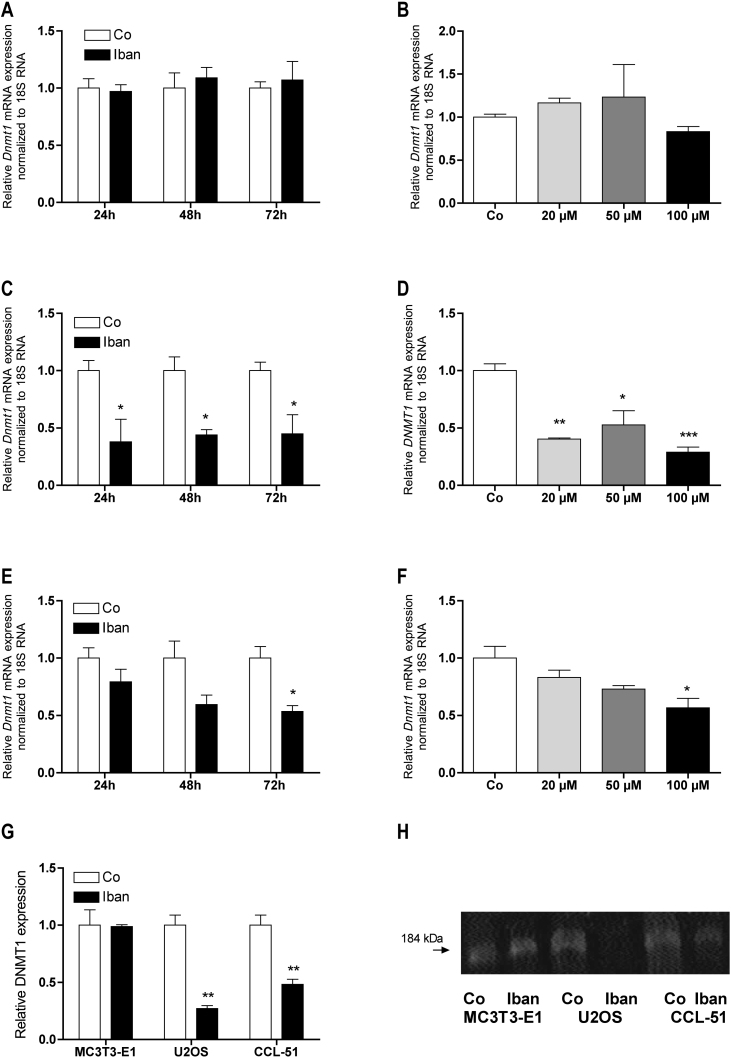
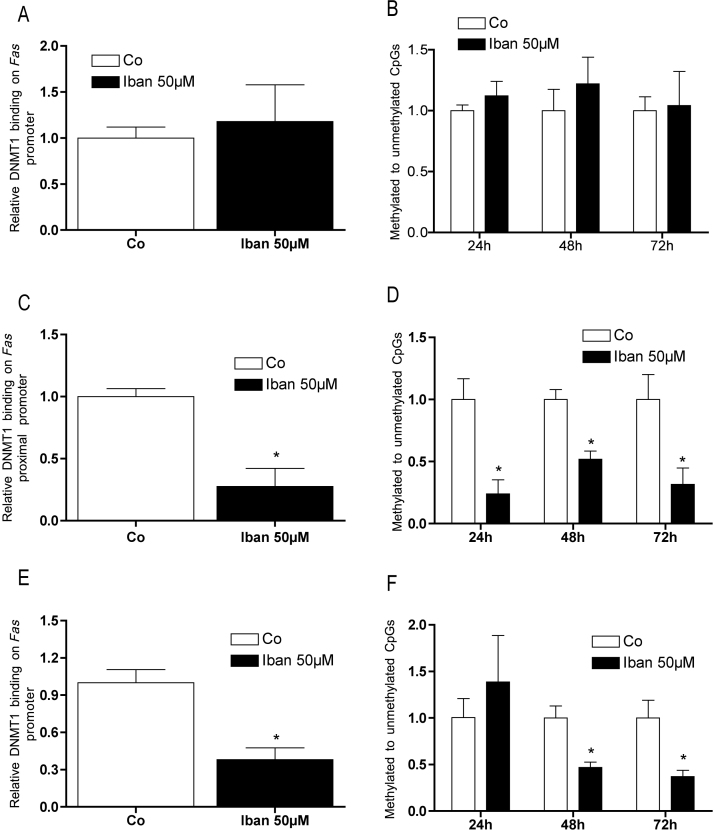
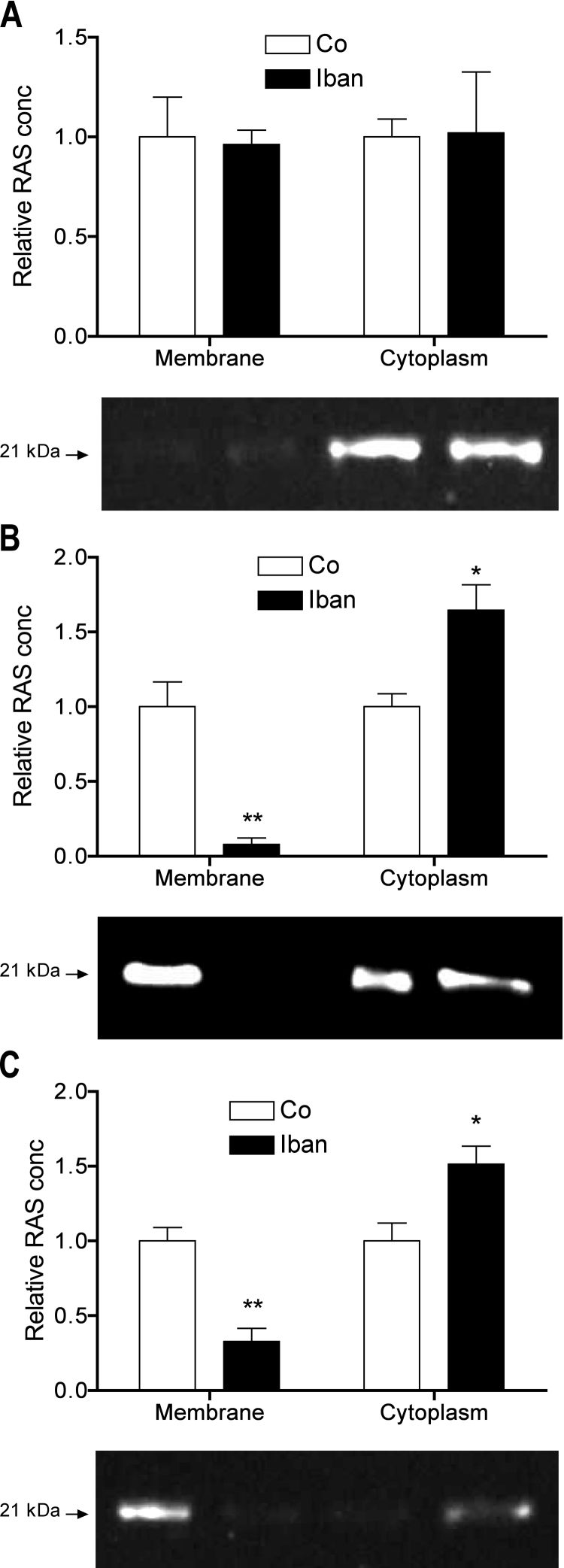
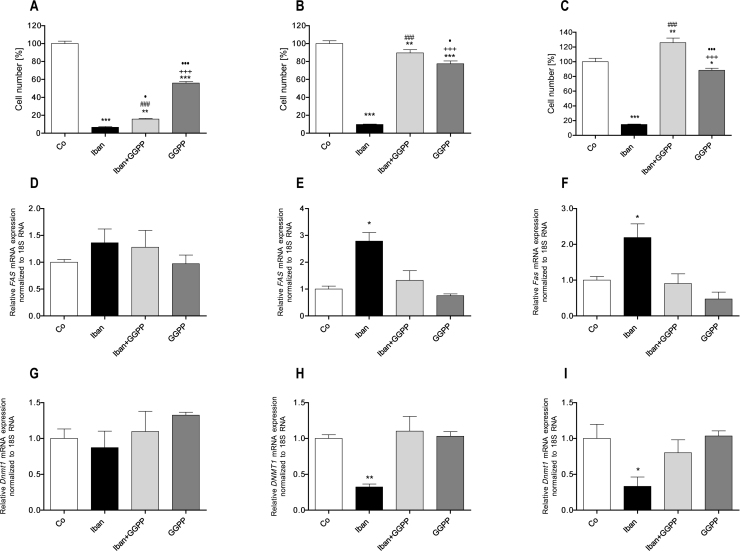
There is growing evidence that aminobisphosphonates like ibandronate show anticancer activity by an unknown mechanism. Biochemically, they prevent posttranslational isoprenylation of small GTPases, thus inhibiting their activity. In tumor cells, activated RAS-GTPase, the founding member of the gene family, down-regulates the expression of the pro-apoptotic gene FAS via epigenetic DNA-methylation by DNMT1. We compared ibandronate treatment in neoplastic human U-2 osteosarcoma and in mouse CCL-51 breast cancer cells as well as in the immortalized non-neoplastic MC3T3-E1 osteoblastic cells. Ibandronate attenuated cell proliferation in all cell lines tested. In the neoplastic cells we found up-regulation of caspases suggesting apoptosis. Further we found stimulation of FAS-expression as a result of epigenetic DNA demethylation that was due to down-regulation of DNMT1, which was rescued by re-isoprenylation by both geranylgeranyl-pyrophosphate and farnesylpyrophosphate. In contrast, ibandronate did not affect FAS and DNMT1 expression in MC3T3-E1 non-neoplastic cells. Data suggest that bisphosphonates via modulation of the activity of small-GTPases induce apoptosis in neoplastic cells by DNA-CpG-demethylation and stimulation of FAS-expression. In conclusion the shown epigenetic mechanism underlying the anti-neoplastic activity of farnesyl-transferase-inhibition, also explains the clinical success of other drugs, which target this pathway.
越来越多的证据表明,依班膦酸盐等氨基双膦酸盐通过未知机制显示出抗癌活性。从生化角度讲,它们可以阻止小 GTP 酶的翻译后异戊烯化,从而抑制其活性。在肿瘤细胞中,作为基因家族的创始成员,激活的 RAS-GTP 酶通过 DNMT1 介导的 DNA 甲基化来下调促凋亡基因 FAS 的表达。我们比较了依班膦酸盐在人 U-2 骨肉瘤和鼠 CCL-51 乳腺癌细胞以及永生化非肿瘤性 MC3T3-E1 成骨细胞中的治疗作用。依班膦酸盐可减弱所有测试细胞系的细胞增殖。在肿瘤细胞中,我们发现 caspase 的上调提示细胞凋亡。此外,我们发现 FAS 表达的刺激是由于 DNA 去甲基化的表观遗传作用所致,这是由于 DNMT1 的下调所致,而这可以通过 geranylgeranyl-pyrophosphate 和 farnesylpyrophosphate 的异戊烯化来挽救。相比之下,依班膦酸盐对非肿瘤性 MC3T3-E1 细胞中的 FAS 和 DNMT1 表达没有影响。数据表明,双膦酸盐通过调节小 GTP 酶的活性,通过 DNA-CpG 去甲基化和刺激 FAS 表达来诱导肿瘤细胞凋亡。总之,所显示的表观遗传机制是法尼基转移酶抑制的抗肿瘤活性的基础,也解释了其他靶向该途径的药物的临床成功。