Food Science and Human Nutrition Department and Center for Nutritional Sciences, College of Agricultural and Life Sciences, University of Florida, Gainesville, FL, USA.
PLoS One. 2012;7(10):e48679. doi: 10.1371/journal.pone.0048679. Epub 2012 Oct 24.
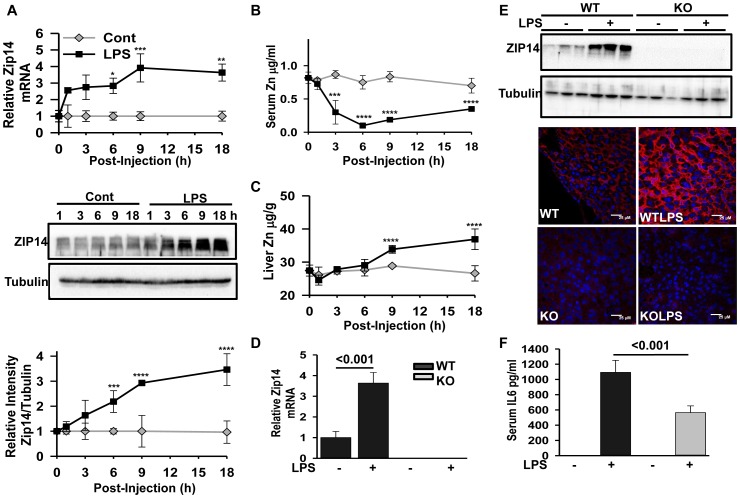
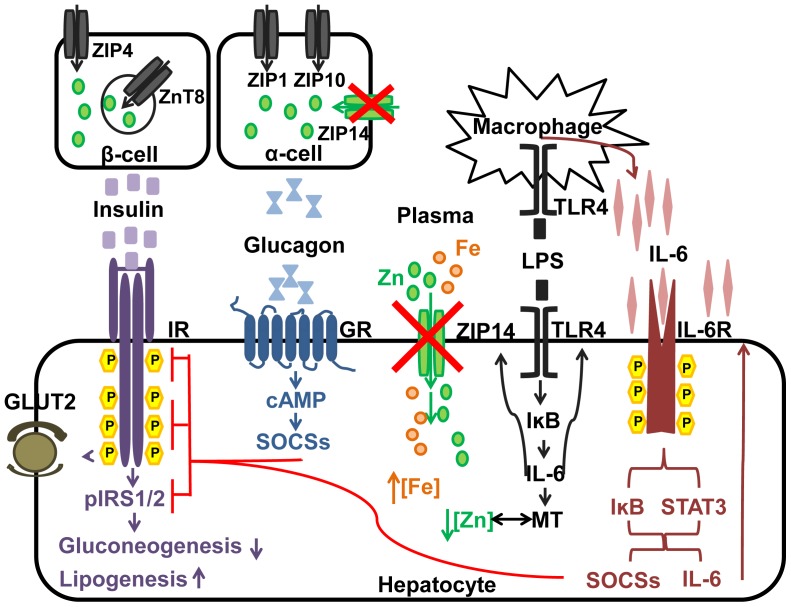
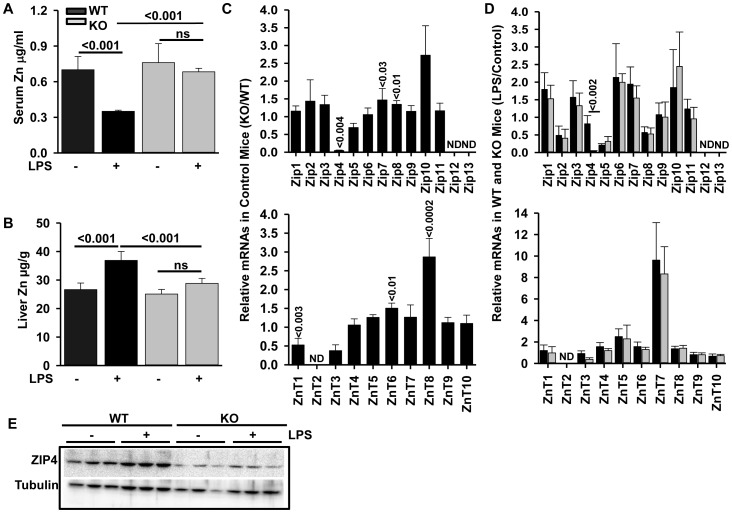
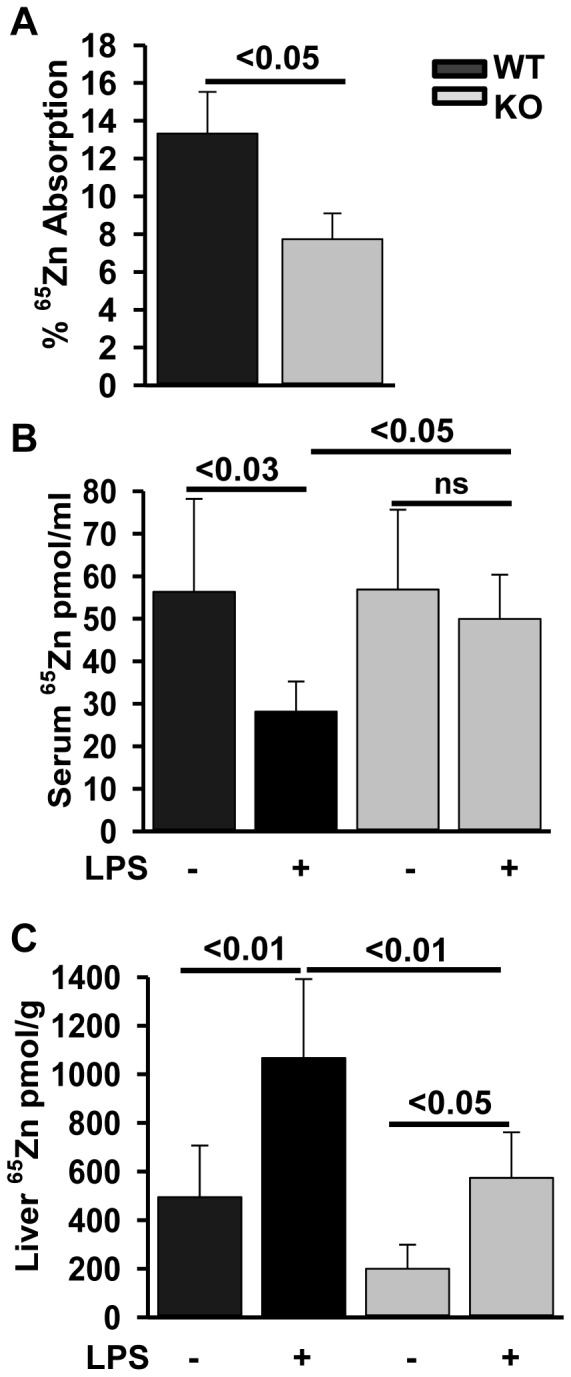
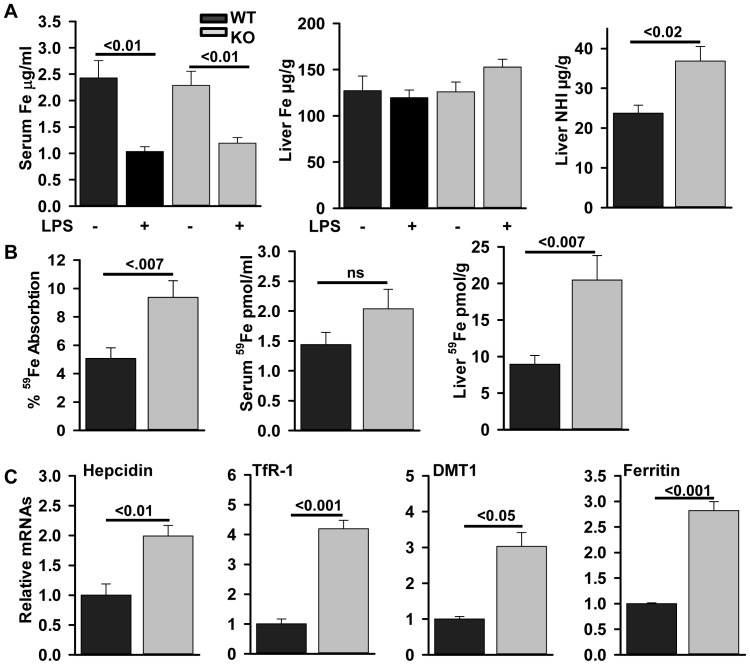
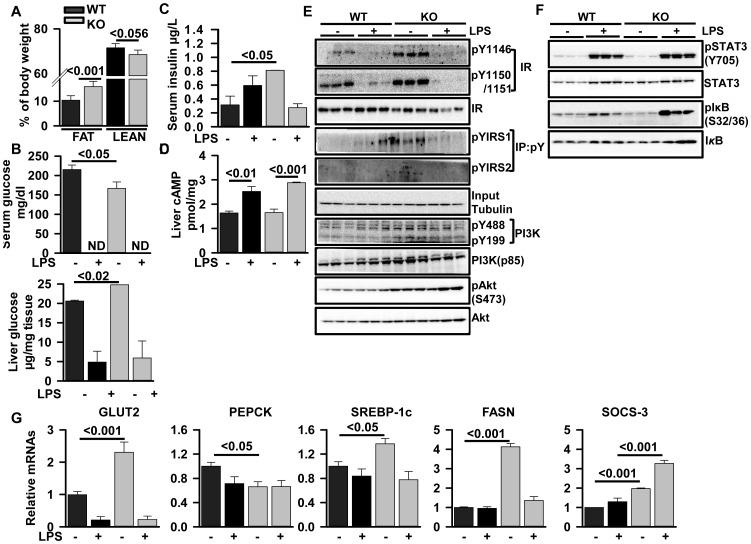
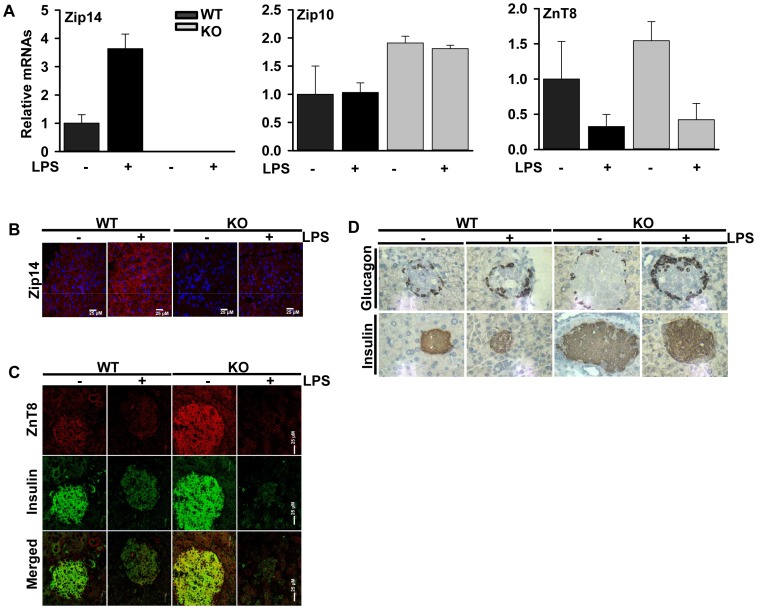
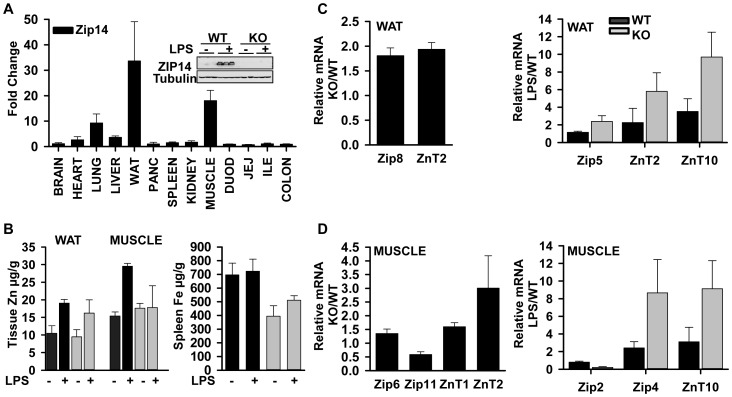
ZIP14 (slc39A14) is a zinc transporter induced in response to pro-inflammatory stimuli. ZIP14 induction accompanies the reduction in serum zinc (hypozincemia) of acute inflammation. ZIP14 can transport Zn(2+) and non-transferrin-bound Fe(2+) in vitro. Using a Zip14(-/-) mouse model we demonstrated that ZIP14 was essential for control of phosphatase PTP1B activity and phosphorylation of c-Met during liver regeneration. In the current studies, a global screening of ZIP transporter gene expression in response to LPS-induced endotoxemia was conducted. Following LPS, Zip14 was the most highly up-regulated Zip transcript in liver, but also in white adipose tissue and muscle. Using ZIP14(-/-) mice we show that ZIP14 contributes to zinc absorption from the gastrointestinal tract directly or indirectly as zinc absorption was decreased in the KOs. In contrast, Zip14(-/-) mice absorbed more iron. The Zip14 KO mice did not exhibit hypozincemia following LPS, but do have hypoferremia. Livers of Zip14-/- mice had increased transcript abundance for hepcidin, divalent metal transporter-1, ferritin and transferrin receptor-1 and greater accumulation of iron. The Zip14(-/-) phenotype included greater body fat, hypoglycemia and higher insulin levels, as well as increased liver glucose and greater phosphorylation of the insulin receptor and increased GLUT2, SREBP-1c and FASN expression. The Zip14 KO mice exhibited decreased circulating IL-6 with increased hepatic SOCS-3 following LPS, suggesting SOCS-3 inhibited insulin signaling which produced the hypoglycemia in this genotype. The results are consistent with ZIP14 ablation yielding abnormal labile zinc pools which lead to increased SOCS-3 production through G-coupled receptor activation and increased cAMP production as well as signaled by increased pSTAT3 via the IL-6 receptor, which inhibits IRS 1/2 phosphorylation. Our data show the role of ZIP14 in the hepatocyte is multi-functional since zinc and iron trafficking are altered in the Zip14(-/-) mice and their phenotype shows defects in glucose homeostasis.
ZIP14(slc39A14)是一种锌转运蛋白,可响应促炎刺激物诱导。ZIP14 的诱导伴随着急性炎症时血清锌(低锌血症)的减少。ZIP14 可在体外转运 Zn(2+)和非转铁蛋白结合的 Fe(2+)。我们使用 Zip14(-/-)小鼠模型证明,ZIP14 对于控制肝再生过程中的磷酸酶 PTP1B 活性和 c-Met 的磷酸化至关重要。在当前的研究中,我们对 LPS 诱导的内毒素血症响应的 ZIP 转运体基因表达进行了全面筛选。在 LPS 之后,Zip14 是肝脏中表达上调最显著的 ZIP 转录本,但在白色脂肪组织和肌肉中也是如此。我们使用 ZIP14(-/-) 小鼠表明,ZIP14 通过直接或间接途径有助于胃肠道的锌吸收,因为在 KO 中锌吸收减少。相比之下,Zip14(-/-) 小鼠吸收更多的铁。LPS 后,Zip14(-/-) 小鼠并未出现低锌血症,但确实出现低铁血症。Zip14-/- 小鼠肝脏中的铁调素、二价金属转运蛋白-1、铁蛋白和转铁蛋白受体-1 的转录物丰度增加,铁的积累增加。Zip14(-/-) 表型包括更多的体脂肪、低血糖和更高的胰岛素水平,以及增加的肝葡萄糖和胰岛素受体的更大磷酸化以及增加的 GLUT2、SREBP-1c 和 FASN 表达。Zip14 KO 小鼠在 LPS 后表现出循环 IL-6 减少和肝脏 SOCS-3 增加,表明 SOCS-3 抑制了胰岛素信号传导,导致该基因型的低血糖。结果与 ZIP14 缺失导致不稳定锌池异常一致,这些锌池通过 G 偶联受体激活和 cAMP 产生增加以及通过 IL-6 受体信号传导增加 pSTAT3 产生,从而导致 SOCS-3 产生增加,后者抑制 IRS 1/2 磷酸化。我们的数据表明,ZIP14 在肝细胞中的作用是多功能的,因为锌和铁的转运在 Zip14(-/-) 小鼠中发生改变,并且它们的表型显示葡萄糖稳态存在缺陷。