Neuropediatric Department, Hospital Universitario Virgen de la Arrixaca, Murcia, Spain.
Drugs R D. 2012 Dec 1;12(4):187-97. doi: 10.2165/11636260-000000000-00000.
The safety and effectiveness of lacosamide, an antiepileptic drug (AED) that selectively enhances the slow inactivation of voltage-gated sodium channels without affecting rapid inactivation, has been demonstrated in randomized, double-blind, placebo-controlled trials in adults with focal epileptic seizures. Although lacosamide is approved for use in patients over 16 years of age, limited clinical experience exists for younger patients.
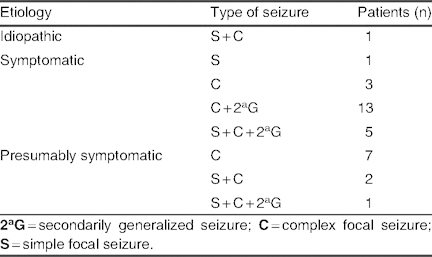
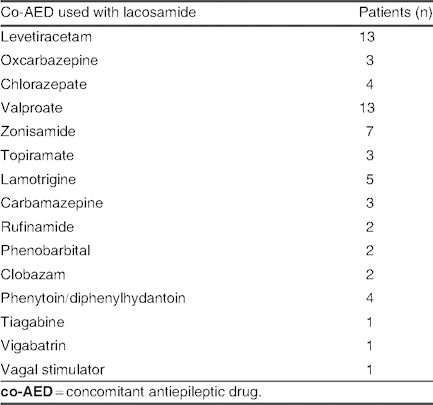
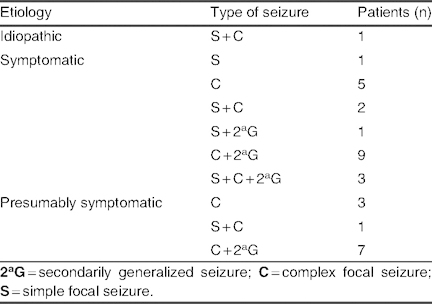
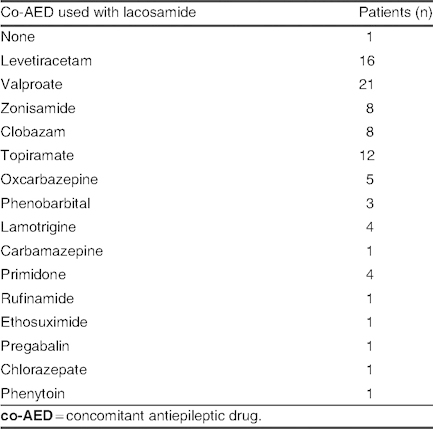
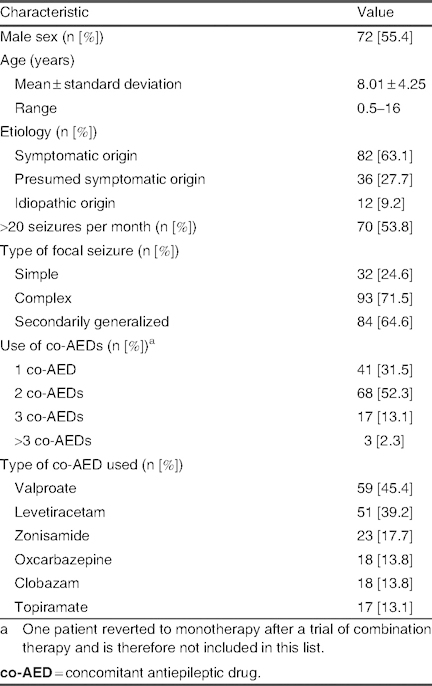
To assess the efficacy and tolerability of lacosamide in children with refractory epilepsy. DesignMethods: The trial was a prospective, open-label, observational, multicenter study. A total of 130 patients aged less than 16 years (range 6 months to 16 years) with refractory epilepsy who had initiated treatment with lacosamide were enrolled at 18 neuropediatric units in hospitals across Spain. Patients with a variety of etiologies were enrolled, including those with partial epilepsies and symptomatic, generalized epilepsy syndromes. Lacosamide (VIMPAT®; UCB Pharma SA, Brussels, Belgium) was primarily administered once every 12 hours as an oral solution or as an oral tablet, with an initial dose of 1-2 mg/kg/day in the majority of cases. The majority of patients were also receiving stable concomitant therapy with ≥1 other AED. Treatment response to lacosamide was determined by assessing the change in seizure frequency after 3 months of lacosamide therapy. Responders were defined as patients who achieved a seizure frequency reduction of >50%. Tolerability was assessed by the reporting of adverse effects, laboratory testing, and electroencephalography recordings.
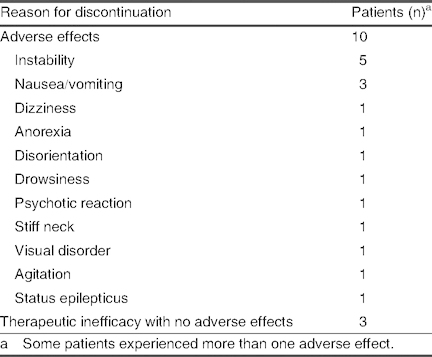
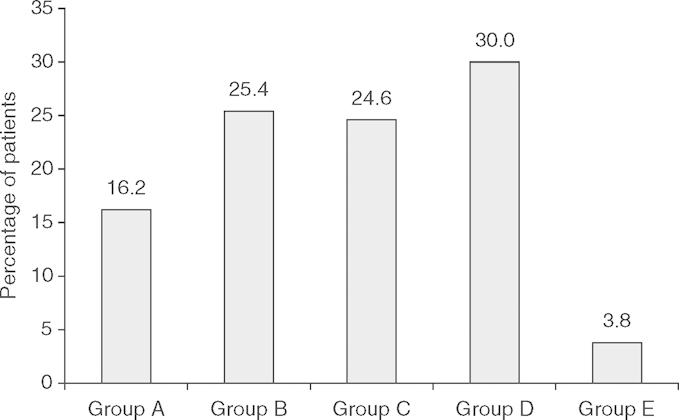
Lacosamide was dosed at a mean of 6.80 ± 2.39 mg/kg/day. After 3 months of lacosamide therapy, 62.3% of patients achieved a >50% reduction in seizure frequency, with complete seizure suppression being reported in 13.8% of patients. Adverse effects occurred in 39 patients (30%), but no dose-response relationship was observed in terms of these events. In ten patients, instability, difficulty walking, an inability to relate to subjective elements, and blurred vision or dizziness were reported. A total of 13 patients discontinued treatment - in five of these patients, symptom intensity remained unchanged despite dose reduction, which led to treatment discontinuation. The symptoms were markedly different in each patient, preventing determination of a causal factor(s).
The results of this study provide preliminary evidence for the efficacy of lacosamide in children with refractory epilepsy. Further evaluation in a randomized, controlled trial is needed to validate the efficacy in this population and to fully investigate the adverse effects described here. We recommend an initial dose of 1-2 mg/kg/day, uptitrated to 6-9 mg/kg/day over 4-6 weeks.
拉科酰胺是一种抗癫痫药物(AED),选择性增强电压门控钠通道的慢失活而不影响快速失活。在成人局灶性癫痫发作的随机、双盲、安慰剂对照试验中已证实其安全性和有效性。虽然拉科酰胺已批准用于 16 岁以上的患者,但对于年龄较小的患者,临床经验有限。
评估拉科酰胺在难治性癫痫儿童中的疗效和耐受性。
该试验是一项前瞻性、开放标签、观察性、多中心研究。共纳入西班牙 18 家医院的 130 名年龄小于 16 岁(6 个月至 16 岁)的难治性癫痫患儿,他们开始接受拉科酰胺治疗。患儿的病因多种多样,包括部分性癫痫和症状性、全面性癫痫综合征。拉科酰胺(VIMPAT®;UCB Pharma SA,布鲁塞尔,比利时)主要以口服溶液或口服片剂的形式,每 12 小时给药一次,大多数情况下初始剂量为 1-2mg/kg/天。大多数患者还接受≥1 种其他 AED 的稳定联合治疗。通过评估拉科酰胺治疗 3 个月后癫痫发作频率的变化来确定拉科酰胺的治疗反应。应答者定义为癫痫发作频率降低>50%的患者。通过报告不良反应、实验室检查和脑电图记录来评估耐受性。
拉科酰胺的剂量平均为 6.80±2.39mg/kg/天。在接受拉科酰胺治疗 3 个月后,62.3%的患者癫痫发作频率降低>50%,13.8%的患者完全抑制癫痫发作。39 名患者(30%)出现不良反应,但这些事件与剂量无明显关系。在 10 名患者中,出现了不稳定、行走困难、无法与主观因素相关、视力模糊或头晕。共有 13 名患者停止治疗 - 在这 5 名患者中,尽管剂量减少,症状强度仍保持不变,导致治疗停止。这些症状在每个患者中都明显不同,无法确定因果因素。
本研究结果初步证实了拉科酰胺在难治性癫痫儿童中的疗效。需要进一步的随机对照试验来验证该人群的疗效,并充分研究此处描述的不良反应。我们建议初始剂量为 1-2mg/kg/天,在 4-6 周内逐渐增加至 6-9mg/kg/天。