Division of Oncology, Department of Pediatrics, The Children's Hospital of Philadelphia, Philadelphia, PA, USA.Division of Infectious Diseases, Department of Pediatrics, The Children's Hospital of Philadelphia, Philadelphia, PA, USA.Abramson Cancer Center, University of Pennsylvania Perelman School of Medicine, Philadelphia, PA, USA.Department of Pathology and Laboratory Medicine, Perelman School of Medicine, University of Pennsylvania, Philadelphia, PA, USA.Division of Allergy Immunology, Department of Pediatrics, The Children's Hospital of Philadelphia, Philadelphia, PA, USA.Department of Pediatrics, The Children's Hospital of Philadelphia, Philadelphia, PA, USA.
Influenza Other Respir Viruses. 2013 Nov;7(6):1158-67. doi: 10.1111/irv.12058. Epub 2012 Nov 30.
Pediatric oncology patients represent a cohort of individuals uniquely at risk of complications from influenza, yet less likely to respond to the vaccine. It is not yet clear how to best protect this vulnerable population.
We performed a prospective analysis of 177 pediatric oncology patients to define the predictors of influenza vaccine responses. Each variable was examined over three time points and a repeated measure analysis was performed.
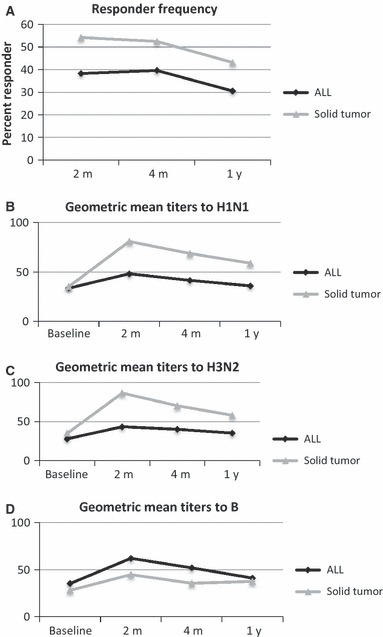
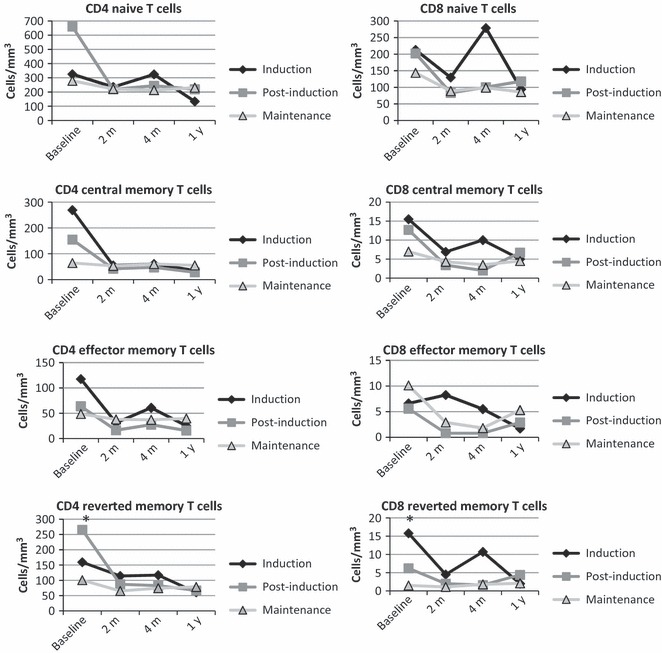
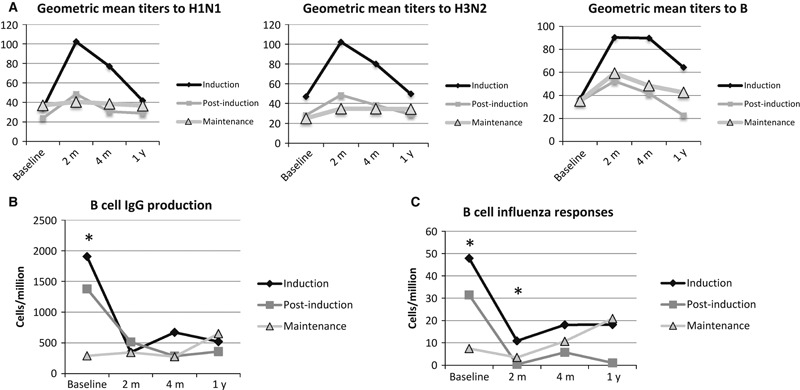
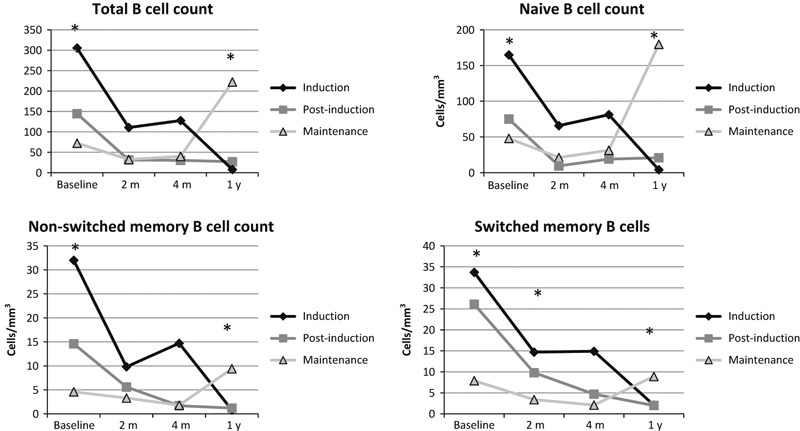
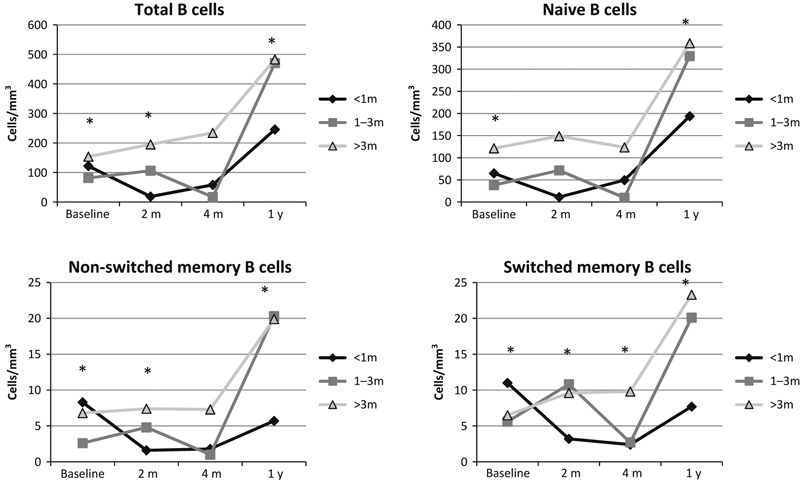
Patients with ALL vaccinated during induction phase had superior influenza vaccine responses than those subjects vaccinated during post-induction or maintenance phases (P=0·0237). Higher aggregate HAI titer responses were associated with a higher baseline B-cell count (P=0·0240), and higher CD4 and CD8 influenza-specific T-cell responses, suggesting prior antigen exposure is a significant contributor. The solid tumor cohort had equivalent responses during all time frames of chemotherapy.
The optimal protection from influenza of pediatric patients on chemotherapy should include vaccination, but it is clear that not all patients produce high titers of antibodies after vaccination. This study identified biomarkers that could be used to individualize vaccine approaches. Immunologic predictors might have a role in targeting resources, as B-cell counts predicted of vaccine responses among the patients with ALL.
儿科肿瘤患者是一类特别容易因流感而出现并发症的人群,但他们对疫苗的反应却不太可能。目前尚不清楚如何最好地保护这一脆弱人群。
我们对 177 名儿科肿瘤患者进行了前瞻性分析,以确定流感疫苗反应的预测因素。每个变量都在三个时间点进行了检查,并进行了重复测量分析。
在诱导期接种疫苗的 ALL 患者的流感疫苗反应优于在诱导后或维持期接种疫苗的患者(P=0·0237)。较高的聚合 HAI 滴度反应与较高的基线 B 细胞计数(P=0·0240)和较高的 CD4 和 CD8 流感特异性 T 细胞反应相关,表明先前的抗原暴露是一个重要的贡献因素。在所有化疗时间段,实体瘤患者的反应相当。
接受化疗的儿科患者应通过接种疫苗来获得最佳的流感保护,但很明显,并非所有患者在接种疫苗后都能产生高滴度的抗体。本研究确定了可以用于个体化疫苗接种的生物标志物。免疫预测因子可能在针对资源方面发挥作用,因为 B 细胞计数可以预测 ALL 患者的疫苗反应。